
Where to Buy a Mahjong Case: A Player's Guide
Last updated: Nov 23, 2026
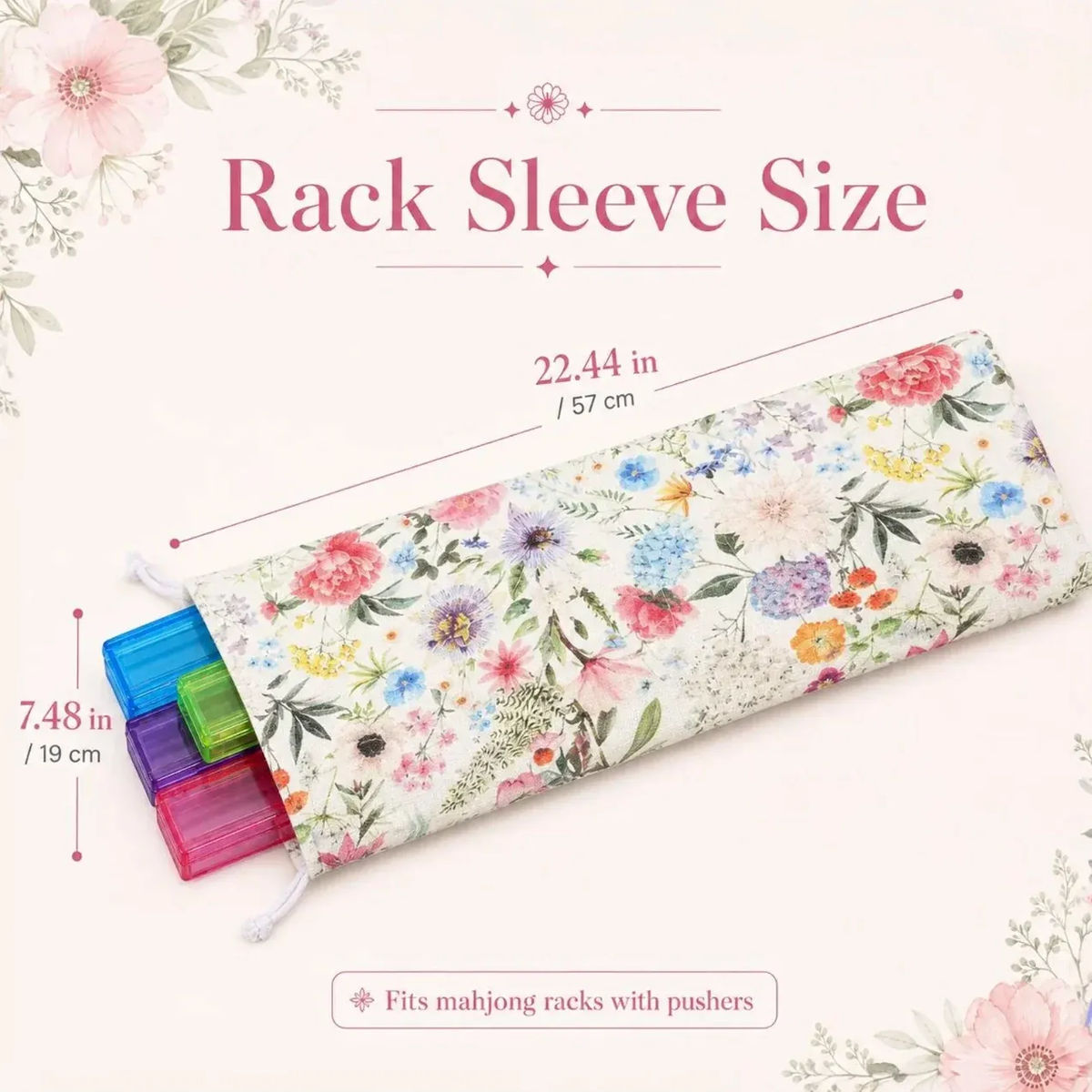
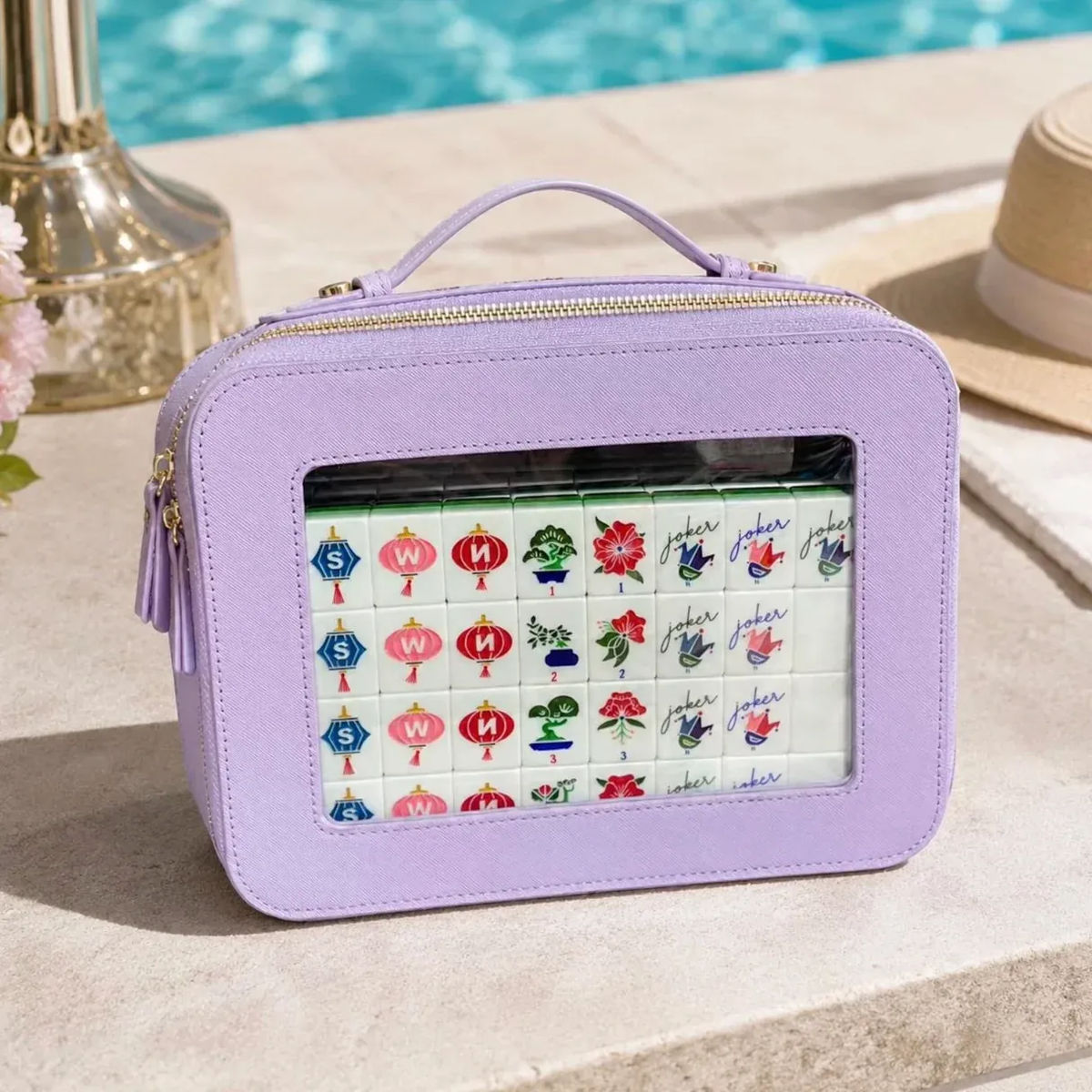
A mahjong case stores and protects your 160-tile acrylic set, racks, mats and accessories during transport and storage. Cases come in soft-sided fabric designs (lightweight, portable, budget-friendly) or hard-shell options (maximum durability for frequent travel). Most hold a complete set with room for a mat and pushers; dimensions typically range from compact carry bags to large wheeled or rolling cases. You can buy them from specialty mahjong retailers like Mahstead, which sells cases sized for American 160-tile sets with engraved tiles and mats. Cost varies by material and capacity; soft cases are economical starters, while hard cases suit players who travel frequently or store expensive sets. Key: measure your set and mat first, check weight limits if traveling, and verify the case fits both tiles and your preferred mat before ordering.
🀄 Shop best-selling mahjong sets →
A mahjong case protects your tiles, mat, racks and dice—the core investment in your game. Whether you play weekly at home, travel to tournaments, or store a gift set in the closet, the right case means your tiles stay aligned and your acrylic never cracks. This guide compares case types, shows you how to measure, and reveals what seasoned players actually choose.
What size case do I actually need?
You need space for your 160-tile set, racks with pushers, mat, and the National Mah Jongg League card. A standard set sits in a box roughly 12 × 8 × 4 inches; a folded mat adds bulk. Soft-sided cases typically hold a complete set plus a mat rolled or flat. Hard cases designed for mahjong come with foam inserts cut to fit tiles, racks, pushers, dice and a rolled mat. Measure your mat—if you use one for American mahjong games, a 28" × 28" mat rolled or folded will need a case with interior depth of at least 10–12 inches. A portable carry bag suits home-to-friend games; a rolling or hard case is worth the investment if you travel monthly or store a premium set.

Soft-sided vs. hard-shell cases—which wins?
Type | Who it's for | Best for | Main trade-off |
Soft fabric bag | Casual weekly players, budget-conscious | Home storage, short car trips | Less protection if dropped |
Hard case (non-rolling) | Serious players, valuable sets | Travel, frequent moves, durability | Heavier, takes more space |
Rolling hard case | Frequent travelers, tournament players | Airports, conventions, remote games | Bulkiest, most expensive option |
Soft cases weigh 1–2 pounds empty and fit in a car seat or closet shelf. They're ideal if your game stays local and you're not worried about tile chips. Hard cases protect acrylic from pressure and impact; if you own an engraved American mahjong set or a high-end best-selling set with custom tiles, hard protection justifies the extra bulk and weight. Rolling cases suit players who fly to regional tournaments or store sets long-term in humid climates. We see most home players use a soft bag for convenience and a hard case for their most-loved or gifted sets.
What features actually matter when comparing cases?
Look for these details before you buy:
Interior compartments: Are pockets separate enough that tiles won't slide during transport? Foam inserts are better than open fabric.
Closure type: Zippers last longer than magnetic snaps, though snaps look nicer. Double zippers let you access tiles without opening the whole case.
Dimensions listed: Ask the seller to confirm interior width, depth and length in inches. Your mat and a racks with pushers set must fit flat or rolled without compression.
Weight: If you carry it weekly, anything over 4 pounds (empty) gets old fast. Check the product listing.
Drainage: If you play near water or store in a humid garage, a case with small vents or mesh panels prevents mold on felt mats.
Handles: Soft handles are comfortable; reinforced handles near seams survive airport rough handling.
An acrylic set weighs roughly 4–5 pounds; a thick mat adds another 1–2 pounds. If your total case weight exceeds 12 pounds, you'll notice it when you carry it.
Where do real players buy mahjong cases?
Specialty retailers like Mahstead sell cases matched to their own 160-tile acrylic sets, so interior dimensions are tested to fit tiles, mats and racks together. This eliminates guesswork. Online marketplaces offer generic storage boxes labeled "mahjong case," but dimensions are often vague and foam inserts may not suit acrylic tile depth. Big-box retail stores rarely stock mahjong cases at all. Regional mahjong clubs sometimes stock cases or recommend trusted sellers; check community centers, libraries, synagogues or country clubs in your area for player groups and word-of-mouth recommendations. Specialty sellers also offer free US shipping, making cost competitive with mail-order generics. Browse travel bags and cases now—most ship within a week and arrive ready to protect your game.
🎁 See our most-loved mahjong sets & accessories →
Soft case vs. storage at home—when do you actually need a case?
You need a case if you travel with your set monthly or more, store it long-term in a non-climate-controlled space, or own a high-value custom set you want to preserve. If you keep your set in a dry bedroom closet and play only at home, the original box often suffices. If you toss your set in a car trunk weekly or store it in an attic, acrylic tiles can warp, felt mats can mildew, and pushers can crack. A soft case costs less than replacing even a few tiles. Hard cases make sense if you've invested in an engraved set with personalized titles, a premium mat, and matched racks—essentially, if your complete setup cost more than a quality case. Most of us who play year-round own at least one case; those with multiple sets own different cases for different travel scenarios.
What to check before you order a mahjong case
Confirm your set dimensions: Unbox your 160-tile set and measure length × width × height of the original box. Note whether your mat rolls or folds and its dimensions.
Verify interior space in the case listing: Interior dimensions (not exterior) should exceed your set box by at least 1 inch on length and width, and 2 inches in depth.
Check if mat fits rolled: Most cases assume a mat rolled to 4–6 inches diameter. If your mat is thick felt, confirm it fits without crushing the zip.
Ask about racks and pushers: Some cases have a separate compartment for racks; others expect you to stack them in a corner. Confirm your mahjong racks with pushers fit.
Read return policy: If the case arrives and doesn't fit your specific mat width, can you return it? Most reputable sellers offer 30-day returns.
Weigh total cargo: Add up set weight (4–5 lbs) + mat (1–2 lbs) + case (1–4 lbs) to confirm you're comfortable carrying it.
Check for free shipping: Specialty mahjong retailers like Mahstead offer free US shipping; factor this into your final decision.
✨ Find your Mahstead set — free US shipping →

FAQ
Can I use a regular camera bag or tool case instead of a mahjong case?
Yes, if interior dimensions match: tiles need roughly 12 × 8 × 4 inches, plus mat space. The advantage of a mahjong-specific case is foam inserts custom-cut for tile depth, preventing tiles from tipping during bumps. Generic bags require you to wrap tiles in cloth yourself.
Do I need a case if I play at one friend's house every week?
Only if you value the set highly or play in changing locations. A soft case costs less than replacing cracked tiles and keeps your mat clean. For a single short trip, the original box often works.
What's the difference between a mahjong case and a board game storage box?
Mahjong cases have compartments sized for tiles (shallow, wide) and racks, while game boxes are taller and less organized. Mahjong cases also offer better waterproofing for mats and quieter closures to prevent tile noise during transport.
How do I know if a hard case's foam inserts will fit my specific set tiles?
Ask the seller for interior compartment dimensions (length × width × depth per tile slot). Compare against your tile dimensions. Most 160-tile acrylic sets are standard; Mahstead cases are tested with their own tiles, so fit is guaranteed.
Can I store my mahjong case in a garage or basement?
Soft cases work in cool, dry spaces. In humid garages or basements, use a hard case with vents or store the case inside a larger waterproof tub. Felt mats can mold if moisture sits; hard cases with drainage holes or mesh panels reduce this risk.
Is a rolling case worth the extra cost for casual home players?
Only if you travel by plane or car monthly. For weekly home games, the rolling case sits unused and takes up closet space. A soft bag or regular hard case is lighter and more practical for occasional trips.


View More
View More
View More
