
When Does the Mahjong Card Come Out? 2026 Release Guide
Last updated: Nov 23, 2026
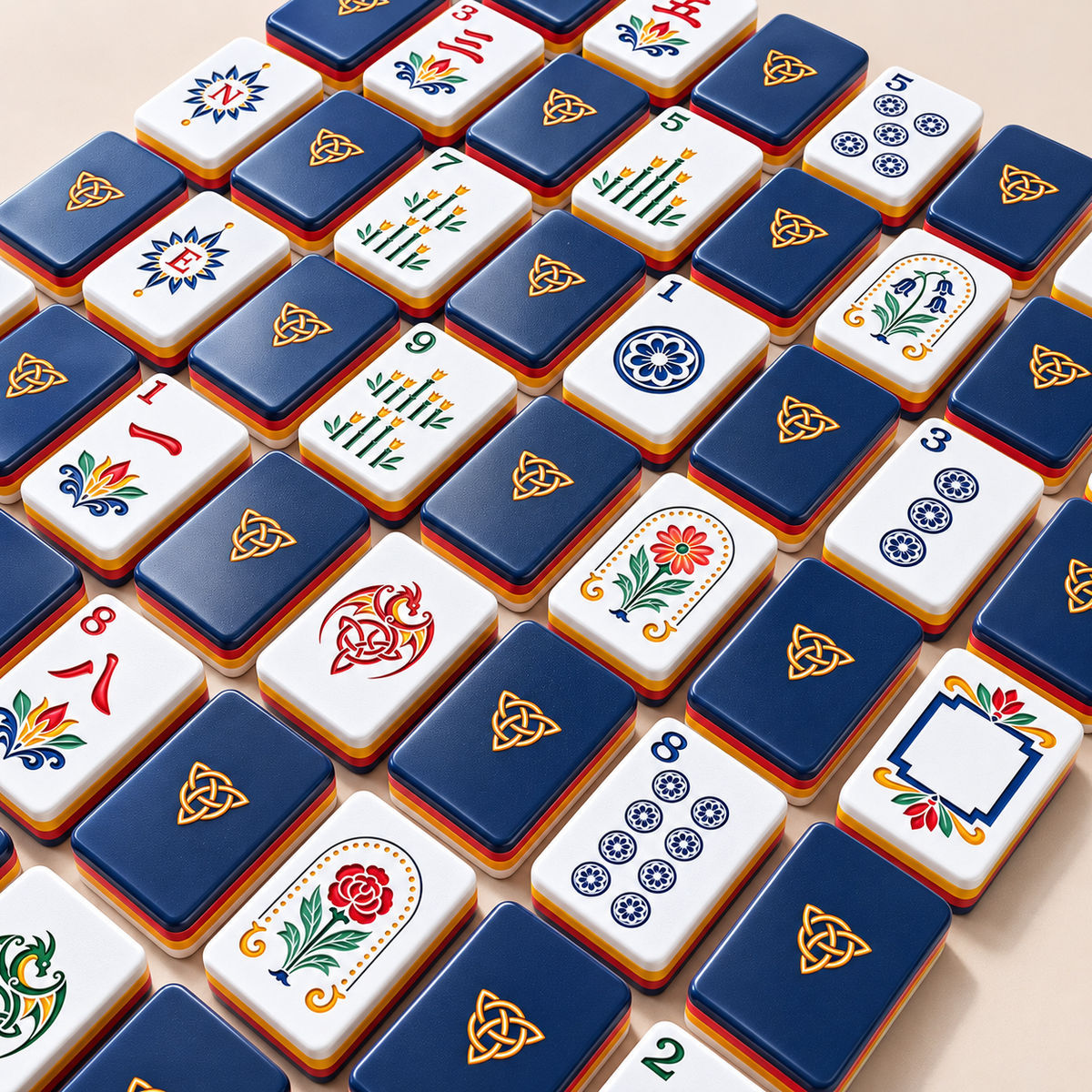
The National Mah Jongg League card releases every spring—typically March or early April, though the exact date varies year to year. The 2026 card became available in spring 2026. Every American mahjong hand must come from that year's card; hands from prior years are invalid. You can buy printed cards from the League, download a PDF version, or use a digital app. Many players keep a laminated copy at the table and a backup in their mahjong bag or case. The card is essential: without it, you cannot identify valid hands, call winning combinations, or settle disputes fairly. Check the National Mah Jongg League website each February and March for the official release date and to pre-order if you play weekly.
Why a New Card Every Year?
The National Mah Jongg League changes the card annually to keep the game fresh and prevent players from memorizing every possible hand. Each new card includes roughly 100–120 valid hand patterns across fourteen "like" sections (numbered, honor, quint, consecutive run, and combinations). The card also reorders where hands appear, so a hand you knew last year may live in a different spot. This forces all players—beginner and veteran—to learn the card together each spring. It levels the playing field and keeps weekly games from becoming rote. Without annual rotation, American mahjong would lose its strategic tension and learning curve.

How to Find and Get the Current Card
The National Mah Jongg League publishes its card through official channels only: their website and authorized retailers. Search online for "National Mah Jongg League" and navigate to their card shop or resources section. Most players buy a printed, laminated card (durable and easy to reference at the table) or a PDF they print themselves. Some use smartphone apps that display the current card; verify these are licensed by the League before relying on them. You can also find cards at mahjong retailers and specialty game stores. Order early: the card sells out in late spring as players refresh their stock before summer games. Print or laminate your card before your first game of the season—running to the table without one will slow play and frustrate your group.
🀄 Shop best-selling mahjong sets →
When to Buy Your Card: A Timeline
Timing | Action | Why It Matters |
January | Check League website for card date announcement | Early notice lets you plan; some retailers pre-sell |
February | Pre-order printed or laminated card | Ensures delivery before your first spring game |
Late February–early March | Card official release; high demand begins | Order quickly—popular formats sell out fast |
March–April | Download PDF or buy at retailers; laminate if printing | Your card should arrive or print before April games |
May onward | Backstock may be available but selection narrows | Last-minute buys are riskier; priority ships first |
Order a laminated copy for the table and a PDF backup for your phone or a second set member's bag. This redundancy prevents mid-game delays if one copy gets wet or torn.
Reading Your Card: What You'll Actually See
The card is divided into fourteen sections, numbered 1–14. Section 1 is always "Like Numbers"—pure number hands with no honors or dragons. Sections climb in complexity: section 2 adds like dragons or honors, section 3 layers in pairs, and so on. Each hand row shows the tile pattern (e.g., a pung of 5 Bams, a pair of East winds) using dots, symbols, and abbreviations. You'll see letters for winds (N, E, W, S), colored blocks for dragons (Red, Green, White), and digit sequences for number tiles. The small type is designed for quick scanning: find your exposed tiles or pung, run your finger across, and match. If the pattern matches a row, that's a valid call. Learn to read the card with examples before your first game to avoid fumbling during play.
🎁 See our most-loved mahjong sets & accessories →

Common Mistakes: What to Watch For
Using last year's card. It's tempting to reuse last season's card; don't. Hands change, positions shift, and an outdated card will cost you points and cause disputes. Always play with the current year's card.
Sharing one card among four players. One card at the table is not enough. Players need to reference it simultaneously—at least two copies (ideally three) speeds up hand verification and keeps the game flowing.
Buying a card you can't read. Small print or poor contrast slows you down. Buy a laminated card or a large-format PDF you can zoom on a tablet. Readability directly affects your speed and confidence.
Forgetting the card on game day. Leaving it at home stops your game cold. Carry it in your mahjong bag as routine as you'd pack tiles. Make it part of your pre-game checklist.
Not knowing which year the card is. The card prints the year clearly. Check it before your first game. If players accidentally mix cards from two different years, disputes multiply and hands become invalid.
Pairing Your Card with the Right Tiles and Setup
Once you have the current card, you'll need a full 152-tile American mahjong set to play. The card tells you what's valid; the tiles let you build it. Organized players keep the card, their set, a mat to organize tiles, and racks with pushers in one bag so nothing is forgotten. Your group should also designate someone as card-keeper each game—that player keeps the card visible, settles disputes fairly, and ensures everyone uses the same current edition. If you're hosting weekly games, laminate two or three cards: one for the table, one backup, and one spare for a guest who forgets theirs. This small investment saves minutes of delay and keeps the flow smooth.
✨ Find your Mahstead set — free US shipping →
What to Check Before You Buy
Year printed on card. Confirm it matches the current year (2026 for this season). Do not buy old stock.
Lamination quality. If buying pre-laminated, check that edges are sealed; peeling lamination will shred during play.
Print contrast. Symbols and text must be crisp. Blurry or faded cards frustrate players and slow the game.
Format size. Standard is 8.5" × 14" (or metric equivalent). Anything smaller is harder to scan quickly.
Seller reputation. Buy from the League directly or established retailers, not marketplaces with unclear origins.

FAQ
Can I play American mahjong with last year's card?
No. American mahjong hands are valid only from the current year's National Mah Jongg League card. Using an old card invalidates hands and creates disputes. Always play with the current card.
When does the 2026 card come out?
The League typically releases the new card in March or early April each spring. Check the National Mah Jongg League website in February for the exact date and to pre-order.
Do I need a printed card or is a PDF okay?
Either works. Many players print and laminate a PDF for durability at the table. Others buy the League's printed card. Use what works for your group, but have at least two copies at the table.
Where do I buy the official card?
The National Mah Jongg League sells cards through their official website and authorized retailers. Search "National Mah Jongg League card" to find current sales channels and pricing.
What if I can't read the card's small print during a game?
Buy a large-format laminated copy or print a PDF at a larger size. Some players keep a tablet at the table with a zoomable PDF version. Readability saves time and prevents confusion.
Can multiple players share one card?
Yes, but it slows the game. Ideally, have two or three copies at the table so players can verify hands simultaneously without passing a single card around.
Do I need the card if I use a mahjong app?
Only if your app requires it. Licensed mahjong apps embed the current card. Verify the app is updated annually before relying on it as your sole reference.


View More
View More
View More
