
Western Classical Mahjong Winning Hands: Rules & Patterns
Last updated: Nov 23, 2026
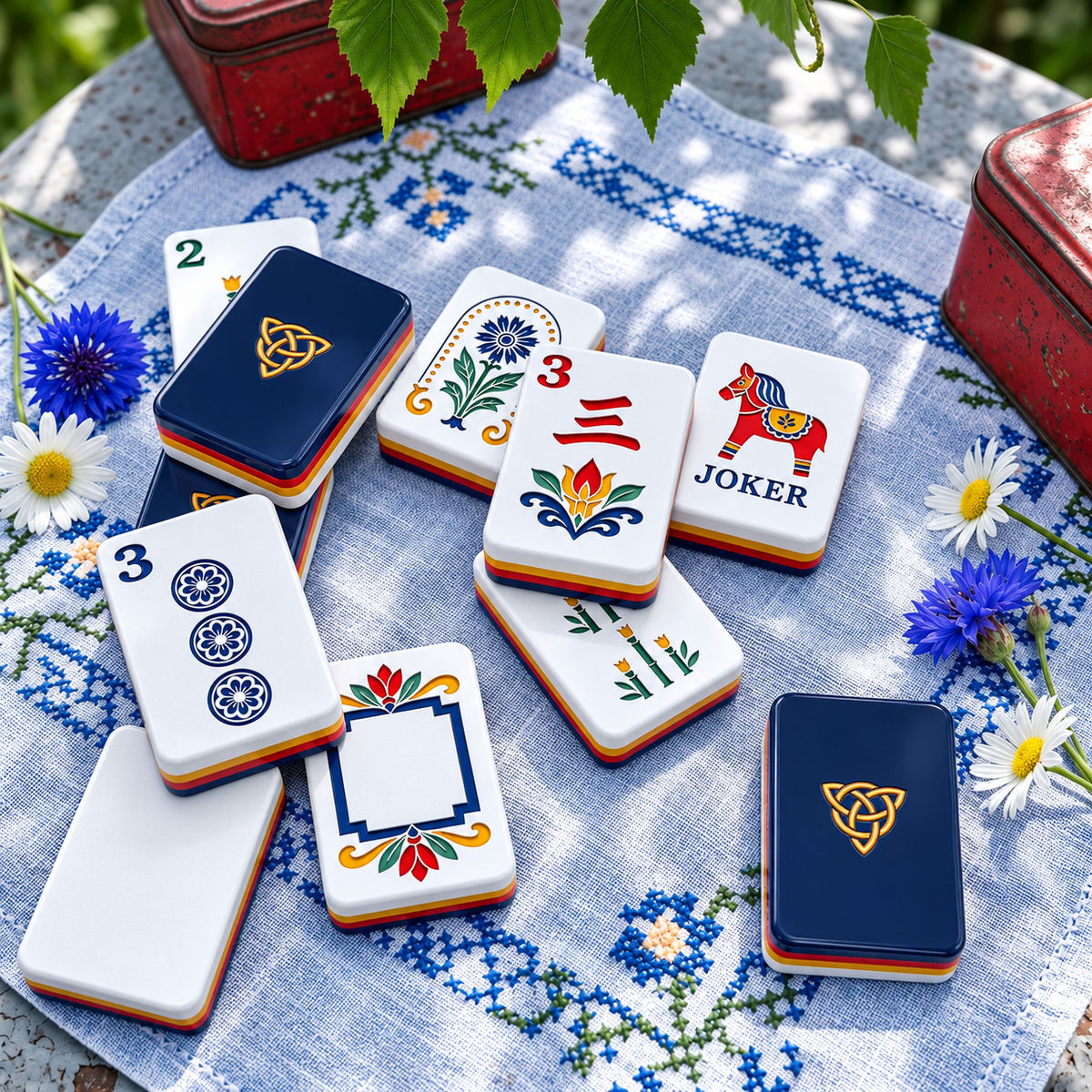
Western classical mahjong winning hands follow a fixed system of melds and one pair. A hand wins when exactly 14 tiles form four melds (each three or four tiles) plus one pair. Unlike how to play American mahjong, which restricts melds to pungs, kongs, quints, and sextets only from the current year's card, classical mahjong permits chows (sequences) alongside pungs and kongs. Jokers function differently too: western classical often has none, or uses them sparingly as wild tiles. The fundamental rule remains: memorize meld patterns and recognize them instantly. Most hands take 10–15 draws to complete; timing and strategy matter as much as pattern knowledge.
What are the four core melds in classical mahjong?
A pung is three identical tiles (three 5 Craks, for example). A kong is four identical tiles (four North Winds). A chow is three consecutive numbers in one suit—for example, 3 Bam, 4 Bam, 5 Bam. A pair is two identical tiles; every winning hand must have exactly one. These four types combine into dozens of named patterns, each worth different point values. Recognizing each meld instantly during play—before your opponent calls—separates skilled players from learners.

How do chows differ from American mahjong melds?
American mahjong strictly forbids chows: you can expose only pungs (three identical), kongs (four identical), quints (five identical with one joker), and sextets (six identical with two jokers). Classical mahjong embraces chows as core melds. A chow requires three consecutive numbers in the same suit; 1 Bam–2 Bam–3 Bam works, but you cannot skip numbers or mix suits. This rule opens hundreds of hand combinations unavailable in American play. Many players switching from American to classical mahjong struggle because they instinctively reach for non-consecutive combinations, which never form legal melds in classical rules.
What does a complete classical mahjong hand look like?
A winning hand contains exactly four melds and one pair (14 tiles total). Example: Pung (three 3 Dots), Chow (4 Crak–5 Crak–6 Crak), Kong (four White Dragons), Pung (three North Winds), Pair (two Red Dragons). Each hand follows this template; no exceptions. When you draw your 14th tile and it completes a meld or pair, you declare "Mahjong" and win the round. The position of each meld (which meld was completed, which tile triggered it) and whether you drew it yourself or claimed it from another player affect your score under classical point systems.
Which winning patterns score highest?
Classical mahjong names roughly 200 standard patterns; each carries base points that multiply based on circumstances (self-drawn vs. claimed, presence of bonuses like honor tiles or all terminals). A "chow hand" (all chows, no pungs) scores differently from a "pung heavy" hand. "All terminals" (only 1 and 9 in each suit, plus honors) ranks among the highest-scoring patterns but is rare. "Dragon pung" (a pung of any dragon) adds bonus points. "Wind of the round" (a pung matching the prevailing wind) multiplies your score. Point values vary by region and ruleset, but the hierarchy remains: hands combining rare tiles, honor tiles, and restrictive patterns score more. Beginners should drill 30–40 common patterns before worrying about point maximization.

Why do table players use a scoring card for classical mahjong?
Unlike American mahjong, which relies on the yearly National Mah Jongg League card, classical mahjong uses a regional scoring reference (Hong Kong, Japanese Riichi, Chinese Standard) because patterns and point multipliers vary. A scoring card or chart lists each pattern, base points, and applicable bonuses. Experienced players memorize most patterns, but keeping a reference at the table saves disputes and accelerates learning. The card itself never changes year to year—it is the standard for that regional variant. When you are new, consulting the card before declaring is normal and expected; rushing to declare without checking is a common beginner error.
Comparison: American Mahjong vs. Classical Western Winning Hands
Aspect | American Mahjong | Classical Western Mahjong |
Melds allowed | Pungs, kongs, quints, sextets only | Pungs, kongs, chows (3 consecutive) |
Hand structure | 4 melds + 1 pair from yearly card | 4 melds + 1 pair (fixed pattern memory) |
Jokers | 8 jokers in play; allowed in most melds | 0–2 jokers; rare, regional variation |
Pair rules | Cannot contain joker, cannot be a single tile | Cannot contain wild tile; must be identical |
Pattern source | Current year National Mah Jongg League card | Regional ruleset (unchanged year to year) |
Sequences (chows) | Never permitted | Core meld type |
Typical hand time | 8–10 draws average | 10–15 draws average |
New player focus | Learn card sections and call mechanics | Memorize ~40 beginner patterns |
🀄 Shop best-selling mahjong sets →
What common mistakes do beginners make when chasing classical patterns?
The most costly error is declaring "Mahjong" one tile too early—you grab the wrong pair or miscounted melds. Double-check: four melds + one pair = 14 exactly. Second: confusing which tiles complete a hand. If you hold 2 Bam–3 Bam–4 Bam and draw a 1 Bam, you now have a chow waiting to be formed; you cannot call it until you physically have all three. Third: forgetting that a chow must run in order and in one suit. 1 Bam–2 Bam–3 Dot is illegal; 1 Bam–2 Bam–3 Bam is legal. Fourth: failing to track discards and honors. Keeping a "dead" pair (two tiles of a suit when that suit has only four copies and two are already on the table) wastes tiles. Fifth: not listening when opponents claim tiles, so you do not know which patterns remain possible. The sharpest players track every discard mentally, narrowing their own options and adjusting strategy in real time.
🎁 See our most-loved mahjong sets & accessories →
How do you practice winning patterns until they become automatic?
Drill the core 40 patterns using a scoring reference and spare tiles at home. Lay out each pattern with physical tiles; repeat 5–10 times until you see it instantly. Next, shuffle a deck and attempt to spot patterns in random 14-tile draws—do not look at a reference; force yourself to decide first, then check. Play with experienced players in low-stakes games; they will correct you gently and reinforce correct pattern recognition. Join a local mahjong club or community game at a library, community center, or cultural organization; most welcome learners and run house rules that teach patterns progressively. Record your mistakes (which patterns tripped you, which melds you misread) and practice those daily. Within 6–8 weeks of 2–3 hours per week, pattern recognition becomes muscle memory.
✨ Find your Mahstead set — free US shipping →
What to check before you buy a classical mahjong set
Verify your set has 152 playable tiles (no blanks mixed in), because classical mahjong uses the full standard tile count. Check that tiles are large enough to grip comfortably during long games (roughly 1 inch × ¾ inch is standard). Confirm all suits are complete: three suits (Bam, Crak, Dot) numbered 1–9 with four copies each, four winds, three dragons, one flower set per suit, and no excess jokers clogging your draws. Test the tile weight: too light and they slip; too heavy and your hands tire. If you play with mahjong mats and racks with pushers, ensure the mat has clear zones for discard piles and your rack holds tiles securely without flipping. A well-made set, mat, and rack system keeps the game flowing and lets you focus entirely on patterns and strategy, not managing loose tiles.

FAQ
Can I use the American mahjong card to play classical western mahjong?
No. The American card lists patterns valid only for American mahjong rules; most include quints and sextets (which classical mahjong does not use) and forbid chows (which classical mahjong requires). Use the regional scoring chart for classical variants—Hong Kong, Japanese Riichi, or Chinese Standard—depending on your table's ruleset.
If I draw two identical tiles at once, do I have a pair?
Only if they are truly the same (two 5 Craks, for example). A pair must be identical in suit and number. Honor tiles work the same way: two North Winds form a pair; North and East do not. You need exactly one pair in a winning hand, and it does not count toward your four melds.
What happens if someone calls "Mahjong" but their hand is wrong—say, only three melds instead of four?
That is a dead hand or a false win, depending on house rules. Most classical tables penalize the false declarer (they pay extra points to all players) and the hand ends immediately. Some house rules force the false declarer to sit out the next round. Always count twice before declaring; a false win is worse than a delayed win.
How many tiles should I keep in my hand while waiting for a chow?
Keep only tiles that contribute to your current melds or potential melds. If you are building a chow of 3 Bam–4 Bam–5 Bam, keep those three tiles and any other melds in progress; discard anything that does not fit. Hoarding "safe" tiles wastes space and forces you to discard recklessly later, tipping off opponents to your patterns.
Is there a "safer" pattern for beginners to chase first?
Yes. All-pung hands (no chows, only pungs and a pair) are simpler because you need only remember identical tiles, not sequences. Dragon pungs and wind pungs are common. Once you win three to five all-pung hands easily, add one chow to your target patterns, then progress to mixed hands. This ladder approach builds confidence and pattern memory without overwhelming you.
What is the difference between a chow of 1–2–3 and a chow of 8–9–1 in the same suit?
Only 1–2–3, 2–3–4, and so on work. An 8–9–1 sequence is illegal because you cannot wrap around: 1 comes after 9 in a circular sense, but classical mahjong treats suit numbers as a straight line 1–2–3–4–5–6–7–8–9 only. If you hold 8 Bam, 9 Bam, and 1 Bam, you have three separate tiles, not a chow.


View More
View More
View More
