
What to Serve at Mahjong: Food, Drinks & Setup Guide
Last updated: Nov 23, 2026
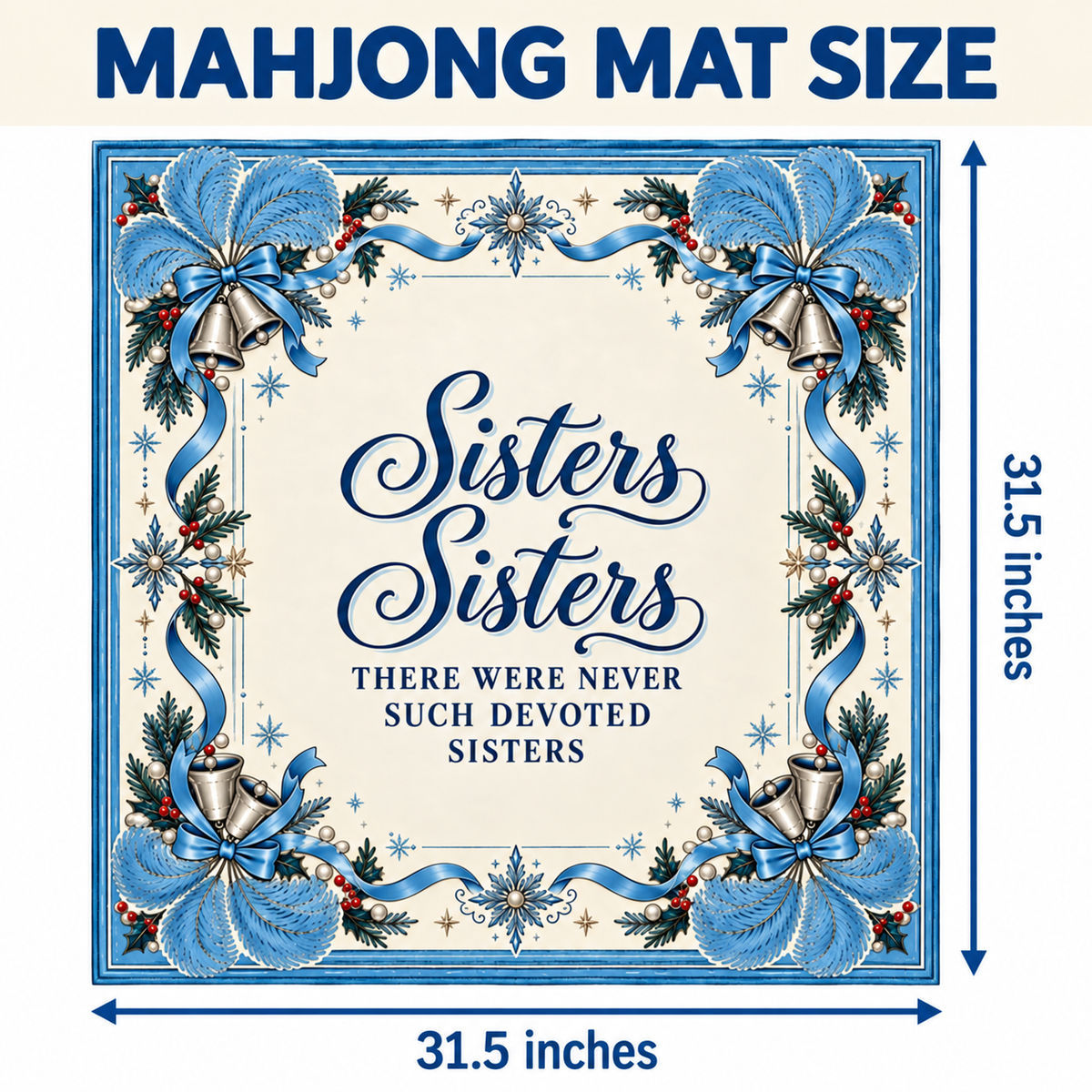
Serving food and drinks at mahjong is about striking a balance: offer easy-to-eat items that won't stain tiles or hands, keep beverages in designated spots away from play, and stock plenty of napkins and hand wipes. Salty or greasy finger foods (nuts, chips, popcorn) should sit on a separate side table; sweet treats like cookies and fruit work well because they're less likely to transfer oils to tiles. Non-spill drinks in lidded cups—water, tea, coffee, soda—work better than open glasses. Set up a hand-washing station or keep wet napkins nearby. Most players appreciate light refreshments that don't disrupt the pace of play; a game typically runs 45 minutes to over an hour per hand, so plan accordingly. The best-selling mahjong sets deserve a clean playing surface, so a dedicated mahjong mat creates a natural boundary between eating and gaming zones.
How do you keep food from damaging tiles and mats?
The cardinal rule: eat before you handle tiles, or nibble after your hand is discarded. Oil, salt, and moisture are tile enemies. We recommend designating a snack table at least arm's length from the playing surface—far enough that reaching for food means stepping away from active play. Use lint-free napkins; paper towels shed fibers that stick to acrylic tiles. Keep hand wipes (unscented, alcohol-free) on the mat itself so players can dry fingers between turns. A mahjong mat designed with a raised bumper edge naturally catches crumbs and contains spills, making cleanup easier and protecting your playing surface from permanent staining.

What foods work best for a mahjong game?
Choose items that are mess-minimal and won't linger on fingertips. Fresh fruit (grapes, berries, melon cubes) and vegetables (carrots, bell peppers, cucumber slices) require minimal handling and are naturally low-oil. Cookies, brownies, and pastries work if served with forks. Cheese cubes on toothpicks keep hands clean. Crackers paired with dips tend to create crumbs—serve them sparingly or on the side table only. Nuts and chips are social favorites but a tile hazard; if you must offer them, place them strictly away from the mat. Avoid anything sticky (caramel, chocolate hands), heavily spiced (red dust on fingertips), or wet (watermelon juice transfers instantly to tiles). Small sandwiches or wraps work for longer sessions. Most tables report that light, simple finger foods keep energy up without constant hand-wiping breaks.
What beverages keep the game moving safely?
Water is the safest bet—thirst is real during intense play, and water won't stain if accidentally spilled. Tea (hot or iced) and black coffee are fine if served in mugs with lids and saucers. Soda and juice in cans or bottles with twist-tops work well for casual home games. Avoid drinks you have to hold to sip; lids are essential. Set up a drink table parallel to but separate from the play mat—not behind it where reaching across the table risks a spill into the game. A rule we use: drinks must have a lid and a coaster. Open glasses of water or wine are the fastest route to a ruined mat or, worse, a damaged best-selling mahjong set. Alcohol slows decision-making and steadiness; if wine or beer is offered, pace it and keep hydration high. For games lasting two or more hours, offer water refills every 30–45 minutes.
Beverage Type | Container | Spillage Risk | Best Practice |
Water | Bottle with cap or lidded mug | Low | Leave on side table; refill frequently |
Coffee/tea | Lidded mug with saucer | Low–medium | Keep on coaster away from play zone |
Soda/juice | Canned or bottle with twist-top | Low–medium | Place on coaster; never open cups |
Wine/beer | Glass with hold-steady base | High | Separate table only; one per player |
Smoothie/thick drinks | Lidded cup | Medium | High sugar residue if spilled; use straw |
How should you arrange a mahjong hosting space?
Divide your space into three zones: the play area (mat and racks), a refresh zone (snacks and drinks), and a social area (seating for spectators or waiting players). If you host regularly, invest in a mahjong mat that defines the playing surface clearly—players instinctively respect boundaries when the mat edges are visible. Position the snack and drink table perpendicular to the mat, not in a walkway where traffic backs up. Lighting matters: position a lamp so glare doesn't hit the tiles and players can read the National Mah Jongg League card clearly. If you're hosting a regular group, consider travel bags or cases for quick storage and transport—they protect your set between sessions. A trash bin for napkins, crumbs, and small debris keeps cleanup immediate. Set an air temperature around 70°F; players stay alert and don't sweat onto tiles. Allow at least 3–4 feet around the table for players to sit comfortably and stand for restroom breaks.
🎁 See our most-loved mahjong sets & accessories →

What are common hosting mistakes to avoid?
Mixing food and play. We've seen entire games derailed because someone set a plate of cookies directly on the mat. Enforce the rule: snacks go to the side table.
Using open beverages. Open glasses of water, wine, or juice sitting near tiles are an accident waiting to happen. Lids and coasters are non-negotiable.
Skipping hand wipes. A box of napkins isn't enough. Keep alcohol-free wipes or a damp cloth folded on the mat so players can dry hands quickly between turns without breaking flow.
Inadequate lighting. Dim lighting leads to misreads of the tile count and card, which delays the game and frustrates players. Overhead light plus a side lamp is standard.
Overcrowding the play table. If the mat and racks with pushers are crammed onto a small surface, players bump drinks and lean into the play zone. A table at least 36–40 inches across prevents collisions.
Not planning for longer games. A single hand takes 45 minutes to over an hour. For a full session (three or four hands), plan two snack cycles and a full drink refill between hands.
🀄 Shop best-selling mahjong sets →
What should a beginner know about hosting their first game?
Your first mahjong night doesn't need catering—simple and contained is better. Set expectations with your guests in advance: "We're playing American mahjong; it's about two hours, and I'll have water and light snacks." Stock your space before anyone arrives—snacks plated, drinks chilled, a mat laid out, and racks with pushers positioned at each seat. Keep a printable copy of the mahjong rules and the current year's National Mah Jongg League card handy; new players always have questions mid-hand. If you're using a high-quality engraved mahjong set, mention it briefly—players who've invested in acrylic sets often appreciate the care. Have a damp cloth handy the first time; you'll be surprised how many times hands get wiped during a learning round. Most importantly, manage the energy: don't apologize for snacks or drinks, don't run the table like a tournament (this is social), and keep the first session to one or two hands so nobody's exhausted by rules confusion. A relaxed first game builds momentum for future weeks.
✨ Find your Mahstead set — free US shipping →
What to check before you buy hosting essentials
Mat choice: A mahjong mat should be large enough for your table and durable; look for reinforced edges and washable surfaces. Measure your table depth and width first.
Tile set condition: Before hosting, confirm all 152 tiles (plus spare jokers) are present and undamaged. A scratched or missing tile interrupts play and creates disputes about discards.
Racks and pushers: If your players use racks with pushers, test them beforehand so everyone moves at the same speed and no one gets frustrated with a stuck pusher mid-game.
Storage: After your first game, store your set in a bag or case to protect it from dust and damage between sessions.

FAQ
Can I serve alcohol at a mahjong game?
Yes, but pace it. Alcohol slows decision-making and hand steadiness; offer it in moderation alongside plenty of water. Use glasses with wide, stable bases and keep them on a table away from the play mat.
What's the best snack for a long mahjong session?
Fruit, cheese, and crackers (served separately) sustain energy without leaving oily residue on hands. Avoid nuts and chips unless you have hand wipes readily available. For sessions over two hours, offer a snack refill between hands.
How do I protect my mahjong mat from spills?
Use a mahjong mat with washable material and raised edges. Keep drinks in lidded cups on a separate table and enforce a no-open-beverages rule on the play surface.
Should I provide napkins and hand wipes?
Absolutely. Stock lint-free napkins and alcohol-free wipes on or beside the mat. Players will use them frequently, especially if snacks are nearby. Change them out between games.
What if someone spills on the tiles?
Wipe immediately with a dry cloth, then a slightly damp cloth if necessary. Let tiles air-dry fully before storing. Acrylic tiles are durable, but prolonged moisture can weaken jokers and cause discoloration.
How much food should I prepare for four players?
Plan for light appetites during play—typically 1–2 small plates per person. Have fruit, cheese, and crackers in the main rotation, with extra snacks available if the session extends beyond two hours. Keep it simple so you're not constantly refilling.


View More
View More
View More
