
What to Look for in a Mahjong Table: Sizing, Surface & Setup
Last updated: Nov 23, 2026
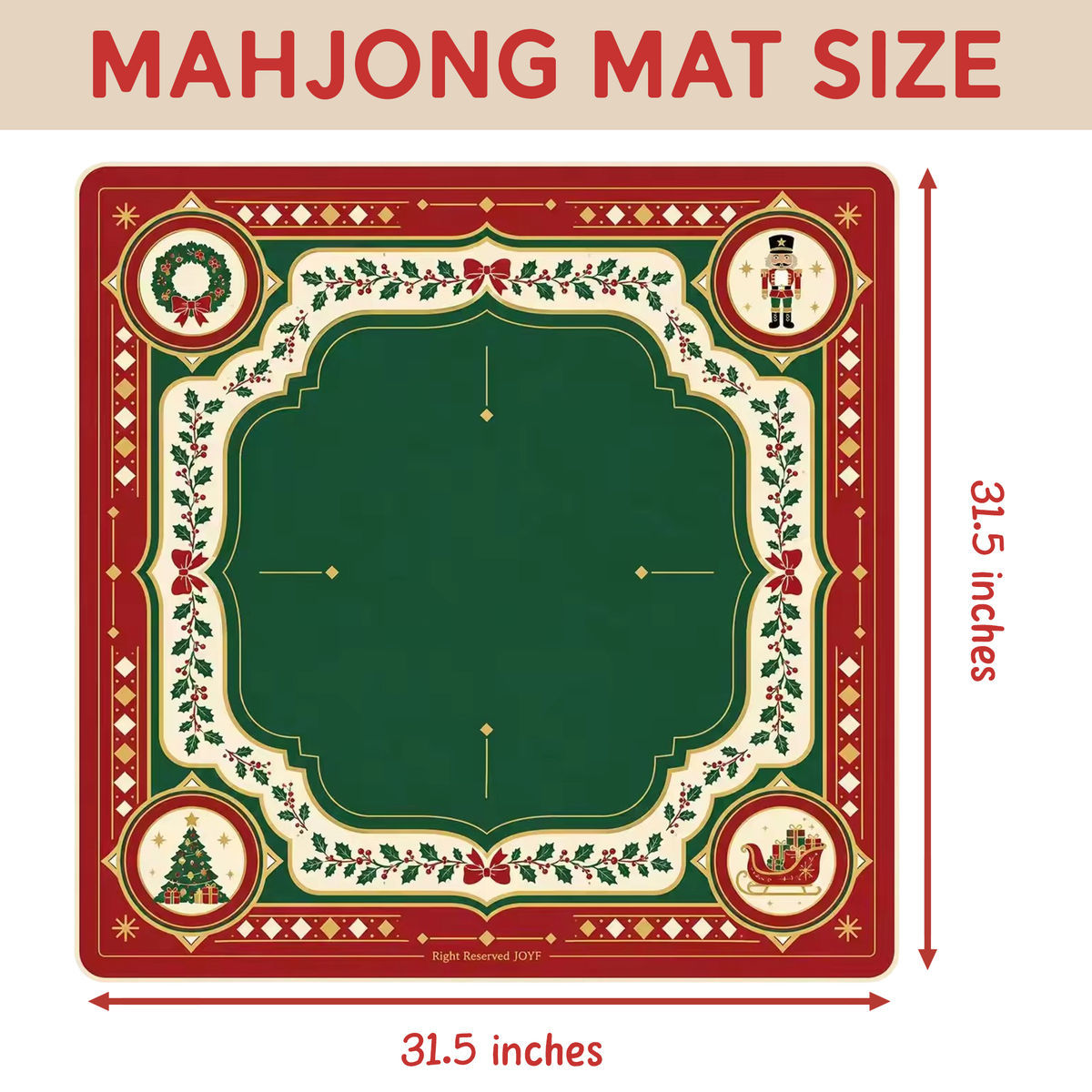
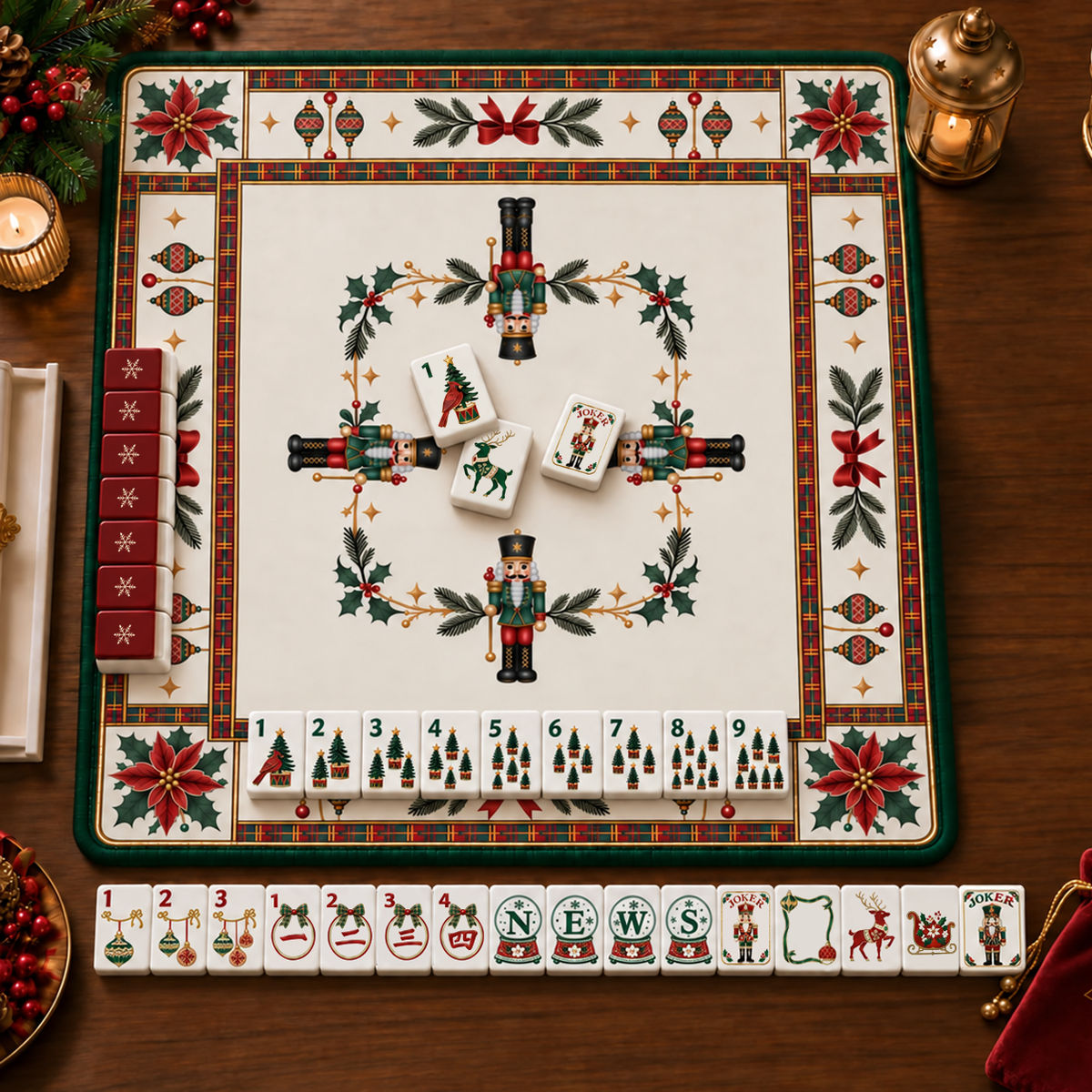
A mahjong table is a dedicated playing surface — usually 36–42 inches square with a raised rim — designed for four players seated comfortably at each side. Most are either permanent (wood frame, built-in felt or leather top) or portable (foldable metal frame with replaceable mat). The playing surface itself is typically felt, suede, or synthetic leather that grips tiles without sticking. When you're starting a game group or upgrading a home room, the choice depends on space, budget, how often you play, and whether you want to move it. A mahjong mat (laid over a standard dining table) costs less and takes up no permanent space; a dedicated table offers stability and a finished look. Either way, the surface must be smooth enough to slide tiles, textured enough to prevent slipping, and durable enough to handle weekly play without wear.
What size table do you actually need?
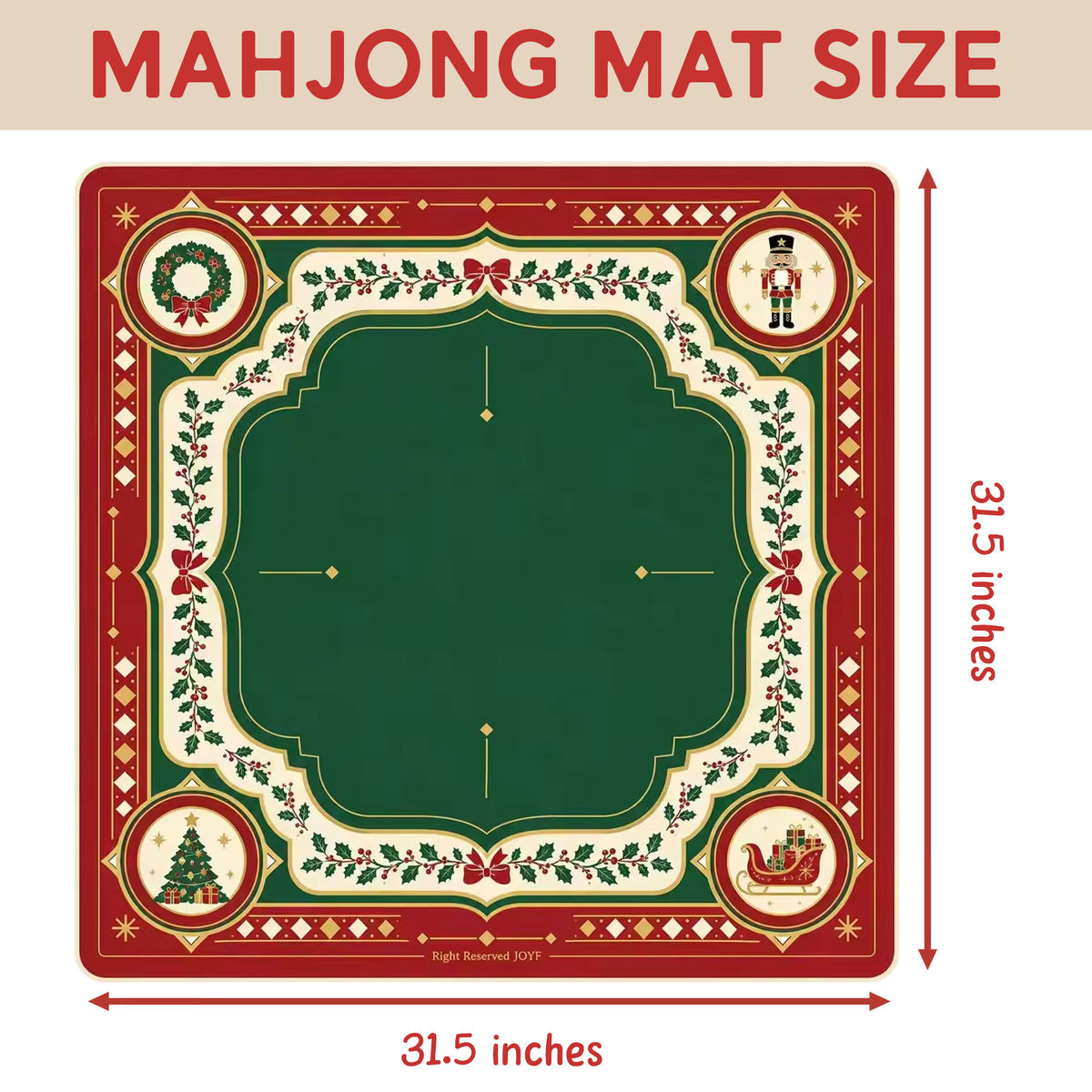
Most American mahjong tables run 36–42 inches square, which gives each player roughly 12–14 inches of elbow room and tile-laying space. If your room is under 10 feet square or you host at different homes, a foldable mat (typically 24–30 inches square) that sits on top of a standard dining table works better—it packs flat and ships easily. Measure your space diagonals first: you need enough room for players to sit without their chairs colliding, plus a foot or two of clearance on all sides for standing and moving.
Felt, suede or synthetic—which surface works best?
We've played on all three. Felt is budget-friendly, breaks in quickly, and grabs tile backs well—but it pills and shows wear after two years of weekly play. Suede feels premium, resists pilling, and looks professional longer, though it demands more careful cleaning and costs more upfront. Synthetic leather (often called "ultra-suede" or performance fabric) is the middle path: durable, easy to wipe, and forgiving of spilled drinks—it's what most Mahstead mats use. If you play twice a week or more, synthetic or suede outlasts felt by two seasons. Run your hand across a sample before you commit: the grip should feel firm, not slick.
Permanent table or portable mat—which fits your life?
Setup | Who it's for | Space needed | Best for |
Permanent wood table | Dedicated game room, weekly hosts | 5 × 5 ft minimum | Stability, appearance, no storage hassle |
Foldable frame table | Active players who move homes or co-host | 3 × 3 ft folded | Portability, quick setup in any room |
Mat over dining table | Casual players, limited space, renters | Existing table + wall storage | Low cost, dual-purpose furniture, easy moving |
A permanent table lives in one room and builds a tradition—your Friday night spot. A portable mat lets you carry mahjong to a friend's house or fold it away after each game. Most of us start with a mat, then upgrade to a table once we know we're committed.
🎁 See our most-loved mahjong sets & accessories →
What rim height and cup holders matter?
The rim (the raised edge around the playing surface) should be 1–2 inches tall—high enough to stop tiles from sliding off during a crowded hand, low enough that you can reach the center comfortably without leaning. Some tables have drink holders (usually in the corners); they're nice but not essential—many of us keep drinks on a side table instead. The rim also serves as a visual barrier between the playing area and your lap, which prevents accidental tile theft and keeps the zone clear. If you have hand tremors, arthritis, or tall players at your table, a slightly higher rim (1.5 inches vs. 1 inch) makes a real difference in confidence during play.
How do you avoid common setup mistakes?
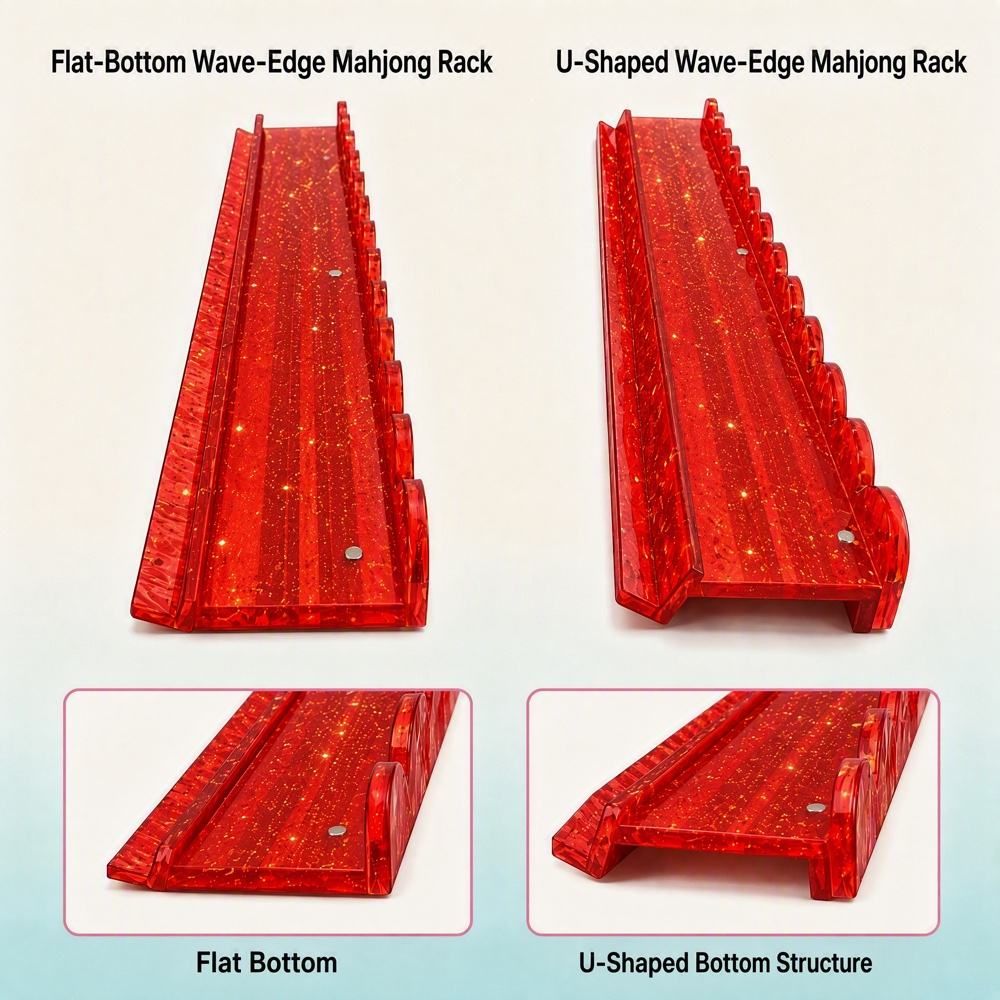
Lighting: Place the table where overhead light doesn't create glare on the tile faces—side lighting or adjustable spots work better. Seating: Chairs should be 16–18 inches tall so your elbows rest naturally on the rim. Surface prep: Wipe down a mat or table top before play to remove dust, which travels into tile racks and fouls the shuffling feel. Joker storage: Keep spare jokers and racks with pushers within arm's reach—not in a bag under the table. Vibration: Avoid tables on thick carpet if possible; a thin rug under the legs steadies it better and lets tiles slide evenly.
🀄 Shop best-selling mahjong sets →
What should you check before you buy?
Measure your actual space (including chair depth) and note the table's outer dimensions—not playing surface size.
Test the surface texture on a sample or video: slide a tile across it to confirm grip.
Check weight and folding mechanism if portable: can you lift and fold it solo, or do you need a second person?
Verify rim height and cup holders match your group's needs—some players need stability, others prioritize minimal obstruction.
Ask about warranty or return policy on permanent tables; mats usually can't be returned once used.
Confirm what's included: does a mat come with a carrying bag? Does a table come with a cover?
Budget for accessories: mahjong bags and cases for tile storage, felt or microfiber cleaner, and a protective cover if you're not using the table every day.
Many of us pair a mat with a best-selling set we love, then add a permanent table later once the game becomes weekly habit. Start with what fits your home and calendar now; you can always upgrade.
✨ Find your Mahstead set — free US shipping →
FAQ
Is a mahjong mat the same as a tablecloth or table cover?
No. A mat has a textured, grip-optimized playing surface bonded to a base; it's designed for tile handling. A tablecloth or cover is decorative fabric that doesn't grip tiles and often slides around. Mats stay in place and are purpose-built for gameplay.
How do I know what playing surface to choose if I've never felt one?
Watch videos of tiles being shuffled on each surface type—you'll see the grip difference immediately. Ask local game groups if you can touch their tables. Order a sample swatch if the seller offers one. Synthetic leather is the safest first choice: durable, easy to clean, and forgiving.
Can I use a regular card table with a mahjong mat on top?
Yes, as long as the card table is sturdy (doesn't wobble when tiles are pushed) and the mat lies flat without bunching. Check that the mat's dimensions overhang the table evenly by at least 1–2 inches on all sides so it doesn't shift during play.
How often should I clean my mahjong table or mat?
Wipe the playing surface before each game session with a dry microfiber cloth to remove dust and tile residue. Once a month, use a slightly damp (not wet) cloth with a gentle tile-safe cleaner. Never soak a mat or expose permanent table felt to water.
What's the difference between a foldable mahjong table and a mat?
A foldable table has its own frame and playing surface—you set it up standalone. A mat is placed on top of an existing table. Foldable tables are heavier, more stable, and store flat; mats are lighter, pack smaller, and turn any dining table into a mahjong surface.


View More
View More
View More
