
Mahjong in Philippines Culture: History, Play & Today
Last updated: Nov 23, 2026
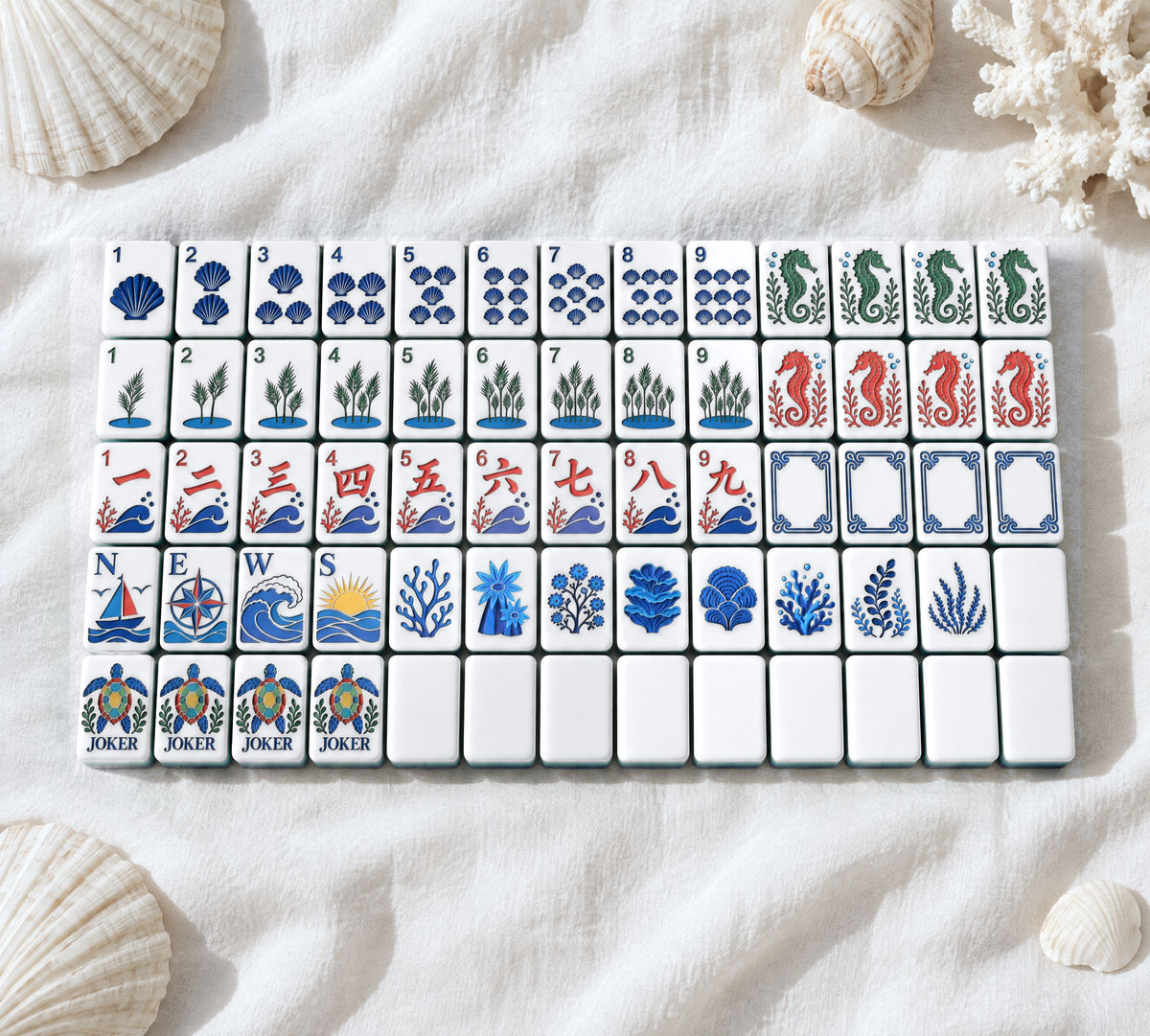
Mahjong arrived in the Philippines in the 1920s–1930s through Chinese immigration and merchant networks, embedding itself in urban and rural social life alike. Filipinos adapted the game across regional preferences: American mahjong dominates in Manila and urban centers (especially among women's weekly groups), while Chinese mahjong and tile variants thrive in Cebu, Davao, and communities with strong Hokkien ties. A typical Filipino game lasts 2–4 hours; players gather weekly or monthly, stakes ranging from purely social to modest betting. The game includes best-selling mahjong sets of 152 playing tiles plus jokers, or regional variants with different tile counts and rules. Avoid buying incomplete or low-quality acrylic sets that yellow or crack; invest in durable, clearly engraved tiles if you play regularly. Mahstead ships acrylic American mahjong sets with free US shipping, and many overseas Filipino players order for home games or to send relatives in the Philippines.
How did mahjong become part of Filipino culture?
Mahjong entered the Philippines through Chinese business communities in the 1920s and 1930s, initially concentrated in Manila's Chinatown and ports. The game spread rapidly as a social pastime, transcending ethnic boundaries; by mid-century it was woven into Filipino middle-class and elite leisure culture. Family gatherings, barrio celebrations, and women's weekly circles made mahjong a marker of hospitality and social standing. Over a century, the game shed its foreign label and became distinctly Filipino—adapted with house rules, regional preferences, and local betting customs. Today, mahjong is taught to children in some families as a legacy tradition and a mental exercise, cementing its place in Philippine identity.

Which mahjong variants do Filipinos play most?
Filipino players engage three main variants simultaneously across different regions and age groups. American mahjong dominates Metro Manila and urban centers, especially among women aged 40–70 who gather weekly using the National Mah Jongg League card (issued annually in spring); players learn standard four-player rules and rely on printed hand guides. Chinese classical mahjong thrives in Visayas and Mindanao communities with strong Hokkien heritage; it uses 144 tiles, allows chows (sequences), and features different winning conditions and scoring. Filipino house mahjong blends both with local rules—modified tile counts, unique hand types, accelerated play, or side games—varying by neighborhood or family tradition. A player in Quezon City might join an American game Monday evening, then switch to Chinese tiles at a Cebu relative's home; understanding the variant before sitting matters, or ask the organizer which rules govern that session. The contrast drives social flexibility: American play is standardized and taught from cards; Chinese play relies on memorization and experience; Filipino house rules reward adaptability and local knowledge.
What role does mahjong play in modern Filipino gatherings?
Mahjong remains a cornerstone of Filipino social ritual despite smartphones and online gaming. Weekly women's circles (often called mahimayin or mahjong nights) meet in homes, community centers, or restaurants; these gatherings are as much about conversation, snacks, and life updates as tiles. Family reunions and fiestas feature multigenerational tables—grandmothers teaching teenagers, cousins arriving home specifically to play. Employer or neighborhood groups organize monthly games, blending leisure with subtle bonding and modest stakes. Charity tournaments and women's club fundraisers use mahjong as the draw. A 2010s trend saw café mahjong spaces open in Manila and Makati, targeting younger players seeking structured, social play outside home. The game persists because it demands sustained attention (no multitasking once dealt), requires no expensive equipment by comparison to other leisure pursuits, and accommodates all ages and income levels at the same table. Unlike cards, which deal in seconds, a mahjong game unfolds over hours, creating rhythm and conversation space that modern life rarely offers.
🀄 Shop best-selling mahjong sets →

How do regional differences shape Filipino mahjong play?
Filipino mahjong fractures into regional schools based on trade routes, immigration patterns, and family tradition. Metro Manila and urban Luzon (Quezon City, Makati, Cavite) favor American mahjong with strict adherence to the National League card; players are often more competitive, score-focused, and willing to pay modest buy-ins. Visayas (Cebu, Iloilo, Bacolod), with deeper Hokkien networks, maintain Chinese classical mahjong; games are slower, more ceremonial, and players carry personal tile sets passed through families. Mindanao (Davao, Cagayan de Oro) blends both, with younger players learning American first and older players anchored in Chinese variants. Provincial towns tend toward house rules: modified tile counts (some use 144, some 160), unique hand combinations unknown in Manila, or accelerated play favoring luck over strategy. A Filipino moving from Cebu to Manila must ask which mahjong—not just when and where. Understanding the regional default prevents awkward mismatches: buying a 152-tile American set for an aunt in a Visayas town where 144-tile Chinese dominates means you've bought the wrong equipment, no matter the quality.
Region | Dominant Variant | Tile Count | Tempo | Table Skill Level | Set Type to Bring |
Metro Manila | American | 152 + 8 jokers | Moderate | High (card strategy) | Acrylic American with jokers |
Cebu / Visayas | Chinese classical | 144 | Slow | High (memorized hands) | Bone/bamboo Chinese set |
Davao / Mindanao | Mixed (American + Chinese + house rules) | 144–160 | Fast | Medium | Dual-variant or regional preference |
Provincial towns | House rules (varied) | Variable (136–160) | Variable | Low to medium | Local recommendation first |
What equipment do Filipino mahjong players use and prefer?
Filipino players operate across a spectrum of equipment quality and origin. High-end home players (Manila, Makati professionals) often own bone or bamboo sets imported from Hong Kong or Taiwan, or acrylic sets with clear engraving and smooth pushers; many have ordered custom engraved American sets from overseas suppliers, including best-selling mahjong sets for durability and customization. Regular weekly players favor mid-range acrylic sets that resist humidity (common in tropical Philippines) and discoloration from sun and moisture; tiles that yellow or stick signal a poor investment. Casual or traveling players carry compact bags with lightweight tiles, often purchased abroad or gifted by relatives in the US or Canada. Provincial and fiesta play sometimes uses older plastic or bone sets decades old, passed through families and worn smooth. New players or gift-givers often misjudge: buying a low-cost plastic set expecting durability leads to peeling tile faces or warped racks within two seasons. Filipino weather—heat, humidity, occasional flooding—demands acrylic or bone; plastic warps and paper-faced tiles blur. A player in Manila humidity who invests in engraved American mahjong sets with durable acrylic and clear pushers reports years of reliable play. Mats, racks with pushers, and carrying cases are equally essential in the Philippines: a good mahjong mat protects the table (important in shared family homes), racks with pushers reduce hand fatigue during long sessions, and travel bags let players carry sets to regular venues without damage.
🎁 See our most-loved mahjong sets & accessories →
What to check before you buy for Philippines play:
Tile clarity in bright light – Philippine sun bleaches dull finishes; test engraved vs. stamped tiles for readability outdoors.
Acrylic durability – Check product descriptions for UV-resistant or matte finishes that hide scratches better than glossy.
Rack and pusher fit – If ordering overseas, confirm pusher style matches your preferred tile-pushing technique (smooth slide vs. click-and-hold).
Humidity tolerance – Ask sellers if the set has been stress-tested in tropical conditions; bamboo and bone warp; acrylic stays stable.
Joker count – American sets use 8 jokers in play; confirm your local variant doesn't call for extras before buying spare tiles.
Shipping to/from Philippines – If mailing a set home, use tracked international mail and insure; acrylic withstands transit better than bone.
✨ Find your Mahstead set — free US shipping →

FAQ
Is American mahjong or Chinese mahjong more popular in the Philippines today?
Both thrive in different circles. American mahjong dominates Metro Manila and urban women's groups; Chinese mahjong anchors Visayas communities and older players. Younger Filipinos often learn American first, then may encounter Chinese at family gatherings in the provinces. Ask the organizer which variant before joining a new game.
Can I use the same mahjong set for both American and Chinese play?
No. American uses 152 tiles (three suits numbered 1–9, winds, dragons, flowers, jokers); Chinese classical uses 144 tiles (suits, winds, dragons, flowers—no jokers, no blanks) and different winning hands. Mixing sets causes confusion and rule disputes. Buy or borrow the correct variant for your group.
What's a typical mahjong game cost or stake in the Philippines?
Social games (family, friends) involve no money or tiny bets (₱10–50 per hand, informal). Weekly women's circles may bet ₱50–200 per game depending on the group's tradition. Fundraiser tournaments set fixed entry fees. Always confirm stakes before sitting; they vary widely by venue and player group.
Where should I buy a mahjong set if I'm in the Philippines or buying to ship there?
Local sets exist in Manila's Chinatown and sporting goods shops, often Chinese-import with limited selection. Ordering from US-based suppliers with free US shipping (like Mahstead) costs more but arrives in 2–3 weeks; acrylic sets withstand humidity better than plastic. Get recommendations from your local group for regional favorites.
How do I learn the house rules for a new Filipino mahjong group?
Arrive early, watch one hand without playing, and ask the most senior player to walk you through the hand at the start. Most groups expect beginners to ask; silence is mistaken for knowledge. Carry a small notebook to jot uncommon hand names or scoring quirks. Respect the group's rules over what you learned elsewhere—adaptability is part of Filipino mahjong culture.


View More
View More
View More
