
Malaysian vs. Filipino Mahjong: Key Rules & Differences
Last updated: Nov 23, 2026
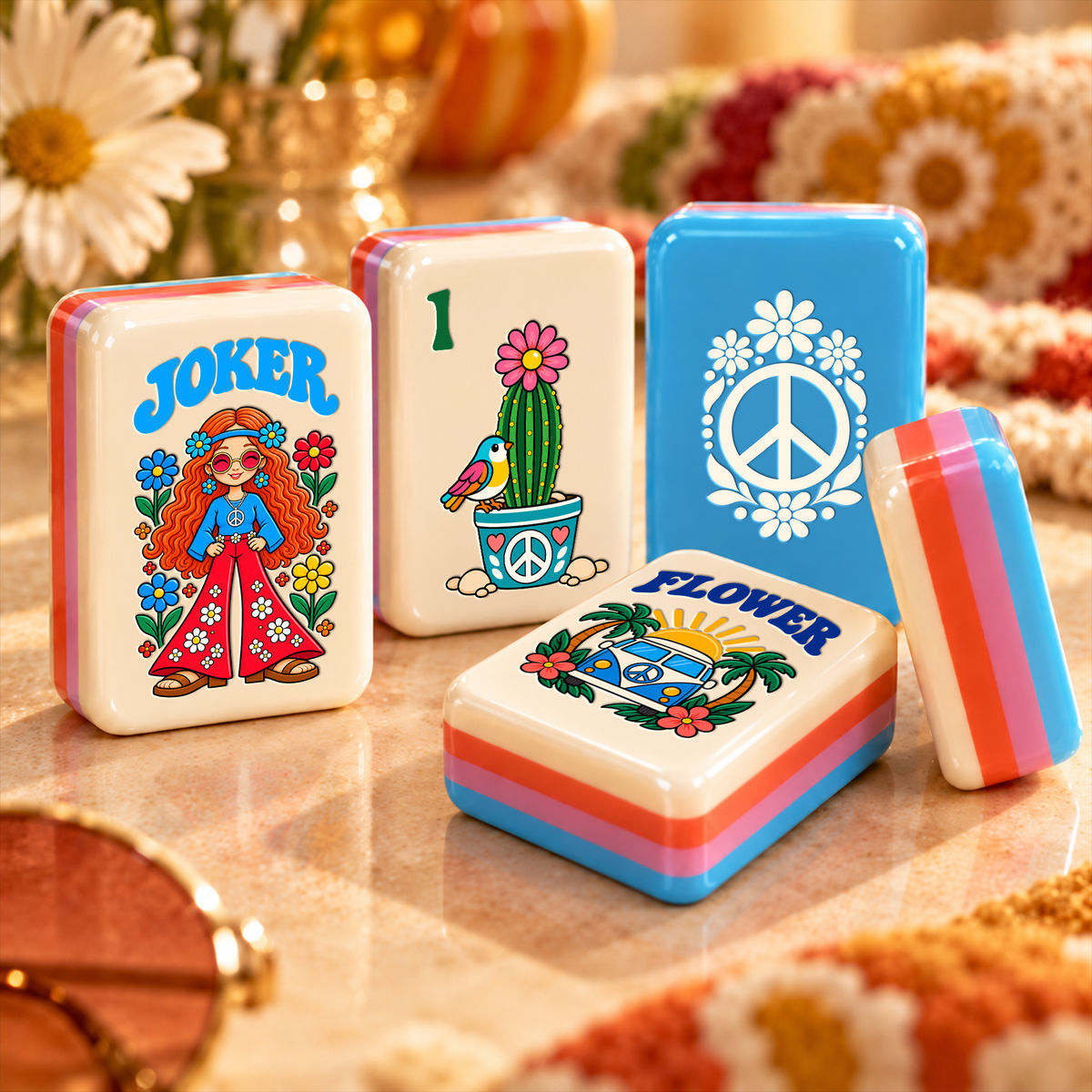
Malaysian mahjong (also called Malay mahjong) uses a 108-tile set with no honor tiles—only Bams, Craks, and Dots numbered 1–9 in four copies each—and relies heavily on sequences (chows). Filipino mahjong, the most popular variant in the Philippines, typically uses a similar 108-tile structure but often incorporates bonus tiles and unique patterns. The core difference: Malaysian play emphasizes quick, sequence-based melds with a focus on speed and simplicity, while Filipino mahjong introduces more complex hand combinations and regional scoring rules. Both games are played by four players, though house rules vary widely across clubs. Players new to either variant should learn local rules before joining a regular group, as scoring systems and calling conventions differ substantially from American mahjong and from each other. We recommend checking community centers, libraries, or cultural organizations in Malaysia or the Philippines to find established players who can teach authentic house rules for your area.
What tiles does Malaysian mahjong use?
Malaysian mahjong plays with 108 tiles: Bams, Craks, and Dots, each numbered 1–9, with four copies of each tile. There are no winds, dragons, flowers, or honor tiles—only the three suits. This stripped-down approach makes the game faster and easier to teach newcomers. Players draw and discard in rounds, forming melds (pungs, kongs, chows) on the table. The 1 Bam traditionally shows a bird, just as in American mahjong. The absence of honor tiles means the hand possibilities are more limited but the pace is quicker; many Malaysian players describe their game as "go, go, go" compared to the strategic depth of honor-tile variants.

How does Filipino mahjong differ from Malaysian?
Filipino mahjong typically uses 108 tiles as well, but the ruleset often includes bonus tiles (flowers and seasons) and unique winning hand patterns specific to regional play. While Malaysian mahjong prizes speed and simple sequences, Filipino mahjong encourages more elaborate combinations and hand patterns, sometimes with special names and higher payouts. Filipino clubs often adopt their own local scoring rules, making it crucial to ask the host for clarification before sitting down. Many Filipino games also allow "option play"—situations where you can choose to win immediately or pass and wait for a better hand—adding a psychological layer absent from Malaysian play. The two games share Southeast Asian heritage but have evolved into distinct regional expressions of the ancient game.
Can you play Malaysian and Filipino mahjong with the same tiles?
Technically, yes, if both games use the standard 108-tile set (three suits, 1–9, four copies each). However, hand patterns, calling rules, and scoring differ so much that mixing the rulesets mid-game creates confusion. A player trained in Malaysian sequences may not recognize a winning Filipino pattern, and scoring payouts are calculated entirely differently. We recommend clarifying which ruleset applies before drawing tiles. If you're hosting players from both regions, agree on one set of rules in advance—either play strict Malaysian (speed, sequences) or Filipino (complex patterns, options), but not both. This prevents disputes and keeps the game social rather than contentious.
What's the key difference in how you win?
Malaysian mahjong winning requires forming melds (three or four identical tiles, or sequences of three consecutive numbers in one suit) and declaring when your hand is complete. The winner is simply the first to complete a legal hand and call "Mahjong." Scoring is typically minimal or house-based. Filipino mahjong, by contrast, often awards bonuses for specific hand types, bonus tiles (flowers), and option plays; a player might pass a winning opportunity to pursue a higher-scoring combination. The psychological element—knowing when to take a sure win versus gambling for a bigger payout—is central to Filipino play. Malaysian mahjong is more mechanical; Filipino mahjong is more strategic and regional-rule dependent.

What equipment do you need for each game?
Both Malaysian and Filipino mahjong require the same basic setup: a tile set, a mat or table, racks (optional but helpful), and dice to determine the starting player. Because both games use 108 tiles, a standard American 160-tile set can be adapted—you'd simply set aside the winds, dragons, flowers, and jokers and play with the three suits only. However, many Malaysian and Filipino players prefer compact, purpose-built sets designed for their specific tile count and regional aesthetics. If you're hosting a regular Malaysian or Filipino game, investing in a dedicated set ensures you're never missing tiles and eliminates confusion about which tiles are "in play" for that night. Our best-selling mahjong sets collection includes versatile options that adapt to multiple variants; a quality mahjong mat and racks with pushers also speed up play and reduce table wear, especially if you host weekly.
🀄 Shop best-selling mahjong sets →
Aspect | Malaysian Mahjong | Filipino Mahjong |
Tile count | 108 (3 suits only) | 108 (typically + bonus tiles in house play) |
Honor tiles | None | None (core set), but flowers/seasons often added |
Sequences (chows) | Yes, heavily used | Yes, but less central |
Winning speed | Fast (goal is speed) | Variable (option play allows passes) |
Scoring system | Minimal or house-based | Bonus-heavy, region-specific |
Melds exposed | Pungs, kongs, chows | Pungs, kongs, chows, plus bonus combinations |
Psychological element | Low | High (option play, pattern choices) |
Typical game length | 20–30 minutes | 30–45 minutes |
How do house rules affect play in each region?
Malaysian mahjong is relatively standardized within Malaysia itself—most clubs follow similar speed-focused rules—but varies when played overseas. Filipino mahjong, by contrast, has dozens of regional micro-variations. One Manila club might award bonuses for three flowers; another might not count flowers at all. Bonus multipliers for consecutive wins (a player wins twice in a row), wall positions, and "robbing the kong" situations differ widely. Before joining any game, ask the host or organizer for a written list of house rules or a quick verbal walk-through. Pay close attention to: how bonus tiles are scored, whether you can pass a winning hand, how kongs are handled, and what happens if the wall runs out of tiles. Many disputes arise not from misunderstanding the basic game but from conflicting house rules—writing them down or agreeing verbally upfront saves embarrassment and keeps friendships intact.
🎁 See our most-loved mahjong sets & accessories →
Where can you learn or join a local Malaysian or Filipino game?
Start by searching community centers, cultural organizations, temples, and libraries in areas with large Malaysian or Filipino populations—major cities like Los Angeles, San Francisco, New York, Toronto, and Sydney have active clubs. Online meetup boards (Meetup.com, Facebook groups dedicated to your city + "mahjong") often list weekly games. Ask if the group is open to newcomers and whether they teach house rules. Many clubs have an entry fee or membership; some are casual and free. Before your first session, watch a few rounds or ask someone to explain the hand patterns specific to that group. Bring a notebook to jot down scoring rules and special combinations; most hosts are patient with new players, but showing up prepared earns respect. If no local group exists, you can start one by recruiting friends and learning together from YouTube tutorials or regional mahjong books (search "Malaysian mahjong rules" or "Filipino mahjong patterns" to find video guides and books specific to each region).
What to check before you buy
Tile count: Confirm the set has 108 tiles (or 144 if you want multiple game options). Avoid sets marketed as "universal"—they often lack the specific tile distribution needed for regional play.
Tile material: Acrylic and bamboo are durable for weekly play; bone and bamboo sets are traditional but require more care.
Visual clarity: Ensure the suit markings (Bams, Craks, Dots) are legible under your home lighting; engrave or label tiles if numbers are hard to read.
Storage: A sturdy bag or case protects tiles during transport and extends their life, especially if you move sets between homes or clubs.
Regional aesthetics: Malaysian and Filipino sets often feature different tile colors, back designs, or character engravings; buying a set that matches your regional style shows respect to your host group.
✨ Find your Mahstead set — free US shipping →

FAQ
Is Malaysian mahjong easier to learn than Filipino mahjong?
Yes, generally. Malaysian mahjong prioritizes speed and simple melds (sequences and pungs), making it approachable for beginners. Filipino mahjong layers on bonus-tile scoring, option plays, and region-specific patterns, which require memorization and strategic thinking. Start with Malaysian rules if you're new to non-American variants.
Can I play Malaysian mahjong with an American mahjong set?
Not practically. American sets have 152 tiles (winds, dragons, flowers, jokers); Malaysian uses only 108 (Bams, Craks, Dots). You'd spend time sorting out which tiles to exclude. Use a 108-tile set built for Malaysian play, or ask your host if adapting an American set is acceptable for casual games.
What's "option play" in Filipino mahjong?
Option play lets a player who has a winning hand choose to wait instead of declaring immediately, hoping to draw a tile that completes a higher-scoring pattern. It adds suspense and strategy. Not all Filipino clubs allow it—confirm with your host.
How do you win at Malaysian mahjong?
Form melds (pungs, kongs, or sequences) and declare "Mahjong" when your hand is complete. The first player to do so wins the round. Scoring is usually minimal or house-determined, unlike Filipino mahjong, which awards bonuses.
Where do I find the official Malaysian or Filipino mahjong rulebook?
Official rulebooks are rare; house rules dominate each region. Join a local club and ask the organizer for their written rules or watch demo videos on YouTube. Search "Malaysian mahjong rules tutorial" or "Filipino mahjong patterns guide" to find community-created resources.
Can I bring my American mahjong skills to Malaysian or Filipino games?
Only partially. Tile composition, hand patterns, and scoring differ completely. Your understanding of pungs and kongs transfers, but sequences (chows) work differently in Malaysian/Filipino play, and honor tiles are absent. Treat it as learning a new game rather than adapting an old one.


View More
View More
View More
