
Do You Need a Mahjong Table Cover?
Last updated: Nov 23, 2026
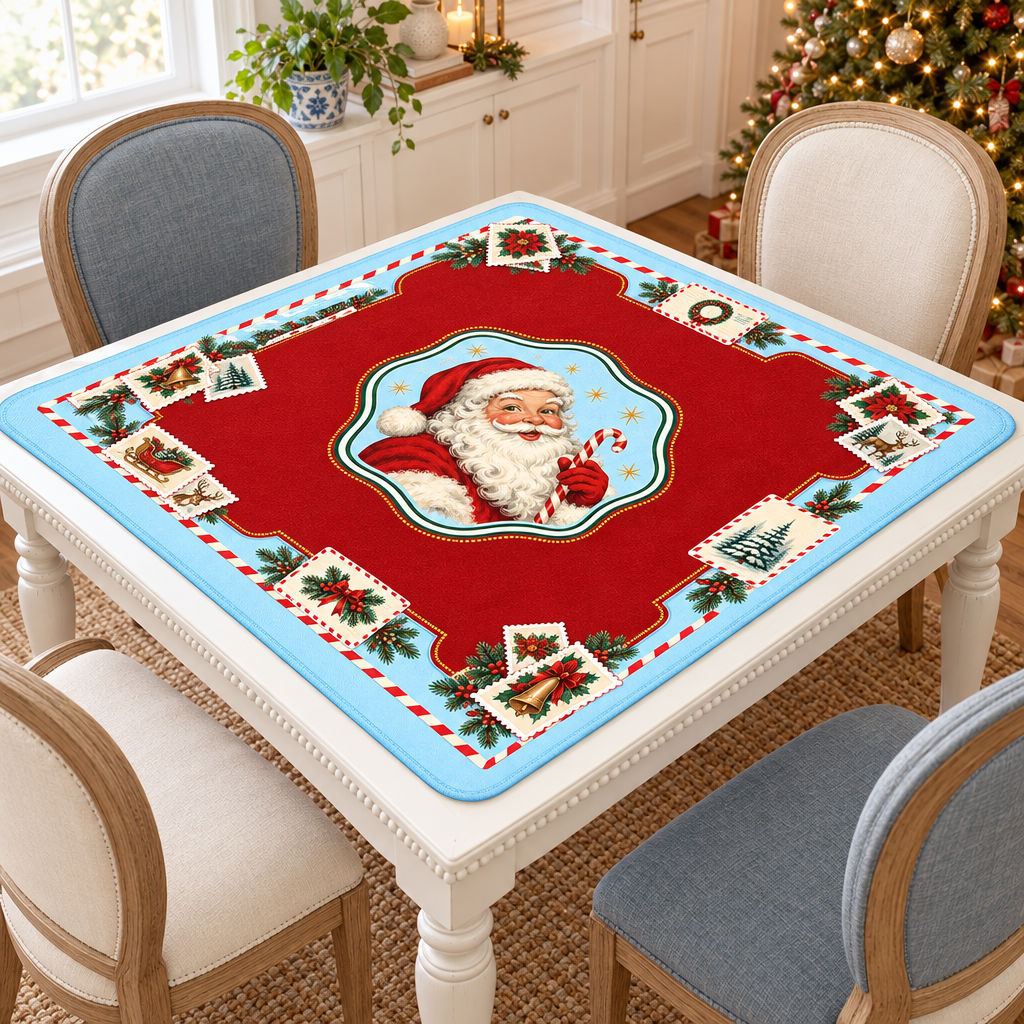
You don't need a table cover to play mahjong, but most of us at our weekly games use one. A cover protects your tiles, your tabletop, and your hands during long sessions; it also improves tile grip and reduces noise. The choice between a mat and a tablecloth depends on your setup: a mat stays put under play, grips your tiles, and suits serious players; a cloth cover works for casual games and protects furniture. Most players with engraved tiles or regular hosting duties invest in at least a basic mat from our mahjong mats collection. Cost and durability vary widely, so fit the choice to how often you play and whether you travel with your set. A mat typically lasts years if cared for; a cloth may need replacing more often.
A mahjong table cover isn't mandatory—but it transforms comfort, grip, and durability. Most of us at our weekly games use one. A cover protects your tiles, your tabletop, and your hands during long sessions; it also improves tile grip and reduces noise. The choice between a mat and a tablecloth depends on your setup: a mat stays put under play, grips your tiles, and suits serious players; a cloth cover works for casual games and protects furniture. Most players with engraved tiles or regular hosting duties invest in at least a basic mat from our mahjong mats collection. Cost and durability vary widely, so fit the choice to how often you play and whether you travel with your set. A mat typically lasts years if cared for; a cloth may need replacing more often.
🀄 Shop best-selling mahjong sets →
What's the difference between a mat and a tablecloth?
A mat is a thick, textured playing surface that stays in place, grips tiles, and reduces sliding. A tablecloth is a decorative cloth that protects furniture and looks polished but doesn't keep tiles from moving. Mats are designed for play; cloths are designed for aesthetics and table protection. If you're hosting weekly games or playing with tile sets you care about, a mat is the practical choice. For occasional casual play at home, a tablecloth works fine. We recommend a mat if anyone at your table has invested in an engraved set or if you play more than once a month.
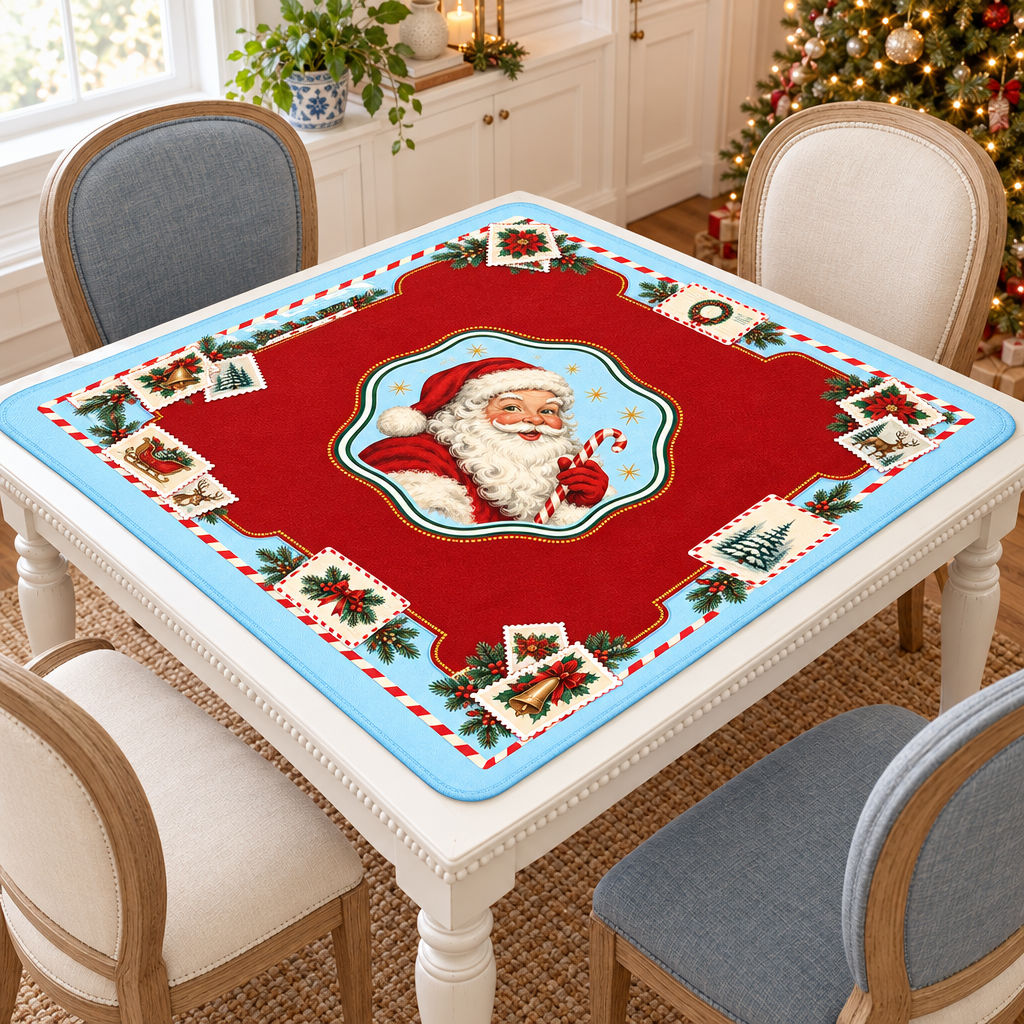
Do you need one if you play on a dining table?
Yes—a dining table's slick finish makes tiles slide, and spilled drinks risk the wood. A mat prevents both. Tile sets can scratch varnish, and hands grow tired on hard surfaces during multi-hour sessions. A mat also protects your tabletop from wear. If you host regular games or play with a set you'd replace reluctantly, a mat is worth the cost and storage space. Even a basic mat ensures tiles stay where you place them and hands don't ache by hour three.
What if you travel with your set?
A portable mat rolls up or folds and goes in your bag alongside your tiles and racks. Traveling players almost always carry one because borrowed tables vary wildly—some are sticky, some are slippery, some are too high or too low. A mat standardizes your playing surface and protects your tiles in transit. Pair a portable mat with a fitted travel bag or case to keep everything organized. We've seen players travel with sets for decades without damage because they invested in both.
How do you choose the right size and material?
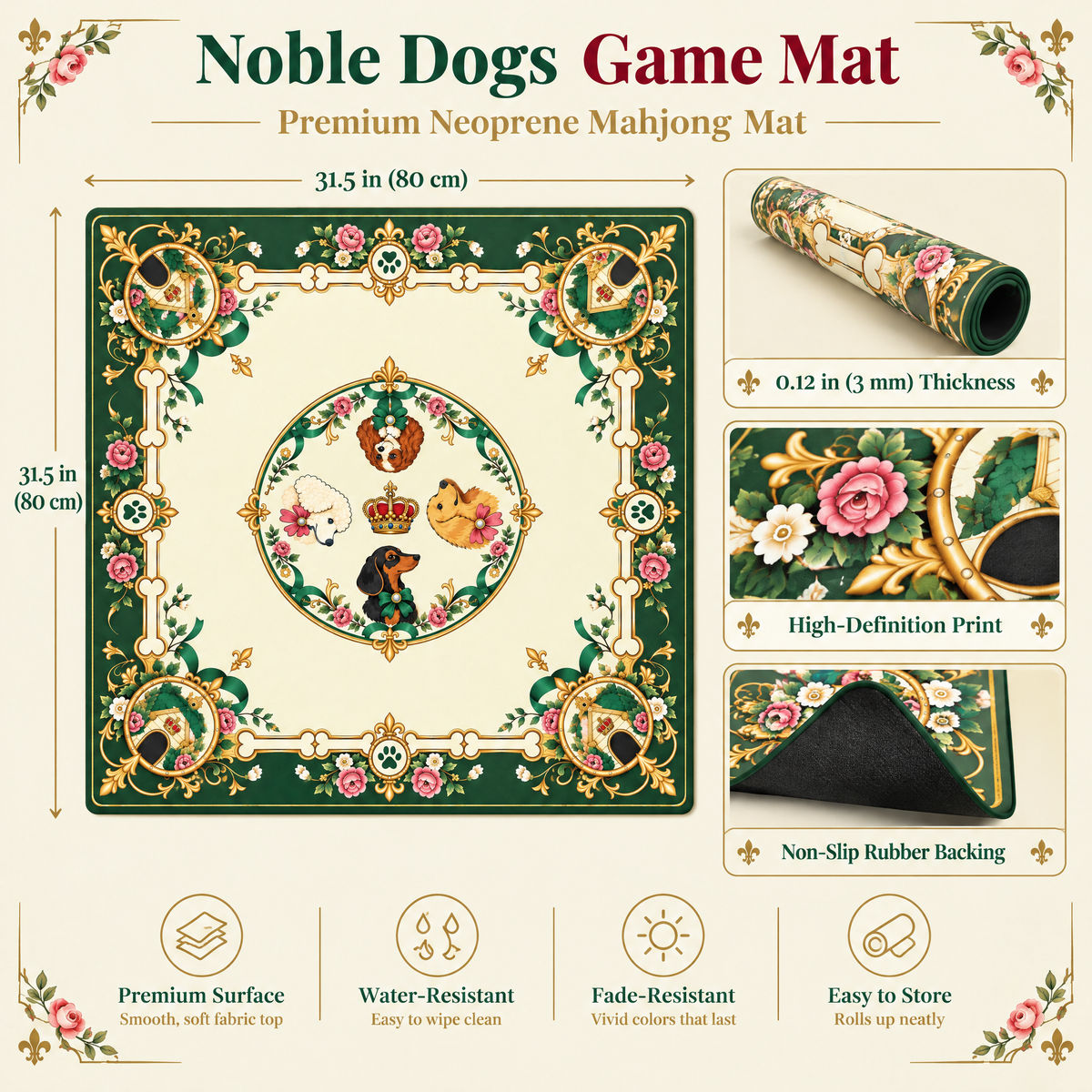
Most mats fit a standard 36-inch square or rectangular dining table. Measure your table first—a mat that overhangs or falls short defeats its purpose. Material matters: felt-backed rubber grips tiles and furniture; neoprene offers durability; fabric blends balance cost and performance. Thicker mats (about ¼ inch) reduce noise and feel better on hands than thin ones. If you play on carpet, a thinner mat works; on hard tables, choose thickness for comfort. Our mahjong mats collection includes options for both home and travel play.
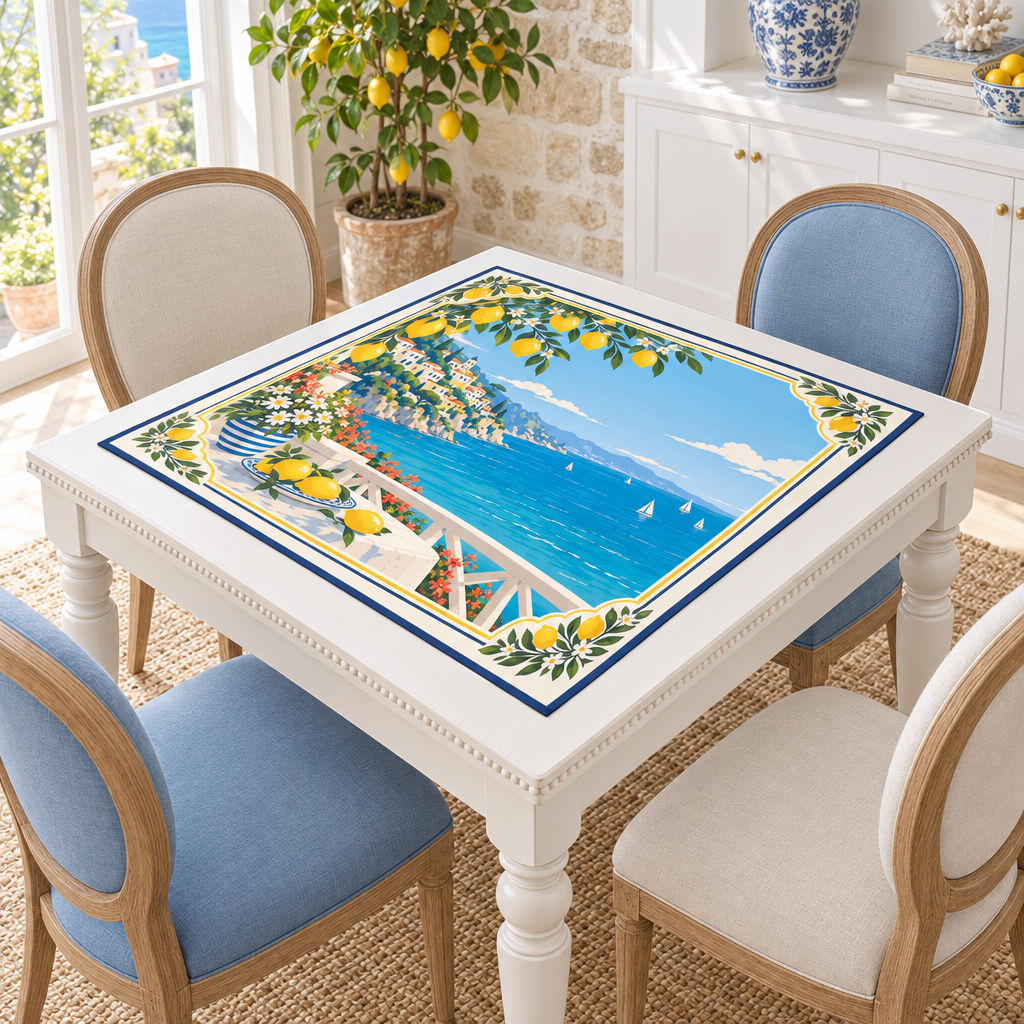
What happens if you skip one entirely?
Tiles slide, hands cramp, and your table's finish suffers. Players without mats often complain that tiles don't stack neatly and calling hands becomes frustrating. Noise is louder. If you're using a nice set—especially engraved American mahjong sets—a bare table risks tile wear and dings. Over a year of weekly games, skipping a mat costs more in tile replacement and table repairs than buying a decent one upfront. Some casual players accept the trade-off; serious players do not.
When a Mat Truly Matters: A Decision Table
Scenario | Mat? | Why | Surface type |
Weekly home game, standard tiles | Yes | Tile grip, comfort, furniture protection | Felt-backed rubber |
Monthly casual play, borrowed table | Optional | Depends on table finish | Lightweight portable |
Tournament or engraved set | Yes | Tile care, professional feel | Premium neoprene or felt |
Solo practice or card play only | No | Unnecessary | N/A |
Travel with set | Yes | Protection + standardized surface | Rollable or folding |
Outdoor game (patio or yard) | No | Unnecessary | N/A |
🎁 See our most-loved mahjong sets & accessories →
What to check before you buy
Size: Measure your table—standard dining tables need 36-inch mats. Mats too small leave tile areas unsupported; oversized ones overhang and create trip hazards.
Thickness: ¼ inch or thicker improves hand comfort and noise reduction. Thin mats (⅛ inch) work for travel but feel less forgiving for hours of play.
Backing: Felt or rubber backing keeps mats from sliding on furniture. A backing that moves is worse than no mat at all.
Portability: Will you travel? Choose a rollable or foldable design that fits your mahjong bag or case.
Care: Check if the mat is machine-washable or requires spot cleaning. Heavy-use players need low-maintenance options.
Budget basis: See current pricing on the mahjong mats collection page for options across different needs and use cases.
Why Mahstead Players Choose Mats
We host weekly games with sets we've owned for years—some engraved, all cared for. A mat extends tile life by preventing scuffs and sliding friction. It also signals to players that you take the game seriously, which subtly raises focus at the table. Friends who borrow our sets at their homes often buy mats afterward, realizing how much the surface improves play. Racks, best-selling sets, and mats together create a complete hosting setup that keeps games consistent and fun for years.
The honest takeaway
A mahjong table cover is not essential, but it's practical if you play more than once a month or own a set you care about. A mat outperforms a tablecloth for play but costs more and takes storage. A cloth works for casual games and furniture protection. Measure your table, pick a thickness that suits your play style, and commit to care—a good mat lasts a decade. If you're unsure, borrow one from another player first; you'll quickly know whether it matters to your game.
✨ Find your Mahstead set — free US shipping →
FAQ
Can I use a mouse pad or yoga mat instead?
No. Mouse pads are too small and thin; yoga mats are too soft and don't grip tiles. Mahjong mats are designed for tile weight, friction, and play surface stability. Use the real thing.
Do I need a mat if I play on carpet?
No. Carpet already grips tiles and provides cushion. A mat on carpet creates a slippery double layer that can damage both surfaces. Play directly on clean carpet or use a thin mat if the carpet is worn.
How often do you replace a mahjong mat?
A well-maintained mat lasts five to ten years depending on use frequency and care. Replace it if the backing cracks, the surface becomes slippery, or stains won't come out despite cleaning. Most of us replace mats far less often than table-cloths.
Can I fold a mat or must I roll it?
Rolling is gentler and extends mat life, but folding works for travel if you don't have storage space. Avoid creasing the same fold line repeatedly—rotate fold lines or roll instead for frequent travel.
What mat size fits a 6-person table?
Measure your table first. A 36-inch square mat fits a standard four-person dining table. Larger tables (42–48 inches) need oversized or custom mats. Confirm dimensions before ordering to avoid returns.
Does a mat reduce tile noise during discards?
Yes significantly. A mat absorbs impact and dampens the sound of tiles hitting the table. Most players prefer the quieter game—it feels more focused and less chaotic, especially in longer sessions.


View More
View More
View More
