
What Is Year Hands in American Mahjong?
Last updated: Nov 23, 2026
Year hands are named winning combinations printed on the National Mah Jongg League card each spring that incorporate the current year (2026) into their tile pattern. In American mahjong, a hand is a specific arrangement of 14 tiles—four melds (pung, kong, quint, sextet) plus a pair—that appears on the official card for that year only. Year hands always include tiles that spell or represent "2026" in some form: typically Dot tiles matching the numbers 2, 0, 2, 6 (where the White dragon often stands in for zero), or occasionally mixed suits arranged to suggest the year's digits. You locate them on the card's columns and rows; they're grouped with their category heading. To win a year hand, you must collect all required tiles during the game, have the hand exposed or concealed per the card's notation, and declare "mahjong" when complete. Beginners often confuse year hands with other numbered patterns; the card clearly labels them.
🀄 Shop best-selling mahjong sets →
How do you find year hands on the official card?
The National Mah Jongg League card is organized into columns by hand type and rows by difficulty or tile composition. Year hands always appear in a dedicated section—often labeled "Year Hands" or grouped under a season category—and will explicitly show "2026" or digits that add up to or reference the current year. Open the card flat, scan the left side for category names, and look for rows that mention "Year," "2026," or similar markers. Each row shows the exact tile sequence needed: three melds of specified types (pung, kong, quint, sextet) plus a pair. For example, a year hand might read "2 Dot pung, 0 / 2 / 6 Dot quint, White pung, White pair"—meaning you need three 2 Dots, then four Dots each of 0 (represented by the White dragon), 2, and 6, plus three White dragons for the pair. The card uses abbreviations (e.g., "P" for pung, "K" for kong, "Q" for quint, "S" for sextet) and symbols to mark whether melds must be exposed or can be concealed. If you're new to reading the card, learn the layout and notation system here.

Why are year hands considered special?
Year hands carry prestige because they rotate annually—you can never play the exact same year hand twice. A hand marked "2026" becomes invalid on January 1, 2027, when the League releases the new card, creating a built-in deadline for players. This scarcity makes them memorable; winning a year hand before the season ends feels like capturing a limited achievement. Many groups also play year hands as a bonus point or honor rather than simply one win among many, especially during tournaments. Strategically, year hands often require Dot tiles in specific numbers, making them vulnerable to tile scarcity early in the game—if another player picks the 0 Dot (White dragon) you need, the hand becomes impossible. The psychological draw motivates players to remember them: "Did you get the year hand yet this season?" is a common table conversation. Understanding which year hands are easiest to draw accelerates your competitive sense.
What tiles do 2026 year hands typically use?
The most direct representation of 2026 on the 2026 card will feature Dot tiles numbered 2, 0, 2, 6, where the White dragon (which doubles as zero in American mahjong) replaces the middle zero. So you'd collect three 2 Dots, three White dragons, and three 6 Dots, or arrange them in a quint-pung-pung or similar formation specified by the card. Some year hands branch into mixed suits: you might see "2 Crak, 0 Bam, 2 Dot, 6 Crak" or "Red 2, 2 Dot, 6 Dot, White pair" to add complexity. Wind tiles (North, East, West, South) sometimes appear as complementary melds, and flowers or dragons round out the hand. The card always specifies the exact tile combination; you cannot improvise or substitute. A common mistake is assuming all year hands follow the same pattern—they do not. Each row on the card is a distinct hand; some year hands may not mention "2026" numerically but instead use winds, dragons, or flowers that the year assigns meaning to. Always verify the specific hand on your copy of the official card before collecting tiles.
🎁 See our most-loved mahjong sets & accessories →
How do year hands compare to other numbered hands?
Hand Type | Tile Pattern | Year Tied? | Card Life | Strategy Difference |
Year hands | Includes 2, 0, 2, 6 or variants | Yes, 2026 only | ~12 months | Chase early, before tiles deplete |
Number hands | Any four numbers (e.g., 1-2-3-4) | No | Permanent on card | Reusable every season |
Dragon hands | All three dragons (Red, Green, White) | No | Permanent | Slower to collect, high value |
Wind hands | Four winds in pung/kong form | No | Permanent | Moderate difficulty, mid-game viable |
Year hands expire annually; number hands (non-year) persist on the card indefinitely. This matters because beginners often ask: "Can I play the 2026 hand next year?" The answer is no—it vanishes from the card on day one of 2027. Permanent hands, by contrast, cycle through seasons unchanged. Year hands are usually designed at medium difficulty to keep play exciting without making them impossible; the League balances them against other hands so no one type dominates. If you're hosting a weekly game, spotting a year hand early and alerting new players builds excitement and teaches card literacy. Experienced players often compete for year hands first, treating them as a friendly sub-competition.
What mistakes do players make with year hands?
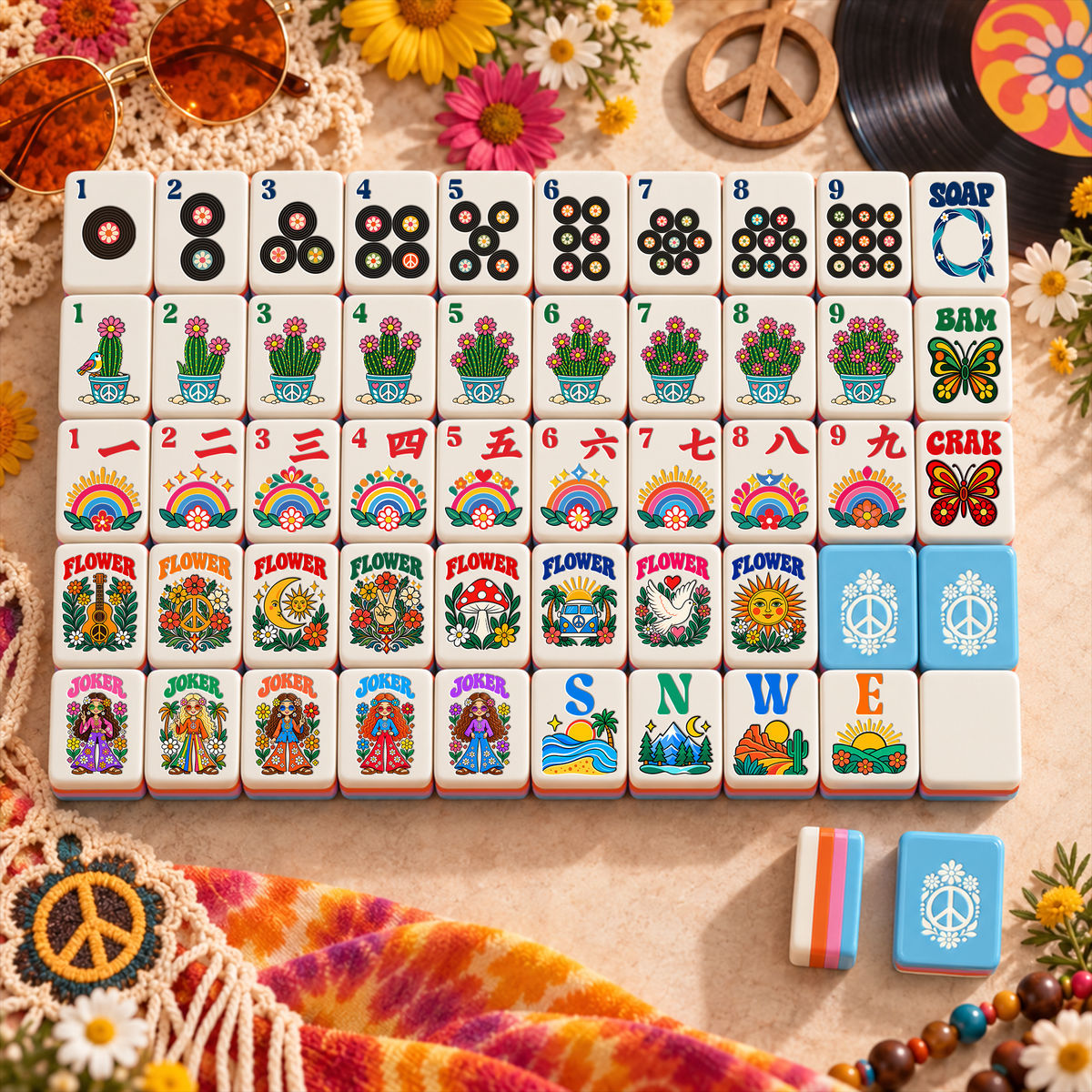
Confusing the White dragon with the digit zero. Many new players see "0" on the card and search for a tile marked "0"—it doesn't exist. The White dragon (also called "Soap") stands in for zero across all American mahjong. Before your first game, ask an experienced player to point out the White dragon in your tile set; it's usually blank or engraved with a small symbol.
Mixing up year hands across different card versions. If you own sets or cards from previous years, verify you're using the 2026 card, not an old one. Year hands change annually; playing with last year's card means the hand marked "2026" doesn't exist on this year's official card, and your win won't count.
Forgetting that jokers cannot be used in pairs or single tiles. A year hand requiring a White dragon pair must use two actual White dragons—you cannot substitute a joker for either one. Jokers fill in for missing melds (pung, kong, quint, sextet) only, never for a required pair.
Not checking whether the hand is exposed or concealed. The card specifies how many melds can be exposed (laid down) versus concealed (kept in your rack). If a year hand says "concealed pung, exposed quint, exposed sextet, concealed pair," you must follow that structure or the hand doesn't count. Exposing a pung when it should be concealed invalidates the entire hand.
Collecting the wrong number of tiles. A quint requires five identical tiles; a pung requires three. If you grab four Dots thinking you have a quint, you've miscounted. Double-check your tile rack before calling mahjong, or ask the player to your right to verify.
How should you prepare your table to win year hands?
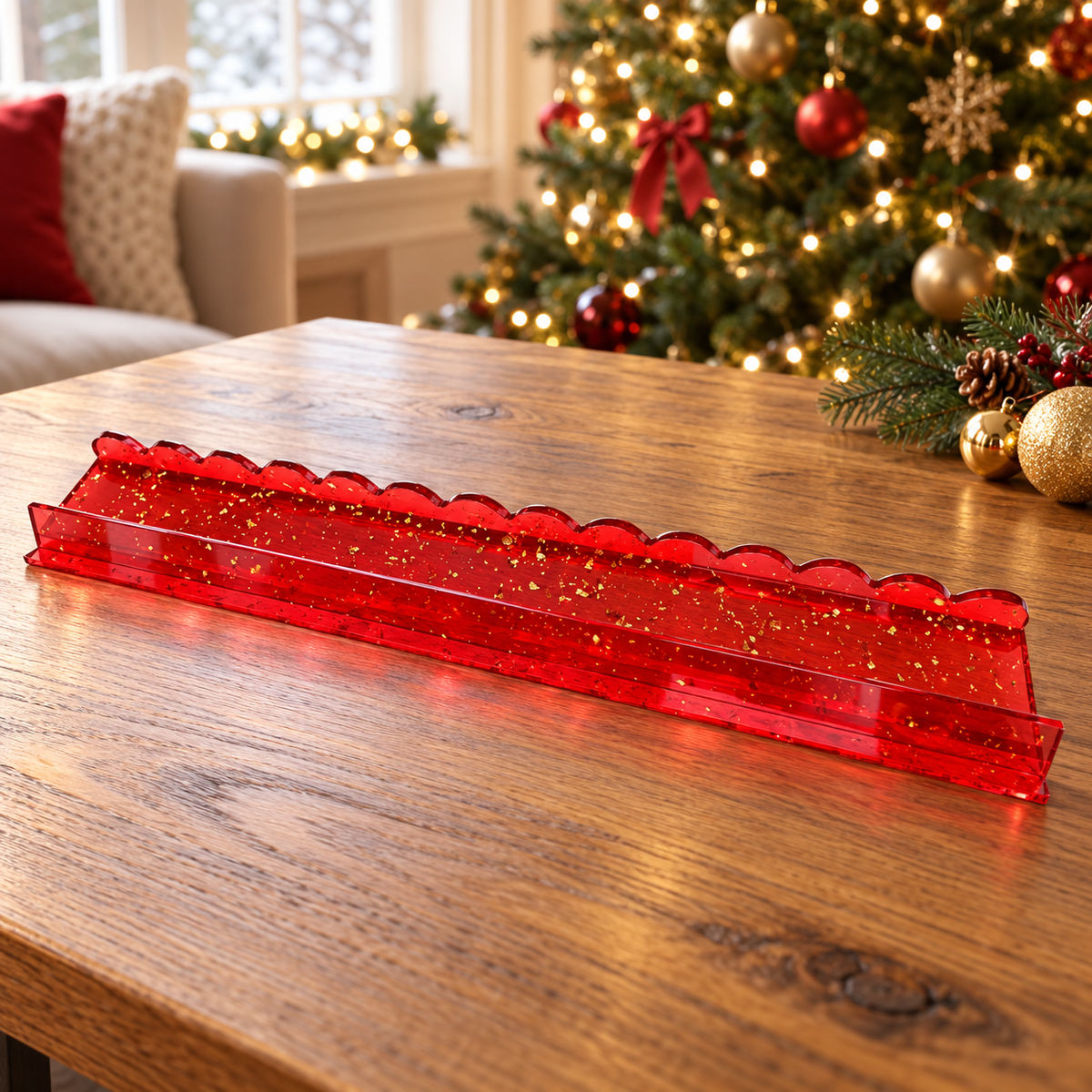
Before the game, pull out the 2026 card and place it where all four players can see it without leaning across the table—use a mahjong mat with a card slot or a card holder if your rack set includes one. Verify everyone has located the year hands section before the Charleston begins. During the Charleston tile-passing ritual, stay alert for who's collecting Dots and White dragons; this signals early whether someone is hunting a year hand and may influence your own tile retention strategy.
Position your tiles in your rack left to right in the order shown on the card—if the year hand reads "2 Dot, 0 (White), 2 Dot, 6 Dot," group them in that sequence so you can spot them instantly when the 14th tile arrives. Arrange other suits or dragons to the side. If you're using an engraved set with themed titles, the tile clarity won't change, but good lighting helps prevent misidentification.
Keep a small pen and notepad to track which year hands have been called this week; this prevents duplicate announcements and helps your group remember which year hands are "live" (uncalled) for next week. Many groups reward the first year hand of the season or month with a small bonus point—codify this before play if your group enjoys friendly stakes.
✨ Find your Mahstead set — free US shipping →
What to check before you buy a new set for year-hand play
Tile clarity: Can you distinguish the White dragon from regular Dot tiles at arm's length? Engraved or colored designs help; plain white tiles blur together.
Card slot access: Does your mat or rack holder have a visible spot for the official card? If not, buy a separate card stand or print a large card copy.
Joker count: Verify your set includes 8 jokers. Many hands require jokers as wild tiles to complete melds; a worn set with missing jokers makes year hands harder to achieve.
Set organization: Can you separate Dot tiles from Craks and Bams quickly? A well-organized rack with dividers saves time and reduces mistakes.
Carrying capacity: If you host games at different locations, confirm your bag or case fits the card, mat, racks, and all tiles without crushing. Year hand season means frequent transport.

FAQ
Can I play a 2026 year hand on the 2027 card?
No. Year hands expire when the new card is released each spring. The 2026 hand becomes invalid permanently; the 2027 card contains entirely new year hands tied to 2027.
What happens if I'm one tile short of a year hand?
The hand is incomplete and you cannot call mahjong. You must continue drawing and discarding until you either complete a different hand on the card or run out of playable tiles (a draw game).
Can jokers substitute for White dragons in a year hand?
Jokers can substitute for White dragons within a pung or kong, but never for a required pair. If the year hand shows "White pair," you must use two actual White dragons; no joker swap allowed.
Do all year hands use the same tiles every season?
No. Each year's card contains multiple unique year hands—some use Dots and dragons, others mix winds and suits. Always check the official card for that year; never assume patterns from prior years.
How many year hands are typically on the annual card?
The League card contains multiple year hands (often 4–8 distinct patterns), giving players several options to pursue within the same season. The exact count varies by card design.


View More
View More
View More
