
What Is Pung in American Mahjong? Rules & Play
Last updated: Nov 23, 2026
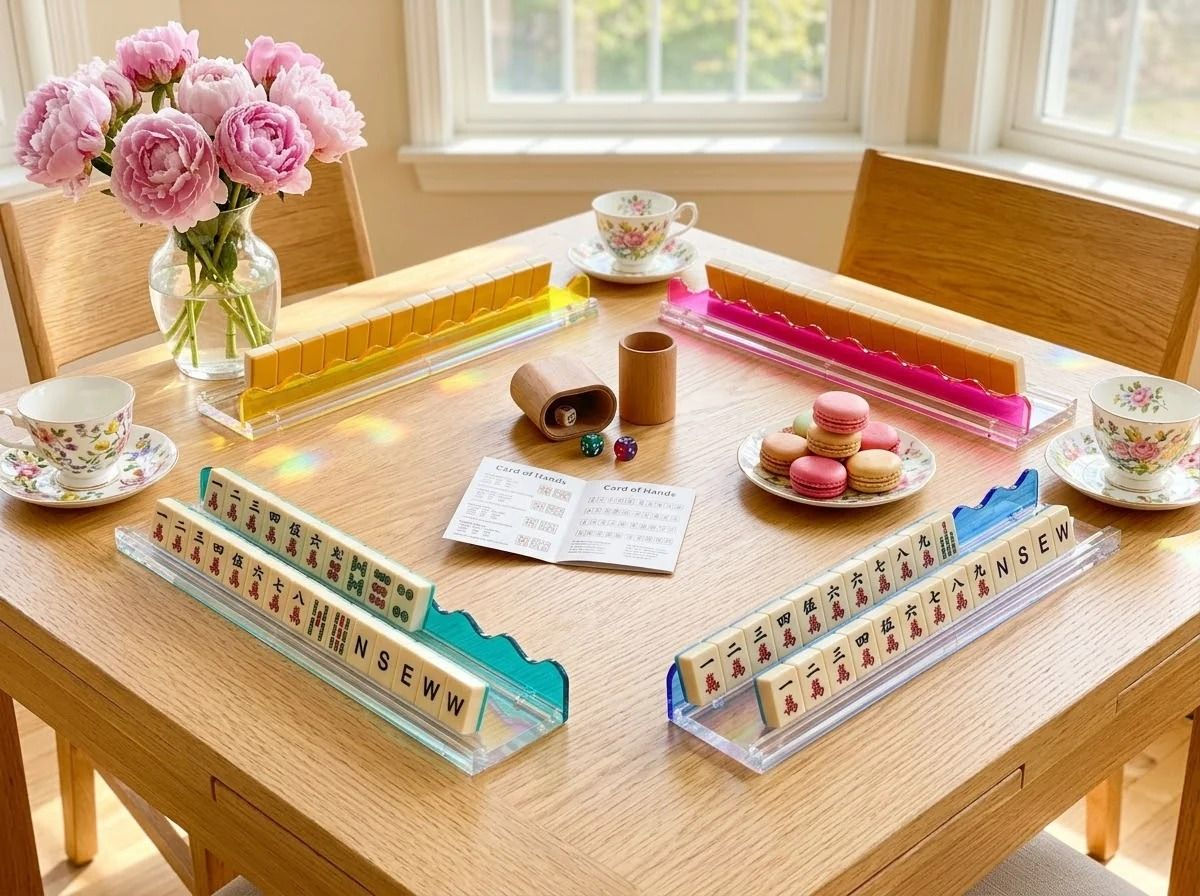
A pung is exactly three identical tiles—for example, three 5 Dots, three East Winds, or three Red Dragons. In American mahjong, a pung is one of four meld types you can expose and declare during play, along with kongs (four identical), quints (five), and sextets (six). You can form a pung in your hand during the draw, pick it up by calling "pung" when another player discards the tile you need, or build it from an exposed pair by drawing a matching tile. Pungs form the backbone of most hands on the current National Mah Jongg League card; they're worth points based on the hand you're completing and the tile suit and rank. Unlike Chinese mahjong, American pungs cannot be sequences—only identical tiles count. Learning to spot, build, and call pungs quickly is essential for competitive play.
What exactly makes a valid pung in American mahjong?
A pung must be three of the exact same tile. "Same" means identical suit, rank, and wind/dragon designation. Three 3 Bams is a pung. Three North Winds is a pung. Three White Dragons (also called Soap) is a pung. Three 1 Dot, one 2 Dot, and one 3 Dot is not a pung—that's a completely different meld type (sequences, called chows, don't exist in American mahjong). You cannot mix suits, ranks, or wind directions within a single pung. This rule keeps American mahjong simpler than variants like Chinese or Riichi mahjong, where chows (1-2-3 sequences) are allowed; in American play, only identical tiles count as valid melds.
🀄 Shop best-selling mahjong sets →

How do you call a pung during play?
When another player discards a tile and you hold two of the same tile in your hand, you can call "pung" loudly and clearly before the next player draws. The discarder gives you that tile, you expose all three on the table in front of you (usually arranged so everyone sees them clearly), and play continues. This is called "taking" the pung. You cannot pick up a pung from the wall or your own draw; you can only call it from a discard. Many groups require you to announce "pung" immediately or you lose the right to call it. Once you've called a pung from a discard, it stays exposed on your rack for the rest of the hand and counts toward your final winning hand. Calling quickly and correctly prevents disputes and keeps the game flowing.
What's the difference between pung, kong, quint, and sextet?
Meld | Tiles | Example | How formed | Called? |
Pung | 3 identical | 3 × East | Draw + discard, or call from discard | Yes, from discard only |
Kong | 4 identical | 4 × 5 Bam | Draw, then 1 from wall or call from discard | Yes, from discard only |
Quint | 5 identical (includes ≥1 joker) | 4 × 7 Crak + 1 joker | Draw with joker or call from discard | Yes, from discard only |
Sextet | 6 identical (includes ≥1 joker) | 4 × 2 Dot + 2 jokers | Draw with jokers or call from discard | Yes, from discard only |
All four are exposed melds in American mahjong. Kongs, quints, and sextets are rarer but more valuable. Pungs are the most common building block.

Why do pungs matter in American mahjong strategy?
Nearly every hand on the National Mah Jongg League card contains at least one pung. They're a standard way to complete patterns for points. If you're trying to finish a hand with "three simples" (three different suits with low numbers) and one pair, you'll likely build three separate pungs. Knowing which pungs are worth completing depends on reading the card and understanding the hands available for the current season. Holding tile pairs early and calling pungs when they appear keeps you flexible and competitive. Players who hesitate to call pungs often miss winning opportunities or fall too far behind. Speed and confidence in pung recognition separate casual players from regular competitors.
🎁 See our most-loved mahjong sets & accessories →
What common mistakes should you avoid with pungs?
Calling out of turn. If you call "pung" after another player has drawn, you've lost your chance. Call immediately or stay silent.
Mixing suit or rank by accident. Double-check that all three tiles are truly identical before exposing them. Misexposing tiles can trigger penalties or replays.
Forgetting joker rules with larger melds. Jokers can substitute in kongs (making a four-tile meld with one joker tile + three real tiles) but never stand alone in a single tile or pair. If you're working toward a quint or sextet, make sure you understand how jokers integrate.
Not tracking exposed pungs. Keep your exposed melds tidy and upright on your rack so all players see them. Buried or unclear tiles cause confusion.
Over-calling pungs early in the hand. In American mahjong, the earlier you expose melds, the less flexibility you have. If you call a pung in turn one and don't win quickly, other players see your strategy and adjust.
How does the pung fit into the overall American mahjong hand structure?
Learn how to play American mahjong to see pungs in context. A typical winning hand consists of one pair plus four melds (four pungs, or a mix of pungs, kongs, quints, and sextets). The specific combination must match a pattern on the current year's National Mah Jongg League card. For example, a hand might be: one pair of White Dragons + three pungs (3 East, 5 Bam, 7 Dot) + one kong (4 4 4 4 Crak). Each valid pattern earns a specific point value. Understanding how many pungs you need and which suits to prioritize helps you decide when to call from a discard versus hold for a stronger meld.
✨ Find your Mahstead set — free US shipping →
What to check before you buy
If you're new to American mahjong, make sure your set includes clear tile markings so you can instantly recognize identical tiles—pungs, kongs, and other melds depend on accuracy. Our best-selling acrylic sets feature engraved characters and bold color contrast, making pung identification fast and stress-free during play. Also check that your mats and racks have adequate space for exposing melds side by side; cramped setups lead to mistakes. If you're hosting regular games, a quality mat keeps tiles stable and organized, so pungs stay visible and organized throughout the hand.

FAQ
Can a pung include jokers?
No. A pung is three identical tiles, period. Jokers only substitute in kongs (4), quints (5), and sextets (6). A single joker cannot stand in for a missing tile in a pung.
What happens if I accidentally expose three tiles that aren't all the same?
Many groups treat this as an illegal meld. Play stops, the tiles are returned, and depending on house rules, you may incur a penalty or lose your turn. Prevent this by confirming tile identity before calling.
Can I call a pung from a tile the player three seats away discarded?
No. You can only call a pung (or any meld) from the most recent discard, made by the player directly to your left. Once another player draws, the discard is "dead."
If I hold two of the same tile, can I draw the third to form a pung without calling?
Yes. If you draw the third matching tile yourself from the wall or a kong draw, it becomes a "concealed" or hidden pung—it stays in your hand and counts as part of your winning hand structure but is not exposed until you win or someone calls "mahjong."
Are pungs scored differently depending on suit or rank?
Point values depend on the hand pattern on the card, not just the individual pung. A pung of 1 Bams (often marked with a bird) might be worth more in one hand pattern than a pung of 5 Dots in another, according to the specific hand listed for that season.


View More
View More
View More
