
What Is Heavenly Hand in Mahjong? Rules & Examples
Last updated: Nov 23, 2026
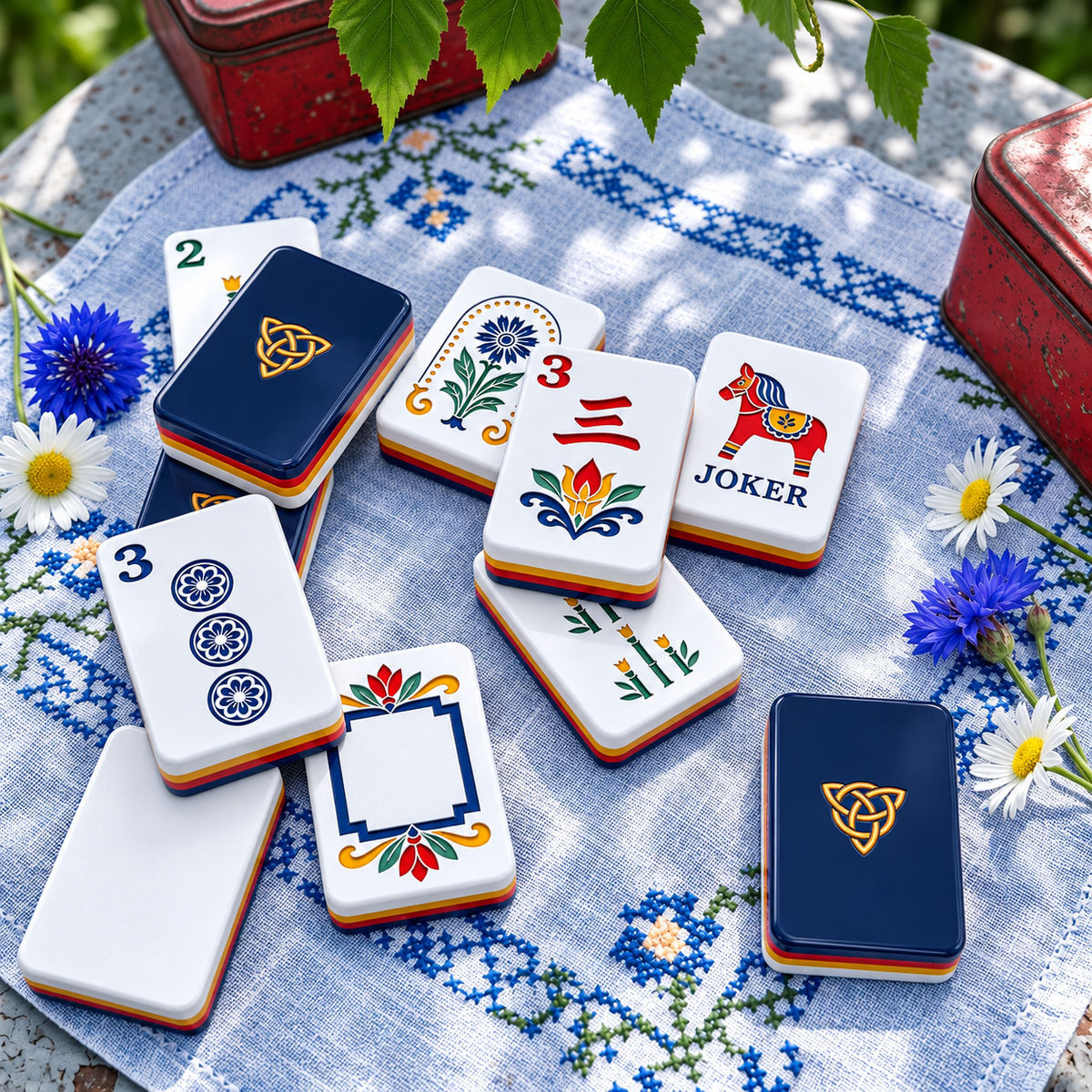
Heavenly Hand (also called "Blessing of Man" or "Heaven's Blessing") is a winning hand drawn on your first turn before the game starts in regular play, achieved when the East player (dealer) draws from the wall on their opening move. In American mahjong, Heavenly Hand does not exist as a named hand type—American play uses only hands from the current year's National Mah Jongg League card, which specify all valid winning patterns. In Chinese mahjong and other variants (Hong Kong, Riichi), Heavenly Hand is a prestigious win worth bonus points, often automatic victory or a multiplied payout. The term appears in variants that allow draws, concealed plays, or dealer advantage rules. To understand whether your game uses this hand, check your ruleset first—American mahjong has no such hand; other variants do, with different scoring.
How does Heavenly Hand win differ between game variants?
Each mahjong variant defines Heavenly Hand differently. In American mahjong, the hand does not exist—all winning patterns come from the League card only. In Chinese Classical mahjong, Heavenly Hand is a win by the East player (dealer) on the first draw from the wall, before any discard; it carries a bonus multiplier (often 2× or 3×). In Hong Kong mahjong, the same concept applies but with different point structures. In Riichi, the concept exists but is called Kong, a different mechanic. Always confirm your table's ruleset and card before play—a hand that wins in Chinese loses in American, and vice versa.

When does the dealer win Heavenly Hand in Chinese mahjong?
Heavenly Hand occurs only on the dealer's (East's) first draw from the wall, before any tile is discarded and before other players draw. The dealer draws the first tile from the wall after the Charleston is complete (in American) or after the initial distribution (in Chinese/Hong Kong). If the drawn tile completes a winning pattern on that draw alone—a complete hand with no further exchanges—the dealer declares Heavenly Hand. The bonus applies immediately; the hand ends, and scoring multiplies. This rule exists only in Chinese-family variants and does not apply in American mahjong.
What tiles form a winning Heavenly Hand pattern?
In Chinese mahjong, Heavenly Hand patterns follow standard winning combinations: four melds (three-tile groups: pungs, kongs, chows) plus a pair, or seven pairs, or thirteen terminals. The opening hand must already contain three of these four melds before the first draw; the fourth meld or the winning pair is completed by that first draw tile. Pungs and kongs are identical tiles (three 5 Dots, or four 5 Dots). Chows are sequences in one suit (1–2–3 Bams, 2–3–4 Craks). One pair is two identical tiles. If your dealt hand is three melds away from completion, the draw tile that finishes the fourth meld or pair triggers Heavenly Hand. In American mahjong, no such hand exists—all patterns are named on the League card.
Why doesn't American mahjong recognize Heavenly Hand?
American mahjong is entirely hand-card based; every legal winning pattern is printed on the annual National Mah Jongg League card, issued each spring. Hands are organized by suit, number, and honor, but no hand is called "Heavenly"—the card names all valid wins explicitly. American mahjong also prohibits calling or exposing chows (one-suit sequences), pungs are always identical three tiles, and the Charleston (a three-round tile exchange) happens before any regular play draw. Because American rules prioritize specific named patterns and human-only combinations (no automatic dealer wins or first-draw bonuses), Heavenly Hand and similar bonus conditions do not apply. If you play American, use the League card as your sole reference.
🀄 Shop best-selling mahjong sets →

What is the scoring bonus for Heavenly Hand in Chinese variants?
In standard Chinese mahjong, Heavenly Hand doubles or triples the base hand score, depending on house rules. Some tables award a flat bonus (e.g., +10 points) plus multiplied melds. In Hong Kong mahjong, Heavenly Hand often pays 2× to 4× the normal win payout. In Riichi, there is no Heavenly Hand; bonuses instead come from dora (bonus tiles) and hand patterns (yaku). Always ask your group or venue before playing: "What is the Heavenly Hand bonus at this table?" Bonuses vary widely by region and house. Written rules prevent disputes.
How do I avoid confusion about Heavenly Hand at the table?
Before play starts, clarify three things with all players: (1) Which variant are you playing—American, Chinese, Hong Kong, or Riichi? (2) Are Heavenly Hand or dealer-bonus hands in effect? (3) What is the exact bonus (multiplier, flat points, or house rule)? Write the answers down or take a photo of your group's rules sheet. In American mahjong, say aloud: "We are using the League card only; no Heavenly Hand applies." In Chinese or Hong Kong, confirm the bonus before the game begins. Misunderstandings cost time and goodwill. Spending 30 seconds upfront prevents 10 minutes of argument mid-game.
Can you get Heavenly Hand if you use jokers?
In Chinese and Hong Kong mahjong, jokers (wildcards) can replace tiles in melds, including in the Heavenly Hand draw. If your opening dealt hand has three complete melds plus a joker, and your first draw tile completes the pair or final meld (even if the pair or meld contains a joker), you win Heavenly Hand. In American mahjong, jokers cannot be used in a pair, and jokers never feature in named hands from the League card—Heavenly Hand does not exist, so the question is moot. In Riichi, jokers do not exist as standard wildcards; wild tiles (wild or kari) follow specific rules per table.
🎁 See our most-loved mahjong sets & accessories →
Heavenly Hand vs. other dealer bonuses: a quick comparison
Bonus Hand | Variant | When It Occurs | Score Multiplier | American Mahjong? |
Heavenly Hand | Chinese, Hong Kong | Dealer's first draw, day one | 2×–4× (varies) | No |
Kong (Pure) | Riichi | Four identical tiles shown | +4 han (points) | No |
Self-drawn | Chinese | Any player, any turn | +1 multiplier | No |
Blessing of Man | Taiwanese | Non-dealer first draw | +50 points | No |
League Card Hand | American | Any player, any turn, card-named only | Per card payout | Yes |
Each variant has its own bonus structure; American mahjong is the only one that uses a fixed annual card instead of hand names.
What to check before you buy or host a mahjong game
Ruleset: Decide on American, Chinese, Hong Kong, or Riichi before purchasing a set and cards.
Card or reference: American players need the current League card; other variants use printed guides or house rules.
Tile count: American requires exactly 152 playing tiles + 8 jokers; Mahstead 160-tile sets include spare tiles for durability.
Dealer bonus rules: If playing Chinese or Hong Kong, write down whether Heavenly Hand applies and what the multiplier is.
Hosting clarity: Have your rules visible at the table so new players don't ask mid-game.
✨ Find your Mahstead set — free US shipping →

FAQ
Does American mahjong have a "Heavenly Hand"?
No. American mahjong uses only hands named on the annual National Mah Jongg League card. No dealer-bonus or first-draw hand exists; all winning patterns are explicitly listed on the card you play from that year.
What happens if I draw Heavenly Hand but don't realize it?
In Chinese or Hong Kong mahjong, declare it immediately when you recognize the win. If you discard before declaring, you lose the bonus (and sometimes the hand). In American mahjong, Heavenly Hand does not exist, so this scenario cannot occur.
Can I play American mahjong with Heavenly Hand rules?
No. American mahjong is defined by the League card; adding Heavenly Hand or other bonus hands breaks the game's structure. If you want Heavenly Hand, switch to Chinese or Hong Kong mahjong with a separate ruleset and tile set designed for those variants.
What's the difference between Heavenly Hand and Kong in Riichi?
Heavenly Hand (Chinese/Hong Kong) is a first-draw dealer bonus with a multiplier. Kong in Riichi is a four-tile set exposed on the table during play; it adds points but is not a winning condition on its own. They are unrelated hands in different variants.
How much does Heavenly Hand add to the score?
In Chinese mahjong, typically 2× to 4× the base hand score, depending on house rules and regional custom. In Hong Kong, it often pays a flat bonus (e.g., +50–100 points) plus multiplied melds. Always agree on the bonus before play starts to avoid disputes.


View More
View More
View More
