
Best Mahjong Card Holder: Compare Styles for Your Game
Last updated: Nov 23, 2026
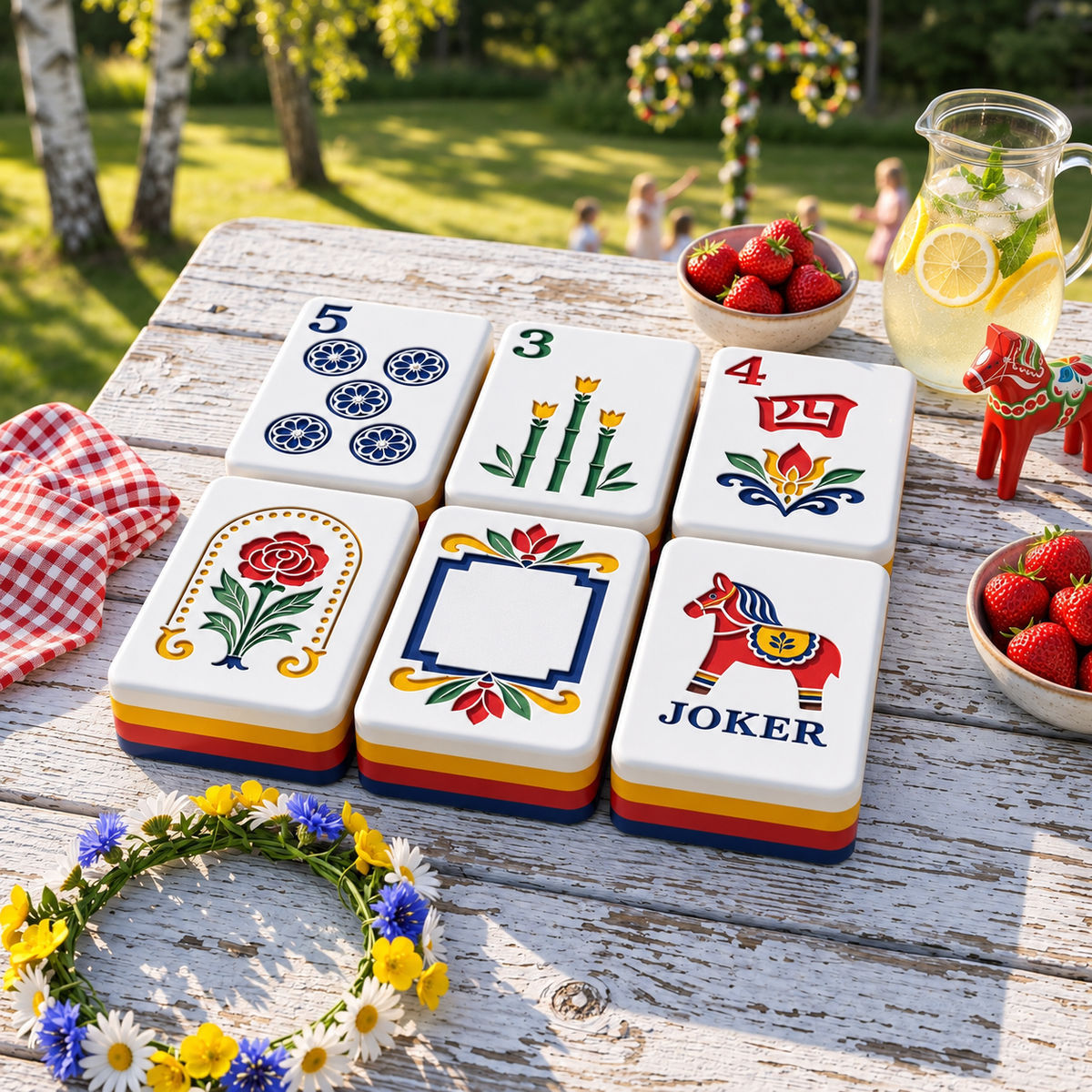
A mahjong card holder is a small stand or clip that displays the current year's National Mah Jongg League card vertically during play, so all four players can read hand patterns without bending or folding it. Most American mahjong players pair card holders with acrylic American mahjong sets and a mat to create a complete table setup. Holders range from simple plastic clips to wood or acrylic stands, priced affordably as a supporting accessory. The best choice depends on your mat design (some mats have built-in pockets), table depth, and whether you play with racks. Many hosts buy a holder as part of a bundle with a new set or mat; others upgrade to a decorative stand when they invest in engraved tiles. Before ordering, check that the holder fits your mat's edge thickness and that it won't obstruct players' views of the board.
A good card holder solves a common problem at the mahjong table: the NMJL card curls, gets marked up, or ends up in someone's hand instead of visible to all four players. We've watched countless games slowed by players passing the card around because nobody could see it clearly. The right holder keeps the card upright, legible, and out of play—and it doesn't have to be complicated.
What exactly does a mahjong card holder do?
A card holder suspends the current year's NMJL card vertically at the table edge so every player can read hand patterns without handling or folding it. Most clip onto a mat edge or stand on the table surface. A good holder keeps the card flat and facing outward, preventing dog-ears and ink smudges. It also saves time: players glance up instead of asking "whose turn to hold the card?" The best holders work with any mat thickness and don't block sightlines to the center of the board.
🀄 Shop best-selling mahjong sets →

Which card holder style fits a standard mahjong mat?
Most American mahjong players use a mat—either a felt or rubber surface with a printed border. A mat-edge clamp holder (typically plastic or metal) grips the mat's top or side edge and holds the card perpendicular to the table. This is the most common setup because it doesn't require extra table space and works with any mat brand. Some mats come with a built-in card slot or pocket; if yours has one, you may not need a separate holder. Check your mat's edge dimensions before buying—mats range from ¼ inch to ½ inch thick, and a clip that's too loose or too tight won't grip reliably.
Are there differences between plastic, wood, and acrylic card holders?
Plastic clamps are the most affordable and lightweight; they clip quickly but can crack if over-tightened or left in a hot car. Wood holders add elegance and durability, especially if you've invested in engraved American mahjong sets with matching decor. Acrylic stands are modern and sturdy, holding the card at a slight angle so glare is minimized—they're heavier and less portable than clips but look refined on a permanent table. Each material works; the choice depends on how often you move your setup and whether you value aesthetics. For travel games, plastic or a clip is practical; for a weekly game at home, wood or acrylic suits a polished look.
How do you choose between a clamp, stand, or mat-pocket holder?
Holder Type | Best For | Pros | Cons |
Clamp/clip | Any mat, frequent moves | Compact, affordable, quick setup | Can slip if mat is thin; clamps wear over time |
Tabletop stand | Permanent table, thick mats | Stable, angled view, decorative | Takes table space; not portable |
Mat pocket/slot | Built-in mat design | Integrated, no extra gear | Only works with specific mats |
Vertical acrylic | Modern decor, home games | Clear sightlines, professional look | Higher cost; requires stable table |
Your choice also depends on your mahjong mats edge thickness and how many games you host. A clamp works best for mats with thick edges (½ inch); a tabletop stand suits deeper tables where players sit farther back. If you use racks with pushers, a tabletop stand keeps the card away from pushed tiles and hand areas.
🎁 See our most-loved mahjong sets & accessories →

What should you check before buying a card holder?
Before ordering, measure three things: your mat's edge thickness (clip must grip firmly), the distance from your table edge to the center of the board (the card shouldn't block views), and whether you already have a mat with a built-in card slot. Confirm the holder material won't bend under the card's weight during a long game; acrylic and wood are more stable than thin plastic. If you play multiple games per week, a clip can loosen over months of repeated gripping—budget for replacement. Test a holder's angle: the card face should tilt slightly toward players, not straight up. Read the dimensions carefully: some holders are too short for large cards or too wide for narrow table edges. Buy from a seller who accepts returns if the holder doesn't fit your setup.
Can you make a DIY card holder, or should you buy one?
Some players prop the card in a small frame, binder clip, or book stand—it works temporarily. The downside is wobbling, card creases, and wasted time adjusting it mid-game. A purpose-built holder is cheap enough that DIY rarely saves money, and it stays secure through an entire game. Most card holders cost a few dollars (see current price on the product page for options). If you're hosting weekly games and want a polished, reliable setup, a real holder beats improvisation. For occasional play or travel, a clip is lightweight and affordable.
Do you need a special card holder for travel games?
Travel games don't require a card holder if you're playing on a small portable mat or at a restaurant table. In those cases, one player holds the card or it leans against a bag. However, a lightweight plastic clip fits easily into a mahjong bag or case and adds stability to any surface. If you move your game between locations—friends' homes, coffee shops, community centers—a compact clip is more practical than a stand. It takes seconds to attach and doesn't add bulk to your travel kit.
✨ Find your Mahstead set — free US shipping →
What to check before you buy
Mat edge thickness: Measure in inches; clips grip best on ¼-½ inch edges.
Holder material: Plastic (affordable, portable), wood (durable, aesthetic), acrylic (stable, modern).
Card sightlines: Angle should face players without blocking the center board.
Portability: Clips and stands for home; clips for travel.
Durability: Acrylic and wood outlast plastic for weekly+ games.
Many players pair a card holder with a complete best-selling mahjong set and mat to create a finished table. If you're upgrading your game room or building a first setup, a holder is a small but valuable addition that signals you're serious about organization and respect for the card.

FAQ
Can I use the same card holder with different mahjong mats?
Yes, if the holder is a clip or tabletop stand. Mat-pocket holders only work with their specific mat. Clips adjust to most edge thicknesses between ¼ and ½ inch; test the grip before a game.
Do card holders damage the NMJL card over time?
No. A well-fitting holder prevents damage by keeping the card flat and away from hands and tiles. Poor-fitting clamps can crease the edges, so choose a secure grip.
What's the difference between holding the card and using a holder?
Holders free up one player's hand, keep the card visible to all four players, and prevent the card from being marked or folded. Holding it slows play and risks smudging or bending.
Can I clip a card holder to a table cover or tablecloth instead of a mat?
No. Fabric is too soft for a clip to grip reliably. Use a card holder on a mat edge, or place a tabletop stand on the table surface beside the mat.
Should I buy a card holder if my mat has a built-in pocket?
Not necessary. Built-in pockets work well if the card sits at a readable angle. If the pocket is too deep or the card slumps, a separate holder may improve visibility.
Are acrylic card holders from Mahstead compatible with all mahjong tile sets?
Mahstead designs holders as standalone accessories to complement any mahjong set. They don't depend on tile brand or design—only on mat edge thickness and table setup.


View More
View More
View More
