
What Is Courtesy Pass in American Mahjong?
Last updated: Nov 23, 2026
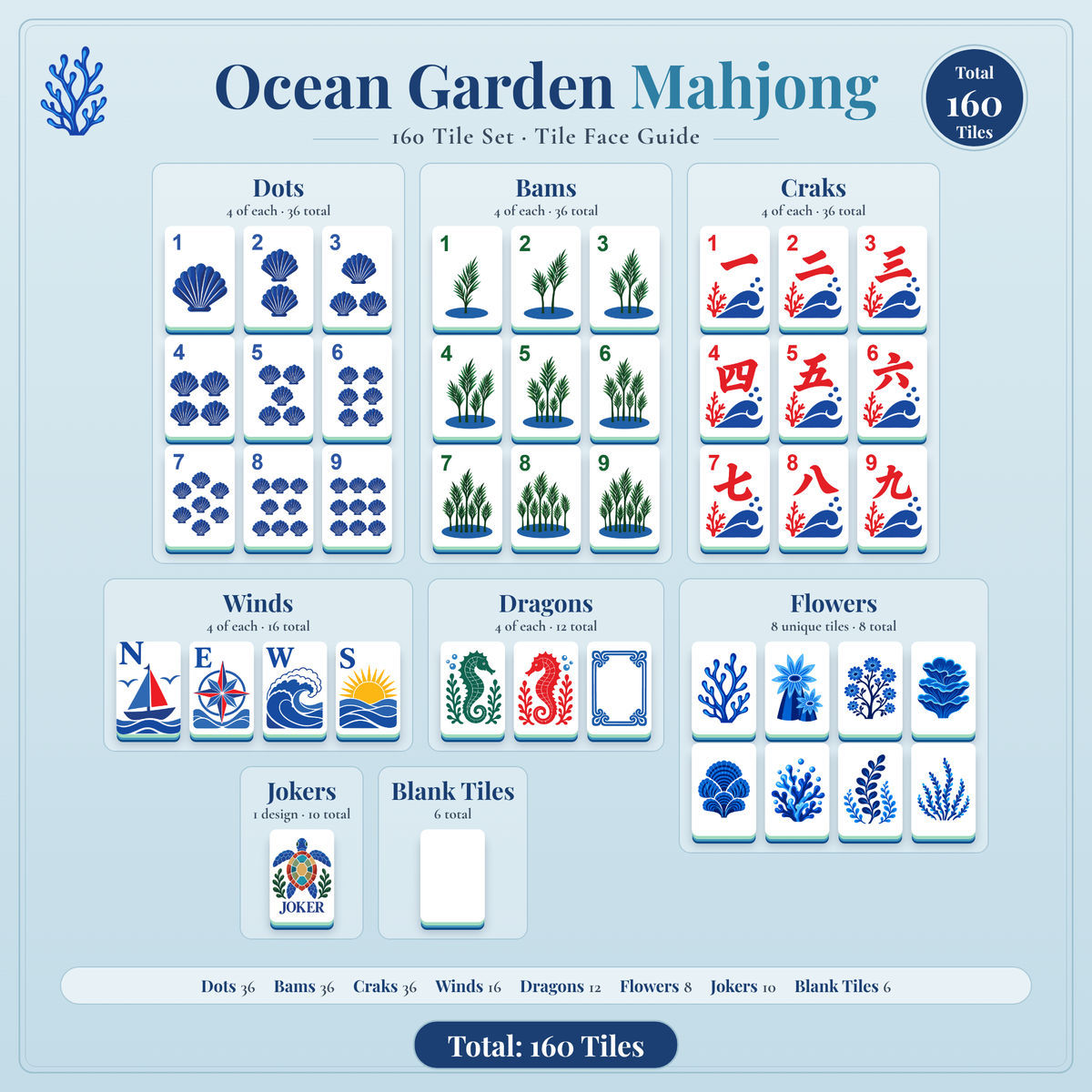
A courtesy pass is an unofficial gesture, not part of the National Mah Jongg League's standard rules, in which a player holding an unplayable hand may exchange one or more tiles with another player before the game officially begins after the Charleston. The courtesy pass typically happens after the initial wall break and wall draw, but before the first player declares their intention to play or before any melds are exposed. It's a one-time, mutual agreement between two players—usually neighbors at the table—to swap a tile or two to give both hands a better chance. The courtesy pass is pure house rule: it's never mandatory, never required, and entirely optional depending on your group's preferences. We recommend it for casual, friendly games where the goal is fun and learning; serious tournament or competitive play (following National Mah Jongg League rules) does not include courtesy passes. Mahstead players hosting weekly games often adopt this rule to keep all four players engaged and reduce early eliminations in a session.
When Does a Courtesy Pass Actually Happen?
The courtesy pass occurs in that narrow window after the walls are drawn and the hand is live but before anyone melds or declares play. Usually, one player—typically the player to the dealer's left, since they draw first—surveys their hand and realizes they have no viable tiles to connect with any hand on the card. They then ask a neighbor: "Can we pass?" If both players agree, they swap one tile each (sometimes two, depending on your table's agreement). The swap must be bilateral and equal—you cannot take without giving. Once the first player draws or the first meld appears on the table, the courtesy pass window closes, and no more exchanges are allowed for that hand. This rule exists purely for enjoyment and fairness, especially when a player has drawn a string of tiles that don't work together.

How Is a Courtesy Pass Different From the Charleston?
The Charleston is the mandatory tile-passing ritual that happens before walls are even drawn—the three passes (left, opposite, right or vice versa) where every player sends three tiles to a neighbor, no negotiation. The Charleston is required in American mahjong and is part of official rules. A courtesy pass is the opposite: it happens after walls are live, involves only two players (not all four), and is entirely voluntary. The Charleston shapes your opening hand; the courtesy pass is a safety net if that hand turned out unplayable. Think of it this way: the Charleston is the official warm-up; the courtesy pass is the friendly "do-over" that some groups add to keep games moving and fun. Most serious or tournament games skip the courtesy pass entirely and stick to the Charleston as the only tile exchange. Your group decides which rule set matches your play style—casual and social, or strict league compliance.
Common Mistakes Players Make With Courtesy Passes
Waiting too long. The biggest mistake is asking for a courtesy pass after the first player has already drawn or exposed a meld. Once that happens, you've missed the window. Make your decision immediately after the walls are drawn and you've sorted your hand.
Swapping too many tiles. Some groups get overzealous and trade three or four tiles to "fix" a hand. This defeats the purpose—it's supposed to be a small, mutual correction, not a rescue mission. Most tables stick to one tile per player, at most two.
Forgetting to make it mutual. A courtesy pass must involve two willing players. One player cannot demand it or trick another into swapping a valuable tile. If either player says no, the answer is no—and no hard feelings.
Mixing it up with the Charleston. Never try to use a courtesy pass during or instead of the Charleston. The Charleston is mandatory; the courtesy pass is optional and happens much later.
Playing in a league game. The National Mah Jongg League card and official tournament rules do not recognize courtesy passes. If you're playing in a sanctioned event, do not use this rule. We recommend saving courtesy passes for home games and friendly weekly sessions.
Revealing too much information. Some players ask for a courtesy pass and loudly announce why ("I need Dots!"), tipping off the table to what they're working on. Keep the swap quiet and neutral.
Step-by-Step: How to Execute a Courtesy Pass
After the walls are drawn and you have your 14 tiles (or 13 if you're dealer), sort your hand immediately.
Check the current year's National Mah Jongg League card for one hand that uses most of your tiles. If nothing on the card comes close, you likely have a dead hand.
Before the first player draws or exposes a meld, turn to a neighbor (usually the player to your left) and quietly ask: "Can we pass a tile?"
If they agree, both of you identify one tile each that you'd like to exchange. Keep it brief—no negotiation or haggling.
Swap the tiles face-down or face-up, depending on your table's style. Some groups keep it silent; others say "passed."
Put the new tile into your hand and re-sort. No second thoughts—the swap is final.
Play continues normally. The courtesy pass is done, and the window closes.
If the other player declines, simply smile and play your hand as-is. No resentment. Courtesy passes are meant to build goodwill, not tension.
Courtesy Pass Decision Framework: Should Your Group Use One?
Here's a quick rubric to decide whether a courtesy pass fits your table:
Factor | Skip the courtesy pass | Try a courtesy pass |
Game type | League tournament, sanctioned play | Weekly home game, casual friends, learning new players |
Player experience | Intermediate or advanced; comfortable with risk | Beginner or mixed skill; safety net helps engagement |
Table mood | Competitive, stakes involved, fast pace | Social, relaxed, teaching focus, everyone wins some |
Frequency | Once per season or formal | Once per hand (up to 4 times per round) |
Time pressure | Strict time limits per hand | Flexible, no timer |
House rules in place | Minimal; stick to official rules | Several already (e.g., joker substitution rules, soft limits on melds) |
Most of us play a friendly home game, so a courtesy pass every few hands keeps the fun alive and prevents one player from sitting out mentally. If your group is chasing prizes or following league format, stick to the official rules only.
🀄 Shop best-selling mahjong sets →

How to Handle Disagreement About Courtesy Passes
Sometimes one player wants a courtesy pass and another doesn't. Here's what we do:
Agree on the rule before the game starts. During your pre-game chat, ask the group: "Should we allow one courtesy pass per hand, or play by official rules?" Get consensus before tiles hit the table.
Stick to "yes" for the whole session. If you decide courtesy passes are in, they're in for all four players equally—no picking and choosing mid-round.
Make it a one-per-hand maximum. This prevents endless swapping and keeps the game moving.
Write it down if you have a regular group. Jot "Courtesy pass: yes, one per hand" on your scorepad or table sheet so there's no argument next week.
If disagreement happens mid-game, pause, talk it out, and decide together for the rest of that hand. The goal is a fair, fun table for everyone.
What You'll Need to Host a Courtesy Pass–Friendly Game
If you're setting up a weekly game where courtesy passes might happen, make sure you have a solid setup:
A full set with enough tiles. We work with best-selling mahjong sets that give you exactly 152 playing tiles plus spares, so no one gets held up by a missing or damaged tile.
A clear mat or table space. A mahjong mat with marked player zones makes it easy to spot which tiles belong where and makes a courtesy pass swap simple and visible.
Racks or a tidy hand display.Mahjong racks with pushers let each player sort and keep their hand organized, so you can quickly spot what you have and what you need to trade.
A copy of the current National Mah Jongg League card. Every courtesy pass decision hinges on knowing what hands are actually playable.
🎁 See our most-loved mahjong sets & accessories →
Is a Courtesy Pass Ever Used in Other Mahjong Variants?
American mahjong is the only variant that even talks about courtesy passes, because American rules are so different from Chinese, Hong Kong, Riichi, or Taiwanese mahjong. In those variants, how to play American mahjong doesn't apply—they have chows (sequences), different melds, no card, and no Charleston. A courtesy pass wouldn't make sense in those games because the hand-building logic and strategy are entirely different. If you ever play multiple variants at your table, keep courtesy passes strictly in the American game and learn the official rules for any other variant your group picks up. Mixing house rules across variants is how confusion spreads.
What to Check Before You Buy Sets for a Courtesy Pass–Friendly Group
Tile durability. If you're passing tiles hand-to-hand frequently, cheap tiles chip or split. Check that your set uses quality materials so tiles survive a season of swaps.
Complete tile count. You need exactly 152 playing tiles. A full, verified mahjong set from Mahstead ensures no tiles are missing—crucial when four players are all swapping around.
Clear tile markings. Worn or faint characters make it harder to spot the tiles you need to pass. Crisp, readable markings save time and frustration.
A protective case or bag.Mahjong bags and cases keep your tiles safe from damage between games, so you're not replacing worn tiles every few months.
Non-slip mat. Tiles slide around during a courtesy pass if your mat is slick. A mat with good grip prevents accidental mix-ups.

FAQ
Is a courtesy pass allowed in official National Mah Jongg League games?
No. The National Mah Jongg League rulebook does not mention or permit courtesy passes. They are a house rule only, used in casual play. League-sanctioned tournaments follow strict official rules.
Can I ask for a courtesy pass after I've already drawn my second or third tile?
No. The courtesy pass window closes as soon as the first player draws their tile or any meld is exposed on the table. Request one immediately after the walls are drawn and your initial hand is sorted.
What if both players want to pass more than one tile?
Most groups limit it to one tile per player per courtesy pass, to keep the game moving. Some allow two. Agree on the limit before the game starts. More than two tiles defeats the purpose and slows play.
Do I have to explain why I'm asking for a courtesy pass?
No. Keep it simple: "Can we pass a tile?" You don't owe an explanation of your hand, and revealing too much strategy tips off the other players unnecessarily.
Can I refuse a courtesy pass request?
Absolutely. A courtesy pass requires mutual agreement. If you don't want to swap, say no politely, and the game moves on. No hard feelings.
If I'm playing with beginners, does a courtesy pass help them learn?
Yes. It keeps beginner players engaged by giving them a safety net if their first draw is unplayable. It also keeps the game moving so everyone stays focused. After a few hands, they usually need it less. ✨ Find your Mahstead set — free US shipping →


View More
View More
View More
