
What Fits in a Mahjong Bag: Capacity Guide & Comparisons
Last updated: Nov 23, 2026
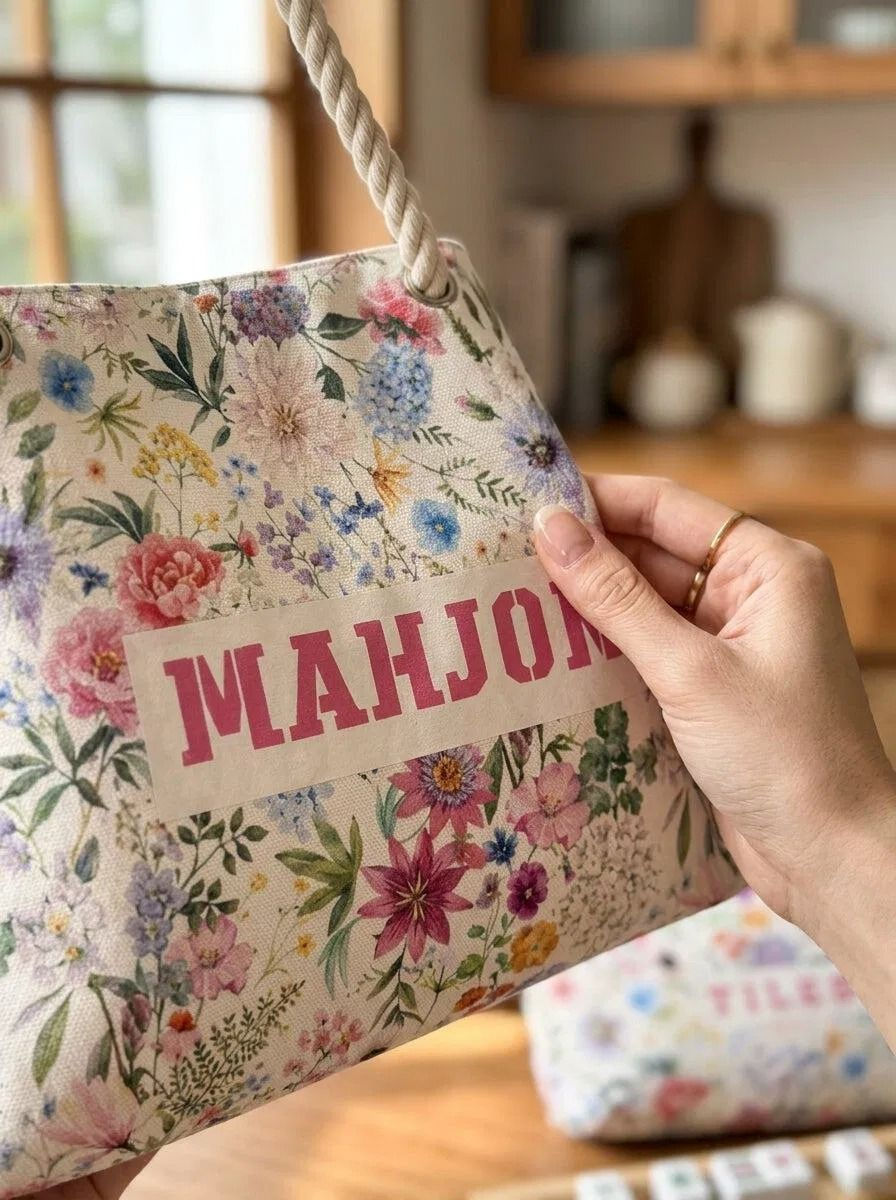
A standard mahjong bag fits a 160-tile acrylic set (roughly 8" × 4" × 3"), a foldable mat (usually 24" × 24" when folded), four racks with pushers, and a score pad—most designed to hold all core items without strain. Capacity varies: soft-sided drawstring or zippered bags hold essentials only; hard-case or reinforced tote bags add margin for extra jokers, tiles in transit, or dice. From the best-selling mahjong sets to specialized carriers, we design our travel bags at Mahstead for the full 152-tile gameplay plus room for your mats and racks. Most home players choose a soft carrier (lighter, portable), while tournament or weekly-game hosts prefer structured totes that protect tiles on car trips and stack neatly in closets.
Do I need a dedicated mahjong bag?
Yes, if you host or travel weekly. A bag keeps tiles together, prevents loss between games, and protects the set from dust and UV fade. A shoebox works for occasional play, but tile edges crack and jokers go missing. Most of us keep our sets in a dedicated bag at home and grab it every Friday.

What exactly fits in a standard mahjong travel bag?
A typical soft-sided travel bag (12" × 8" × 5" interior, measured flat) holds: one 160-tile acrylic set in its tray, one folded nylon mat (24" × 24" collapses to ~10" × 8"), and four racks with pushers stacked. If you remove the set tray, you gain 1.5" for dice, extra jokers, or a score pad. Hard-case carriers add 2"–3" of extra depth and keep tiles rigid during transit—essential if you're driving long distances or stacking bags in a car trunk.
Which bag type works best for my playing style?
Bag Type | Who it's for | Capacity | Pros | Cons |
Soft drawstring | Casual home players | Set + mat only | Lightweight, compact, affordable | Tiles shift if overstuffed; no racks |
Soft zippered | Weekly game hosts | Set + mat + 2 racks | Better protection, organized pockets | Limited depth for bulky mats |
Structured tote | Tournament/frequent travel | Set + mat + 4 racks + dice | Rigid sides, multiple compartments, stackable | Heavier, takes up closet space |
Hard-shell case | Serious collectors, long trips | Everything above + extra tiles | Maximum protection, airlines-safe, custom engraving option | Expensive, overkill for casual play |
Choose based on travel frequency: if you walk to a neighbor's game, soft drawstring works; if you drive to weekly play or store tiles in a garage, a structured tote prevents warping from humidity and temperature swings.
🀄 Shop best-selling mahjong sets →
How do I pack a bag to fit everything?
Start with the mat on the bottom, folded twice (24" × 24" mat folds to roughly 12" × 12", then once more to fit horizontally). Lay the set tray on top of the mat—never stack it spine-first, as jokers can slide. Place racks on their side against one edge, pushers tucked inside each rack. Dice and score pad go in side pockets or on top. If your bag has a zippered front compartment, use it for loose jokers or the National Mah Jongg League card (keep it flat to avoid dog-earing). Never force the zipper; overpacking stresses seams and can crack tile edges if pressure builds during a car ride.
What features protect tiles during travel?
Interior padding or a foam insert is the single biggest difference between a casual bag and a travel-grade one. Mahstead's mahjong bags and cases are designed with reinforced stitching at stress points (zipper anchors, bottom seams) to handle weekly removal and repacking. Look for: a water-resistant exterior (nylon, canvas) to protect against spills; dividers or a rigid base that keep racks from crushing tiles; and a carrying strap that doesn't cut into your hand when loaded. Hard-shell cases also offer UV-resistant plastics—crucial if you store your set in a sunny garage or car.

Should I buy a separate mat bag?
Only if you host indoors and leave your mat at the table between games. A dedicated mat bag folds to 10" × 10" × 1" and lets you store mats flat without creasing. If you travel with both mat and set, one structured tote is more practical than two bags. If you own multiple mats (say, a portable travel mat and a 6-month display mat), a thin mat storage organizer slides under a bed or closet shelf and is cheaper than buying two full bags. Check mat dimension before ordering: a 30" mat won't compress into a 12" bag.
✨ Find your Mahstead set — free US shipping →
What's the difference between a bag for a 160-tile and 152-tile set?
American mahjong uses exactly 152 tiles in play; a 160-tile set includes 8 spare tiles (extra jokers and/or blanks never added to the game). Both fit the same bag depth and width. The only size difference is weight: 160 tiles weigh roughly 2–3 oz more than 152, so a soft bag with weak seams might strain sooner. Capacity labels sometimes list "holds 160-tile set" as marketing; in practice, if a bag fits a tray holding 152 tiles snug, it will fit 160. Always verify interior dimensions (height × width × depth, all in inches) before ordering—don't rely on "fits standard set" claims.
Can I fit multiple sets in one bag?
Technically, yes, if you have a large tote (15" × 12" × 8" or bigger) and remove both set trays. Two sets side-by-side take ~10" of width and 4" of height. However, loose tiles without trays mix and scatter during car stops—a nightmare if tiles from two sets get tangled. We recommend one set per bag unless you're storing spare sets at home. For tournament play or teaching multiple groups, consider two travel bags instead of risking a game where you can't find the White Dragons.
What to check before you buy a mahjong bag
Interior dimensions: Measure your folded mat (usually 10"–12" × 10"–12" when compact) and your set tray. Match these to the bag's stated depth and width, not marketing names.
Zipper quality: Test-open the product photo or ask for video if buying online. Cheap zippers catch on nylon and wear out after 20–30 uses.
Strap attachment: Look for stitched (not glued) straps. A shoulder strap breaks if the anchor point is thread-only.
Water resistance: Nylon or canvas with a coating; plain cotton absorbs humidity and can mildew if stored damp.
Compartments vs. open design: Open bags are easier to repack but spill jokers; divided bags cost more but save game time.
Weight: If you carry by hand weekly, limit to 4–5 lbs. A hard case with tiles can hit 6–7 lbs—doable for car trips, tough for a daily commute.
🎁 See our most-loved mahjong sets & accessories →

FAQ
How much does a mahjong bag weigh when full?
A soft-sided bag with a 160-tile acrylic set, mat, and four racks weighs 3–4 lbs. Hard-shell cases add 1–2 lbs of casing. If you carry by hand on a crowded bus, aim under 3.5 lbs total.
Can I wash a nylon mahjong bag?
Yes. Wipe the exterior with a damp cloth and mild soap. Air-dry flat. Never machine-wash—seams can split. Interior: vacuum out dust or wipe with a dry microfiber cloth to avoid moisture pooling around tiles.
Do I need a bag if I keep my set at the game location?
No. If your weekly game is at a friend's house and your set lives there, skip the bag. If you rotate hosts or travel quarterly, a basic soft bag (roughly 12" × 8" × 5") is insurance against dust, spills, and lost jokers during storage.
What size bag fits a 24" × 24" mat and full set?
Interior dimensions of at least 14" × 10" × 5". Most soft totes meet this; check the product listing for exact measurements before ordering.
Can I use a jewelry box or craft organizer instead of a mahjong bag?
For home storage, yes—a shallow plastic bin with compartments works. For travel, no. Non-padded containers let tiles shift and bounce; exterior edges crack if the bin gets bumped in a trunk. A real mahjong bag is designed for motion and pressure.
Are Mahstead bags and cases available in different colors or custom designs?
See current options on the travel bag collection page. We also offer engraved mahjong sets and custom-design services—contact us directly for special requests.


View More
View More
View More
