
What Does the 7 Dot Tile Look Like in Mahjong?
Last updated: Nov 23, 2026
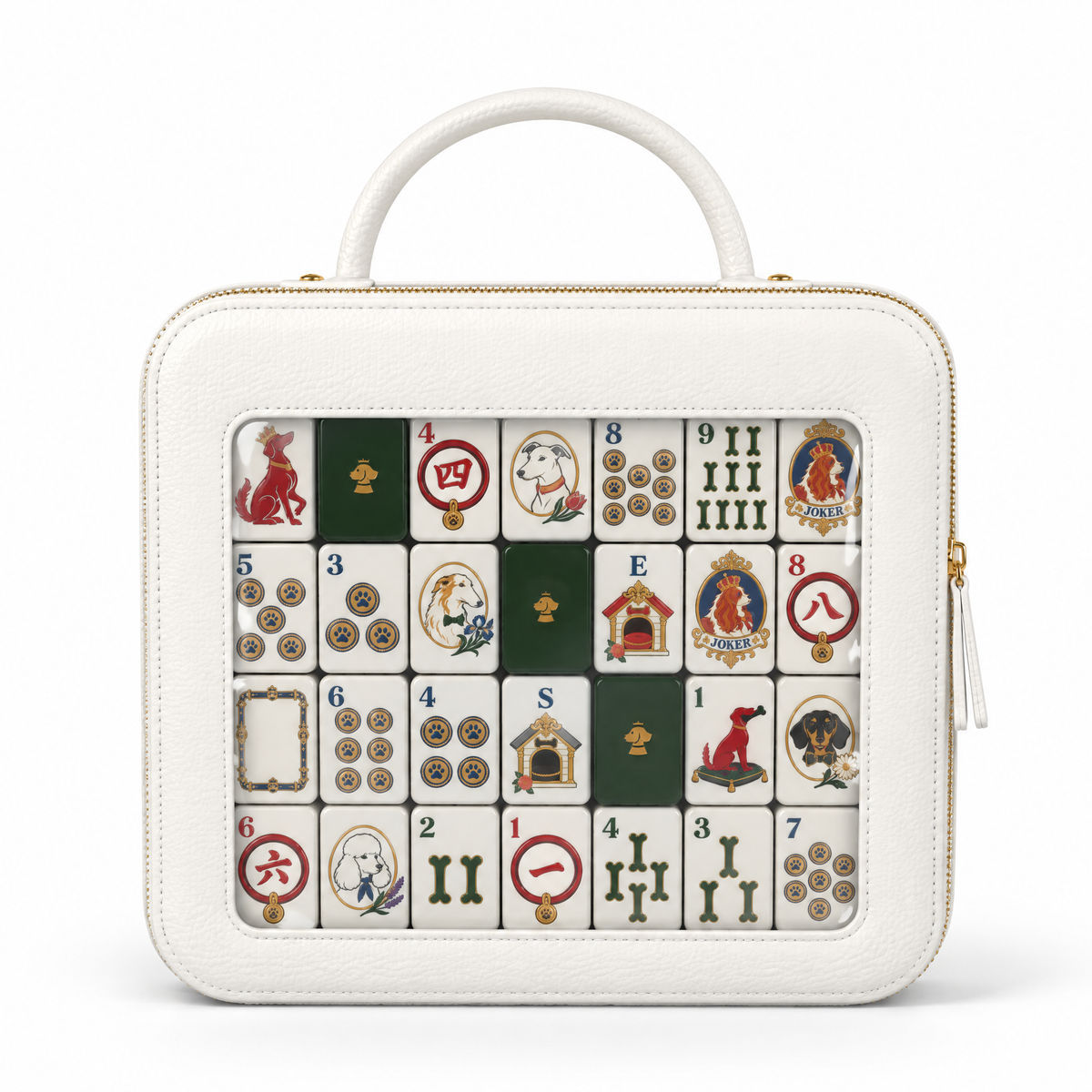
The 7 Dot tile in American mahjong shows seven small circles (pips) arranged in a 3-2-2 pattern—three down the left, two in the middle column, two on the right—against a background typically ivory or white. It belongs to the Dots suit (the third of three number suits alongside Bams and Craks) and ranks as a mid-value tile. Four identical 7 Dot tiles exist in a standard 152-tile set; players exposed them in pungs (3 tiles), kongs (4), or longer melds. The Dot suit symbols traditionally represent coins or currency. In a standard American mahjong set, the 7 Dot appears on the National Mah Jongg League card in dozens of legal hand patterns each season—knowing its appearance and value is fundamental to calling and winning hands. 🀄 Shop best-selling mahjong sets →
How Do You Identify a 7 Dot Tile at a Glance?
The 7 Dot is unmistakable once you learn the pip pattern. Count the small raised circles: seven means 7 Dot. Dot tiles are the smoothest suit visually—no pictures or symbols like Bams (which may show a bamboo stick) or Craks (which show a character or flower motif). The pips form a neat, symmetrical arrangement that's quicker to spot in your rack than reading other suit conventions.
Most quality acrylic tile sets render pips in high contrast—either carved deeply so shadows make them pop, or painted in a bold color that contrasts the tile surface. If your set uses engraved tiles, the carved pips catch the light and make the number obvious even from across the table. Worn or low-contrast tiles can slow recognition; this is one reason many of us prefer tiles with clear, deep engraving.

What Role Does the 7 Dot Play in Hand Combinations?
The 7 Dot pairs with other Dot-suit numbers to form melds and hands on the current year's National Mah Jongg League card. Because it sits in the middle rank (1–9 for each suit), it bridges patterns: you might need 7 Dot alongside 8 Dot and 9 Dot in a "kong" section, or as a single honor tile completing a "pair" row. Mid-rank tiles like 7 Dot appear in more hand patterns than extreme numbers (1 or 9), so recognizing it quickly saves you time scanning your rack for a winning combination.
In American mahjong, sequences (chows) don't exist—you can't expose a 1-2-3 run—so 7 Dot's power comes from matching and batching identical tiles into pungs (3) or kongs (4). This constraint makes tile recognition essential; fumbling to identify suit or number costs seconds and invites mistakes when the wall moves quickly.
How Does the 7 Dot Compare to Other Mid-Rank Tiles?
Tile | Suit | Pips | Pattern | Speed to ID |
7 Dot | Dots | 7 | 3-2-2 | Very fast |
7 Bam | Bams | 7 | 3-2-2 (different background) | Very fast |
7 Crak | Craks | 7 | 3-2-2 (with character) | Slightly slower |
Green Dragon | Honor | Symbol | Single dragon glyph | Slower |
The 7 Dot's all-pips design makes it faster to read than honor tiles (dragons, winds) which require symbol recognition. Among number tiles, 7 Dot and 7 Bam are equally quick—the difference lies in suit background color or texture. The 7 Crak, printed with a character, may take a fractional second longer to distinguish from nearby numbers. This matters little in casual play but compounds in fast tournament rounds where hand speed influences win rates.

What's the Visual Difference Between Dots and Other Suits?
Dots (also called circles or coins) appear as plain geometric pips—simple circles with no decoration. Bams traditionally show bamboo stalks or sticks and carry more visual complexity; Craks display an ornamental character or flower and require pattern learning. Dots, by contrast, are number-literal: count the circles, know the number.
This makes Dots psychologically easier for newer players to parse. When you're learning, the Dot suit feels less abstract than Craks (which may seem like symbols) or Bams (which carry cultural meaning). Many beginners report they learn Dots first, then branch to other suits.
Acrylic tile manufacturers often render Dots with painted pips or carved indentations. Best-selling mahjong sets typically feature all three suits in equal clarity—you shouldn't sacrifice legibility on any suit. If you're building your first set or upgrading, choose designs where Dots, Bams, and Craks all pop visually.
Why Does Tile Clarity Matter for Gameplay?
Clear, easy-to-read tiles reduce fatigue during long games. If you squint at the 7 Dot for two seconds, then check the card, then call a meld, you've lost momentum. Players hosting weekly games know that tile recognition speed correlates with win rates—faster identification means faster hand completion.
Worn tiles (from plastic sets that fade or chip), or low-contrast designs, slow everyone down. This is why many players upgrade to engraved American mahjong sets with crisp, durable surfaces. Engraved pips last decades without fading and resist wear from shuffling.
Poor lighting also affects clarity. If your game room has overhead fluorescents that wash out tile contrast, or if shadows fall across the table, even good tiles struggle. Pairing a quality tile set with adequate lighting (and a padded mahjong mat in a solid contrasting color) solves this. A mat's dark surface underneath makes light-colored Dot pips stand out by up to 40% more than bare table wood.
🎁 See our most-loved mahjong sets & accessories →
What to Check Before You Buy a New Mahjong Set
Dot clarity: Hold the set under your game room's lights. Can you count pips on a 7 Dot from arm's length without squinting?
Contrast: Do Dots (plain), Bams (stick style), and Craks (character style) read as distinct suits instantly?
Durability: Are pips painted (fade risk) or engraved (permanent)?
Tile feel: Does the tile sit flat in your rack, or does it rock?
Joker count: A standard American set plays with exactly 152 tiles and 8 jokers; confirm your set includes this or verifiable spare jokers.
Spare tiles: Do you receive extras for loss or damage?
✨ Find your Mahstead set — free US shipping →

FAQ
Is the 7 Dot the same in Chinese and American mahjong?
The tile appearance is identical (seven pips in a 3-2-2 pattern), but rules differ drastically. American mahjong uses a seasonal card; Chinese mahjong uses fixed hand patterns and allows sequences. Both games require fast 7 Dot recognition.
Why do some 7 Dot tiles look raised while others are flat?
Raised pips (engraved or embossed) cast shadows, improving readability; flat painted pips rely on color contrast alone. Engraved tiles typically outlast painted ones and read faster in poor lighting.
Can I use a worn 7 Dot tile if part of the pip is chipped?
Not in formal play; damaged tiles risk accusation of cheating or miscounting. In casual home games, replace it immediately. Quality acrylic tiles resist chipping far better than older plastic sets.
How many 7 Dot tiles are in a standard American mahjong set?
Four identical 7 Dot tiles (one per player's potential draw), totaling 36 Dot tiles across all nine ranks (1–9).
Does the 7 Dot appear on every National Mah Jongg League card?
Yes, it appears in multiple hand patterns each season. Mid-rank tiles like 7 Dot are more versatile than extremes (1 or 9) and rarely disappear from the current card.
What's the best way to teach someone to ID the 7 Dot fast?
Have them count pips aloud three times, then practice drawing from a shuffled rack without looking. Muscle memory kicks in after 50–100 draws; speed follows naturally.


View More
View More
View More
