
31.5 Inch Mahjong Mat: What to Know Before You Buy
Last updated: Nov 20, 2026
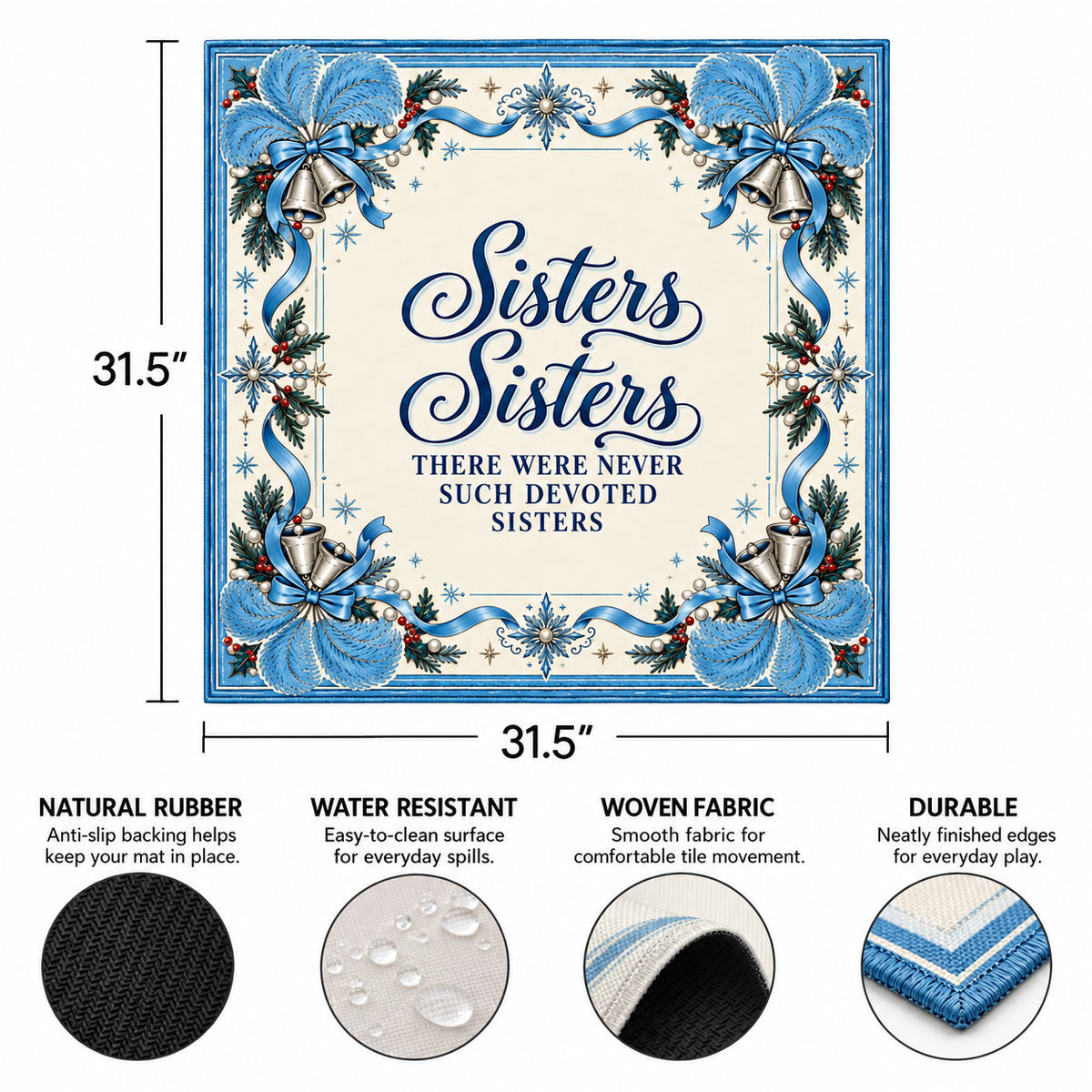
A 31.5-inch mahjong mat is a square play surface, usually acrylic or non-slip fabric backing, that fits the layout of four-player American mahjong. It accommodates a 152-tile set, four racks (if used), the tile wall, dice, and discard zones without cramping the table. The 31.5-inch dimension is the traditional footprint—smaller mats (often 27–28 inches) work for casual or compact games, while larger options (36+ inches) suit permanent setups or tournament play. Mahstead mats come in acrylic designs with engraved art, and feature a non-slip rubber backing so tiles stay put during play. Most players choose 31.5 inches because it balances visibility, reach, and portability; it folds or rolls for storage and fits standard table sizes. Quality varies by material thickness, printing durability, and edge reinforcement—all worth checking before you order.
What size mahjong mat do most players actually use?
The 31.5-inch square is the unspoken standard in American mahjong. It's sized to the official gameplay footprint: room for each player's 13-tile hand (or rack), the tile wall in the center (roughly 9–10 inches), dice and tiles in the middle, and discard piles at each player's edge. Most dining tables are 36–48 inches; a 31.5-inch mat leaves 2–8 inches of table border, keeping cups and scorepads visible. Smaller mats (27–28 inches) force tighter hand spacing and tile stacking; larger ones (36+ inches) are overkill unless you're hosting a public tournament or have a dedicated mahjong table. We've hosted weekly games on 31.5-inch mats for years—the reach is comfortable, tiles don't spill, and setup takes one minute.
How is a 31.5-inch mat made, and what's the difference between materials?
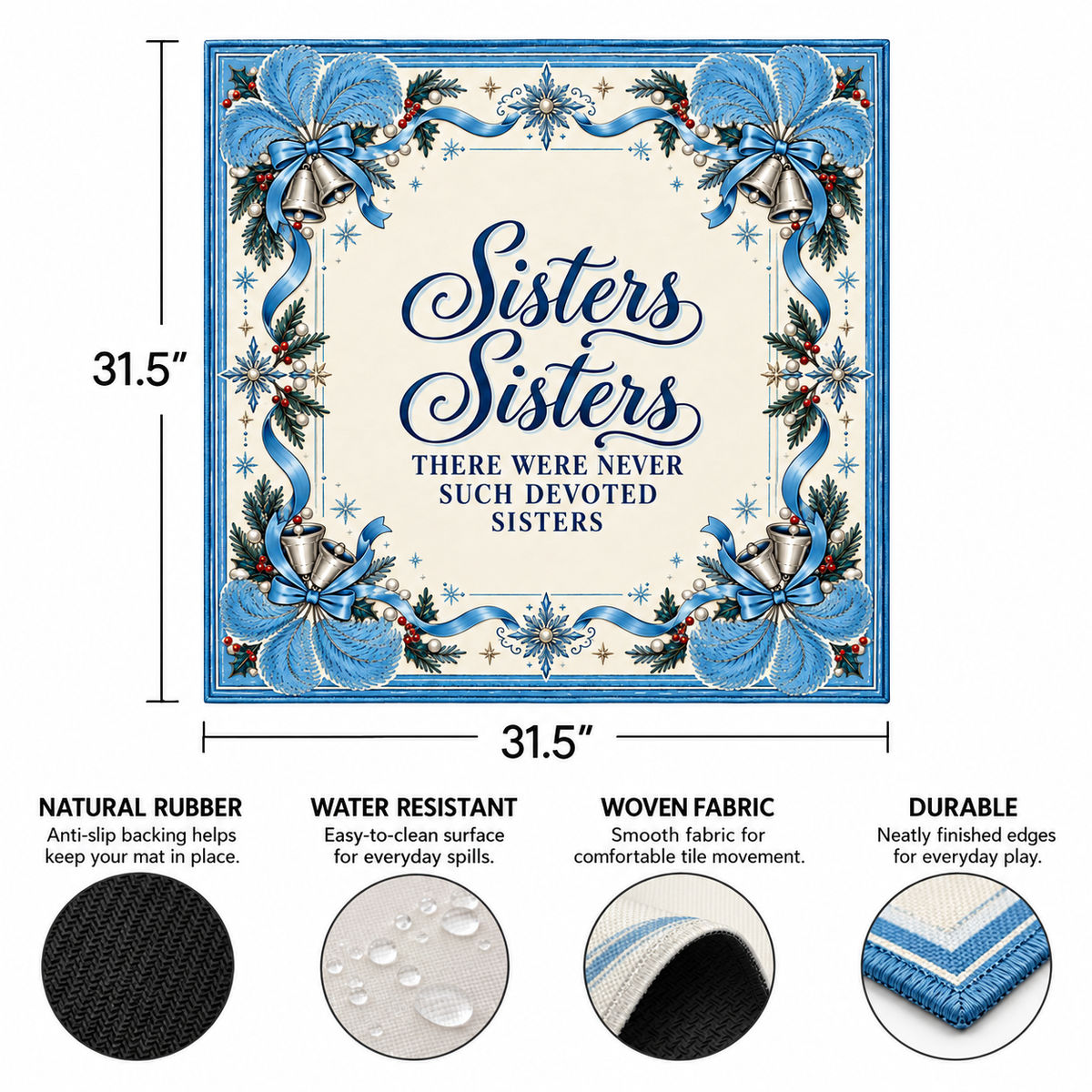
Acrylic mats (like Mahstead's engraved collection) are printed with art or text, then backed with non-slip rubber to prevent sliding during shuffles and tile draws. The rubber layer grips the table, so the mat stays flat even during vigorous play. Some mats use felt or microfiber fabric instead—these are softer underfoot, absorb moisture, and feel more like a traditional cloth surface, but wear faster at the edges and require more frequent washing. Acrylic is durable for 5+ years of weekly play if kept dry; fabric mats typically last 2–3 years before pilling or staining. Thickness matters: thicker backing (3–4 mm rubber) resists sliding better than thin vinyl. Mahstead mats arrive flat, rolled, or folded depending on size; they unfold to full size within an hour if rolled, or are ready to use immediately if flat-packed.
🀄 Shop best-selling mahjong sets →
What fits on a 31.5-inch mat, and how do you lay it out?
Here's a practical layout for four players with standard American mahjong equipment:
Zone | Who uses it | Space needed | Typical items |
Center wall | All players | ~9–10"×9–10" | 144 tiles (shuffled), 8 jokers |
North (head) | Caller or banker | ~9"×3" | Dice, wind marker, spare jokers |
East edge | East player | 31.5"×2.5" | 13-tile hand + racks (if used) |
South edge | South player | 31.5"×2.5" | 13-tile hand + racks (if used) |
West edge | West player | 31.5"×2.5" | 13-tile hand + racks (if used) |
Four corners | Discard zones | ~2"×2" each | Discards in numerical order |
A 31.5-inch mat leaves no buffer; every inch is functional. If you're using four mahjong racks with pushers, the mat is tight but workable. Without racks, you have room to rest hands and rest a scorepad at one corner. If someone knocks the wall, tiles slide but stay on the mat—that's the whole point.
Should you buy a 31.5-inch mat or go bigger or smaller?
Choose 31.5 inches if:
You play on a standard 36–48-inch dining or card table.
You host four-player games weekly.
You want portability (stores in a drawer or bag).
Your table space is shared (dining room doubles as game room).
Choose smaller (27–28 inches) if:
Your table is 30–36 inches and you have tight furniture.
You're a casual player or teach beginners (easier to see all tiles at once).
You want to minimize setup footprint.
Drawback: tiles are cramped; hands stack, and reach is tighter.
Choose larger (36+ inches) if:
You have a dedicated mahjong table or permanent setup.
You play in tournaments or public venues (more room to move).
You value comfort over storage.
Drawback: doesn't fit most home tables; harder to fold or travel with.
Most of us stick with 31.5 inches because it's the Goldilocks size: big enough to play comfortably, small enough to pack away after Thursday night.
🎁 See our most-loved mahjong sets & accessories →
What should you check before ordering a 31.5-inch mat?
Before you buy, ask yourself these questions:
Backing & grip. Does the mat list non-slip rubber or a similar non-skid base? Thin vinyl or felt-only mats slide on smooth tables and are frustrating. Look for at least 2–3 mm rubber.
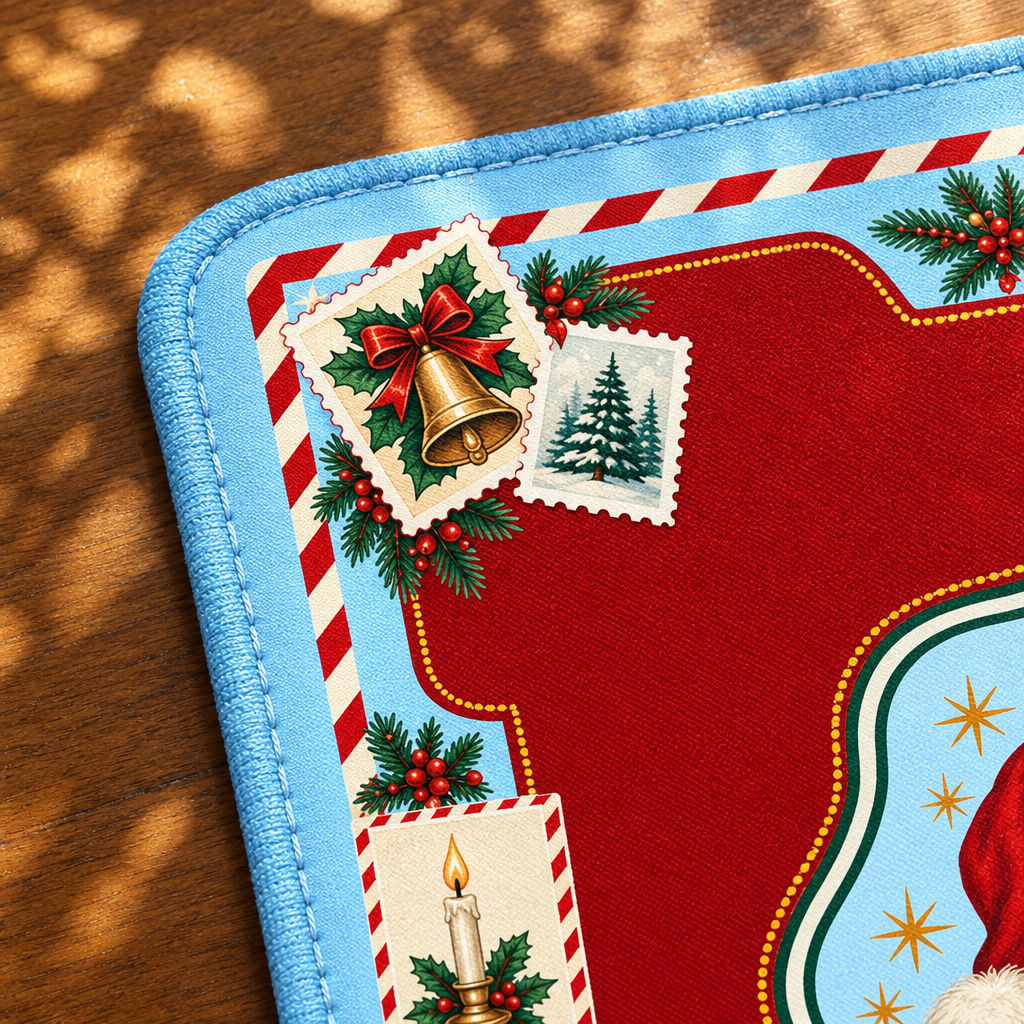
Edge reinforcement. Are the corners or edges stitched, welded, or sealed? Fraying edges wear fast and look ragged after a season of play.
Print durability. If engraved or printed, is the design UV-resistant? Sun exposure or frequent wiping can fade art. Acrylic prints hold color better than fabric dyes.
Thickness overall. Mats thinner than ⅛ inch feel flimsy; ¼ inch or thicker feels substantial and lasts longer.
Storage & packaging. Can you roll or fold it? How much space does it need? A rolled mat is easier to store than a stiff board.
Measurements confirmed. Double-check the listing says 31.5 inches, not 31 inches (which is slightly small) or 32 inches (which is slightly large). An inch off throws off tile spacing.
If a mat listing omits backing material, edge details, or thickness, contact the seller before ordering—these details matter more than color or design.
What's the difference between a mat, a tablecloth, and a table cover?
A mat (31.5 inches, rigid or semi-rigid) is designed for active play: tiles move on it, shuffle happens on it, and the backing grips the table to stay flat. A table cover or tablecloth is decorative fabric that protects a table from spills but allows sliding—tiles can drift during shuffles, and layout becomes uneven. Some covers are huge (60–72 inches) and cover the whole table for appearance. For serious American mahjong play, always use a mat, not a tablecloth. Mats are built for the physics of the game; covers are not. That said, if you're traveling or playing on a flimsy card table, a mat with excellent backing is essential—a cheap mat on a loose table is worse than no mat at all.
✨ Find your Mahstead set — free US shipping →
What to check before you buy
Your table dimensions. Measure your table: 31.5 inches leaves 2–8 inches of border on each side on a typical 36–48-inch table. If your table is 30 inches, the mat may overhang slightly (some players prefer this; others find it awkward).
Traffic around the table. If people pass behind seats, a mat that stays flat and doesn't bunch is critical. Non-slip backing solves this; flimsy alternatives cause accidents.
Storage space. Can you roll, fold, or hang the mat? Mahstead mats come flat or rolled depending on design; confirm how it arrives.
Maintenance. Acrylic mats wipe clean with a damp cloth; fabric mats need gentle hand-washing. Know your lifestyle before committing.
Budget for the set too. A 31.5-inch mat pairs with a quality American mahjong set—clear acrylic tiles and Mahstead's printed designs are popular for home games.

FAQ
Is 31.5 inches the official size for American mahjong?
Yes, 31.5 inches is the standard for four-player American mahjong in home and casual club play. Tournaments may vary slightly, but this size is the default for anyone following the National Mah Jongg League framework.
Can I use a 31.5-inch mat on a small apartment table?
If your table is 36 inches or larger, yes. Measure first. On a 30-inch table, the mat overhangs and may feel unstable. Consider a 27-inch mat for tight spaces instead.
Do I need a mat if I play with racks and pushers?
A mat isn't strictly necessary with racks, but it's invaluable for hand stability, grip, and preventing tiles from rolling off the table during shuffles. Most serious players use both mats and racks.
What's the best way to store a mahjong mat?
Roll it loosely (don't crease) or hang it flat on a wall. Never fold it tightly for months—creases can become permanent. Store in a dry place away from direct sunlight to prevent fading.
Can I wash a Mahstead acrylic mat?
Yes, wipe it with a damp cloth and mild soap, then dry immediately. Don't soak it or use harsh chemicals. The rubber backing can absorb water if left wet too long.
How long does a 31.5-inch mat typically last?
With weekly play and proper care, an acrylic mat lasts 5+ years. Fabric mats wear faster (2–3 years) at the edges. Quality backing is the best predictor of longevity.


View More
View More
View More
