
Designer Mahjong Table: Choose Your Perfect Mat Setup
Last updated: Nov 23, 2026
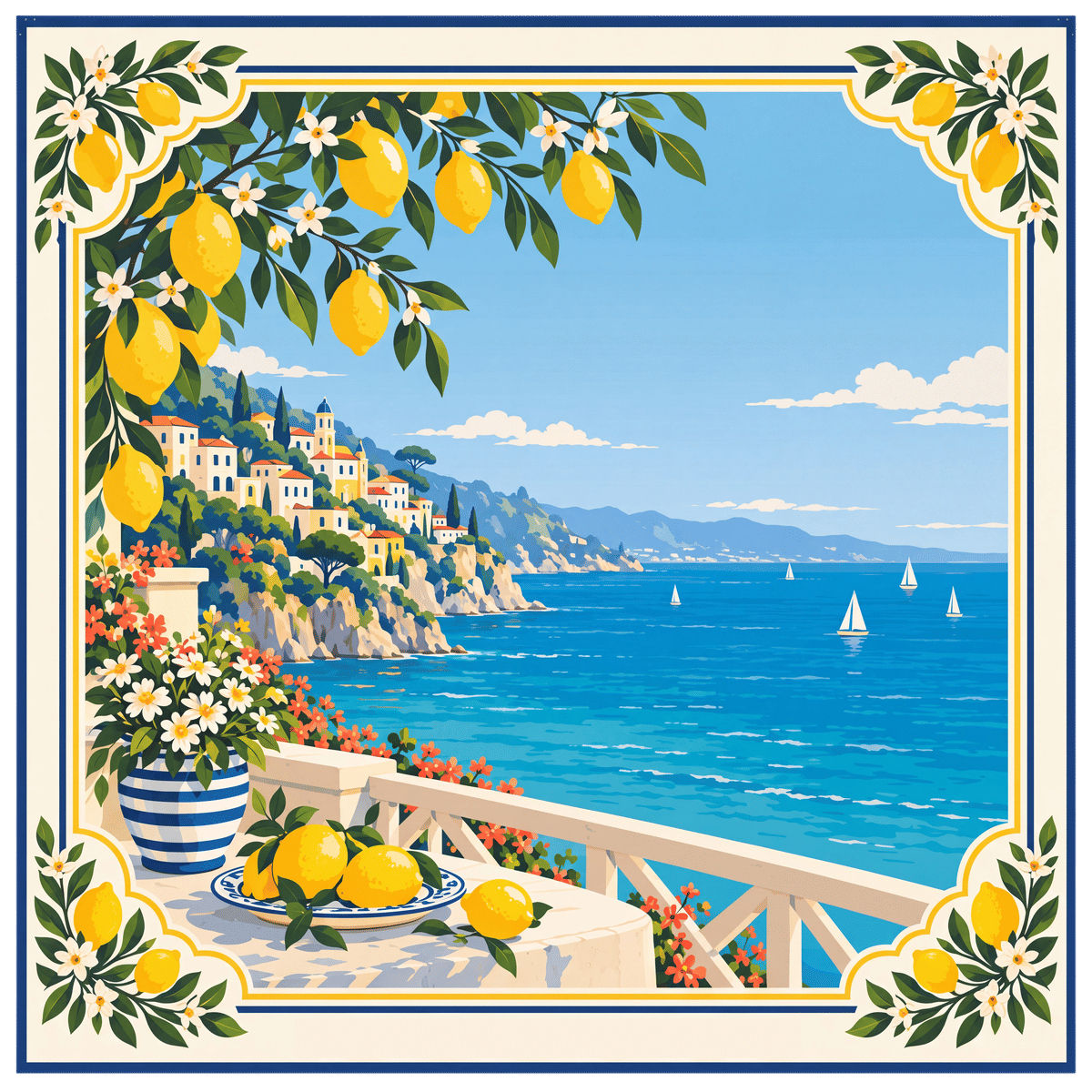
A designer mahjong table for American mahjong typically means an engraved cloth mat (32"–48" across), not furniture. These mats hold all four players' tiles, define discard areas, and often display custom art, jokes, or player names. We've seen designs range from classic bamboo motifs to custom family monograms, humorous sayings, or themed seasonal prints. Most are nonslip-backed cotton or nylon, fold for travel, and last through hundreds of games when cared for properly. Mahstead's engraved mahjong mats start from practical sizing (32" for casual home groups) up to tournament-grade layouts (48" for serious leagues). Price depends on size and customization—generic mats cost less; fully personalized designs with engraved monograms, titles, or jokes command more. The key decision: do you want a mat that travels (fold-flat, under 5 lbs) or a statement piece for a dedicated table? 🀄 Shop best-selling mahjong sets →
What does "designer" actually mean in mahjong tables?
In American mahjong, "designer table" rarely means solid wood furniture. Instead, we're talking about a mat—a printed or engraved cloth layout that lies flat on any dining table, card table, or outdoor surface. The "design" refers to custom graphics: your club's name, funny one-liners, family monograms, seasonal themes (holiday motifs, summer colors), or branded artwork. A generic layout just shows tile zones; a designer mat adds personality while keeping the game functional. Think of it as the difference between a plain white mug and one engraved with your initials or an inside joke your group says every Thursday night.
What size designer mat do you actually need?
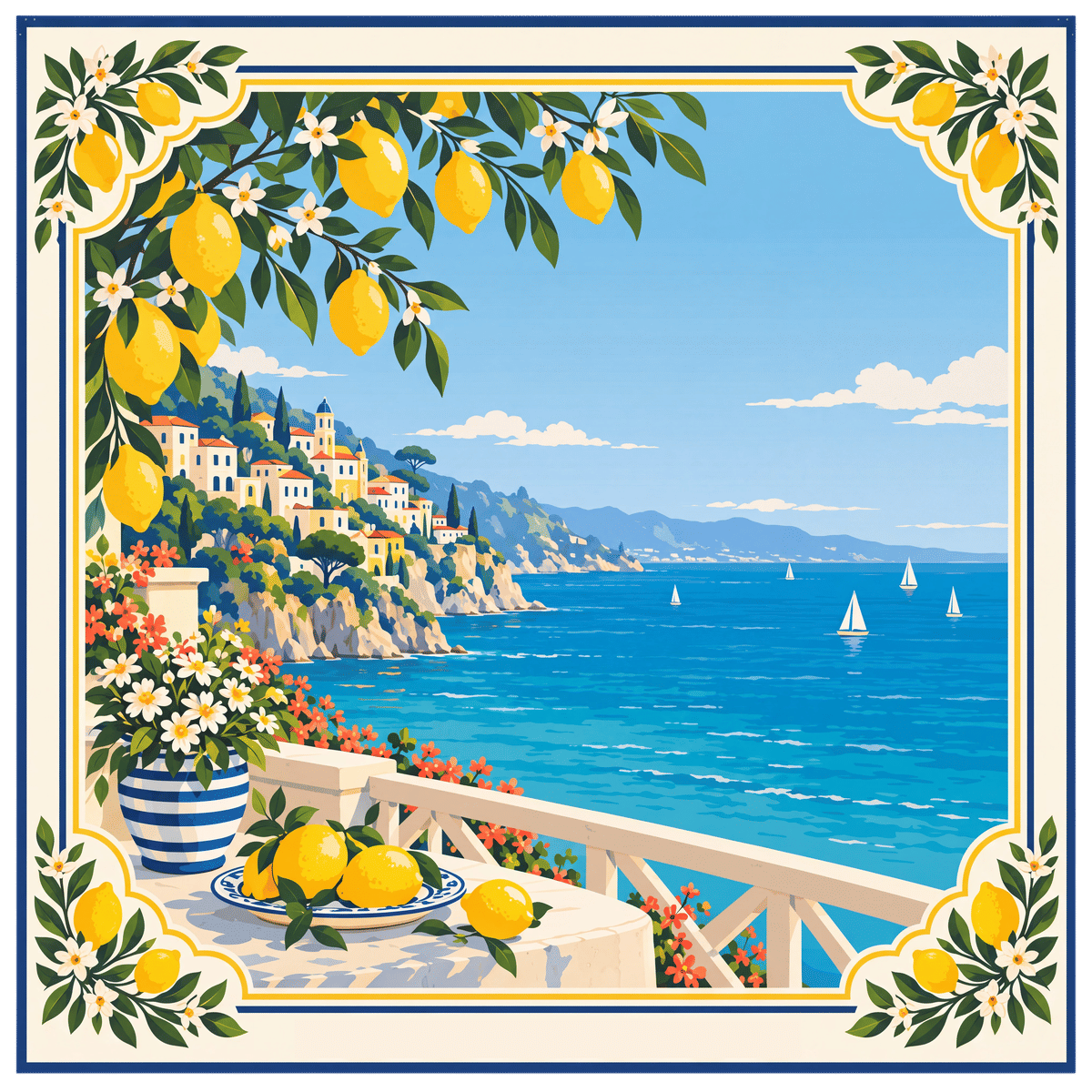
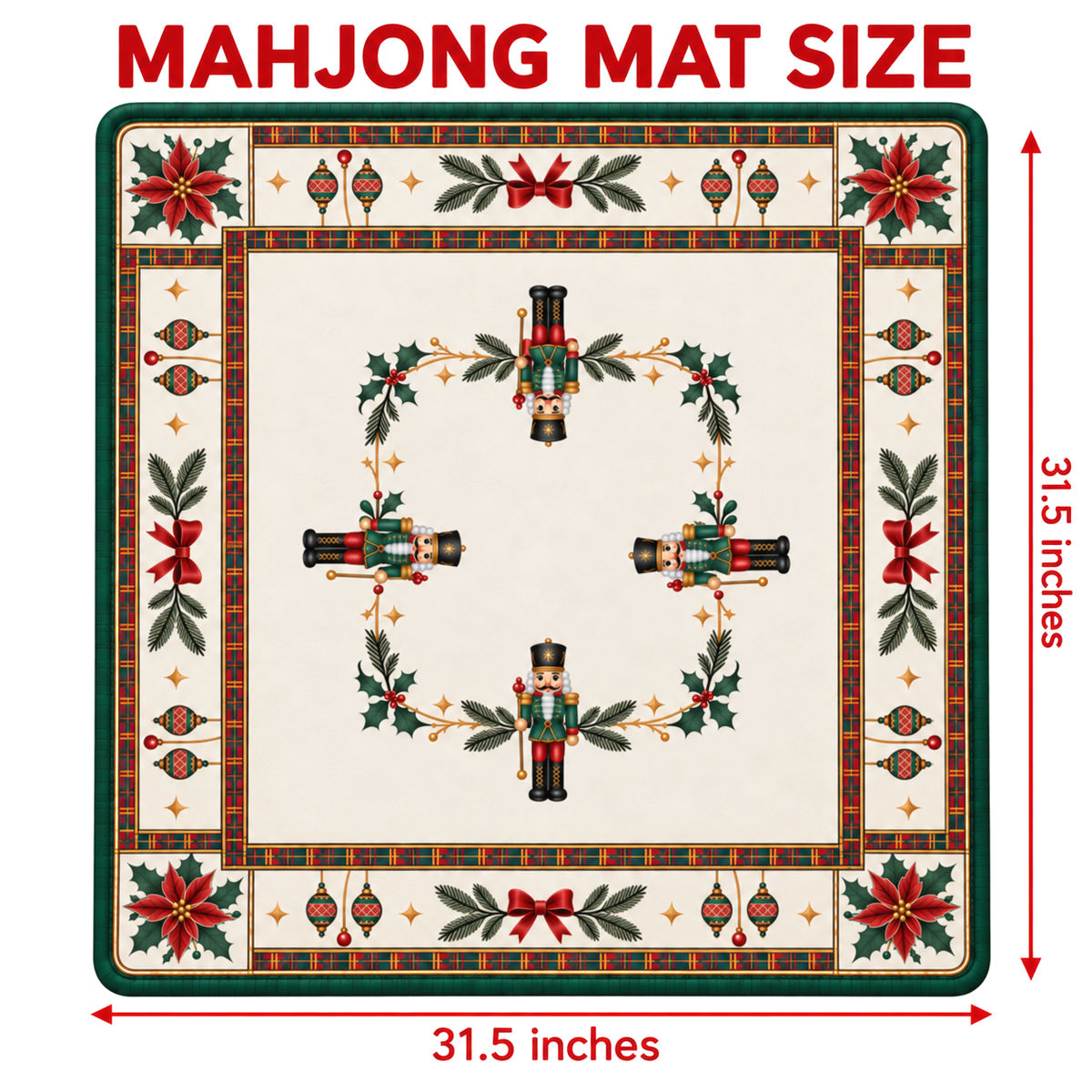
Our experience: table size drives mat size, and mat size drives storage and portability. A 32" square mat suits two-player mini-games or casual home setups on a small round table; fits in a car easily. A 36" mat is the sweet spot for home four-player games on a standard dining table—room for each player's rack, discards, and the center wall without crowding. A 40"–48" mat is for serious hosts with large tables or league players who want tournament-standard spacing; takes up a closet shelf or dedicated storage case. If your group rotates hosts, a folding mat under 40" saves sanity; if you own one permanent game table, go larger and leave it set up year-round. Most mahjong mats roll or fold into a bag, so measure your current table and add 4"–6" for player comfort around the edges.
🎁 See our most-loved mahjong sets & accessories →
How much does customization cost, and what can you actually engrave?
Customization pricing depends on:
Size: 32" ≤ 36" ≤ 40"–48" (larger = more fabric = higher base cost).
Design complexity: simple monogram vs. full-color multi-line artwork (fonts, player names, joke, club logo).
Material: standard cotton or nylon vs. premium nonslip backing.
A generic printed mat with standard tile zones costs less than a blank mahjong mat. A personalized mat with your family name, the year, or a one-liner ("We don't play for money—just dignity") or seasonal theme costs more but becomes an instant conversation piece. Typical engraving covers one or more corners, a central medallion, or border areas—not the playing surface itself, so you're not obscuring tiles or zones. The rule: keep text off the active tile zones and discards, or you'll squint during play.
Engraved mat vs. a plain mat with a separate cloth cover—which is better?
Feature | Engraved Designer Mat | Plain Mat + Cloth Cover | Best For |
Customization | Permanent; design is integral | Swap covers for seasonal looks | Hosts who like variety |
Cost | Higher upfront (one investment) | Lower mat + cover as add-ons | Budget-conscious groups |
Durability | Fades if in sun; not replaceable | Mat lasts; covers wash & rotate | Outdoor or high-traffic games |
Storage | One item; compact | Multiple covers = more bulk | Small living spaces |
Hosting flex | Fixed look all year | Change covers for holidays | Groups that love themed nights |
For a designer aesthetic that sticks, an engraved mat wins. For flexibility (change the look for Thanksgiving, summer, Hanukkah, or when new players join), a plain mat with a wardrobe of cloth covers lets you rotate designs without replacing the mat. We recommend browsing the engraved mahjong mat collection first—many already include custom options—then deciding if you want permanent art or swappable covers.
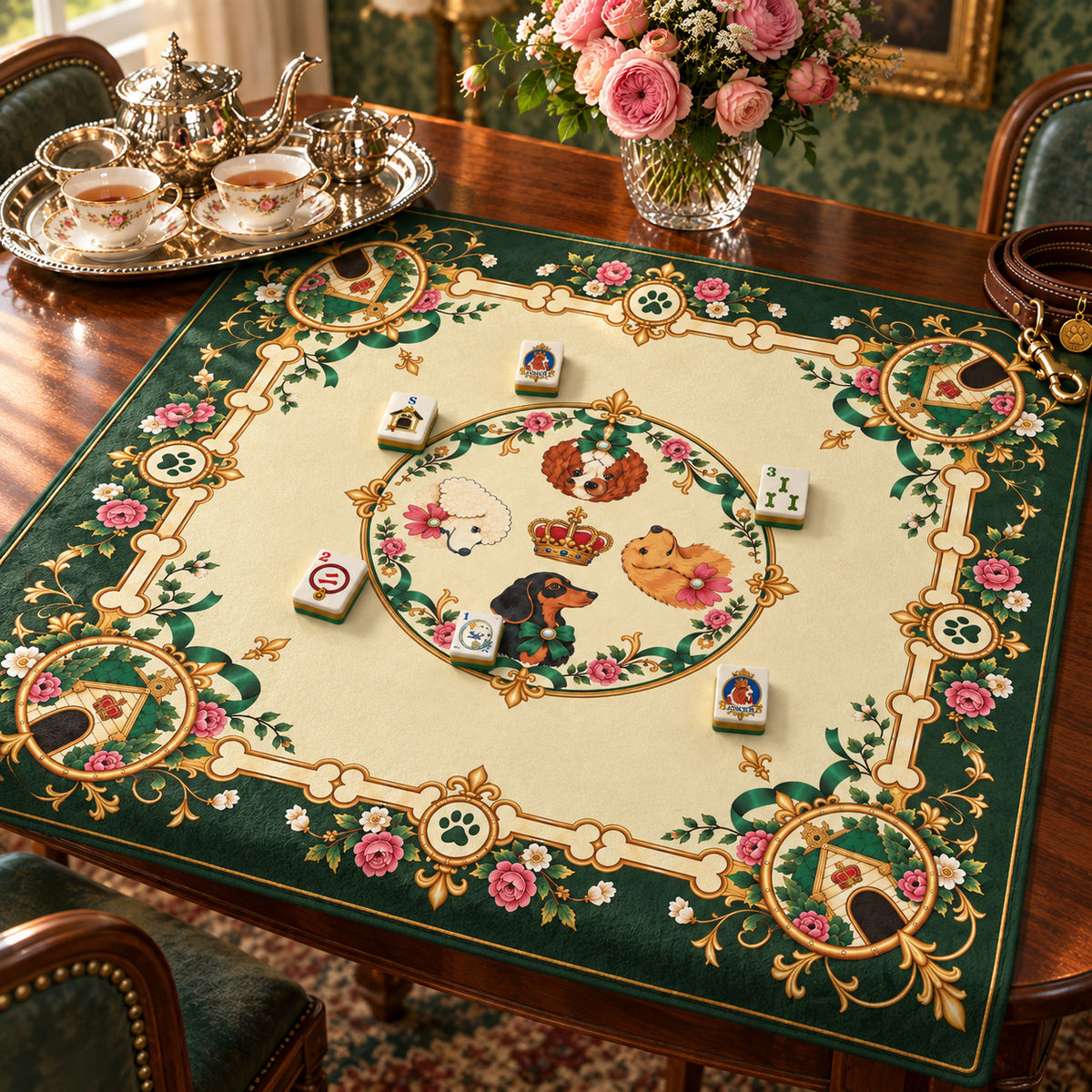
What features prevent a designer mat from falling apart after one season?
Real-world failures we've seen and how to avoid them:
Nonslip backing curling or peeling: Mats without bonded nonslip or with cheap adhesive curl at corners within months. Check: product description mentions "secured nonslip" or "permanently bonded" backing, not loose rubber.
Printed artwork fading or cracking: Low-quality screen printing or dye sublimation flakes off after washing or sun exposure. Verify: the design is durable enough for 50+ game sessions and occasional gentle hand-washing (cold water, no bleach).
Seams separating: Mats that aren't stitched or heat-sealed at edges fray. Look for: mention of reinforced or sealed edges in the product details.
Sizing shrinkage: Fabric mats can shrink 2"–3" if washed in hot water or machine-dried. Rule: Always cold-rinse, air-dry flat; never tumble-dry.
Creases not releasing: A mat rolled or folded for years can develop permanent wrinkles. Tip: Store flat in a large garment bag or unroll it weekly during off-season to let it relax.
Our pick: Mahstead's mahjong mats specify material and care in each listing. Before ordering, scan the product page for fiber content, backing method, and recommended cleaning.
✨ Find your Mahstead set — free US shipping →
Designer mat + complete tile setup—what else do you need to host well?
A beautiful mat is only part of hosting. To complete the experience, pair it with:
Mahjong racks with pushers: Hold and organize tiles so they're visible only to you. A designer mat looks even sharper when players use matching engraved racks.
A full American mahjong set: 160 tiles (152 playing + spares), suits, winds, dragons, flowers. If your mat is custom, consider a matching or complementary tile set.
Mahjong bag or case: Protect the mat and tiles during transport between hosts. A personalized mat deserves a personalized travel home.
Dice: Two or three standard dice to determine seating and opening wall. Simple, timeless.
Hosting checklist: Mat (sized & personalized) + Tiles (full set, well-maintained) + Racks (optional but pro) + Bag (protects investment) + Light (overhead or table lamp—a mat's art shows best under good lighting) + Score pad (track rounds and yearly standings). A complete custom mahjong setup becomes the reason your home is the game night destination.
How to choose a designer mat: step-by-step decision framework
Step 1: Measure your table. Width and depth of your dining table. Add 4"–6" for overhang so players can rest their arms comfortably. If you're a rotating host, measure the smallest table you'll ever use; go one size down to ensure fit at every house.
Step 2: Decide between portable and permanent.
Portable (≤40", rolls into a bag): fits in a car, stores in a closet, rotates between host homes.
Permanent (40"–48", leaves out on a dedicated table): statement piece, no setup time, mat condition decays faster outdoors.
Step 3: Choose your design flavor.
Classic: bamboo, jade, gold tones—timeless, pairs with any tile set.
Funny: inside jokes, player names, "This is serious business," "No phones," "Shhh... counting."
Themed: holiday colors, seasonal motifs, family name and year (great for multigenerational groups).
Branded: club logo, league emblem, or monogram.
Step 4: Check material and care. Product page should list fabric (cotton, polyester blend, nylon), backing type, and washing instructions. Avoid mats with no care details—they often fail faster. Nonslip backing is essential; standard cotton or nylon fabric is durable if sealed or stitched at edges.
Step 5: Budget for the long term. A quality designer mat is a one-time investment (3–10 years if cared for). Compare: cheap generic mat ($X) vs. custom engraved mat ($Y). The engraved version costs more upfront but becomes part of your group's identity and lasts longer when the customization is built-in.
Step 6: Order and inspect on arrival. Unroll or unfold immediately. Check: colors match the design preview, no loose backing, seams are secure, no wrinkles that won't release. Lay it flat for 24 hours if it arrived creased. Keep the packaging until you're certain everything is correct.
What to check before you buy a designer mahjong table mat
Checkpoint | Why It Matters | Red Flags |
Size accuracy | Wrong size won't fit your table or travel bag | Listing says "approximately"—ask for exact inches |
Material & backing | Durability & grip during play | "Material TBD" or no backing mentioned |
Customization details | Your art won't show after one season if printing is cheap | No mention of dye method (sublimation vs. screen print) |
Seam & edge finish | Mat won't fray or separate | Seller doesn't mention edge-sealing or stitching |
Care instructions | You'll know how to keep it pristine for years | Vague guidance; "wash as needed" isn't enough |
Shipping & arrival condition | Peace of mind; you'll catch damage early | No mention of packaging or return policy |
Tile zone layout | You'll recognize your playing areas immediately | Design obscures the four player zones or discard lines |
Before ordering, email the seller if the product page lacks any of these details. A reputable designer mat provider will have specs for all six areas. Mahstead's mahjong mat collection breaks down size, material, and customization per product—scan each listing to match your needs.
FAQ
Can I use a designer mahjong mat outdoors, or will it fade and wear out faster?
Yes, but expect fading and mildew within one season if left in direct sun or humid air. UV light and moisture break down fabric and printed dyes. If you host outdoors, store the mat in a covered case between games and bring it inside immediately after play. A mat designed for indoor storage will last 5–10 years; outdoor use cuts that to 1–2 seasons.
What's the difference between a 36" and a 40" mat—does it really matter?
A 36" mat fits a standard 48" or 54" dining table with 6" of play space per side; 40" fits a 60"+ table with the same comfort. If players feel crowded on a 36" and keep knocking racks over, you need 40" or larger. Measure your actual table; if you're between sizes, go larger for comfort—you won't regret the extra room for storing tiles or reaching across.
Can I wash my engraved designer mat, and will the design survive?
Yes, cold water and gentle hand-washing are safe for most engraved cotton or nylon mats with sewn or heat-sealed seams. Use mild soap, no bleach, no machine wash, and air-dry flat. Avoid hot water, which can shrink fabric and fade dyes. Check the product page for specific care—some mats use dyes or printing that can't handle any water; if so, spot-clean only.
Should I buy an engraved mat with our family name or keep it generic so it still looks good when new players join?
If your group is stable (same four people for 5+ years), a family or group name mat builds identity and makes a great display piece—it's meant to age with you. If your group rotates or you host mixed games, a classic or funny design without personal names stays relevant as people come and go. A humorous saying ("Bad hands, good friends") or your city/club name appeals to both regulars and newcomers.
How do I store a designer mat between seasons to prevent permanent creases or mildew?
Roll (don't fold) the mat tightly around a paper towel tube or pool noodle to avoid sharp creases; wrap in a breathable cloth bag or cotton pillowcase—not plastic, which traps moisture. Store flat in a cool, dry place (closet, under a bed, a large chest) away from direct sun. Never store a damp mat; air-dry it fully first. Every 3–4 months, unroll it for an hour to let any tension release and check for mold (if found, spot-treat with white vinegar and air-dry immediately).
Can I order a custom-engraved mat with my group's logo or a specific joke, and how long does that take?
Most designers accept custom artwork (PNG, PDF, or description), but lead times vary—typically 2–4 weeks beyond standard mats. Email a sketch or description of what you want, ask for a mock-up, and confirm before they print. Once approved, they'll produce it and ship to you (free US shipping at Mahstead). Build in time if you're hosting a special game night and want the mat ready—don't order two days before an event.


View More
View More
View More
