
Vintage Style Mahjong Mat: Choose the Right Design for Your Game
Last updated: Nov 23, 2026
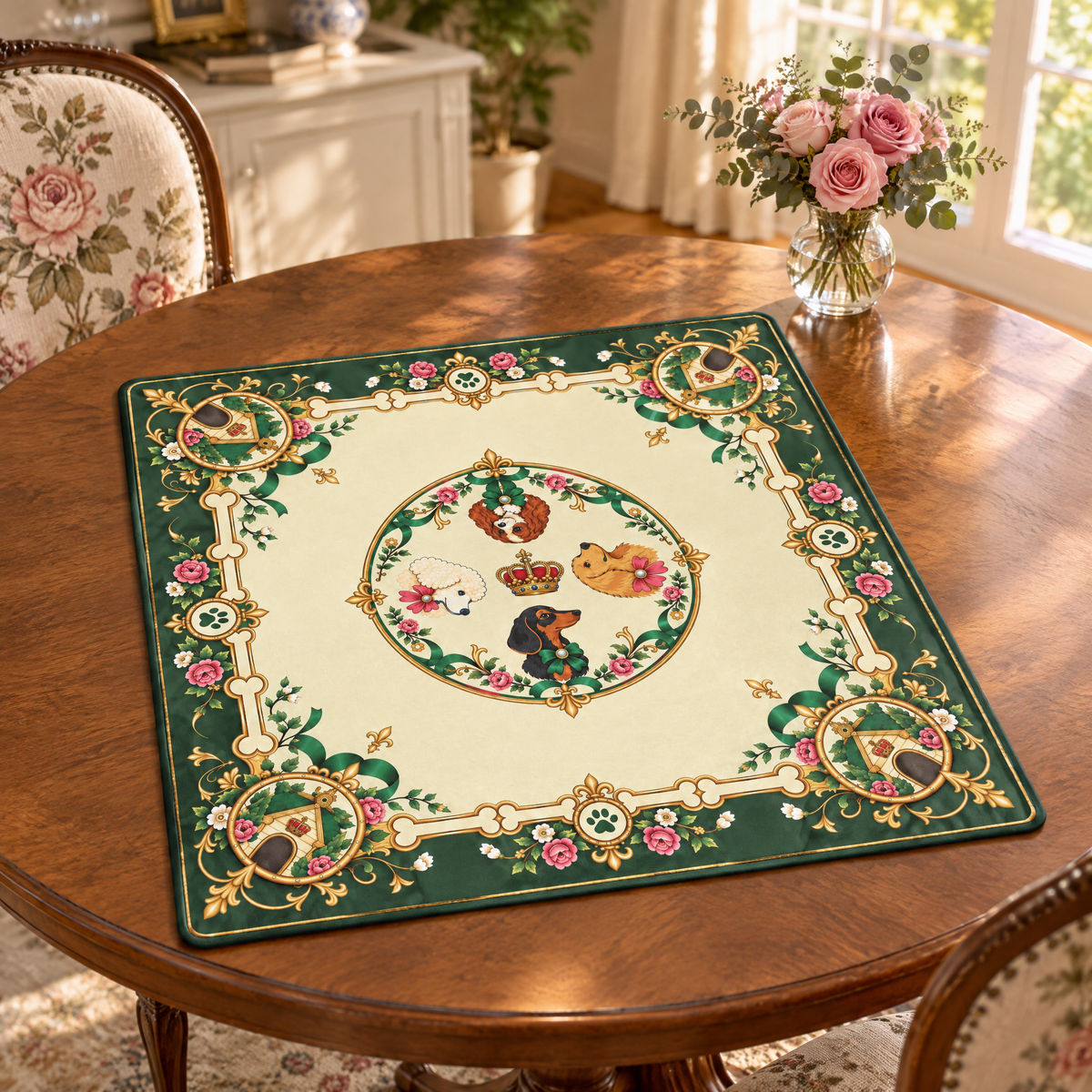
Vintage-style mahjong mats are acrylic or fabric playing surfaces printed with classic designs—art deco patterns, traditional motifs, or nostalgic color palettes—that evoke earlier eras while performing on modern tables. They range from 2×2 feet to full 3×3 foot layouts, most featuring embossed or printed zones for dealer, North, East, West, and discard piles. Available from best-selling mahjong sets retailers, they typically ship flat and unroll easily; acrylic versions wear longest under heavy play. Cost depends on material and print detail; custom engraving adds personalization. Buy from sellers who show precise dimensions and material spec before checkout to avoid undersized or faded arrivals.
What makes a mat "vintage style" versus modern?
Vintage-style mats draw from 1920s–1970s design languages: art deco geometry, muted earth tones, hand-drawn florals, or nostalgic typography. Modern mats favor bold solid colors, minimalist zones, or photorealistic tiles. The difference is aesthetic; both function identically in play. Choose vintage style if you want your table to feel like a classic game room; pick modern if you prefer clean, minimal décor.
What size mat do you actually need for four players?
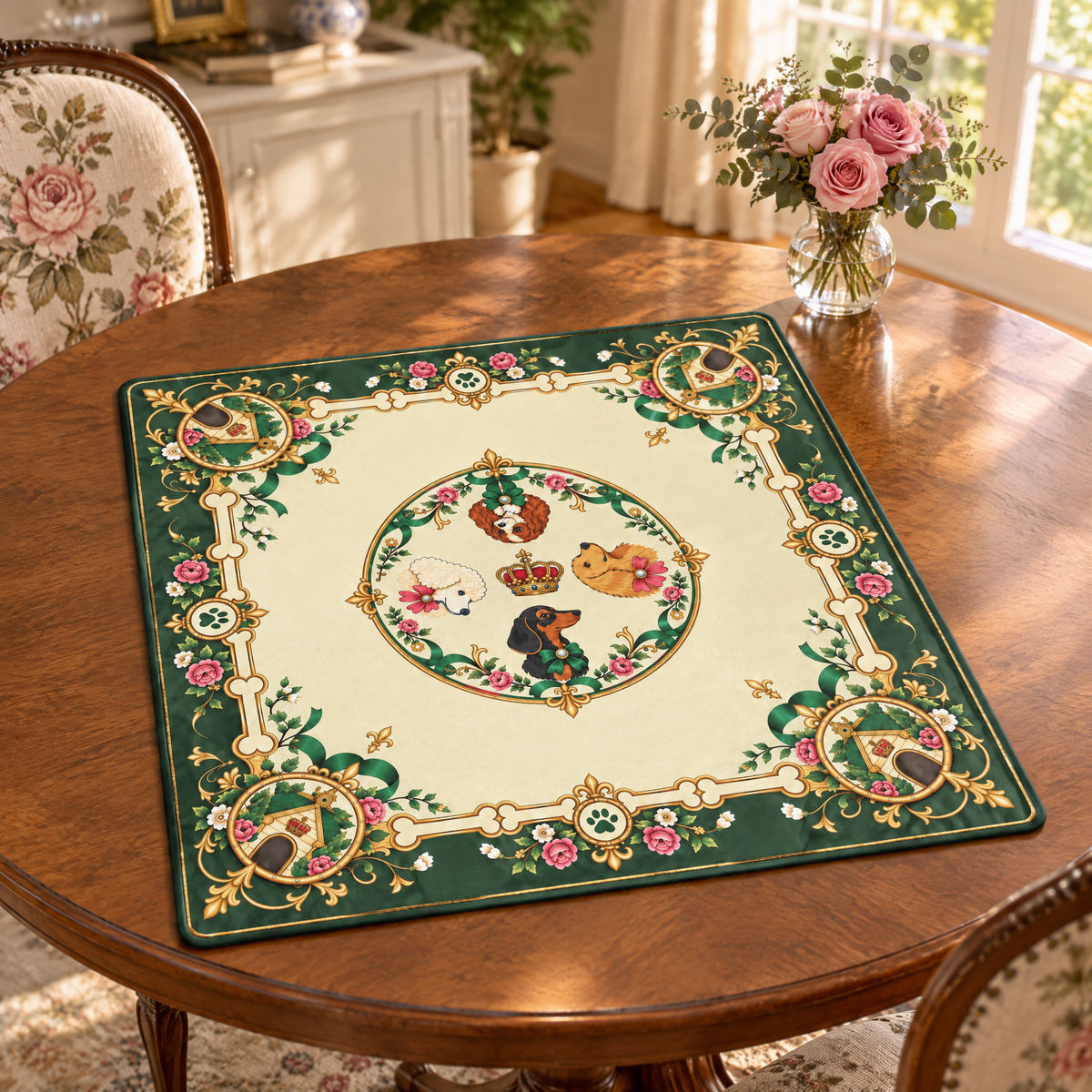
A standard mat runs 3 feet by 3 feet, fitting a round or square table and leaving arm room for all four players. Smaller 2×2 mats work for tight spaces but cramp hand placement and tile visibility. Measure your table—if it's under 42 inches across, a 2×2 mat is workable; otherwise, go 3×3. Our mahjong mats collection lists exact dimensions so you don't overorder or undersell yourself on space.
Acrylic or fabric: which wears longer under weekly play?
Acrylic mats are laminated to a non-slip backing and resist staining, water rings, and fading over 2–3 years of weekly games. Fabric mats (felt or cotton blend) absorb spills, yellow under sun, and pill after 12–18 months of heavy shuffling. If you host every week, acrylic wins; for monthly casual play, fabric costs less upfront. Neither requires special care—wipe down after each session and store flat or rolled.
How do you tell quality print from a cheap one before ordering?
Look for mats where the vintage design appears crisp and level on product photos, with no visible color bleed at zone lines. Check the seller's return policy—reputable makers allow 30 days for fading or misalignment issues. Read the material spec: "UV-printed acrylic" or "embossed zones" signals durability; vague "printed mat" often means thin, prone to wear. Ask the seller for zoom-in photos of the tile markings and dealer zone; blurry images mean blurry mats.
🀄 Shop best-selling mahjong sets →
Vintage mat styles: which fits your game room?
Style | Who it's for | Aesthetic | Why it works |
Art deco geometric | Collectors, formal hosts | Black/cream/gold, bold angles | Timeless, hides wear |
Floral/botanical | Players who love color | Muted greens, peach, lavender | Vintage charm, calming |
Retro typography | Nostalgic players | 1950s fonts, quirky slogans | Conversation starter |
Sepia or two-tone | Budget-conscious gamers | Brown/cream, minimal print | Affordable, durable |
Custom engraved | Groups, anniversary players | Your name/date/tiles | Keepsake, personal |
Vintage styles vary in how much visual detail they carry. Art deco and sepia designs hide dust and tile marks better than light pastels, so they feel "fresh" longer between cleanings. If you play in a bright room, muted tones won't fade as noticeably as vivid reds or golds.
Custom engraving: when is it worth the extra cost?
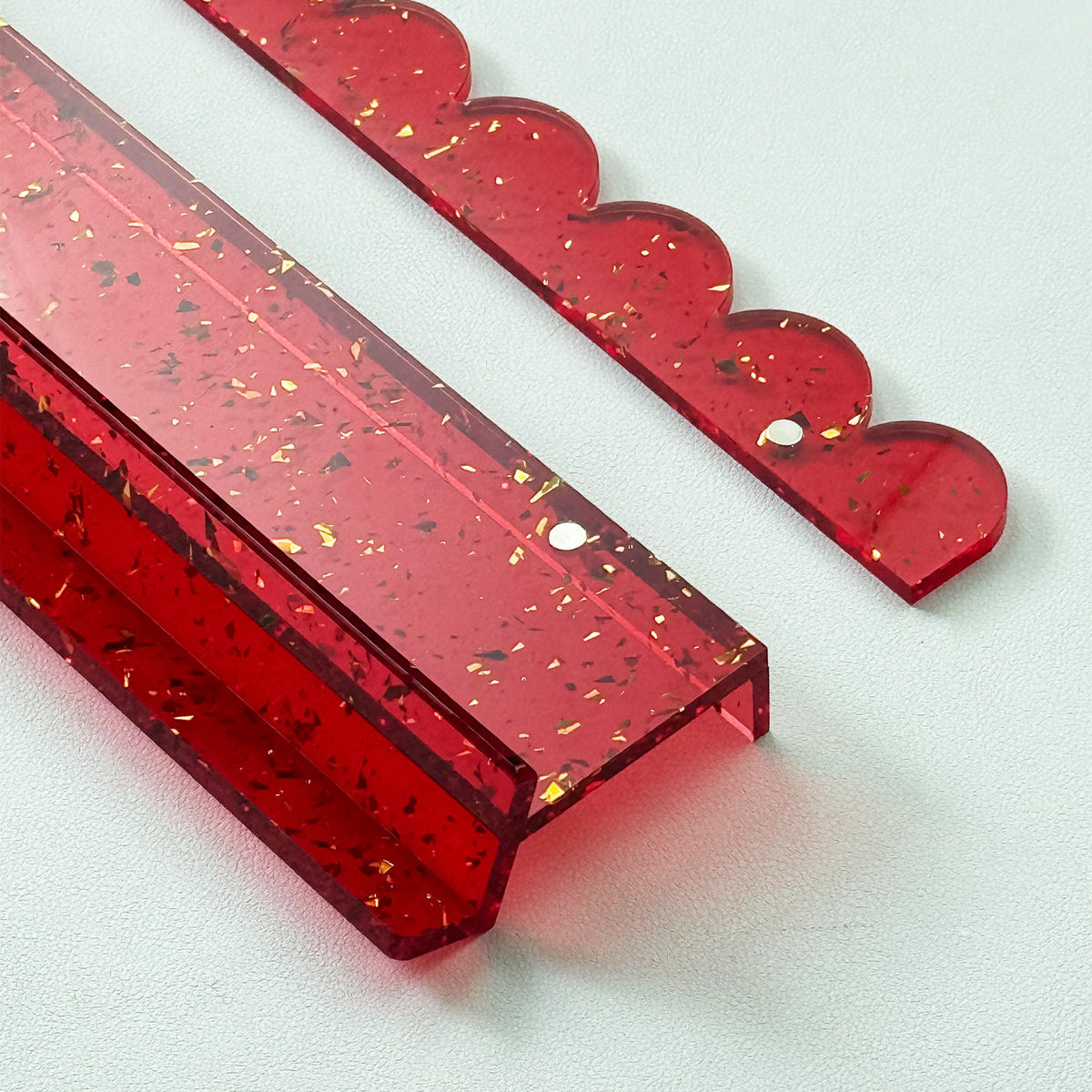
Engraved mats cost more than stock prints but justify it if you're marking a milestone (anniversary game, group name, retirement gift) or hosting a league. Engraving adds ownership and makes your set a keepsake rather than consumable. If you play casually or rotate hosting, skip it; if you're the anchor host, engrave. Our engraved American mahjong sets show how personalization transforms a mat from table tool to trophy.
What's the difference between a mat and a table cover or tablecloth?
A mat has printed zones for each player's hand, discard pile, and dealer position—essential for rule clarity. A tablecloth is flat, decorative, and does not mark play areas. Serious weekly players need a zoned mat; casual players or kids' games can use a tablecloth. Read our mat vs. table cover guide to decide which suits your setup.
Shipping and care: what to expect when it arrives
Mats ship rolled in cardboard tubes or flat in boxes. Acrylic arrives crisp and ready to use; fabric may need 24–48 hours flat to release wrinkles. All arrive with printed or embossed zone markings intact. Store rolled or flat in a dry closet away from direct sun to prevent fading. After play, wipe with a dry cloth or damp towel—never machine wash or bleach.
🎁 See our most-loved mahjong sets & accessories →
What to check before you buy: a quick checklist
Dimensions: Verify the mat fits your table length and width (measure twice).
Material: Confirm whether acrylic or fabric, and if it's UV-resistant or backed with non-slip.
Print clarity: Zoom photos or ask the seller for close-ups of zone lines and tile markings.
Color: Check if the vintage style matches your room's palette (photos vary by monitor).
Return policy: Ensure 30+ days to return for fading, misalignment, or size mismatch.
Shipping protection: Look for flat-rate or free US shipping with tracking.
Building a complete game setup with a vintage mat
A vintage mat is the anchor of your table, but it works best paired with mahjong racks with pushers to organize your hand, a quality tile set that matches the mat's era (sepia mats pair well with bone-finish tiles), and a travel bag or case if you rotate hosting duties. Together, these create a cohesive, durable setup that feels intentional and lasts years.
✨ Find your Mahstead set — free US shipping →
FAQ
Does a vintage-style mat work with modern tiles?
Yes. The mat is purely aesthetic; it doesn't affect tile gameplay. Pair it with any acrylic or bone-finish tile set you love—the era of the tiles doesn't need to match the mat's design.
Can I use a vintage mat outdoors?
Not long-term. UV fades prints quickly, and moisture warps fabric. Use outdoor mats only for occasional patio play, then store inside immediately after.
How often should I replace a vintage-style mat?
Acrylic mats last 2–3 years of weekly play before zone markings fade; fabric mats last 12–18 months. Budget replacement every 2–3 years if you host regularly.
What if the mat's vintage design doesn't match my actual tiles?
That's fine—the mat is décor and play surface, not a matched set. Many players mix eras intentionally for eclecticism and character.
Is engraving worth it if I'm just starting out?
Not yet. Buy a stock vintage mat first, play for 6 months, then upgrade to engraved if you love hosting and want a keepsake. It's a smart second purchase for devoted players.
Can I clean a mat with soap and water?
Yes, gently. Use a damp cloth with mild dish soap, then dry immediately. Never soak or machine wash—it damages zone markings and the non-slip backing.


View More
View More
View More
