
Vintage Style Mahjong Case: How to Choose Storage That Lasts
Last updated: Nov 23, 2026
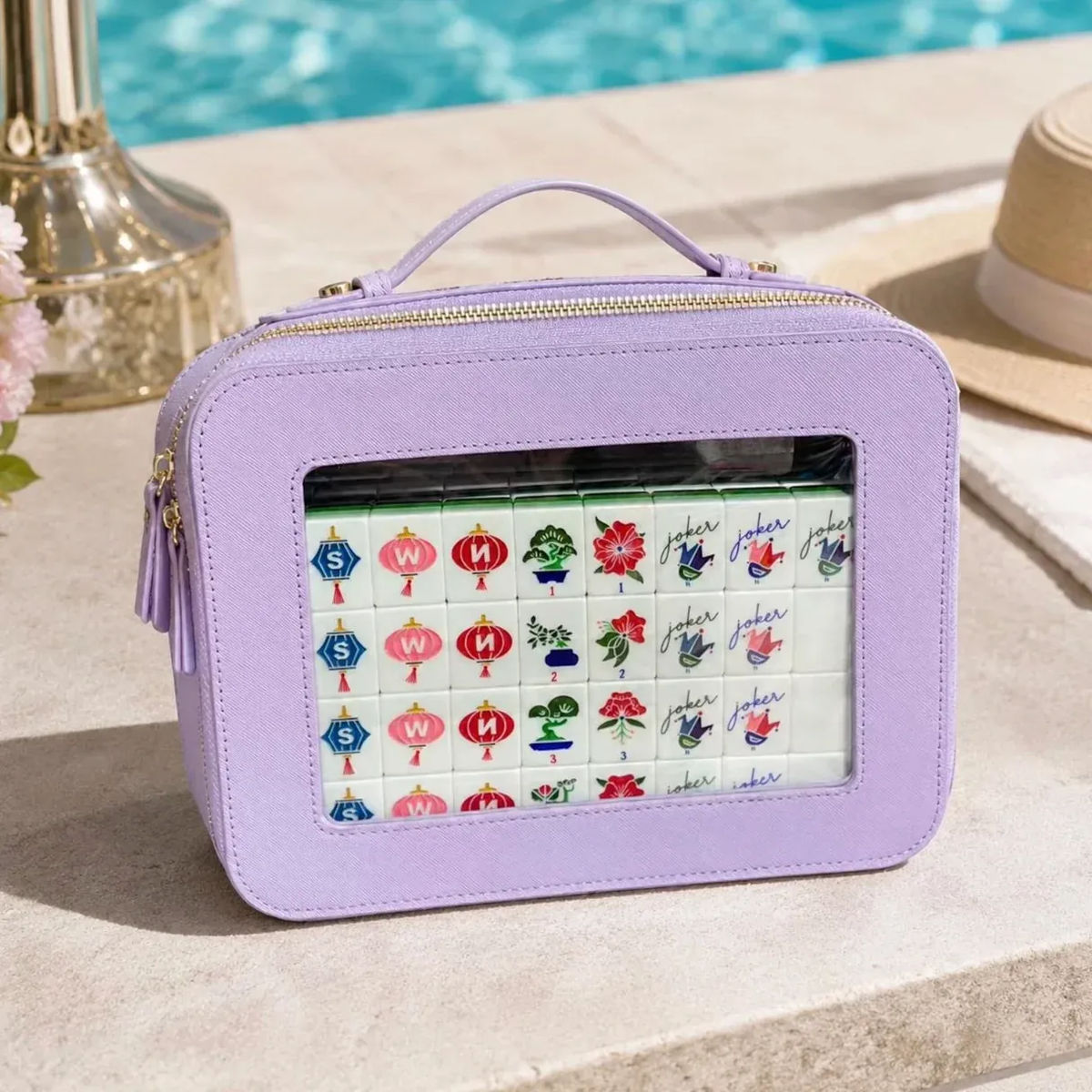
A vintage-style mahjong case is a protective carrying or storage container designed to hold a complete 160-tile American mahjong set, often featuring retro finishes, decorative hardware, or materials that evoke mid-20th-century design. These cases come in hard-sided and soft fabric varieties; hard cases offer maximum durability and compact stacking, while soft cases prioritize portability and aesthetic charm. They typically hold one complete set plus mats, racks, and dice, though capacity varies by design. Mahstead's collection of travel bags and cases includes options in leather, canvas, and acrylic-compatible designs that accommodate a full set with ample space for accessories. Before ordering, check interior dimensions against your set's footprint (standard 160-tile sets measure roughly 11" × 8" × 3" when boxed), verify zipper or latch durability in reviews, and confirm whether handles suit your grip strength if you're carrying a full load.
🀄 Shop best-selling mahjong sets →
What exactly fits inside a vintage-style mahjong case?
A vintage case designed for American mahjong holds your 160 tiles in their original carton, plus dice, a score sheet, and often a mat rolled or folded nearby. Interior volume is the deciding factor: most cases measure 12–14" wide, 9–10" tall, and 4–5" deep, giving enough room for a boxed set without crushing or shifting during travel. Some designs include cloth dividers or elastic bands to prevent tile spillage; others rely on snug fit. Always measure your specific set's box before purchase—acrylic tile sets vary slightly by maker, and a case too tight will damage handles or strain zippers over time. Soft-sided vintage-inspired cases typically accommodate one full set comfortably; hard cases can sometimes hold two sets side by side if they're well organized.

Hard case or soft case: which vintage style suits your game?
Hard Cases: Built from rigid plastic or resin-composite shells, hard vintage cases offer maximum tile and accessory protection. They stack efficiently in closets or car trunks and resist crushing if stacked with other items. Best for players who transport sets weekly or store them in high-traffic areas. They're heavier than soft cases and less flexible for odd shelf shapes, but they last longer against wear.
Soft Cases: Canvas, faux-leather, or woven fabric cases prioritize aesthetics and portability. They're lighter, fold into tighter spaces, and often feature vintage prints, embroidery, or retro color palettes that appeal to collectors. Best for players who value appearance as much as function or prefer hand-carrying over stacking. Zippers and seams are the failure points; inspect stitching quality before purchase.
Case Type | Who It's For | Durability | Aesthetic | Portability | Best Check Before Buying |
Hard shell | Weekly travelers, stacking in closets | 5+ years | Modern/sleek | Heavy | Latch mechanism, interior padding |
Soft fabric vintage | Collectors, car transport, occasional play | 3–4 years | Retro/printed | Light | Zipper strength, seam stitching |
Leather vintage | Long-term storage, display players | 7+ years | Classic/elegant | Medium | Handle stitching, compartment dividers |
How do I match a vintage case to my mahjong set style?
Your case choice should reflect how you use your set and which aesthetic your group values. If you host best-selling American mahjong sets with modern acrylic tiles, a sleek hard case in black or neutral tones complements that energy. If your group plays with engraved tiles featuring retro titles or symbols, a fabric vintage case with brass hardware or embroidered details extends that vintage mood into storage. Leather cases work universally: they age gracefully, suit any tile set, and signal care to your fellow players. Match the case lining to your mahjong mat color—a coordinated aesthetic makes setup time feel intentional, not rushed. This attention also prevents accidentally grabbing the wrong set at a friend's house if multiple players use similar tiles.
What should I check before ordering a vintage case online?
Interior dimensions: Measure your set's box (length × width × height in inches) and compare against the case listing. Leave at least 0.5" clearance on each side to avoid friction and zipper strain.
Handle and latch construction: For hard cases, test that latches click securely and don't rattle when shaken—signs of loose internal hardware. Soft cases: verify zippers are YKK or equivalent quality, and handles are reinforced at stress points with bar-tacking (visible cross-stitching).
Padding and interior lining: Hard cases should have foam or felt padding at least 0.25" thick on the bottom; soft cases benefit from reinforced panels to prevent tiles from shifting.
Weight when empty: A light case (under 3 lbs empty) signals thin materials; a case that feels substantial usually lasts longer, but confirm it's not so heavy you'll dread transport.
Return policy: Order from sellers offering at least 14-day returns, in case dimensions don't align with your set or the aesthetic disappoints in person.
Our bags and cases guide walks through these checks step-by-step with photos.
🎁 See our most-loved mahjong sets & accessories →
How do vintage cases compare to other storage methods?
Vintage case vs. decorative shelf display: A case protects tiles from dust, humidity, and sunlight, which can fade acrylic over years. Display on open shelves looks beautiful but exposes tiles to damage and discoloration. Cases win for longevity; displays win for constant visibility.
Vintage case vs. original set box: Original cartons are functional but plain and often damage with repeated opening. A vintage case protects the same way but looks intentional in your home or car. Cases cost more upfront but signal that you value your set.
Vintage case vs. generic plastic storage bin: Generic bins lack internal organization and won't protect tiles if the bin tips. Vintage cases are designed for mahjong-specific dimensions and usually include latches that prevent spills. They're also more pleasant to handle at game night.
Vintage case vs. soft drawstring bag: Drawstring bags are portable and cheap but offer minimal protection and can strain at the seams under full set weight. A vintage case distributes weight evenly, preserves tile alignment, and lasts through hundreds of trips.
✨ Find your Mahstead set — free US shipping →
What to check before you buy
Measure your set's box and compare interior case dimensions — allow 0.5" clearance minimum on each side.
Inspect latch or zipper photos in the listing — confirm hardware looks solid and stress points are reinforced.
Read reviews for durability feedback — look for mentions of handle longevity, zipper performance over time, and whether padding compresses.
Confirm weight when empty — a case under 3 lbs suggests thin materials; over 5 lbs may indicate excessive bulk.
Verify the seller's return window — order only from retailers offering at least 14-day returns for dimension or aesthetic mismatches.
Check whether accessories (mats, dice, racks) fit alongside tiles — some vintage cases are snug for a set alone and won't accommodate a full game kit.

FAQ
Can a vintage mahjong case fit a complete game including mat and racks?
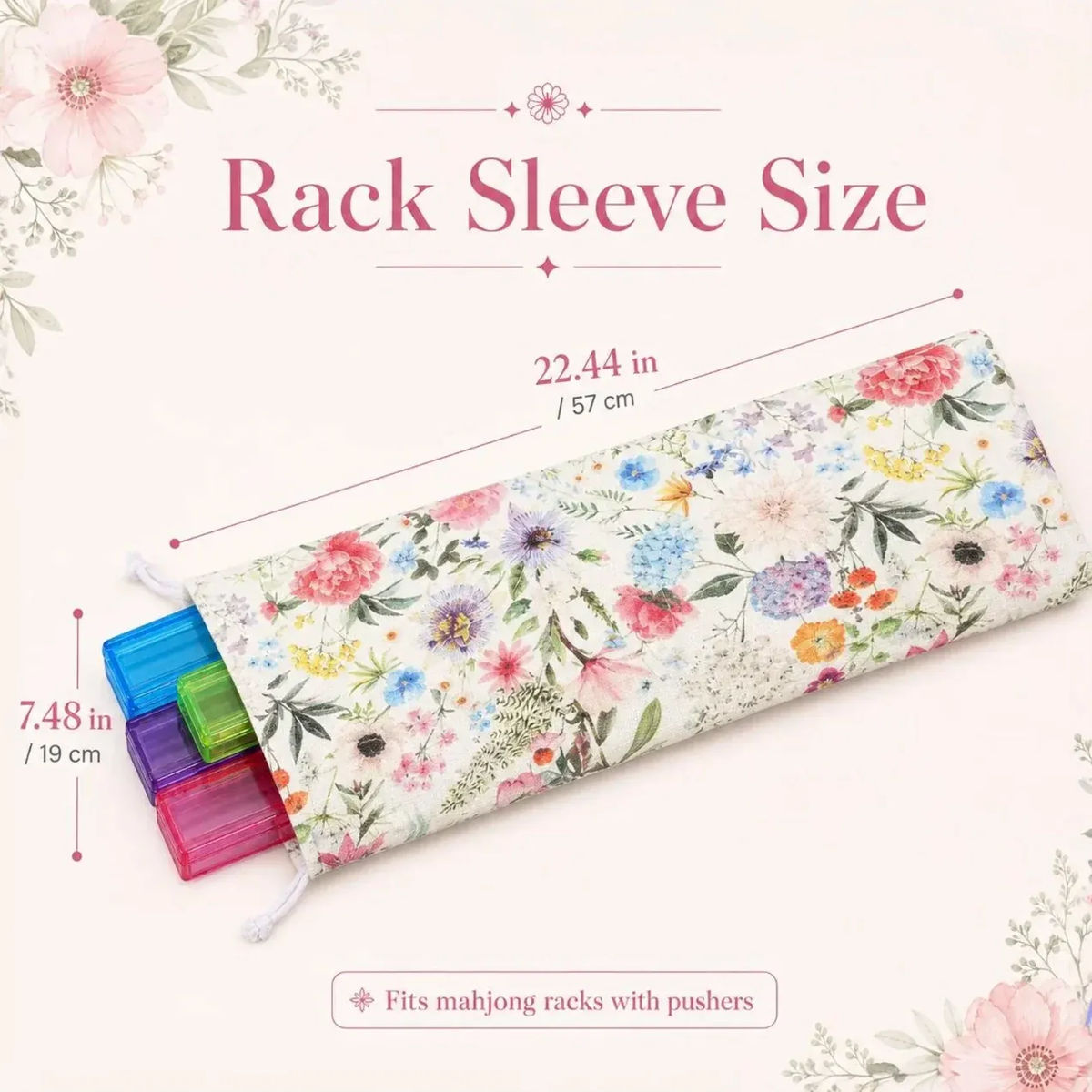
Most vintage cases hold a 160-tile set, dice, and score pad comfortably. A rolled mat adds volume; check interior depth (usually 4–5"). Racks with pushers are slim and fit alongside tiles if removed from their bag. Confirm dimensions before ordering.
How do I prevent moisture damage inside a vintage case?
Store in a climate-controlled area (avoid basements or attics). Leave the case unlatched in humid seasons to allow air circulation. Silica gel packets inside the case (sold separately) absorb excess moisture if your region is very damp.
Are hard cases safe for acrylic tiles during car travel?
Yes—hard cases protect acrylic tiles better than soft cases during bumps or sudden stops. Ensure the case is latched securely and won't slide on seats. Padding inside should cushion the boxed set so tiles don't rattle.
What's the difference between a vintage case and a vintage-style case?
A true vintage case is decades old, often with minor wear or repairs. Vintage-style cases are new designs that copy the aesthetic (leather, brass hardware, colors) of mid-20th-century cases. Vintage-style cases are more durable and affordable.
Will a vintage case work for both American and Chinese mahjong sets?
Yes, if interior dimensions match. American sets use 160 tiles (roughly 11" × 8" × 3" boxed); Chinese sets are similar or slightly smaller. Measure both before buying one case for two sets.


View More
View More
View More
