
Vintage Style Large Print Mahjong Set: A Buyer's Guide
Last updated: Nov 23, 2026
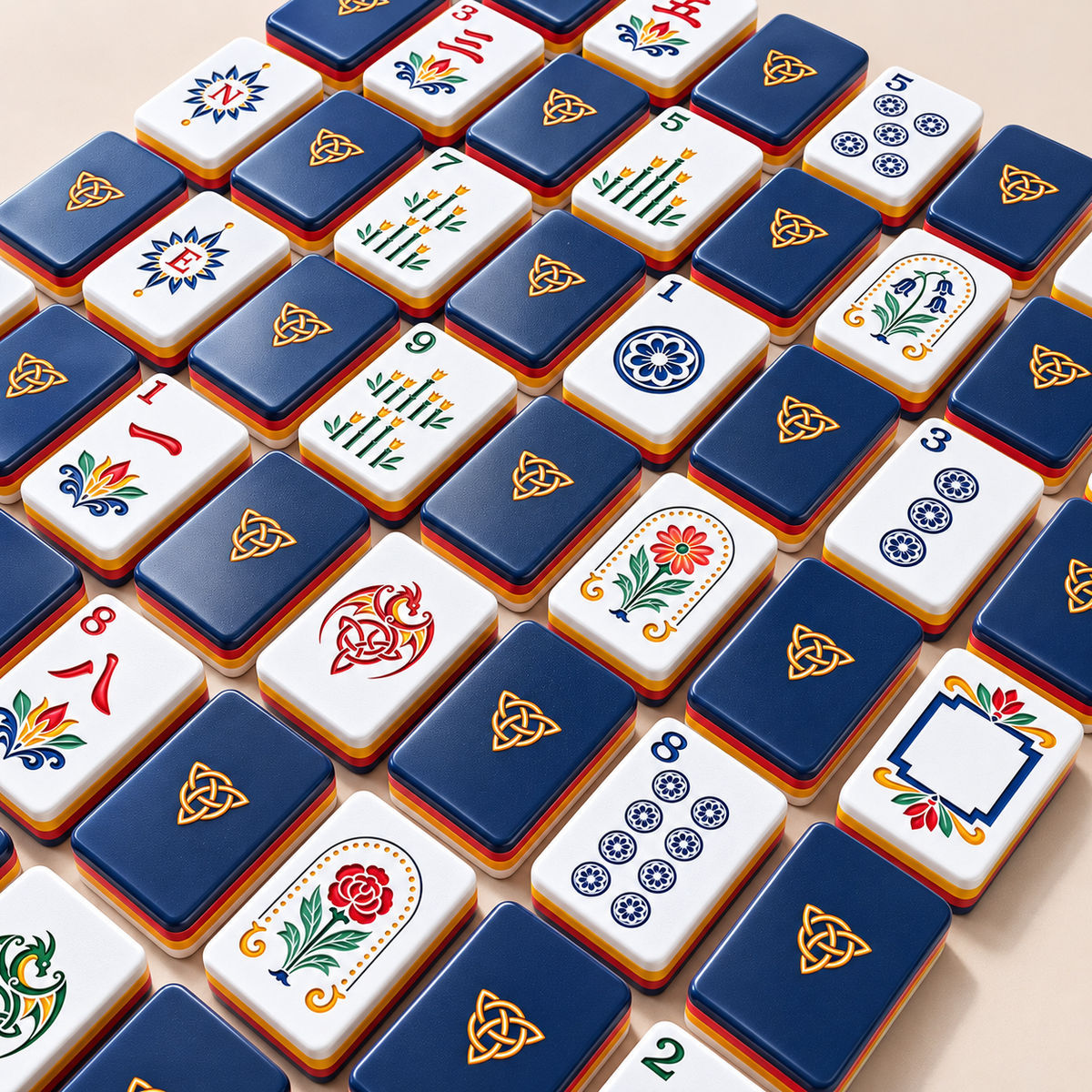
A vintage style large print mahjong set pairs nostalgic design—think aged wood finishes, classic serif fonts, or retro color palettes—with tile sizes and contrast that make numbers and suits instantly legible during play. These sets typically use acrylic or resin tiles printed with bold numerals and suit symbols (Bams, Craks, Dots, winds, dragons, flowers, jokers) and contain exactly 152 playing tiles plus 8 jokers, sometimes packed in a wooden rack case or decorative storage box. They're ideal for players over 50, anyone with vision challenges, or hosts who want a showpiece that doesn't sacrifice function. Prices vary by maker and materials; check each product page for current pricing. From Mahstead's best-selling mahjong sets, vintage-inspired designs combine engraved touches with legible tile markings.
What makes a mahjong set "vintage style"?
Vintage style refers to tile aesthetics and packaging inspired by mid-20th-century mahjong traditions. Typical markers include sepia or aged-ivory tile backgrounds, hand-painted or embossed suit symbols, wooden cases, and typography reminiscent of 1950s–70s gaming sets. The term doesn't mean the tiles are actually old—modern sets use the term to evoke nostalgia while delivering contemporary durability and clarity. If you're shopping for a functional vintage look, confirm the tiles are acrylic or durable resin with UV-printed or engraved markings that won't fade after years of weekly play.

Why does print size matter more than you think?
Larger print directly reduces eye strain, speeds up hand reading, and makes casual play less frustrating. Standard American mahjong tiles measure roughly 1.25 inches × 0.85 inches; within that space, tile faces vary dramatically. Vintage-style sets often prioritize bold number display over intricate artwork, because aged aesthetics paired with small cramped text defeats the purpose. Before buying, compare tile photos side-by-side if the seller shows them. Look specifically at how numbers appear on number tiles (1–9 Bams, Craks, Dots) and how winds and dragons are labeled; a set that looks vintage but uses microscopic serif fonts will frustrate you by game three.
How do vintage sets differ from modern and tournament-style designs?
Modern mahjong sets typically feature bright colors, minimalist sans-serif fonts, and sometimes cartoon or abstract imagery. Tournament-style sets prioritize absolute clarity—high contrast, no ornamentation—so scorekeeping and rapid play aren't hampered. Vintage-style sets sacrifice some clarity for charm: they embrace aged patina, softer contrast, ornate borders, and calligraphy-style characters. This trade-off works beautifully for casual home games but can slow competitive play. Engraved American mahjong sets let you customize vintage aesthetics—adding names, dates, or custom borders—without compromising readability if you choose a large-print base tile.
🀄 Shop best-selling mahjong sets →
What to check before ordering a vintage-style large print set
Tile contrast: View the set in bright light. Can you distinguish tile numbers from the background at arm's length?
Suit color clarity: Bams (bamboo) should visually differ from Craks (circles) and Dots. Vintage sepia palettes sometimes blur these distinctions.
Tile material: Acrylic holds prints longer than some resin blends. Ask if markings are UV-printed, engraved, or painted.
Case durability: Vintage-style wooden cases look beautiful but can warp in humidity. If you live in a humid climate, confirm the case is sealed or consider upgrading to a travel bag for mahjong.
Tile count: Confirm the set contains exactly 152 playing tiles plus 8 jokers. Some knockoff sets ship incomplete or with unmarked blank tiles.
Return policy: Vintage-style sets are subjective purchases. Check whether the seller permits returns if the print clarity disappoints you in person.

Vintage-style sets: comparison by use case
Use case | Best fit | Why it works | Key feature to prioritize |
Casual home games, weekly group | Vintage with bold large print | Nostalgic look + readable tiles = no complaints | Font size ≥0.4" on number tiles |
Gift for 60+ player or vision-sensitive person | Sepia or soft-tone vintage with extra-large print | Elegant appearance masks accessibility need | High contrast (dark text on light tile) |
Décor + occasional play | Vintage with ornate case | Set doubles as conversation piece between games | Wood case quality + photo documentation |
Engraved custom set (names, dates) | Mahstead engraved designs in vintage style | Personalization + large print = memorable gift | Engraving depth + base tile print size |
🎁 See our most-loved mahjong sets & accessories →
How to pair a vintage set with the right accessories
A complete vintage mahjong setup includes more than tiles. A padded mahjong mat protects the game surface and adds a playing layer; bamboo or faux-leather mats complement vintage aesthetics. Wooden racks with pushers let players hold and organize tiles while keeping hands visible—essential for multiple games per session. For travel or storage, a mahjong travel bag with compartments keeps tiles, mat, racks, and case together without warping. If your vintage-style set didn't include pushers or a mat, adding these afterward can salvage an otherwise incomplete purchase.
Real-world gotchas with vintage-style sets
Shipping damage: Vintage cases are often fragile. When your set arrives, open it immediately and inspect every tile for cracks. The box design that looks great in a photo can allow tiles to shift during transit—acrylic tiles can crack even in mild bumps.
Fading under sunlight: Sepia and aged-look tiles can fade faster than bright modern colors if stored near windows. Keep your set in a closed case or drawer.
Font readability in dim light: Vintage serif fonts look beautiful but perform poorly in dimly lit rooms. If you play during evening hours or in rooms with soft overhead lighting, test the set in your actual game location before committing.
Incomplete tile sets: Counterfeit or cheap vintage sets sometimes ship with only 140 tiles or missing jokers. Count and verify every tile before your first game—an American mahjong game demands exactly 152 tiles plus 8 jokers or it won't work.
Wooden case warping: Aged-look wooden cases absorb humidity. In coastal or hot-humid climates, consider storing the case with silica packets or upgrading to a sealed travel bag with acrylic protection.
✨ Find your Mahstead set — free US shipping →

FAQ
What's the difference between "vintage style" and "retro" mahjong sets?
Vintage style mimics mid-20th-century design (aged colors, classic typography, wooden cases). Retro is broader, often referencing 1960s–80s pop culture with bolder colors and sometimes licensed artwork. Both can have large print, but vintage prioritizes understated elegance while retro embraces visual boldness.
Can I use a vintage-style set for serious American mahjong league play?
Only if the tiles meet National Mah Jongg League standards: clearly marked Bams, Craks, Dots, winds, dragons, flowers, and jokers with legible suit symbols and numbers. Many vintage-style sets sacrifice clarity for aesthetics, so check tile markings against current league cards before playing in sanctioned games.
How do I know if large print will actually help my vision?
Borrow a modern large-print set or visit a local mahjong group to test before buying. Vision needs vary—what's "large" to one player feels adequate to another. Comparing side-by-side with your current set is the only reliable way to judge.
Are vintage-style mahjong sets more expensive than modern ones?
Sometimes. Custom-engraved vintage sets and handmade wooden cases cost more than mass-produced plastic sets, but mid-range vintage-style acrylic sets can cost the same as modern equivalents. Check the product page for current pricing—materials and case quality drive cost more than style.
What if the vintage case doesn't fit my racks and mat?
Vintage cases are often designed for tiles and jokers alone, not full accessories. Measure the case interior before buying; if it's tight, plan to store racks and mats separately in a mahjong travel bag with dividers, which accommodates full setups.
Can I engrave a vintage-style set with names or dates?
Yes—engraved mahjong sets are available in vintage aesthetic designs. Custom engraving adds personalization without compromising tile readability if the base design uses large print. Confirm engraving style and placement before ordering.
How do I clean and maintain a vintage-style acrylic set?
Wipe tiles with a dry or barely damp microfiber cloth after every few games. Avoid harsh chemicals; soap and water work fine. Dry immediately. Store in a closed case away from direct sunlight to prevent fading and dust accumulation.


View More
View More
View More
