
Melamine vs Bakelite Mahjong Tiles: Which Should You Buy?
Last updated: Nov 23, 2026
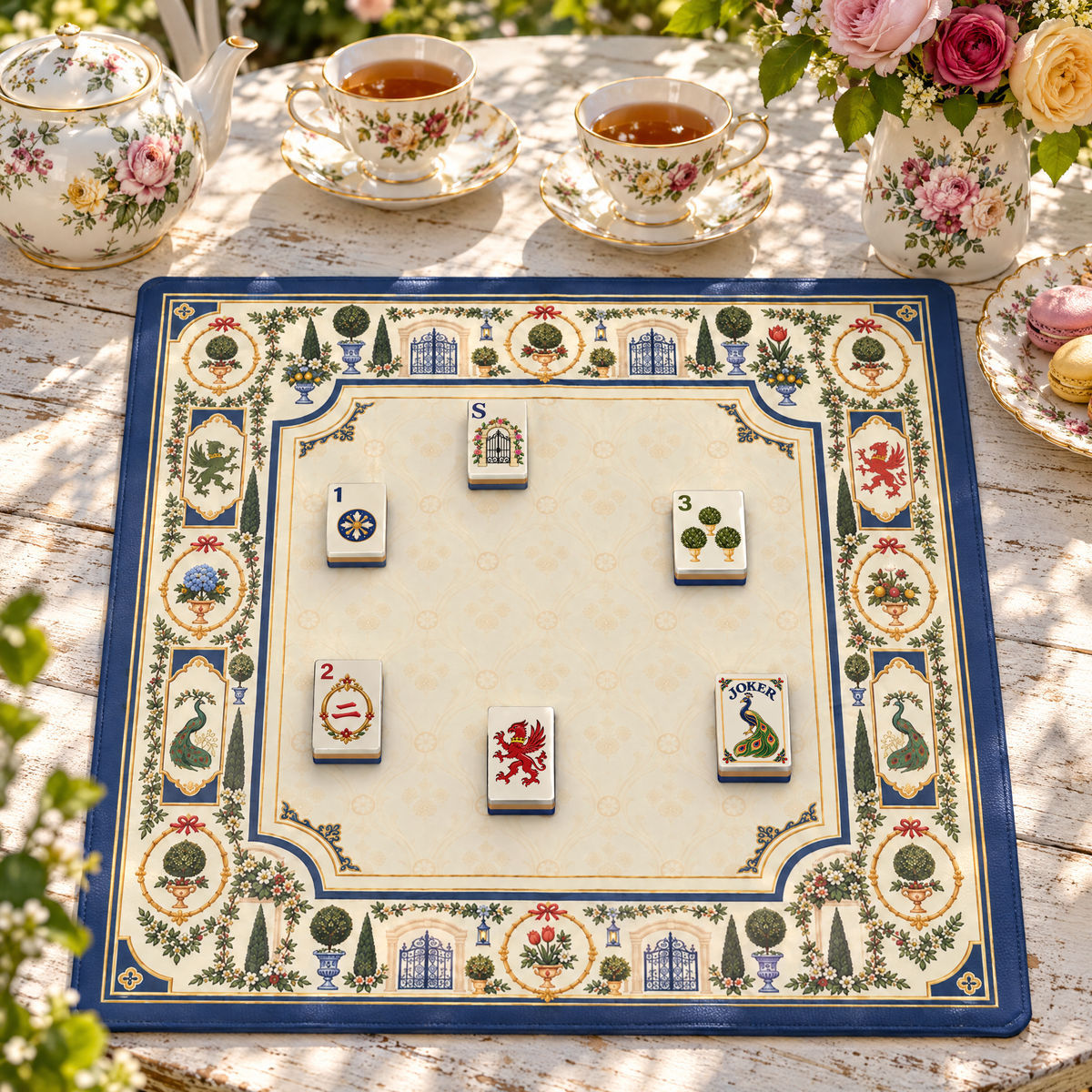
Melamine tiles are lightweight acrylic polymer, smooth and warm to the touch, faster to shuffle, quieter on the mat, and widely available at lower price points. Bakelite tiles (phenol-formaldehyde resin) are heavier, denser, produce a distinctive sharp click when stacked, develop a richer patina with age, and command higher prices due to manufacturing complexity and durability. Melamine suits players who prioritize ease of handling and value; bakelite appeals to traditionalists and serious players who prize authentic feel and longevity. Mahstead offers engraved American mahjong sets in melamine, ideal for new players and weekly home games. Neither material affects scoring or legality; the choice is comfort, sound preference, and budget.
What exactly is melamine tile, and how is it made?
Melamine is a thermosetting plastic formed by joining melamine-formaldehyde resin into solid blocks, which are then carved, painted with hand-applied or printed engraving, and sealed. The surface feels smooth and slightly waxy; tiles glide easily across mats and shuffle without fatigue. Melamine does not patina or darken with use. Most modern American mahjong sets use melamine because injection molding and CNC engraving are cost-efficient at scale, keeping retail prices accessible for casual and competitive players alike.

What exactly is bakelite tile, and why is it more expensive?
Bakelite (phenol-formaldehyde) was the first synthetic plastic, patented in 1909. Bakelite tiles are cast in molds and hand-finished, making production slower and less scalable than melamine. The material is denser and heavier—each tile weighs noticeably more—and produces a sharp, audible click when stacked or shuffled, a signature sound longtime players associate with serious play. Bakelite ages gracefully, absorbing oils from hands and developing a warm amber or honey patina over years. This labor-intensive process and material scarcity drive bakelite prices significantly higher than melamine.
How does weight and feel differ between the two materials?
Melamine tiles weigh approximately 4–5 grams per tile; bakelite tiles typically weigh 6–8 grams, making a full set noticeably heftier and more substantial in hand. Melamine feels slick and cool initially, warming with handling; bakelite feels dense and grounded from the start. During shuffling, melamine tiles produce a soft whisper; bakelite creates a crisp, percussive rhythm. For players with hand fatigue or arthritis, melamine's lightness reduces strain; traditionalists and high-volume tournament players often prefer bakelite's weight and acoustic feedback, which sharpens tactile control during rapid play.
Comparison: Melamine vs. Bakelite Side-by-Side
Factor | Melamine | Bakelite | Winner For |
Weight per tile | 4–5 g | 6–8 g | Comfort play (melamine); serious players (bakelite) |
Feel | Smooth, cool, waxy | Dense, warm, textured | Personal preference |
Sound | Soft whisper | Sharp click | Traditionalists value bakelite |
Shuffle speed | Fast, easy | Slower, intentional | Beginners (melamine); veterans (bakelite) |
Patina/aging | None; stays uniform | Develops honey tone | Collectors (bakelite) |
Durability | 10–15 years typical | 20+ years typical | Long-term investment (bakelite) |
Price range | Moderate | Higher | Budget-conscious (melamine) |
Engraving detail | Sharp, uniform | Hand-finished variation | Customization (melamine); heritage (bakelite) |
Noise on mat | Quiet | Distinctive | Quiet game (melamine); traditional (bakelite) |

Which material is right for your game style and budget?
Choose melamine if: you host weekly casual games, are new to American mahjong, play with players of mixed ability, prefer quieter play, have hand strength concerns, or want your set ready to ship and play within days. Melamine's lower cost lets you invest in complementary gear—mahjong mats, racks with pushers, and travel bags—without stretching your budget. Most players in home games use melamine and are entirely satisfied.
Choose bakelite if: you play in tournaments or high-stakes groups, value the sound and tactile ritual of the game, expect your set to last 20+ years and be passed down, prefer heavier tiles for deliberate play, enjoy the patina development, or are a collector. Bakelite is uncommon in retail and typically sourced through specialty dealers or vintage markets; it commands premium pricing but rewards serious, long-term investment.
Real-world consideration: Most weekly home games don't require bakelite. Melamine sets from Mahstead's best-selling collection are engraved with precision, feel professional, and allow you to focus on your hand and the game rather than gear.
What to check before you buy
Material specification. Confirm whether the product description states "melamine" or "bakelite." Many listings don't specify; ask the seller directly.
Tile weight. Request a sample weight or photo of the set on a scale if weight matters (e.g., arthritis, fatigue). Most retailers list typical weight ranges.
Engraving clarity. Melamine takes sharp, uniform engraving; bakelite hand-finished tiles may have minor variation. Review product photos close-up.
Sound sample. If the acoustic quality matters, watch demo videos or ask for audio samples before ordering bakelite.
Shipping and returns. Bakelite sets are heavier and more fragile; confirm packaging, insurance, and return policies.
Completeness. Verify the set includes all 152 playing tiles plus the required 8 jokers—not all sets ship with jokers included.
Tile uniformity. Check that all tiles match in size, thickness, and finish; mismatched tiles cause snags during play.
🀄 Shop best-selling mahjong sets →
Real-world test: melamine in action at the table
We've hosted weekly games using melamine sets for years. Shuffling is effortless—new players don't fatigue during the Charleston. Tiles move smoothly on padded mats, and the lack of sharp noise keeps conversation flowing. Engraved designs remain crisp through hundreds of plays. Over time, melamine does show minor wear (slight dulling of the gloss), but play quality never degrades. For home games, this performance-to-cost ratio is unbeatable.
Bakelite, by contrast, we've observed in tournament settings and estate collections. The weight and click do enhance the ritual and focus; players report a more "serious" feel. Bakelite tiles from the 1950s–1980s still shuffle smoothly and score identically to modern sets. However, the investment and scarcity make bakelite impractical for casual groups.
🎁 See our most-loved mahjong sets & accessories →
The bottom line: melamine for most, bakelite for the devoted
Melamine is the practical choice for American mahjong players at all levels except tournament professionals and collectors. It's lightweight, durable, affordable, and ships complete and ready to play. Mahstead's engraved sets arrive with 160 tiles (152 playing + spares), custom engravings, and free US shipping—ideal for new groups or upgrading from vinyl sets.
Bakelite belongs to serious, long-term players who value tradition, weight, and the unmistakable acoustic signature of the game. It's not "better"—it's different, and not necessary for competitive play or scoring.
Choose melamine for convenience and value. Choose bakelite for heritage and ritual. Either way, what matters most is playing with people you enjoy, on a mat you trust, with tiles that bring you back each week.
✨ Find your Mahstead set — free US shipping →

FAQ
Can I mix melamine and bakelite tiles in one set?
Technically yes, but not recommended. The weight and feel difference throws off balance during shuffling and stacking, and the acoustic mismatch (melamine quiet, bakelite loud) is distracting. Buy a single material for your primary set.
Does bakelite yellow or crack over time?
Bakelite develops a honey patina (yellowing) gradually, which collectors appreciate as character. Cracking is rare if tiles are stored in a cool, dry place; extreme heat or cold can cause stress. Melamine doesn't yellow but may develop surface scratches that don't affect play.
Are melamine tiles legal in tournament American mahjong?
Yes. The National Mah Jongg League (and most organized play) permits melamine, bakelite, and other standard materials. Legality is based on tile count, face markings, and joker use—not material composition.
How long do melamine sets typically last?
10–15 years of weekly casual play; longer if stored carefully. The tiles don't degrade, but engraving may dull slightly and the mat contact surface may wear. Bakelite sets often remain fully functional after 30+ years.
Where can I buy bakelite tiles today?
New bakelite sets are rare in mainstream retail. Specialty dealers, estate sales, and vintage mahjong communities are primary sources. Expect significant wait times and shipping costs due to weight.
Should I buy melamine if I'm a beginner?
Absolutely. Melamine sets are affordable, complete, and teach you the game without financial stress. Upgrade to bakelite later only if the ritual and sound become important to you.


View More
View More
View More
