
Vietnamese Mahjong Setup: Tiles, Rules & Equipment Guide
Last updated: Nov 23, 2026
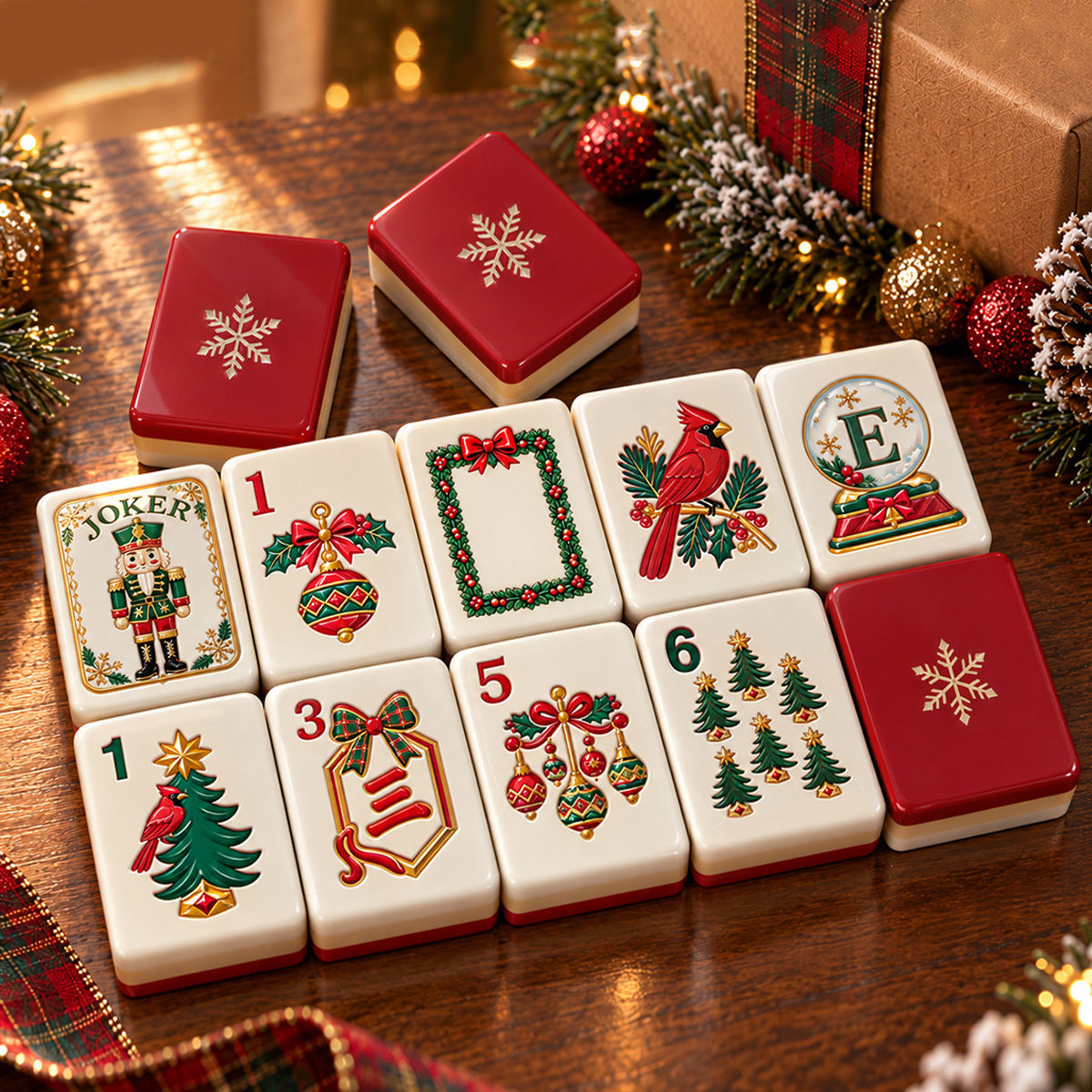
Vietnamese mahjong is most commonly played as a 144-tile variant with hand patterns and draw mechanics similar to Hong Kong mahjong, though some players blend local house rules with that system. The tiles are typically smaller and lighter than American sets, making them faster to shuffle and manipulate. Setup requires exactly 144 tiles (no jokers in traditional play), four players, racks, and a mat—play begins immediately without the Charleston ritual used in American games. Hands come from local pattern books or house standards rather than the official National Mah Jongg League card. You'll need a compact playing surface; Mahstead's best-selling mahjong sets work as a reference for quality acrylic construction, though you'll source a 144-tile set locally if you want the traditional Vietnamese size and speed.
How does Vietnamese mahjong differ from American play?
Vietnamese mahjong drops the American ruleset entirely. American mahjong uses 152 tiles plus 8 jokers, requires the Charleston (a tile-passing ritual), and hands come only from the current year's official card—no jokers allowed in pairs or singles. Vietnamese play uses 144 tiles (no jokers), hands are drawn from traditional Hong Kong patterns or regional house books, and the game starts with a simpler draw-and-discard flow. The tiles are smaller, play moves faster, and there's no seasonal hand card to memorize. If you've played American mahjong and want to switch to Vietnamese, expect a gentler learning curve but a completely different strategic feel.
🀄 Shop best-selling mahjong sets →

What tiles make up a Vietnamese mahjong set?
A standard Vietnamese 144-tile set contains three numbered suits (Bams 1–9, Craks 1–9, Dots 1–9)—four copies of each, totaling 108 tiles. The remaining 36 tiles are winds (East, South, West, North), dragons (Red, Green, White), and flowers (Spring, Summer, Autumn, Winter). There are no jokers and no blanks in traditional Vietnamese play. The tiles are usually smaller (roughly 20–22 mm) and lighter than American sets, which speeds up shuffling and tile movement. This compact size makes Vietnamese sets easier to transport and suits smaller tables, but if you have a large group or limited dexterity, the smaller tiles can be harder to grip during rapid play.
How do you set up a Vietnamese mahjong game?
Start by seating four players around a table, one per side. Shuffle all 144 tiles face-down and arrange them in two long walls of 18 tiles each, stacked two high (forming a wall). The dealer (chosen by rolling dice or agreement) sits East; play rotates counter-clockwise around the table. Each player draws 13 tiles from the wall in turn; the dealer then draws a 14th tile and discards one to begin the round. Unlike American mahjong, there is no Charleston. From that point, players draw from the wall or take discards, building melds (pungs of three identical tiles, kongs of four, or sequences of three consecutive tiles). The first player to complete a valid hand shouts "Mahjong" and wins the round. Play is continuous and fast-paced; rounds typically end in 10–20 minutes.
What hand patterns win in Vietnamese mahjong?
Vietnamese winning hands follow Hong Kong patterns: a hand is always 14 tiles—four melds of three tiles each, plus one pair (two identical tiles). Valid melds include pungs (three identical tiles), kongs (four identical tiles), and chows (three consecutive tiles of the same suit, e.g., 3-4-5 Bams). This differs sharply from American mahjong, which has no chows and only recognizes pungs, kongs, quints, and sextets from a seasonal card. A Vietnamese winning hand might be: pung (3-3-3 Craks), chow (4-5-6 Dots), kong (1-1-1-1 Bams), pung (East-East-East), plus pair (Red-Red). Hands are memorized by local play or learned from a regional pattern guide, not an official League card. Scoring varies by region; some groups award points for melds and winning methods, others play flat payouts.

What equipment do you need to host a Vietnamese mahjong game?
You'll need a table large enough for four players (at least 30×30 inches), mahjong racks with pushers to keep tiles organized (one per player), a mat to protect your surface and muffle tile noise, a pair of dice, and a 144-tile set. Many Vietnamese players prefer compact mats (around 27×27 inches) to suit smaller tables and faster tile flow. A bag or case is essential if you move between homes or host rotating games. Unlike American play, you won't need score sheets if you're playing casual rounds; many Vietnamese groups settle money at the end of a session rather than tracking detailed hand scores.
🎁 See our most-loved mahjong sets & accessories →
Vietnamese vs. American mahjong: which should you choose?
Aspect | Vietnamese (144-tile) | American (152-tile + 8 jokers) |
Tiles & setup | 144 tiles; no jokers; instant play | 152 tiles + 8 jokers; Charleston ritual |
Hand source | Regional patterns or house rules | Official League card (issued annually) |
Valid melds | Pungs, kongs, chows (sequences OK) | Pungs, kongs, quints, sextets (no chows) |
Play speed | 10–20 minutes per round | 15–30 minutes per round |
Tile size | Smaller (≈20–22 mm) | Standard (≈22–24 mm) |
Best for | Fast casual play, smaller groups | Competitive league, strategy depth |
Learning curve | Easier; simpler hand rules | Steeper; seasonal card required |
Choose Vietnamese if you want quick, social games with minimal setup. Choose American if you enjoy strategic hand-building, a standardized ruleset, or competitive play.
How do you host a Vietnamese mahjong night at home?
Reserve a table clear of clutter and give each player elbow room. Set up racks with pushers so tiles stand upright and are easy to manage; lay down a mat to dampen noise and protect your table finish. Shuffle the 144 tiles thoroughly (about 30–45 seconds of mixing), then build the walls. Have dice, a pen, and optional note paper ready. Brief new players: explain the four melds, show two or three winning hand examples, and clarify your house rules on scoring and payment (if any). Deal the first hand, and play the round. Between rounds, rotate the dealer position and shuffle again. Most casual Vietnamese games run 1–2 hours for 4–6 rounds; serve tea or light snacks to keep the mood relaxed.
✨ Find your Mahstead set — free US shipping →
What to check before you buy Vietnamese mahjong gear
Tile size: Confirm the set is 144 tiles and sized for Vietnamese play (smaller sets are faster; check local player preference).
Material: Acrylic tiles are durable and easier to clean than resin or bone; they won't chip as easily with frequent shuffling.
Racks: Buy four racks with pushers; ensure they're sized to your tile dimensions (mismatched racks cause frustration mid-game).
Mat dimensions: Measure your table; a mat should leave 4–6 inches of clearance on each side so tiles don't knock off.
Storage: A sturdy bag with compartments keeps tiles sorted during transport and protects against moisture.

FAQ
Can I use an American mahjong set to play Vietnamese mahjong?
Technically, yes—American sets have all the numbered tiles and honors you need. But the extra jokers and blank tiles will confuse play; you'd have to remove them, and the tiles are typically larger, which slows down the Vietnamese rapid-shuffle style. A traditional 144-tile set feels and plays better.
Do Vietnamese players use the same scoring system as Hong Kong mahjong?
There is no single "Vietnamese" scoring standard; most casual groups use simple point systems or flat payouts per hand. Some regions adopt Hong Kong scoring (fan/points for specific melds and winning conditions); others play house rules passed down locally. Agree on scoring before you start.
How long does a typical Vietnamese mahjong round take?
Usually 10–20 minutes, much faster than American play. The smaller tiles, instant draw-and-discard flow (no Charleston), and simpler hand patterns speed up every round. A full evening session (4–6 rounds) fits comfortably into 1–2 hours.
What's the best mat size for Vietnamese mahjong?
A 27×27-inch mat fits most small to medium dining tables and leaves room for compact play without wasting space. If your table is 30×30 inches or larger, a 31×31-inch mat is safer; check that it leaves 3–4 inches of margin on all sides.
Is Vietnamese mahjong easier to learn than American mahjong?
Yes. Vietnamese mahjong has fewer rules (no seasonal card, no joker restrictions, simpler hand patterns with chows allowed). Most new players grasp hand patterns in one session. American mahjong requires memorizing the yearly card and joker logic, which takes longer.
Where can I find a Vietnamese mahjong set in the US?
Online Asian retailers and import suppliers typically stock 144-tile sets; local Asian markets, especially in areas with Vietnamese communities, often carry them. Mahstead specializes in American sets, but our best-selling collection showcases quality acrylic construction you can use as a quality benchmark for any set.


View More
View More
View More
