
Urea Mahjong Sets: What to Know Before You Buy
Last updated: Nov 23, 2026
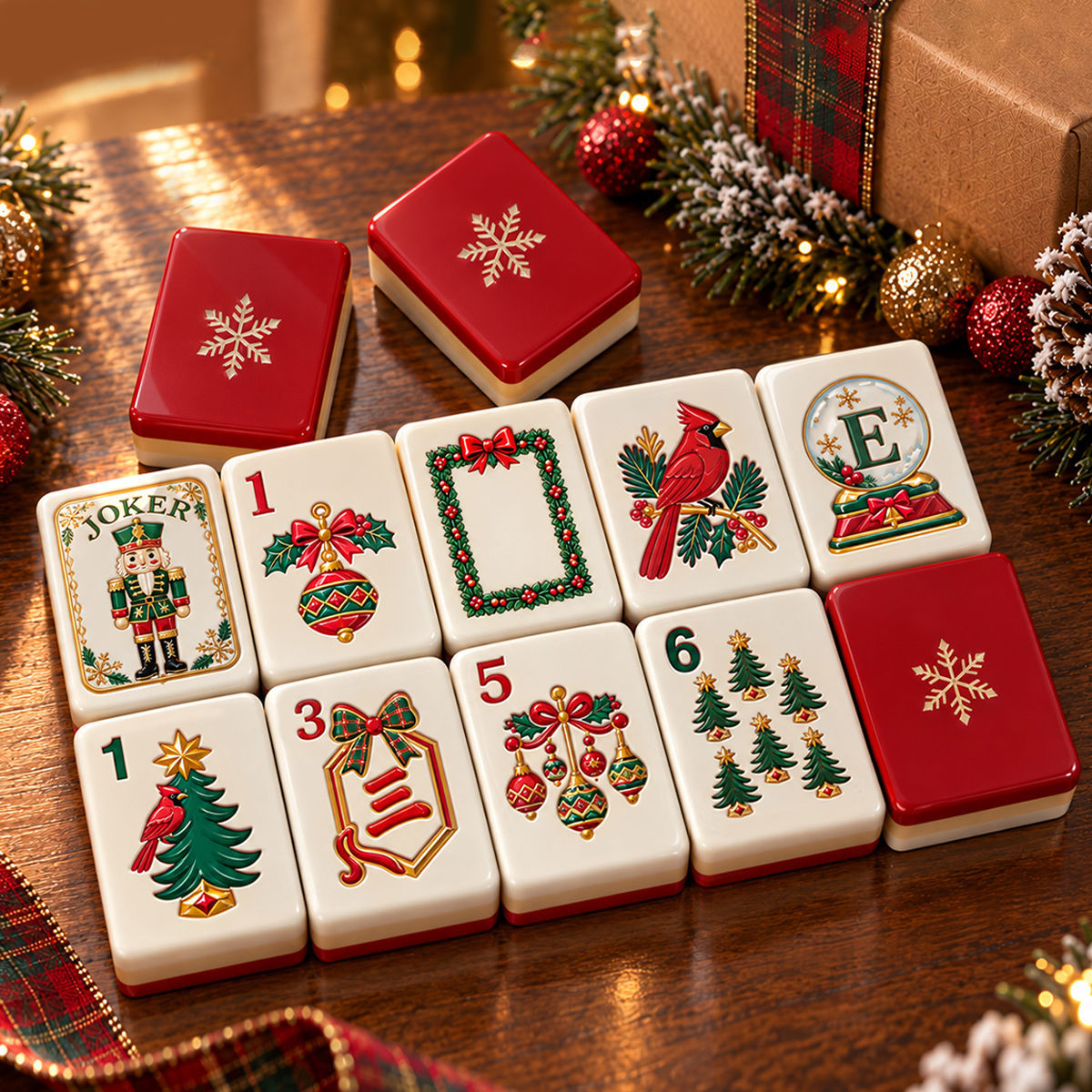
Urea mahjong sets are made from a rigid plastic composite that resists cracking and fading, commonly chosen for regular home play and beginner groups. A standard American set contains 160 tiles (152 playing tiles plus spares), winds, dragons, flowers, and jokers packed in a case with racks and often a mat or case. Urea offers brighter color saturation than bone-and-bamboo and costs less, but quality varies: check tile thickness, the stability of painted designs under handling, and whether jokers include the blank-tile distinction (critical for American play). Avoid sets with flimsy racks or unclear pip numbering. Our best-selling mahjong sets include both urea and premium options so you can compare feel and durability before committing.
What makes urea different from other tile materials?
Urea (also called melamine or acrylic-blend plastic) is a thermoset composite that doesn't chip as easily as bone or bamboo. It resists moisture and sunlight better than wood. Urea tiles are lighter and louder when shuffled—some players love the sharp click, others find it distracting. Unlike ceramic or resin, urea won't develop a patina over years of use; it stays uniform in color. For a home group that plays weekly and wants zero maintenance, urea is the practical middle ground between budget plastic and heirloom bone sets.

How do I spot high-quality urea tiles?
Look for three things: tile thickness (grab a set and flex a tile gently—it should resist bending), pip depth (painted numbers should feel slightly recessed, not just printed flat), and joker clarity (jokers must show both a full tile face and a blank half, so you never confuse a wild for a used blank). Run your thumb across the back; cheap urea feels slick and cheap. Good urea has a slight matte finish and consistent weight across all 160 tiles. Hold two tiles together—they should align flush with no rocking. If a set's case feels hollow or the racks wobble, the tile quality is probably skimped too.
Comparison: Urea vs. Common Materials | ||||
Material | Best for | Durability | Sound | Care |
Urea | Weekly players, mixed skill | 5–10 years (heavy play) | Loud, bright | Wipe dry only |
Bone & bamboo | Tournament, collectors | 20+ years | Mellow, warm | Humidity-sensitive |
Resin | Beginners, travel | 3–5 years | Dull, plastic | Low maintenance |
Ceramic | Display, light play | 10+ years | Quiet, crisp | Breakage risk |
We've hosted weekly games with urea sets for years—they hold up fine if you shuffle gently and store them in a case. The tile noise never bothers experienced players; beginners actually like hearing the shuffle clearly because it confirms randomization.
🀄 Shop best-selling mahjong sets →
Should you buy an all-in-one urea set or mix and match?
All-in-one sets (tiles, racks, mat, case) cost less per item and save setup time. Mixing urea tiles with separate mahjong mats and racks with pushers lets you upgrade one piece at a time and customize feel. If you're new, bundle sets are smarter—you learn the game without fussing over gear. If you already play weekly, a standalone urea tile set plus your existing mat and racks works just as well and costs the same or less. Check the case first: does it seal, does it have dividers for tile sorting, and will it fit your storage space?

How do urea sets compare in price and value?
Urea sets from Mahstead range across materials and designs; see current prices on each product page. Entry-level urea typically costs less than bone-bamboo but more than bare-bones resin; you're paying for durability and feel, not luxury. Consider cost-per-year-of-use: a urea set used twice a week for five years costs less per game than a premium set used once a month for ten years, but the premium set stays fresher longer. If you host 40+ games a year, urea is the break-even point—go urea or better. If you play casually, entry urea works; if you're unsure, rent or borrow first, then buy. Engraved American mahjong sets in urea with personalized designs cost more upfront but become keepsakes or group gifts—the per-game cost is irrelevant once they're sentimental.
🎁 See our most-loved mahjong sets & accessories →
What's inside a typical urea mahjong set, and what to check before you buy?
A 160-tile American urea set includes:
152 playing tiles (three suits—Bams, Craks, Dots—numbered 1–9, four of each; 16 winds; 12 dragons; 8 flowers; 8 jokers)
Spare tiles (jokers and/or blanks, varies by set)
Four racks with pushers (or tile stands for holding your hand)
A case (soft or hard)
Often a mat and a pair of dice
Sometimes a player guide or card reference
Before ordering, verify: (1) Case material and size—will it fit your shelf? (2) Rack design—pushers should glide, not jam. (3) Mat inclusion—do you need it or already have one? (4) Joker distinctness—check product photos; jokers must show half-blank to avoid rules confusion. (5) Tile heft—lighter than 1 oz per tile can feel cheap; heavier can be clumsy. (6) Engraving or personalization lead time—custom orders often take longer. For mahjong for beginners, we always recommend bundles so nothing is missing on game night. For experienced groups, a standalone tile set lets you keep your favorite racks and mat.
✨ Find your Mahstead set — free US shipping →
What to check before you buy
Tile quality checklist:
[ ] Pips are recessed or embossed, not flat-printed
[ ] Tiles are uniform in thickness and weight
[ ] No visible cracks or warping under store light
[ ] Jokers clearly show blank half (two separate faces)
[ ] Racks align flush when stacked; pushers slide smoothly
[ ] Case seals and doesn't rattle when shaken
[ ] Mat (if included) lies flat and has non-slip backing
[ ] Set includes all 160 tiles, 4 racks, dice, and a reference
Urea sets with custom engravings or group logos take 2–4 weeks; standard stock ships faster. Check the product page for lead time before ordering for a specific event. Personalized sets make excellent Christmas mahjong sets or group gifts, but plan ahead.

FAQ
Is urea the same as acrylic?
No. Urea (melamine) is a thermoset plastic; acrylic is a thermoplastic resin. Urea is more rigid and chip-resistant. Acrylic scratches more easily but can be polished. Both are plastic, but urea holds a mahjong tile's shape better under heavy shuffling.
Can I use a urea set outdoors?
Yes, for a few hours in shade or indirect sun. UV light will fade painted pips over time, and moisture can warp the case. Store urea sets indoors in a dry place; don't leave them in a hot car or garage year-round.
How do I clean urea tiles?
Wipe with a soft, dry cloth. For sticky residue, use a barely damp cloth and dry immediately. Never soak, dishwash, or use harsh solvents—they can dull the finish and loosen painted designs. A dry microfiber cloth restores shine.
Will urea tiles last as long as bone and bamboo?
No. Urea lasts 5–10 years with heavy weekly play; bone and bamboo last 20+ years. If you play 40+ times a year, plan to replace urea every 5–7 years, or upgrade to bone-bamboo now and keep it for life.
What's the difference between a 160-tile and a 152-tile urea set?
A 160-tile set includes 152 playing tiles plus spare jokers and/or blanks. Mahstead sells only 160-tile sets; the 8 extras ensure you always have a full 152-tile game ready. Never add spares to play—always use exactly 152.
Can I personalize or engrave a urea set?
Yes. Engraving works on urea tiles and cases if done by a professional who knows tile material—shallow laser or hand-etching is safer than deep carving. Check engraved American mahjong sets for Mahstead's personalization options and turnaround times.


View More
View More
View More
