
Fall Mahjong Tablescape: Design Your Seasonal Game Night
Last updated: Nov 23, 2026
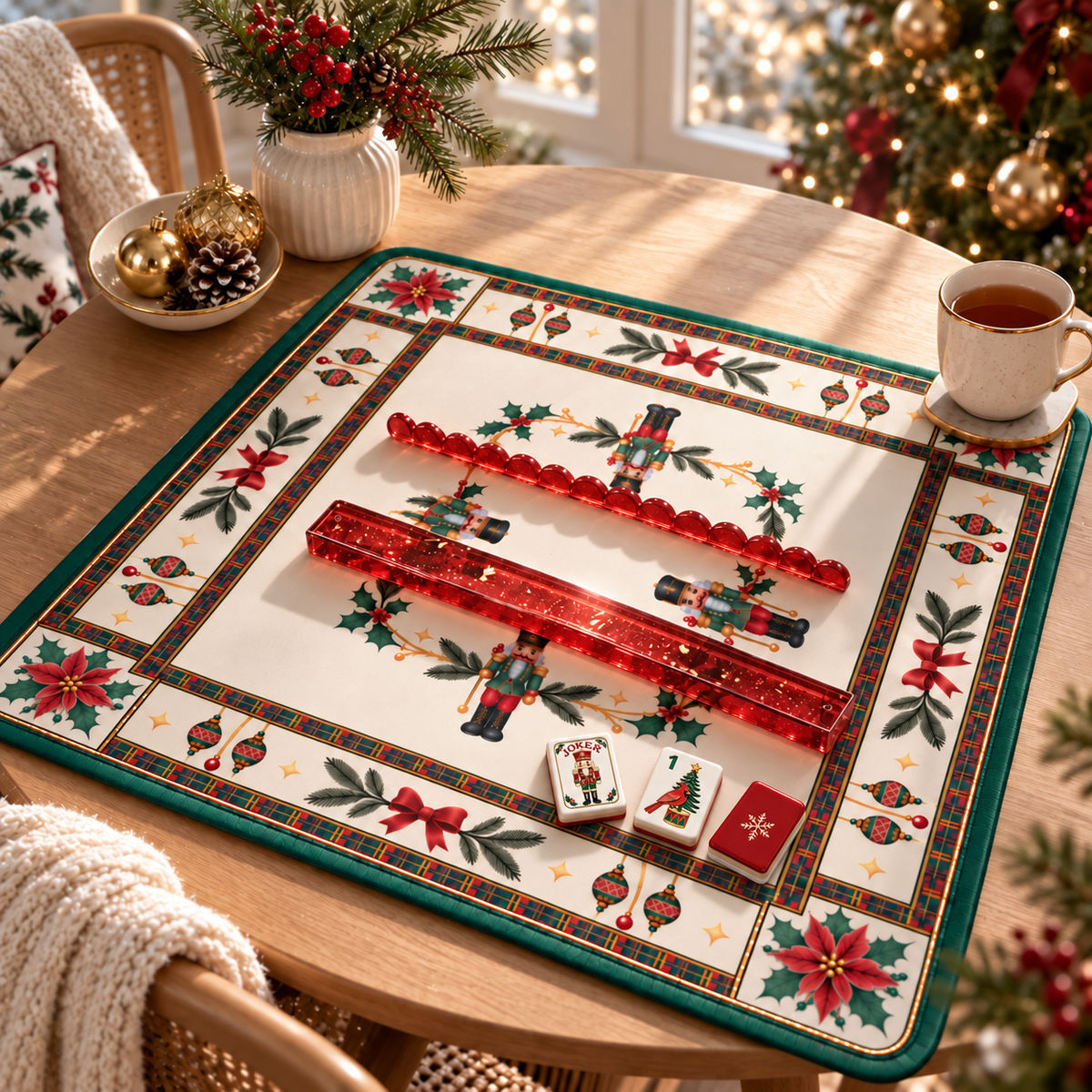
A fall mahjong tablescape is your hosting canvas: the table surface, lighting, seating comfort, tile set, mat, and seasonal décor arranged so players feel welcomed and the game flows smoothly. Start with a sturdy, level surface at least 2.5 feet square; add a dedicated mahjong mat to protect the table and define the play zone. Layer in autumn colors—burnt orange, deep gold, sage green, cream—through a table runner, placemats, or the mat itself; accent with small gourds, candles, or leaf garlands. Choose a 160-tile American mahjong set in a complementary finish (our best-selling mahjong sets come in acrylic designs suited to any palette), and keep a comfortable mahjong mat and racks with pushers within arm's reach so players can manage their tiles and the game without strain. Layer in snacks, water, good lighting overhead, and enough seating for four with room to breathe, and you've built an evening people will want to repeat.
What makes a fall tablescape different from any other season?
Autumn tablescapes lean into warmth and transition. Summer setups often favor cool colors and outdoor energy; fall invites you inward with deeper, earthier tones and textures that signal coziness. Soft overhead or flanking lighting (a table lamp, string lights, or candles) beats harsh overhead alone. A velvet or linen table runner in rust or sage grounds the space. The tiles themselves become part of the design: acrylic sets with warm bone or jade finishes integrate seamlessly; bamboo-look racks add organic texture. The goal is making players linger, not rush through—and that happens when the table looks like you wanted them there. Fall mahjong is a reason to gather; your tablescape should say so.
How do you choose the right mat color for autumn?
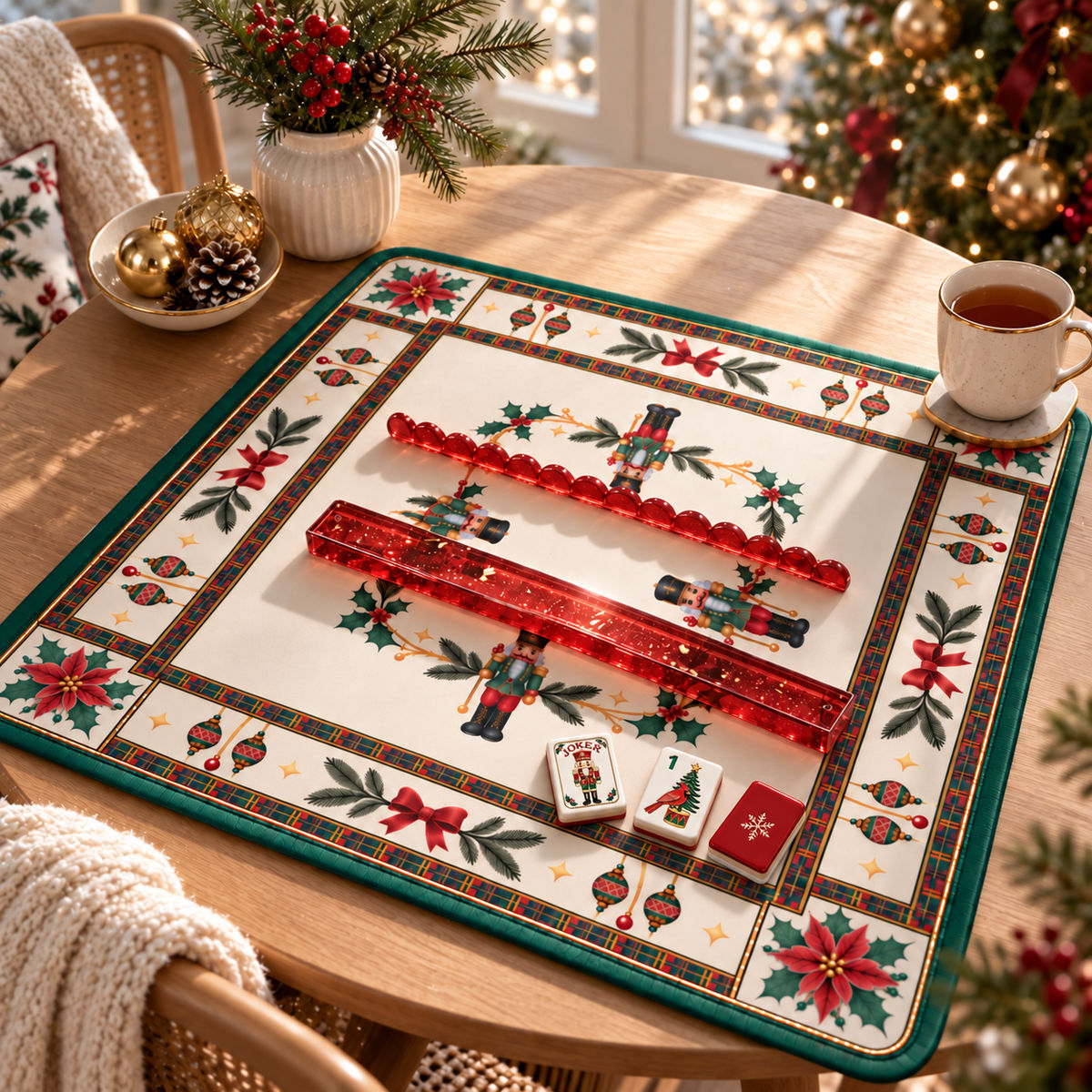
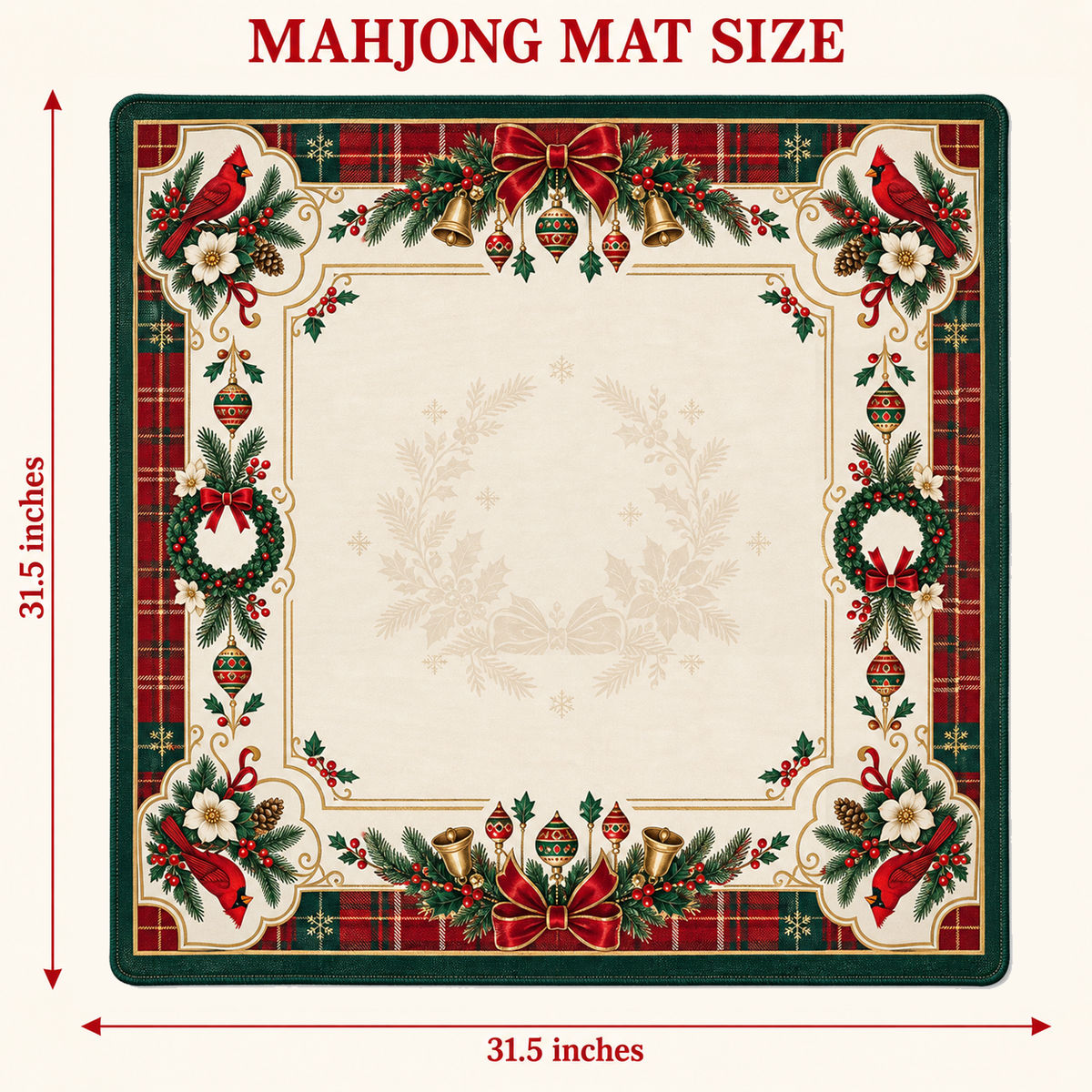
Your mat anchors the entire look and protects your table, so color choice matters both functionally and aesthetically. Deep burgundy, forest green, and charcoal mats pair naturally with fall; cream or light gray mats let autumn décor on the table around it shine. If your tiles are predominantly white or bone acrylic, a darker mat creates contrast and reduces eye strain. If tiles are darker (jade, natural bamboo), a lighter mat keeps the tiles legible. Consider too the room's existing palette: a mat that echoes your sofa, rug, or window treatments feels intentional rather than random. Mahstead's mahjong mats come in several standard colorways; measure your table first (mats typically range 36–40 inches per side for a four-player layout) so the mat doesn't slide or bunch. A well-fitted mat also stays flatter, making tile shuffling and drawing easier for all four players.
🀄 Shop best-selling mahjong sets →
What tiles and racks make a fall tablescape feel cohesive?
Cohesion comes from repeating materials and tones across the tile set, racks, and accessories. Acrylic tiles in bone, ivory, or jade finishes coordinate with natural wood or bamboo-style racks, or with cream and sage table runners. If you've chosen an engraved tile set—say, one with autumn phrases or seasonal motifs—that becomes your color anchor: build the mat, lighting, and racks around the tile finish rather than fighting it. Mahstead's engraved American mahjong sets offer designs that can speak to fall gatherings (think gratitude, harvest, or friendship themes) without requiring you to hunt for separate matching décor. Racks with pushers keep tiles upright and organized, and natural wood or matte finishes blend into an autumn palette far better than bright plastic. A mahjong bag or case in leather-look or canvas also doubles as décor when stored open nearby—it signals that mahjong is a valued ritual in your home, not an afterthought.
How should you light a fall mahjong table?
Lighting is underrated and transformative. Harsh overhead ceiling lights wash out tile colors and make reading small numbers harder; they also flatten the warm, intimate feeling autumn entertainment should have. Instead, pair subtle ambient light (a dimmed ceiling fixture at 30–40%) with task lighting: a swing-arm or gooseneck lamp positioned behind or to the side of the player area, about 12–18 inches above the table and angled down. Warm-toned bulbs (2700K or lower) complement fall décor and are easier on the eyes during a two-hour game. A votive or two in fall scents (cinnamon, apple, clove) adds sensory richness without dominating. If you're hosting near a window, use sheer curtains to soften daylight in late afternoon; if you're playing after dark, a small accent lamp (say, a bedside lamp on a side table) behind or near players creates depth and prevents the table from feeling like a stage. Test your lighting with players seated: the goal is seeing tiles clearly without squinting or casting shadows across the draw wall.
What's a realistic checklist for hosting a fall mahjong evening?
Element | Purpose | Timing | Notes |
Table & mat | Play surface, protection | Set up 30 min early | Level table, mat sits flat, no wrinkles. |
Tile set & racks | Game hardware | Set before players arrive | Tiles organized in racks, spare tiles/jokers in reach. |
Lighting | Eye comfort, ambiance | Test 1 hour before | Warm bulbs, task light angled down, no harsh shadows. |
Seating | Comfort for 2–3 hour game | Place before arrival | 4 chairs with back support, ~1 foot between each. |
Napkins, water, snacks | Refreshment, ease | 20 min before | Coasters at each seat, trash bowl nearby. |
Décor (runner, candle, greenery) | Seasonal feel | 10 min before | Small enough not to interfere with play or tile draws. |
Card & pen | Game reference | At the table | Current year's NMJL card and a pen for score tracking. |
Spare tiles & jokers | Replacements | In a small bowl nearby | In case of spill or damage during play. |
The rhythm matters: set the hard items (table, mat, racks) early so you're not fussing while players settle in. Layer in ambiance (lighting, décor, music if desired) 30 minutes before; check it feels right, then adjust. Have water and one small snack ready before anyone sits—a table laden with food becomes sticky and is distracting. A clear, uncluttered play zone surrounded by comfort and warmth wins every time.
🎁 See our most-loved mahjong sets & accessories →
What should you check before you buy new tiles and mats for fall?
Measure your table first: a standard dining table (36–40 inches per side) fits a mat and four players comfortably; anything smaller will feel cramped. Check whether your chosen mat fits in your storage between games—a rolled mat in a hallway closet is fine; one that must lay flat eats closet space. If you're buying a new 160-tile set, verify it includes the full American set (152 playing tiles plus spares) and that the tile thickness and finish suit your racks and handling style: thicker tiles feel premium but can be harder to shuffle if you have hand arthritis; thin acrylic is fast but more prone to chipping if dropped. Acrylic is durable and easy to clean; consider whether you'll wipe tiles between games (acrylic handles it well; bamboo does not). If you're ordering engraved sets, confirm the design reads clearly on the tile color and that any text or image is centered and legible in table lighting. Finally, confirm acrylic sets ship free across the US so there's no surprise cost; storage and setup space are investments enough.
How do fall gatherings differ from spring or summer mahjong nights?
Fall mahjong thrives on the turning-inward impulse: leaves change, daylight shortens, and people naturally drift toward regular, predictable gatherings. A spring game might be casual and outdoor-adjacent; fall games become weekly anchors. Your tablescape should reflect that permanence—a mat you keep out, a set that lives on or near the table, racks stored in arm's reach. Fall weather also means earlier darkness, so lighting design matters more. Snacks shift from iced tea and fruit to warm cider, tea, and baked goods, which changes the mood subtly but noticeably. Many of us find fall game groups solidify and last through winter, so investing in a thoughtful setup pays dividends over the season.
✨ Find your Mahstead set — free US shipping →

FAQ
Can I use a regular tablecloth instead of a dedicated mahjong mat?
A mahjong mat is worth the investment because it defines the play zone, protects tiles from catching cloth fibers, and keeps tiles from sliding during shuffles and draws. A tablecloth alone will bunch, absorb spills into the table, and make wall-building harder. A mat is the foundation of a functional tablescape.
What's the ideal room temperature for a mahjong evening?
Aim for 68–72°F; too cold makes fingers stiff and handling tiles harder, too warm makes players drowsy. Fall weather often cooperates naturally—crack a window if the room feels stuffy. Comfort compounds over three hours.
Should the tile set match the mat color exactly?
No. Contrast actually helps: a bone acrylic set on a deep burgundy mat is easier to read than bone on cream. Complementary colors—warm tiles with cool mat, or vice versa—create visual interest without clashing. Cohesion comes from intention, not matching.
How many candles or accent lights is too many?
One overhead, one task lamp, and one or two small candles or votives is the sweet spot. More than three light sources create visual clutter and cast conflicting shadows. Simpler is always more elegant.
Can I host mahjong outdoors in fall?
Outdoors is tricky: wind moves tiles, temperature drops fast after sunset, and damp air damages bamboo racks and some tile finishes. If you do play outside, use a heavy mat, weight tiles, and bring the set and racks indoors immediately after. An enclosed porch or screened room is safer.
What's the best surface to shuffle tiles on during setup if I don't have a mat yet?
A clean wooden table or a folded towel works temporarily, but tiles will slide and scatter. A mat is not optional long-term—it's the first piece of gear to buy after your tile set. It protects both the table and your game flow.


View More
View More
View More
