
Tile Games Like Mahjong: 7 Alternatives & How They Compare
Last updated: Nov 23, 2026
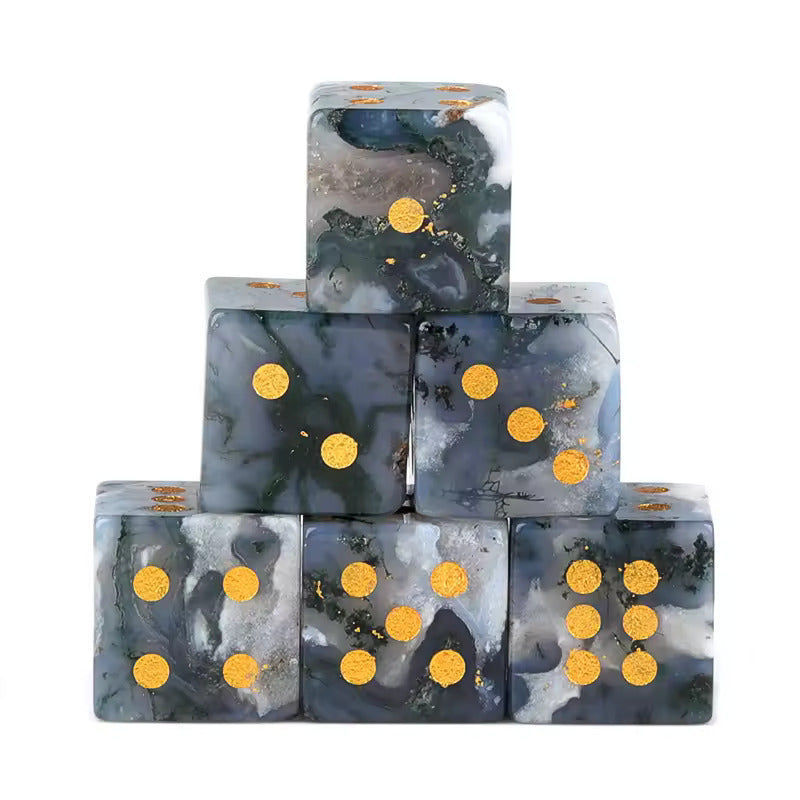
Tile games like mahjong share pattern-matching, hand management, and social play, but differ in rules, complexity, and pace. Rummy uses cards and melds; dominoes require dot-matching and blocking strategy; Solitaire variants test solo logic; Taiwanese Mahjong and Riichi Mahjong follow different rule sets than American mahjong. American mahjong remains unique: it requires the current year's National Mah Jongg League hand card, forbids sequences (chows), uses eight jokers, and involves a pre-game tile-passing ritual called the Charleston. You'll find versions of these games at game nights worldwide, with online communities and local clubs in libraries, community centers, and cultural venues. Most beginner sets—including the best-selling American mahjong sets—cost under standard pricing and include tiles, racks, mats, and storage; play time ranges from 30 minutes to three hours depending on the game and player count. The barrier to entry is low, but mastery takes years.
What makes mahjong different from other tile games?
American mahjong stands apart because play is dictated by the official hand card, released each spring by the National Mah Jongg League. You cannot improvise hands; you cannot make a sequence from three consecutive numbers the way you can in card rummy. Every exposed meld must be a pung (three identical tiles), kong (four identical), quint (five), or sextet (six). Jokers are wild cards but cannot form pairs or single tiles—a critical constraint unknown to other games. The pre-game Charleston, where players pass tiles in a choreographed exchange, builds strategy before the first draw. No other tile game requires this ritual. That blend of structure, ritual, and fixed rule cards makes mahjong feel less like chess (which changes year to year) and more like a codified sport.

How does rummy compare to mahjong?
Rummy uses 52 playing cards and focuses on melds (sets and runs) formed by matching suit and rank. A set is three or more identical ranks (three 7s, four Jacks); a run is three or more consecutive cards of the same suit (5♥-6♥-7♥). Unlike American mahjong, rummy requires runs and allows them to be built on the fly—you don't consult a card to know what hands are legal. Rummy games finish faster, often in 20–40 minutes, and require less table space. Mahjong, by contrast, demands constant reference to the hand card, involves four players (not two or three), and typically lasts 45 minutes to two hours. Both reward memory and strategic discarding; rummy is speedier and more portable, while mahjong is more social and rule-bound.
Why do dominoes appeal to mahjong players?
Dominoes and mahjong share a meditative, tactile quality. You draw tiles, read patterns, plan blocks, and manage a hand face-down. The classic double-six set (28 tiles) is far simpler than mahjong's 152 tiles: you match pips (dots) end-to-end, and the game is about preventing opponents from playing, not building melds. Dominoes finish in 15–30 minutes and require no card reference. Many players find dominoes relaxing because there's no hidden hand card to study—strategy is visual and immediate. Mahjong players often enjoy dominoes as a warm-up game or a break from intense strategic play. If you love the quiet click of tiles and the spatial puzzle of blocking, dominoes offers that without mahjong's complexity.
🀄 Shop best-selling mahjong sets →
How do Riichi and Taiwanese mahjong differ from American rules?
Riichi mahjong (the Japanese variant) uses 136 tiles and emphasizes concealed hands—you draw and discard without exposing melds until your hand is complete. The game rewards waiting for specific tile patterns, and winning hands must meet point thresholds. Taiwanese mahjong uses 144 tiles, incorporates bonus tiles, and allows both sequences and sets. American mahjong, by contrast, uses 152 tiles, requires constant exposure of melded tiles on the table, and forbids sequences entirely. Riichi and Taiwanese variants reward patience and hidden strategy; American mahjong is open-book, tactical, and rhythmic. If you enjoy guessing opponents' hands and waiting for the perfect tile, Riichi excels. If you prefer all-hands-on-table negotiation, American mahjong wins. Learn the rules of American mahjong to see which feels right for your table.

What about Solitaire and puzzle tile games?
Solitaire variants (Mahjong Solitaire, Shanghai, Mahjongg Dimensions) are solo puzzles, not social games. You arrange face-up tiles in patterns and remove matched pairs, racing against time or a move limit. These offer relaxation and mental sharpness without the social negotiation of multiplayer mahjong. Some players use Solitaire as practice for reading tiles and patterns before joining a live game. Puzzle games like these exist on phones and tablets, making them portable; traditional mahjong sets require four players and a table. Neither replaces the social and gambling aspects of live play—but both scratch the pattern-matching itch on commutes or breaks.
Game | Player Count | Tile/Card Count | Play Time | Pace | Hidden Info? | Best For |
American Mahjong | 4 | 152 tiles | 45–120 min | Strategic, social | No; all exposed | Social depth, rule precision |
Riichi Mahjong | 4 | 136 tiles | 30–60 min | Tense, waiting | Yes; concealed hands | Psychological bluffing |
Taiwanese Mahjong | 4 | 144 tiles | 30–90 min | Flexible, mixed | Mixed; varies by rules | Balanced strategy |
Rummy | 2–6 | 52 cards | 20–40 min | Quick, tactical | Hand hidden | Portability, speed |
Dominoes | 2–4 | 28 tiles | 15–30 min | Relaxed, blocking | No; all visible | Calm, meditative play |
Mahjong Solitaire | 1 | ~144 tiles | 10–20 min | Solo puzzle | N/A | Mental warm-up |
Which game should you learn first?
If you've never played a tile game, start with dominoes if you want rules that fit on one page. Play three games in an evening, no hand card needed, pure spatial logic. Start with American mahjong if you enjoy rule depth, social table dynamics, and don't mind consulting a reference card. Join a local club or community center game (libraries, synagogues, and senior centers often host weekly sessions); most players welcome beginners. Start with Riichi mahjong if you speak Japanese, live near a Chinatown game room, or want a more compact, fast-paced social experience. Start with Solitaire variants if you want solo play with zero social pressure—they're free on most devices and teach tile recognition before you sit at a four-player table.
The choice depends on your environment and patience. Mahjong demands a four-player commitment, a current hand card, and table space. If that appeals, explore our best-selling mahjong sets and find one that matches your aesthetic and household. If speed and portability matter more, rummy or dominoes fit a briefcase.
What equipment do you need for each game?
American mahjong requires a 160-tile set (152 playing tiles plus spare jokers and blanks), a mat, racks with pushers, the current year's National Mah Jongg League hand card, and a bag or case for travel. Sets are typically made of acrylic, bone, or resin, and include wind tiles, dragon tiles, flower tiles, Bam/Crak/Dot numbered suits, and jokers. Choose a mat based on your table size and preference for portability—felt or laminate surfaces keep tiles stable, and foldable versions pack flat. Racks with pushers organize your hand and speed play.
Rummy needs a single card deck and a flat surface; optional: pen and paper for scoring.
Dominoes require one double-six or double-nine set (28 or 55 tiles) and a surface; optional: a wooden rack.
Riichi mahjong requires a 136-tile set and a hand card printed in Japanese (or memorized patterns); bags and cases keep sets portable and protected.
Solitaire variants require a smartphone, tablet, or printed tile patterns; no equipment needed.
If you're building your first game night from scratch and want flexibility, a high-quality best-selling American mahjong set accommodates up to four players and includes everything except the hand card (which you'll download from the National Mah Jongg League website each spring).
🎁 See our most-loved mahjong sets & accessories →
What to check before you buy a tile game set
Player count: Does the game fit your household? Mahjong needs four; rummy works 2–6; dominoes 2–4.
Play time: Can everyone commit 30 minutes to two hours, or do you need 15-minute games?
Space: Does your table fit a mat (typically 27–36 inches square) and four racks?
Hand card requirement: American mahjong requires a downloadable/printed card updated yearly; other games do not.
Portability: Will you carry the set to friends' homes? Foldable mats and padded travel bags reduce friction.
Durability: Acrylic tiles last decades with care; resin and bone are heavier but elegant. Check the tile size (typically 1 inch × ¾ inch) and weight to ensure they're comfortable for long sessions.
Aesthetic fit: Do you want engraved designs, holiday themes, or minimalist styles? Engraved American mahjong sets add personality to the table.
Community: Is there a local game club, online league, or regular group you can join? Buying a set is easier if players are already waiting.
✨ Find your Mahstead set — free US shipping →

FAQ
Is mahjong harder than rummy or dominoes?
Mahjong has steeper rules but more reward once learned. You must memorize the hand card patterns and tile names, and track 16 tiles per player across four hands. Rummy and dominoes are faster to learn but offer less strategic depth. It's not "harder"—it's more time-intensive upfront.
Can you play American mahjong with friends in other countries?
Yes, if they have the current National Mah Jongg League hand card. Americans playing Riichi mahjong in Japan will find different rules; the hand card, tile rankings, and winning patterns don't transfer. Digital platforms like Mahjong Soul let you play multiple variants online, but your friends must learn the variant's specific rules.
Which tile game is best for solo play at home?
Mahjong Solitaire or other puzzle variants—they're free on most phones and tablets, teach tile recognition, and have no time limit. Traditional mahjong requires four players and is not enjoyable solo; rummy and dominoes are strictly multiplayer or have weak solo adaptations.
Do I need special tiles for Riichi or Taiwanese mahjong, or can I use an American set?
You cannot use an American mahjong set for Riichi or Taiwanese variants because the tile counts and compositions differ. American sets have 152 tiles; Riichi uses 136; Taiwanese uses 144. Tile rankings and bonus tiles are also different. You'll need a set specifically made for each variant.
Where can I find a local mahjong club to join before buying a set?
Check community centers, libraries, synagogues, senior centers, and country clubs in your area—most host open games weekly. Search "mahjong near me" or ask at game shops. Many groups welcome beginners and loan sets during the first session, so you can learn before investing in your own.
How much space does an American mahjong setup take on a table?
A standard mat is 27 to 36 inches square; with four racks and player seats, you need a minimum 4-foot round table or 5-foot rectangular table. A mat folds to briefcase size for travel. Mahjong takes more table space than rummy or dominoes, so confirm your furniture before buying a set.


View More
View More
View More
