
Chinese Official Mahjong Special Hands: Which Tiles Win
Last updated: Nov 23, 2026
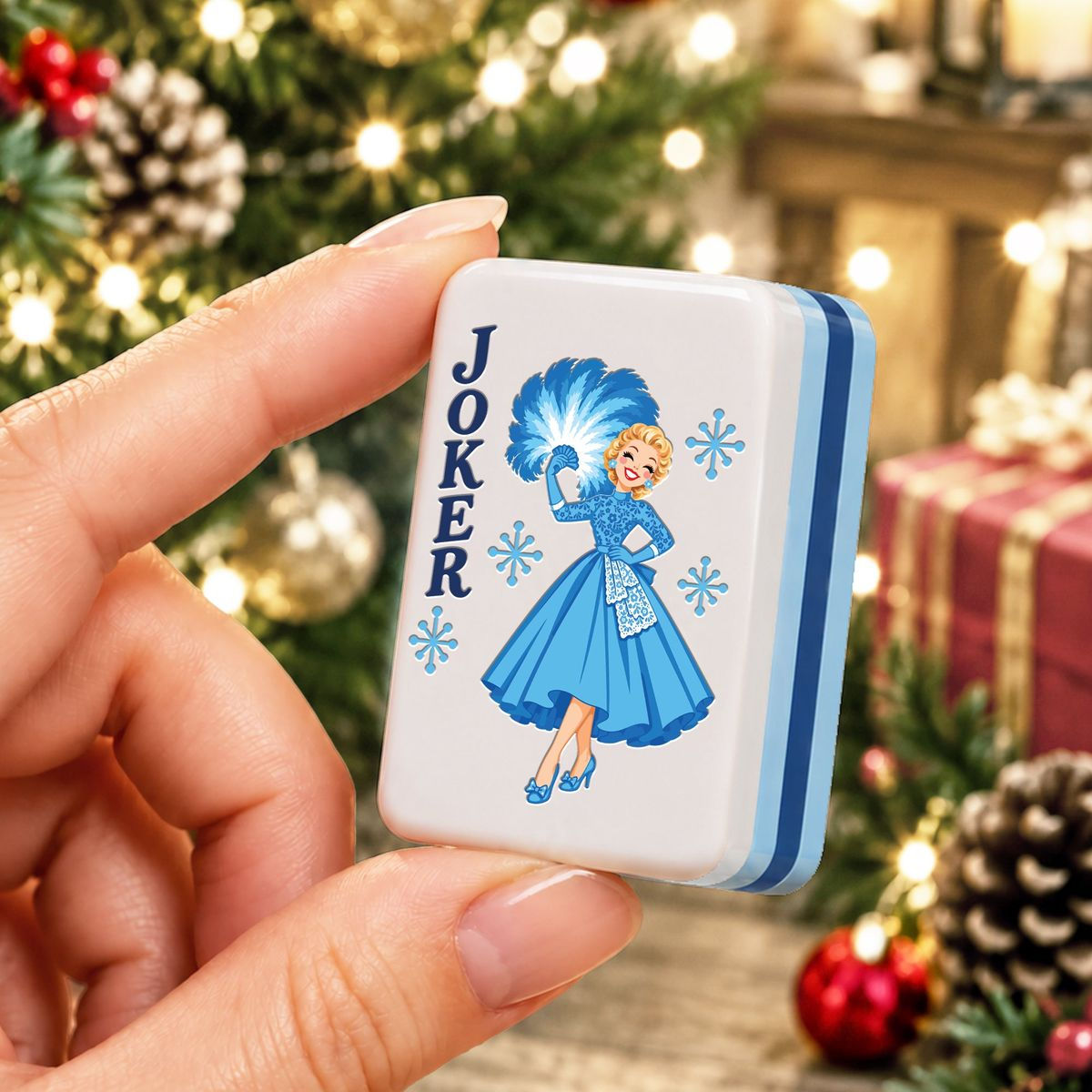
Chinese Official mahjong (also called Standard or Cantonese mahjong) recognizes specific winning hand patterns called "tings" that are memorized rather than referenced from a card. Common patterns include sequences (chows: three consecutive numbers in one suit), sets of three identical tiles (pungs), or four identical tiles (kongs), plus a pair. Winning hands require 14 tiles and must follow one of dozens of named patterns. Scoring varies by pattern and region; some hands pay double, triple, or more depending on rarity and complexity. Unlike American mahjong, Chinese Official play allows exposed sequences, hidden melds count for higher payments, and the hand list is unwritten and shared through tradition rather than printed annually. Learning from experienced players is crucial when joining a group.
🀄 Shop best-selling mahjong sets →
What makes a hand "special" in Chinese Official mahjong?
A special hand in Chinese Official mahjong earns a bonus payment beyond the base tile count. The hand must fit a recognized pattern and often meet a secondary condition—for example, all tiles from one suit (all Green, all Red, all Dots), or all honor tiles (winds and dragons), or no sequences (all pungs and kongs). The most common special hands include All Pung (no sequences, only three- and four-tile sets), All Chow (only sequences), Chow Hand with All Simples (sequences using tiles 2–8 only, avoiding 1 and 9), Seven Pairs (seven separate pairs instead of the normal four melds plus a pair), and Limit Hands (such as All Honors, Big Three Dragons, or All Terminals). Each region—Cantonese, Shanghainese, Taiwanese—recognizes a different subset and assigns different payment multipliers. A hand that is "special" in Cantonese rules may not score extra in Shanghai rules. The key is that the hand's constraint (monochrome suit, no sequences, hidden melds) makes it rarer and therefore worth more to the winner than a standard hand.

How do winning patterns differ between Chinese Official and American mahjong?
Chinese Official mahjong and American mahjong use completely different winning frameworks. American mahjong requires exactly 152 tiles, one active hand card (printed annually by the National Mah Jongg League), and hands are fixed combinations: for example, a player must match a published pattern such as "two pungs and a quint of Craks plus a pair of Winds." Jokers are allowed everywhere in melds, and the card is mandatory—no player may deviate from it. Chinese Official mahjong uses a closed hand list, plays 136 or 144 tiles depending on region, and emphasizes memorized tile combinations and strategic discard rather than a printed guide. Winning hands in Chinese Official are types (All Pung, Seven Pairs, Chow Hand) rather than exact tile sequences. Jokers do not exist in traditional Chinese Official play. American mahjong awards points based on the complexity of the card hand and joker use; Chinese Official awards payment based on hand type and concealment (hidden melds pay more). A player familiar with American mahjong must essentially learn a new game when transitioning to Chinese Official—the tile mechanics remain, but the winning logic is inverted.
🎁 See our most-loved mahjong sets & accessories →
What is the difference between a "limit hand" and a regular special hand?
A limit hand (also called a "ceiling hand" or maximum-value hand) is a special hand so rare or difficult that it pays the maximum amount per tile or game rules, regardless of hand count. Regular special hands earn a multiplier—for example, 2x or 3x the base payout. Limit hands are outside that tier and reward a flat premium or cap the winner's maximum. Common limit hands include All Honors (14 tiles using only winds and dragons), All Terminals (tiles 1 and 9 in all three suits), Big Three Dragons (all three dragon types as pungs or kongs, plus a pair), Small Three Winds (three different winds as sets, plus a pair), and All Green (only Green dragons and Bam 2, 3, 4, 6, 8). Limit hands require a hand to meet two constraints: not only the meld structure but also the suit or number restriction. In some regions, a limit hand also cannot contain any jokers or must be wholly concealed (no exposed melds). Payment for a limit hand often maxes out the evening's stakes or pays a round fee. A player aiming for limit hands must discard cautiously and track which suit or honor combinations remain viable long into the game, making limit hand play a strategic discipline separate from casual winning.
How do regions score special hands differently?
Chinese Official mahjong has no single worldwide ruleset; the main variants (Cantonese, Shanghainese, Taiwanese, and others) each define their own special hands and payouts. Cantonese mahjong, the most widely played, recognizes approximately 30–40 named special hands and assigns multipliers such as 2x, 3x, or 4x base payout, plus limit-hand categories. Shanghainese mahjong emphasizes concealment and often allows only hidden melds for bonus scoring; a meld revealed before winning may disqualify the special status. Taiwanese mahjong incorporates additional bonus tiles (flowers and seasons) and can offer different multiplier tiers. The hand "All Chow" (only sequences) pays 2x in Cantonese but may be worth 3x or have a ceiling in Shanghai. The hand "No Honors" (no winds or dragons) is common in Cantonese play but rarely recognized in Shanghai. A player must agree on the ruleset before sitting at a table and ideally obtain a written scorecard or confirm with the table host. Many groups play a hybrid: Cantonese base rules with local house tweaks. Without clarity, disputes over special hand payment can end friendships. When learning Chinese Official mahjong, ask your group which region's rules apply and request the special-hand list in writing if possible.
Hand Type | Cantonese Example | Shanghai Example | Key Difference |
All Pung | 4 triplets + pair, all melds hidden, pays 3x | 4 triplets + pair, hidden only, pays 3x or limit | Concealment rule is mandatory in Shanghai |
Seven Pairs | 7 separate pairs, pays 2x | 7 separate pairs, pays 2x or ceiling | Both regions value seven pairs equally |
All Honors | 14 honor tiles (winds, dragons), pays limit (max) | 14 honor tiles, pays ceiling (max) | Both treat this as highest-value hand |
All Chow | 4 sequences + pair, pays 2x | 4 sequences + pair, may not be special | Shanghai often does not recognize this bonus |
No Honors | No winds or dragons in 14 tiles, pays 2x | Not recognized as special | Cantonese bonus only; Shanghai ignores |

What mistakes do new Chinese Official players make when identifying special hands?
New players often misidentify melds or miscount tiles, causing a non-winning hand to be declared and forfeited, or a special hand to be overlooked and scored at base value. The most common errors: (1) Mixing sequences and sets. A sequence requires three consecutive numbers in one suit (e.g., 2 Bam, 3 Bam, 4 Bam); a pung requires three identical tiles. A hand with three Bams (1, 2, 3 vs. three 5-Bams) is fundamentally different—one is a chow, one is a pung. If a player miscounts, they may declare "All Chow" when one meld is actually a pung, invalidating the bonus. (2) Forgetting the pair. A winning hand has 14 tiles: four melds of three tiles each (12) plus one pair (2). If a player miscounts and misses the pair, no hand is valid. (3) Misreading concealment. In Shanghai and other strict variants, a revealed meld disqualifies the special-hand bonus. A player who exposes a pung mid-game and then discards into a winning hand believing it still qualifies for "All Pung" (hidden) loses the multiplier. Always confirm whether your group allows exposed melds before declaring a special hand. (4) Not knowing regional limits. A player claims "All Green" as a limit hand, but the table plays Shanghainese rules where only certain Green combinations count. The hand is downgraded or rejected. Before playing, ask a senior player to list the 5–10 most common special hands and their payment values.
How do you practice recognizing and remembering these special hands?
The best way to learn Chinese Official special hands is to sit at a table and play, keeping a scorecard visible for the first 10–20 games. Write down every hand that wins, the hand type, and the payout multiplier. After 20–30 games, patterns emerge: you will see All Pung several times, Seven Pairs twice, and an All Honors hand once or twice per month. Muscle memory builds faster through play than through memorization. A secondary method is to study a regional hand list (available from Chinese mahjong clubs, libraries, or online forums specific to your region) and drill: read the hand description, lay out tiles physically, and verify you can identify it at a glance. Use a quality mahjong set with clear tile faces and weight; poor visibility slows down learning. Many players keep a physical scorecard or laminated hand-list at the table; there is no shame in referencing it. Some groups rotate a "caller" who watches for special hands and alerts the table before declaring, reducing disputes. After 30–50 games, you will recognize special hands reflexively, and the memorization will feel natural rather than forced. Join a local Chinese mahjong club or community center group; they often have teaching sessions for beginners and can fast-track your learning by weeks.
✨ Find your Mahstead set — free US shipping →
What to check before you buy a set for Chinese Official mahjong
If you are learning Chinese Official mahjong with a group, confirm the tile count first: Cantonese play uses 136 or 144 tiles depending on house rules, and some variants include flower and season tiles (136 + 8 = 144). Most Western-made sets are designed for American mahjong (152 tiles with jokers and flowers) and will include extra tiles you won't use. When buying, ask your group or teacher which tile count they use and whether flowers are included in play. A set labeled "Chinese mahjong" on a Western vendor may still be overloaded with American tiles and jokers. Tile visibility matters: Chinese Official play involves rapid tile evaluation and discarding; if the suit symbols (Bam, Crak, Dot), wind glyphs, and numbers are unclear, play slows dramatically and errors multiply. Choose a set with crisp engraving, bold suit markers, and good color separation between red and green dragons. Storage and transport are practical: if you are traveling to a weekly group game, a compact travel bag or case protects tiles from warping and loss. Chinese mahjong tiles are often smaller and lighter than American tiles, but they still merit protection. Confirm the bag fits your specific tile set before purchase. Pushers and racks are optional but helpful: if the group uses racks (vertical tile holders to organize your hand), bring one; if not, you can play without. Many Chinese Official players prefer to hold tiles in hand rather than use racks, so ask the group's preference before investing in racks.

FAQ
Can I use an American mahjong set to learn Chinese Official mahjong?
Not comfortably. American sets (152 tiles with jokers) have extra tiles Chinese Official does not use (Flowers, Jokers), lack the correct tile distribution, and often have American-style notation on honor tiles that differs from classical Chinese glyphs. You can practice hand recognition, but you will need a proper Chinese set for actual play with a group.
What is the most common special hand in Chinese Official mahjong?
All Pung (four sets of three identical tiles plus a pair, no sequences) is the most frequently declared special hand, followed by Seven Pairs. Both are achievable with attentive discarding and reasonable luck, making them realistic targets for intermediate players.
Do I have to memorize all the special hands before I play?
No. Play with a reference card or scorecard visible and ask senior players to confirm hand types before paying. After 20–30 games, the most common hands (All Pung, Seven Pairs, All Chow, All Honors) will stick; rare limit hands can always be verified with the group.
How do Cantonese and Shanghai rules differ in payouts?
Cantonese rules assign tiered multipliers (2x, 3x, 4x, and limit hands); Shanghai rules often emphasize concealment (hidden melds only) and may cap or lower multipliers for exposed melds. Always confirm before sitting; hybrid house rules are common.
Can a hand be both a special hand and a limit hand?
Yes. A hand can earn a special multiplier and still qualify for a limit (ceiling) payout if it meets the criteria—for example, All Honors is both a named special hand and a limit hand in most regions. The limit payout supersedes the multiplier.
Where can I find a detailed list of special hands for my region?
Contact a local Chinese mahjong club (often at community centers, libraries, or cultural centers in your area), join an online forum for your region's ruleset, or ask your group host for a written hand list before your first game.


View More
View More
View More
