
How to Choose a Mahjong Dice: Size, Material & Game Fit
Last updated: Nov 23, 2026
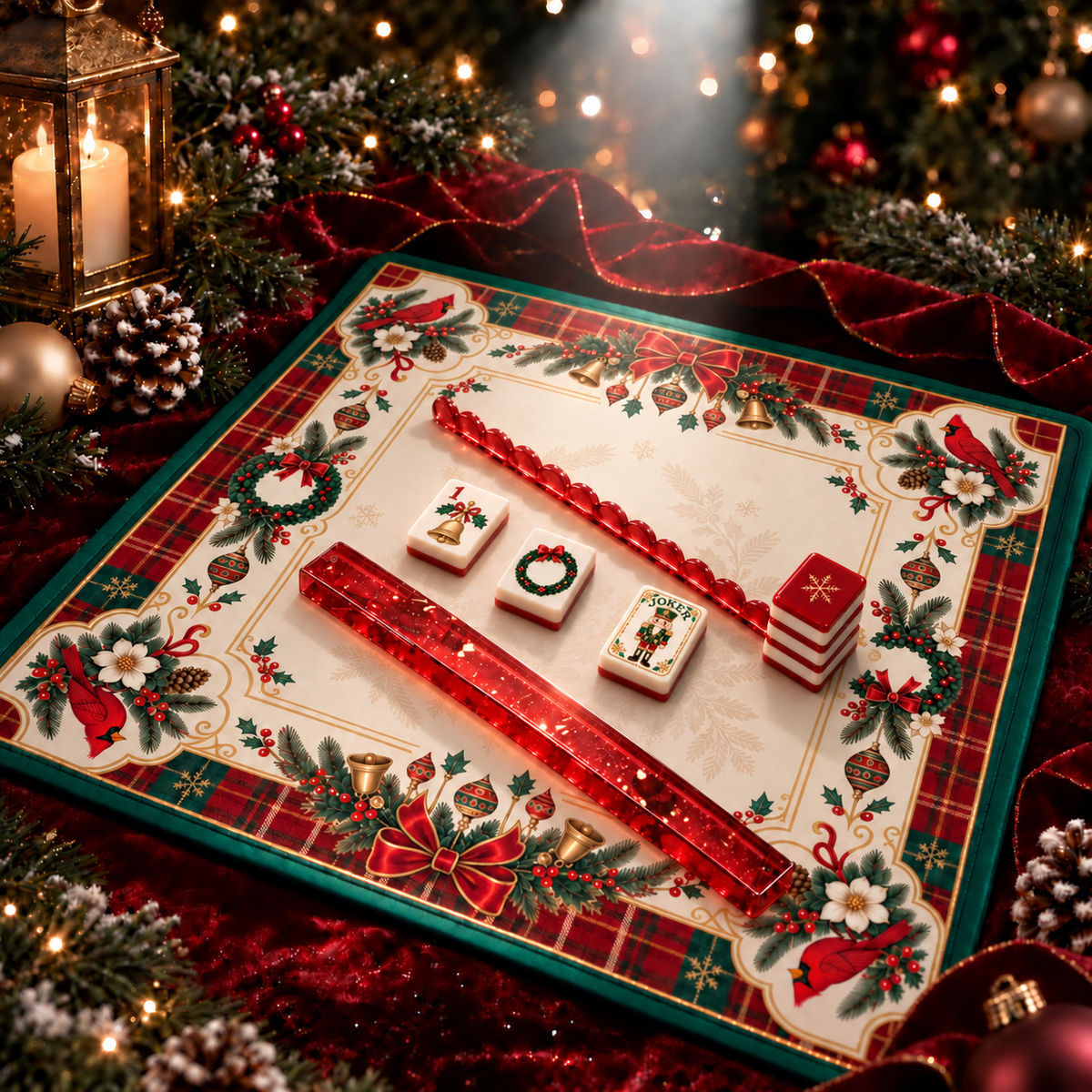
Mahjong dice come in acrylic, wood, and plastic—each with trade-offs in durability, roll quality, and aesthetics. Standard Western dice are about ½ inch; mahjong dice run slightly smaller or equal. For American mahjong, you need two dice per game to determine the dealer and starting hand. Acrylic dice last longest on the table and travel well in cases; wood feels premium but can chip; plastic is budget-friendly but may feel hollow. Cost varies from budget to mid-range depending on material and design. The best choice depends on whether you play weekly, travel, or display your set. Mahstead offers dice that match our best-selling mahjong sets, designed to complement acrylic tiles and withstand regular play.
Mahjong dice are more than cosmetic—they're functional tools that control game flow. A heavy, well-balanced pair rolls predictably; a light, cheap plastic pair tumbles erratically and can frustrate players mid-hand. Before you buy dice, understand what role they'll play at your table: are they decorative, travel-ready, or work-horses for weekly games?
What size and weight do mahjong dice actually need to be?
Standard mahjong dice measure roughly ½ inch to ⅝ inch per side—smaller than Western game dice but heavier in acrylic or wood. A heavier die rolls farther and settles faster, reducing disputes about where it landed. Lightweight plastic dice, by contrast, skid across the tile rack and bounce unpredictably, especially on a textured mat. If your group plays on a mahjong mat or tile surface, weight matters: acrylic or wood dice sit firmly once they stop rolling; plastic may keep sliding. For travel or storage in a bag or case, lighter acrylic dice pack tighter and are less likely to crack tile edges during shipping or stacking.
Acrylic vs. wood vs. plastic—which material wins for longevity?
Acrylic dice outlast plastic by years of weekly play. They resist stains, don't absorb moisture, and maintain their shine without polishing. Wood dice develop character but scratch easily; they're best for players who appreciate patina over pristine condition. Plastic dice fade, become sticky if exposed to heat, and can warp—especially if stored near a sunny window or in a hot car. Here's the practical trade-off: acrylic costs more upfront but eliminates replacement cycles; plastic is cheap but creates that nagging moment when someone says, "These feel cheap." For serious weekly players, acrylic is the math that works.
Material | Best for | Durability | Feel at table | Travel-friendly |
Acrylic | Weekly play, long-term sets | 5+ years | Solid roll, crisp stop | Yes, pack tight |
Wood | Display sets, occasional play | 2–4 years | Warm, vintage | Yes, hand-carried |
Plastic | Casual, budget-conscious | <2 years | Hollow, fast | Yes, lightest |
Acrylic dice from our best-selling mahjong sets are precision-cut and polished to the same standard as our tiles, so they roll smoothly on any mat or tabletop.
🀄 Shop best-selling mahjong sets →
Do you need engraved or decorated dice to match your mahjong set?
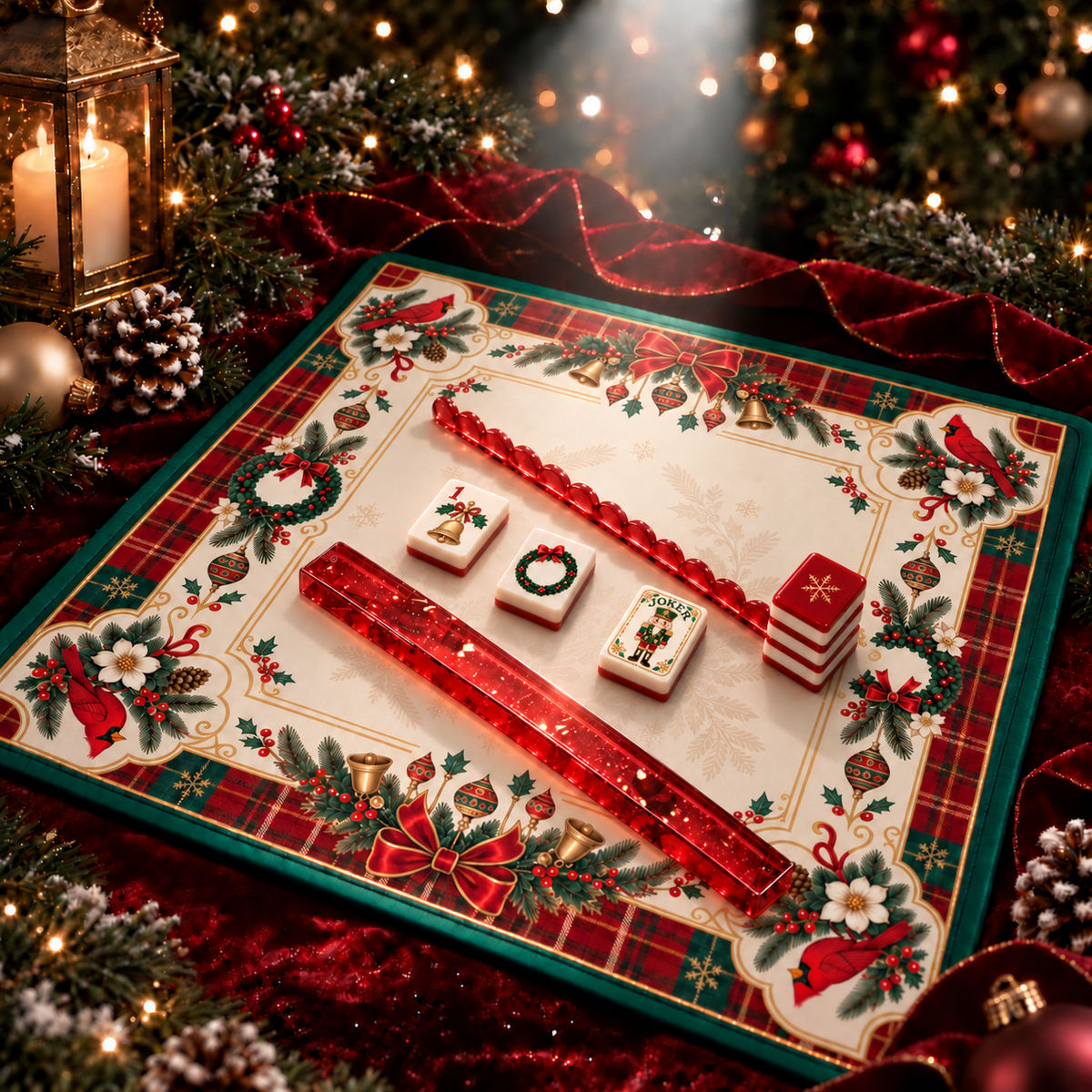
Engraved dice—featuring numbers, symbols, or custom designs—add visual flair but serve the same function as plain dice. If your set is engraved with titles or custom art, matching dice reinforce the cohesive look. Plain acrylic dice work just as well mechanically; the choice is aesthetic and personal. For gifting, however, engraved or thematic dice can elevate a set from "nice tiles" to "complete experience." A set of dice with a holiday theme pairs perfectly with Christmas mahjong sets if you rotate seasonal games. Decoration does not affect gameplay—only your table's visual presence.
How many dice do you actually need per game?
American mahjong uses exactly two dice per game. One die determines the dealer; the other establishes where the deal begins on the wall. You need no more, no fewer. Many players buy a spare pair and store it in their case to guard against loss or damage during travel. If you host multiple tables simultaneously, having three or four pairs on hand prevents the awkward shuffle between games. For a single household or regular group of four, two dice suffice—but a backup pair in your bag or case costs little and saves a game night.

What's the difference between dice designed for American vs. Chinese mahjong?
American mahjong uses standard six-sided dice with numbers 1–6. Chinese mahjong also uses six-sided dice but occasionally adds unmarked or decorative pairs with symbols instead of numbers. The functional requirement is identical: you need randomization for the deal. Riichi mahjong uses the same six-sided system. Taiwanese mahjong mirrors American rules. In practice, any balanced pair of six-sided dice works for any mahjong variant—the dice themselves are format-agnostic. What changes is the rule for how the die result translates to the wall position, not the dice themselves. Buy dice that feel good to roll and match your set's aesthetic; the variant you play doesn't restrict your choice.
🎁 See our most-loved mahjong sets & accessories →
What to check before you buy
Material: Decide between acrylic (durable, travel-ready), wood (premium feel, shorter lifespan), or plastic (budget, fragile).
Weight and size: Confirm the pair is at least ½ inch per side and feels substantial in your hand—no hollow rattle.
Color match: If your set is engraved or features a specific aesthetic, verify the dice complement it visually.
Quantity: One pair is minimum; two pairs (one backup) is standard for regular players.
Storage: Ensure your mahjong bag or case has room for dice without them rolling loose during transport.
Gameplay test: Roll the pair three times on your mat or table—does it settle cleanly or slide? Does the number land face-up clearly?
Why Mahstead dice pair with your set
We design our dice to roll consistently on any mahjong mat, acrylic tile surface, or wood table. The weight and polish of our acrylic dice minimize the "bounce-and-slide" problem that plagues cheaper alternatives. If you own one of our new arrival sets or engraved title sets, a matching pair of dice from our collection completes the investment—no hunting for compatible sizes or colors. Every pair ships with the spare tiles in your set; free US shipping included.
✨ Find your Mahstead set — free US shipping →
FAQ
Can I use regular six-sided dice from a board game instead of mahjong dice?
Yes, mechanically they work—the pair rolls and lands just fine. However, standard game dice are often lighter and may slide on certain mat surfaces, and they won't match a themed or engraved mahjong set aesthetically.
What happens if one die breaks mid-game?
Stop and find a spare. If you don't have one, the game is delayed until you reroll with a replacement pair or set the deal by manual count. Keeping a backup pair in your case eliminates this.
Do engraved dice cost much more than plain acrylic dice?
Engraved designs add cost but not dramatically—see current prices on the product pages. The difference is usually modest compared to the total investment in a full mahjong set.
Can I use dice designed for one mahjong variant in another (e.g., Chinese dice in American mahjong)?
Yes. All mahjong variants use randomization to establish the deal position. The dice themselves are interchangeable across American, Chinese, Riichi, and Taiwanese mahjong.
Should I store my dice inside the mahjong set box or in a separate case?
Either works. If you own a dedicated mahjong bag or case, store them there with the tiles for added security during travel. Keeping them separate prevents them from rolling loose and damaging tiles during transport.


View More
View More
View More
