
Teaching Mahjong to Left-Handed Players: Setup & Tips
Last updated: Nov 23, 2026
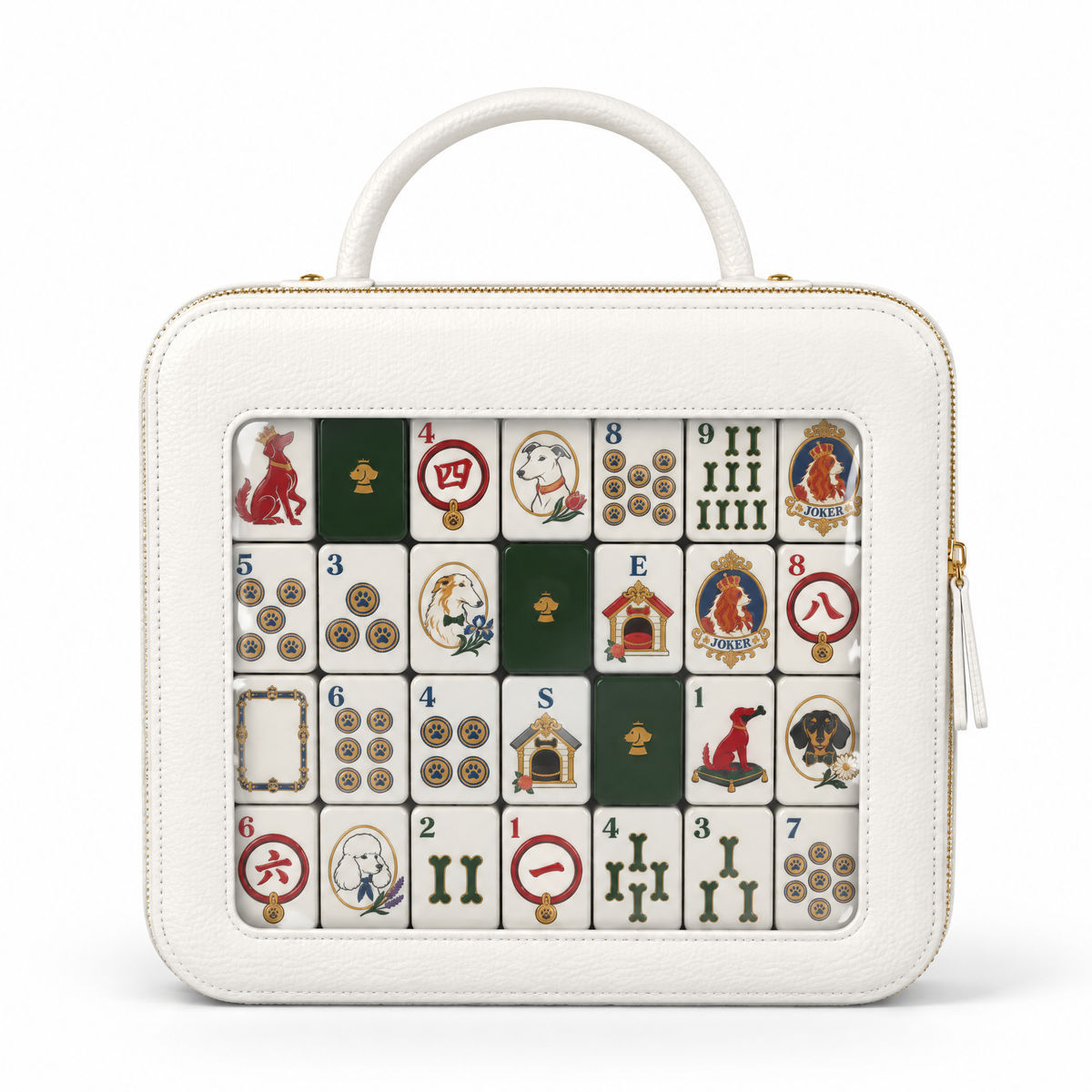
Left-handed players thrive in mahjong when you mirror your usual setup: seat them so they draw and discard from their left side of the table, just as right-handed players work from their right. The key adjustment is table position—flip who sits where relative to the dealer—and clear verbal calling so the hand-calling convention doesn't confuse tile direction. American mahjong tiles themselves are symmetric (no directional numbering), so a 160-tile acrylic set works identically for both. Your real work is training everyone at the table to call tiles aloud ("discarding Red Dragon from seat East"), not assume the hand-direction tells them who played what. Most mistakes happen when mixed-handedness groups default to silent reading; three minutes of pre-game discussion prevents twenty minutes of confusion mid-game.
Left-handed players bring no physical disadvantage to mahjong—the game is purely strategic and mathematical. What does matter is seating geometry and table communication. Unlike sports where hand dominance dictates grip and stance, mahjong relies on tile positioning and group convention. A left-handed player sitting in the wrong seat has to reach across their body to draw, discard, and manage their rack, which slows play and increases fatigue. The fix is simple but often overlooked: most hosts never ask. When you do ask and adjust, left-handed players perform identically to right-handed ones.
🀄 Shop best-selling mahjong sets →
How do left-handed players sit at the table?
Standard American mahjong seats four players around a table, each initially holding their tiles on one side. Right-handed players keep tiles on their right, discard directly in front, and reach left to draw. Left-handed players reverse this: tiles on their left, discard in front, reach right to draw. The easiest method is to ask each left-handed player which side feels natural, then rotate the seating so they face the position that lets them work from their dominant side. If you have one left-handed player in a four-player game, seat them opposite the dealer if possible, or adjacent—anywhere their left edge of the table is clear. Never force them into a position designed for right-handers; the game lasts 45–90 minutes and cramping hurts both play and enjoyment.

Does the tile layout change for left-handed players?
No. Acrylic tiles, winds, dragons, and suits look the same from any angle. The tile rack orientation changes, but what's in an American mahjong set remains unchanged—152 playing tiles plus jokers, no variants needed. What does need clarity is the discard area. Standard play creates a single central discard pile; left-handed players should discard into that pile just like everyone else, but they may set their tiles down from a different approach angle. Make sure your discard space (whether on a mat or bare table) has room for all four directions. A mahjong mat with a marked center discard zone helps everyone, including left-handed players, because the zone is directional-neutral—it works for discards approaching from any side.
What table-communication rules prevent confusion?
Call tiles aloud. This one rule solves 90% of mixed-handedness problems. Instead of players assuming "the discard came from the right side, so it's from East," say "Seat West discards 3 Crak" or "North plays Red Dragon." This is clearer for all players anyway—it prevents miscalls when tiles land in unusual spots due to bumped stacks or table vibration. For the Charleston (the tile-passing ritual before play), use compass directions consistently: "North passes to East," never "pass right" or "pass left," because left-handed players parse those words oppositely. Write the direction on a small card at the table if the group is new. American mahjong beginner guides don't usually emphasize this, but mahjong for beginners groups that adopt spoken tile calls report fewer rule disputes overall.
🎁 See our most-loved mahjong sets & accessories →

Do racks and pushers work differently for left-handed players?
Racks with pushers are directional only at the player's preference. These racks hold tiles upright and include a small pusher to expose one tile at a time when drawing. A right-handed player typically grips the rack with their left hand and pushes with their right; a left-handed player reverses this. Some racks are molded with a lip on one end, which can feel cramped if you're using your non-dominant hand to stabilize. Before buying racks for a group with mixed-handedness, test both: set one rack upside-down (flip it 180°) and see if a left-handed player finds it comfortable. Many modern racks are symmetric enough that flipping works fine. If your group frequently includes left-handed players, choose racks with a neutral pusher design—look for models where the pusher moves smoothly from either end, not just one. Our best-selling mahjong sets often include racks; if you're building a left-friendly setup, verify the rack design in the product details.
How do you teach the Charleston to left-handed players?
The Charleston is the four-way tile pass before every hand. Right-handed players typically pass left, then right, then left again (creating a three-step cycle where tiles move around the table). A left-handed player in that flow either passes with their non-dominant hand (awkward and slow) or the group rethinks the pass direction. The smartest fix: define the Charleston by compass direction, not handedness. Instead of "pass left," say "North passes to West, then East, then West again" (for example). Each player, regardless of hand dominance, passes toward the named direction. This feels foreign the first round but becomes automatic. Some groups also use a "pass to your left hand" rule—where the left-handed player passes in a direction that lets them use their left hand, and the pass direction rotates per seat, not per person. This works if everyone agrees before the Charleston starts. Choose one method and stick with it for the whole session.
✨ Find your Mahstead set — free US shipping →
What should you check before hosting a left-handed player?
Pre-game setup checklist:
Ask if the player has a seating preference (left or right side of table).
Verify your mat or table has clear discard space accessible from all angles.
Brief the whole table: "We call tiles aloud and use compass directions" before the Charleston.
If using racks, test them upside-down and confirm comfort.
Have extra racks on hand if the first one doesn't work—no need to restart the game.
During play:
If a left-handed player reaches across, never correct their position; they're adapting to your table, not the reverse.
When explaining American mahjong scoring or how to read the mahjong card, use the same language for all players—seat name, suit name, number—to avoid left/right ambiguity.
If a mistake happens (wrong discard, misread tile), replay the hand rather than assume the player made an error due to handedness.
Setup Element | Standard (Right-Handed) | Left-Handed Adjustment | Why It Matters |
Tile position | Tiles on right side of body | Tiles on left side of body | Reduces reaching and fatigue |
Discard call | Silent or directional ("pass left") | Aloud by compass ("North plays Red Dragon") | Eliminates confusion in mixed groups |
Rack grip | Left hand stabilizes, right pushes | Right hand stabilizes, left pushes | Works with natural hand strength |
Charleston pass | "Pass to your left" | "North passes to West" | Works identically for all players |
Mat layout | Standard orientation | Rotated 180° or same—neutral discard zone | Discard pile is accessible from any angle |
What you'll need: If your group includes left-handed players regularly, invest in a mahjong mat with a neutral discard layout and racks with symmetric pusher designs. A travel bag or case helps protect your set during transport between homes, and you'll spend less time resetting up mid-game if everything packs and unpacks cleanly. The 160-tile best-selling sets work for any hand dominance; focus on comfort items (mats, racks) instead.

FAQ
Do left-handed players need a special mahjong set?
No. American mahjong tiles are symmetric; there's no "left-handed version." Comfort comes from seating, equipment fit (like rack design), and clear table communication—not the tiles themselves.
Can a left-handed and right-handed player share a rack?
Yes, if you test it first. Flip the rack 180° and have the left-handed player try it. Many racks work both ways; some have a lip that only feels natural one direction. Verify comfort before the game starts.
Should I change the Charleston direction for left-handed players?
Not the direction—change the language. Instead of "pass left," use compass bearings ("North to West"). This works for everyone and removes ambiguity. All players pass toward the named direction, regardless of handedness.
How do I call the discard so a left-handed player understands?
Use seat name and tile name: "East discards 5 Bam" or "White Dragon from South." Never assume direction tells the story. This clarity helps all players, not just left-handed ones.
What's the most common mistake when hosting a left-handed player?
Assuming they'll adapt to a right-handed setup and remaining silent during play. Left-handed players adapt beautifully when asked; you reduce fatigue and errors by offering a seat choice and speaking tile calls aloud.


View More
View More
View More
