
Tea Party Mahjong: Food & Setup Ideas for Game Night
Last updated: Nov 23, 2026
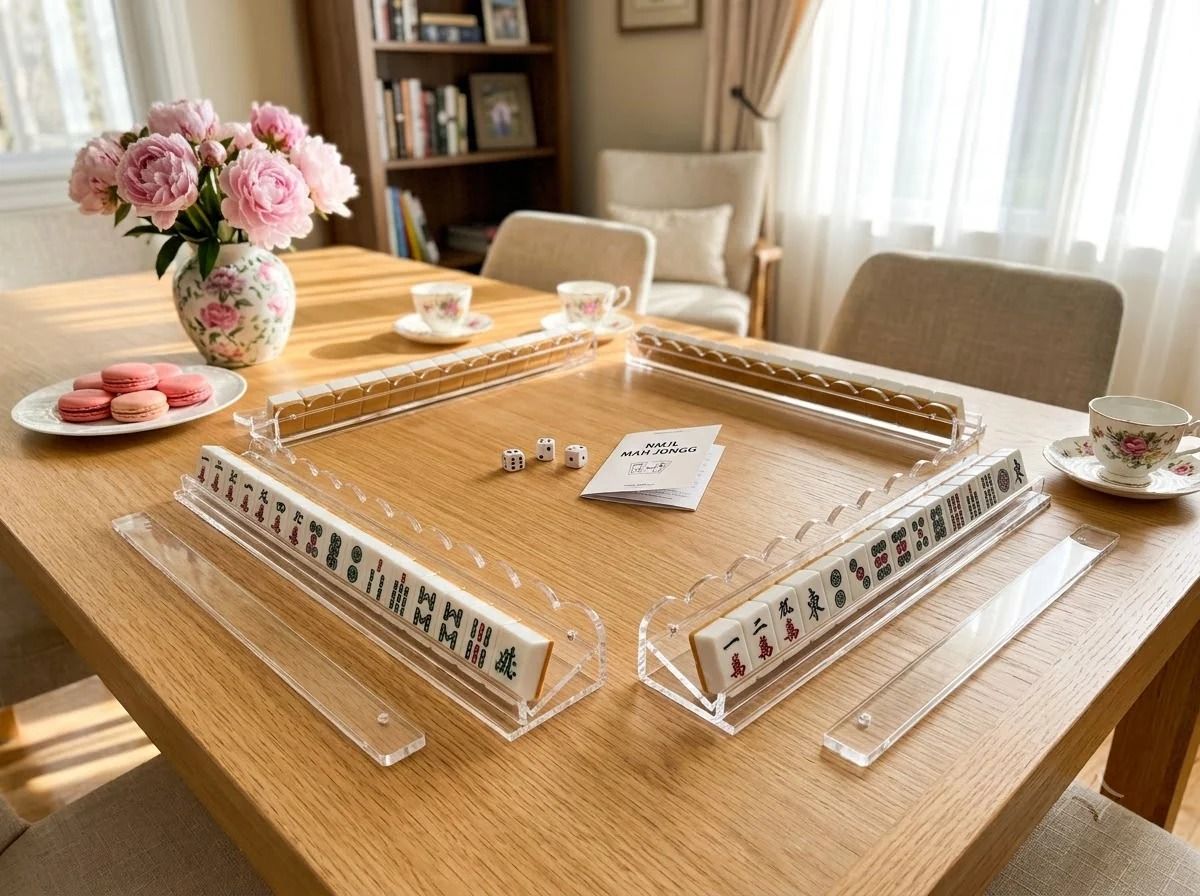
A mahjong tea party is a social gathering centered on four-player American mahjong, paired with light refreshments and desserts. Serve foods that don't stick to fingers—tea sandwiches, scones, pastries, fruit, cookies, and hot tea or coffee—eaten before the game or between rounds to keep tiles clean. Plan 3–4 hours for a casual session; 2–3 games fit comfortably with snacks and chat. Seat players around a table large enough for a 36-inch mat, racks, and space between players; a card holder and tile racks (with pushers) let everyone see their hand clearly without touching tiles constantly. Skip anything greasy, sticky, or crumbly. Our best-selling mahjong sets come with all 152 tiles you need; pair them with a quality mat and acrylic racks to protect your investment and keep the focus on play and friendship.
What food actually works at the mahjong table?
The golden rule: anything that doesn't transfer grease or crumbs to tiles survives a tea party mahjong session. Serve finger foods before play begins, or assign one snack break between games. Tea sandwiches with crusts removed, mini quiches, cheese and crackers, fresh berries, chocolate-covered pretzels, and shortbread keep hands clean. Avoid chips, greasy nuts, sticky candy, or anything that requires licking fingers. Provide napkins at every seat and a small water glass per player—dehydration and messy hands wreck tile handling. A separate drinks table behind the playing area works better than glasses beside each player; sips happen between hands, not during active play. Hot tea and coffee pair perfectly with the leisurely pace and feel natural to the afternoon rhythm.

How do you set up the physical space for comfort and flow?
A mahjong tea party layout begins with the right table size: 36 by 36 inches is standard for a single mat plus breathing room for racks and accessories. Position the table so all four players can see each other's faces (and the wall clock, if anyone worries about end time). Place the mat in the center, racks and pushers at each player's side, and the tile wall on the mat itself. Leave 12–18 inches behind each player for a chair; arms need clearance to reach the wall and pick tiles comfortably. A side table or cart near one player holds the rack of spare tiles waiting to be drawn, the dice, and the National Mah Jongg League card holder. Keep your mahjong mats free of clutter and drinks; a folding table nearby holds refreshments, napkins, and extra cups. Good lighting—overhead or a floor lamp angled at the mat—matters more than you'd think; squinting kills the joy.
What equipment prevents tile damage and speeds up the game?
Mahjong racks with pushers transform play from fumbling to fluid. Pushers (small stick-like tools) let each player slide tiles forward and back without lifting them constantly; this cuts hand fatigue and tile wear dramatically. Acrylic racks hold 14–15 tiles upright and visible to only that player, so no one accidentally flashes their hand. A mat protects tiles and keeps them from sliding during shuffles. Dice stay on the mat itself. When tiles are elevated and separated from the playing surface, games run faster, mistakes drop, and everyone relaxes because the table works for them, not against them. We design Mahstead sets with racks and pushers in mind; 160-tile acrylic sets ship with spares and fit standard racks perfectly, so you're never hunting for a missing tile mid-game.
🀄 Shop best-selling mahjong sets →
How do you choose a theme or style that fits a tea party vibe?
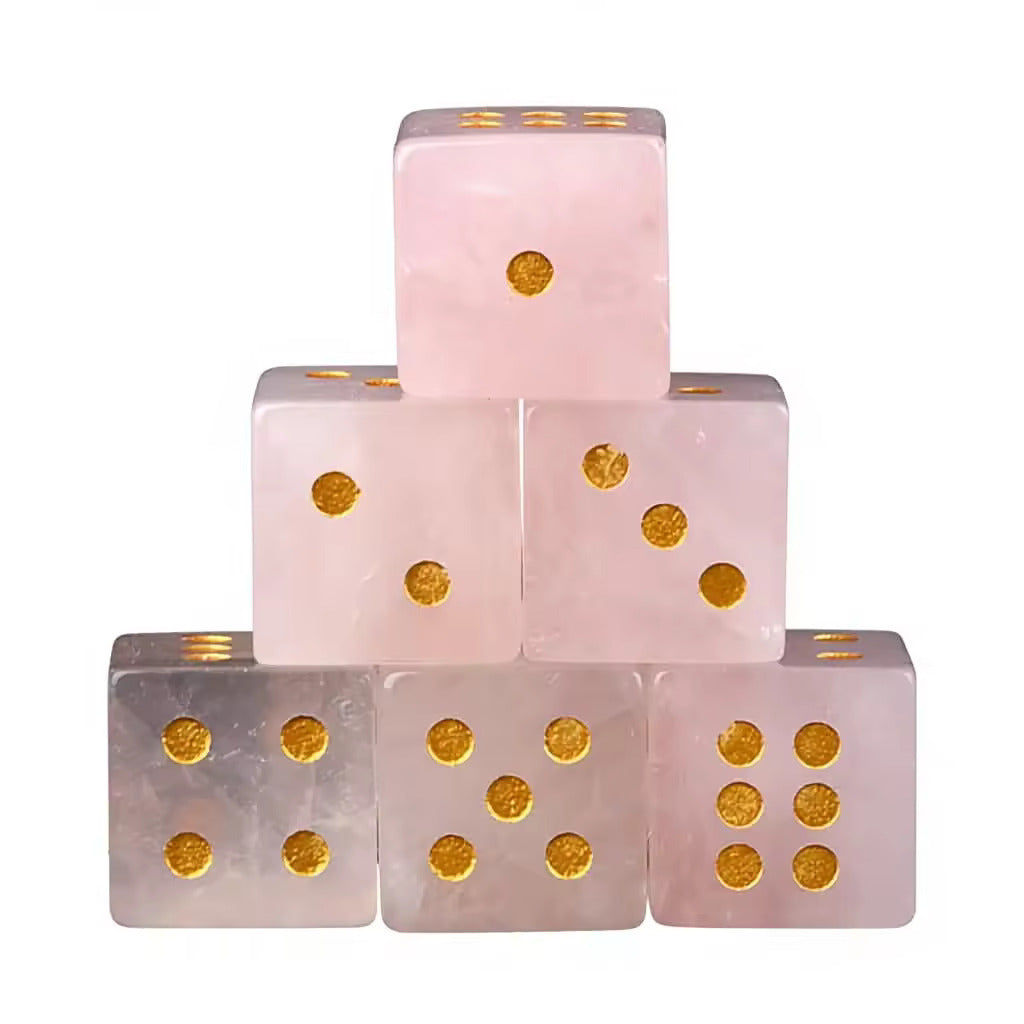
Tea party mahjong often draws players who appreciate tradition, detail, and beauty. If your group loves that aesthetic, consider engraved mahjong sets with tiles that reflect your shared humor or interests—custom engravings add personality without changing gameplay. A coordinated mat and tile bag in a soft color (cream, sage, blush) reinforces the afternoon-tea feeling and makes setup feel special. Christmas mahjong sets work beautifully for seasonal gatherings, even if Christmas itself isn't the focus. The key: choose equipment you enjoy looking at, because you'll spend 3+ hours with it at arm's length. A set that makes you smile every time you open the bag keeps the party feeling intentional and warm, not obligatory.
What's the timing and pace that keeps a tea party mahjong session flowing?
Plan for flexibility: one game of American mahjong runs 30–45 minutes depending on how quickly players read the card and decide on hands. A typical tea party session holds 2–3 games plus a 15-minute setup and snack-break window. If you're hosting four people with mixed skill levels, add 10 minutes per game; experienced players move faster. The best rhythm is: snacks and tea upon arrival (15–20 min) → shuffle and Charleston (10 min) → game 1 (40 min) → stretch, bathroom, refill (10 min) → games 2 and 3 (85 min total) → goodbyes. Avoid scheduling a hard end time; mahjong friendships thrive when someone can say "one more?" and the answer is always yes. The pace is naturally meditative—not rushed—so build in 3 hours minimum if you want it to feel like a tea party and not a sprint.
Tea Party Element | Purpose | What to Avoid |
Light finger foods, pre-game | Hospitality; hands stay clean for tiles | Greasy or sticky foods during play |
Hot tea & coffee station | Fits the theme; hands stay dry | Condensing glasses near the mat |
36" table minimum | Comfort; everyone can reach tiles & see faces | Cramped tables that force leaning |
Acrylic racks + pushers | Speed, reduced tile wear, hand fatigue relief | Loose tiles; constant hand movement |
Custom or themed set | Aesthetic joy; personal connection | Generic or mismatched equipment |
2–3 hours total time | Social rhythm; room for chat & breaks | Scheduling a hard end time that cuts games short |
What to check before you buy equipment for your tea party mahjong night
Tile count: A full game uses exactly 152 tiles. A 160-tile set includes spares; never add extra tiles to play—they stay in the box as backups for lost or damaged pieces.
Rack compatibility: Make sure acrylic racks fit your tiles (most American sets use standard sizing, but verify before ordering).
Mat size: Confirm your table fits a standard mat (36 × 36 inches) or measure your playing surface first; an oversized mat bunches during shuffles.
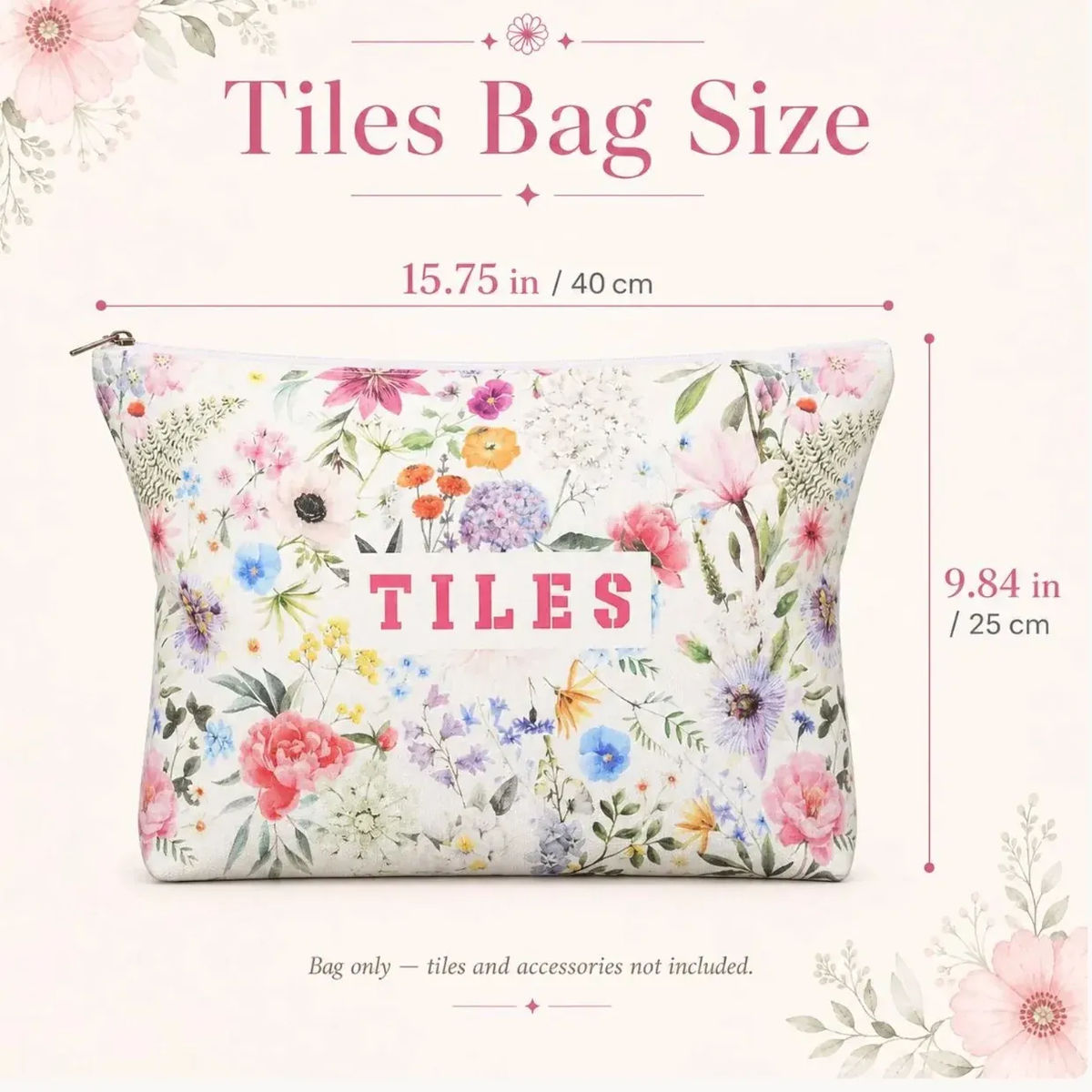
Bag or case: If you're hosting multiple times, a padded mahjong bag or case protects tiles during storage and transport; it's not luxury, it's maintenance.
Lighting: Test your table area before guests arrive; shadows on the mat make reading tiles frustrating.
Napkin count: Have more napkins on hand than you think you'll need; people always use a few extra.
🎁 See our most-loved mahjong sets & accessories →
A tea party mahjong night works because it honors two human needs: the joy of a game that demands thought and strategy, and the warmth of being fed and seated in someone's home. When your equipment is reliable and your table is set with care, the focus stays where it belongs—on friendship, laughter, and the tiles. Start with a best-selling set that matches your style, add a mat and racks that fit your table, and stock your kitchen with tea sandwiches and napkins. The rest unfolds naturally.
✨ Find your Mahstead set — free US shipping →
FAQ
Can I serve food *during* active play, or must it wait until breaks?
Food must stay off the mat and away from active hands during tile play. Serve snacks before the game begins or during a formal break between rounds. Drinks stay at a side table, not beside each player; sips happen between hands, never during active play.
How many people can play mahjong at one table?
American mahjong is a four-player game. A tea party uses exactly four seats around one table. If more than four people want to join, rotate players between games or set up two separate tables.
Do I need special tiles or a mat for a tea party, or is any mahjong set okay?
Any complete 152-tile American mahjong set works for tea parties. A quality mat (36 × 36 inches), acrylic racks, and pushers transform comfort and speed, but they're not mandatory—they're investments in repeated enjoyment if you host often.
What's the best way to keep tiles clean if people snack nearby?
Enforce a simple rule: finish eating or drinking before touching tiles. Keep napkins at every seat. Wash hands before play resumes after a break. Store tiles in a case or bag after each session; dust and kitchen residue accumulate over months if they sit exposed.
How long should a tea party mahjong gathering last?
Plan for 2.5–3 hours: 15 min arrival and snacks, 10 min setup, 30–45 min per game (2–3 games), plus 10–15 min breaks. Avoid a hard end time; the best gatherings let guests stay if they want another round.
Can I play mahjong with engraved or custom tiles, or does customization affect the game?
Customization affects appearance only, never gameplay. Engraved tiles play identically to plain tiles as long as suits, numbers, and winds are clear and readable. Custom tiles add personality and make your set memorable at a tea party.
What if someone's never played mahjong before—can they join a tea party game?
Yes, but set expectations: teach the rules and card-reading 15–20 minutes before play, or recruit one experienced player to sit with the newcomer early on. Tea party settings are naturally patient; the social element makes learning feel less stressful than a competitive environment.


View More
View More
View More
