
Taiwanese vs. Siamese Mahjong: Rules, Tiles & Gameplay Differences
Last updated: Nov 23, 2026
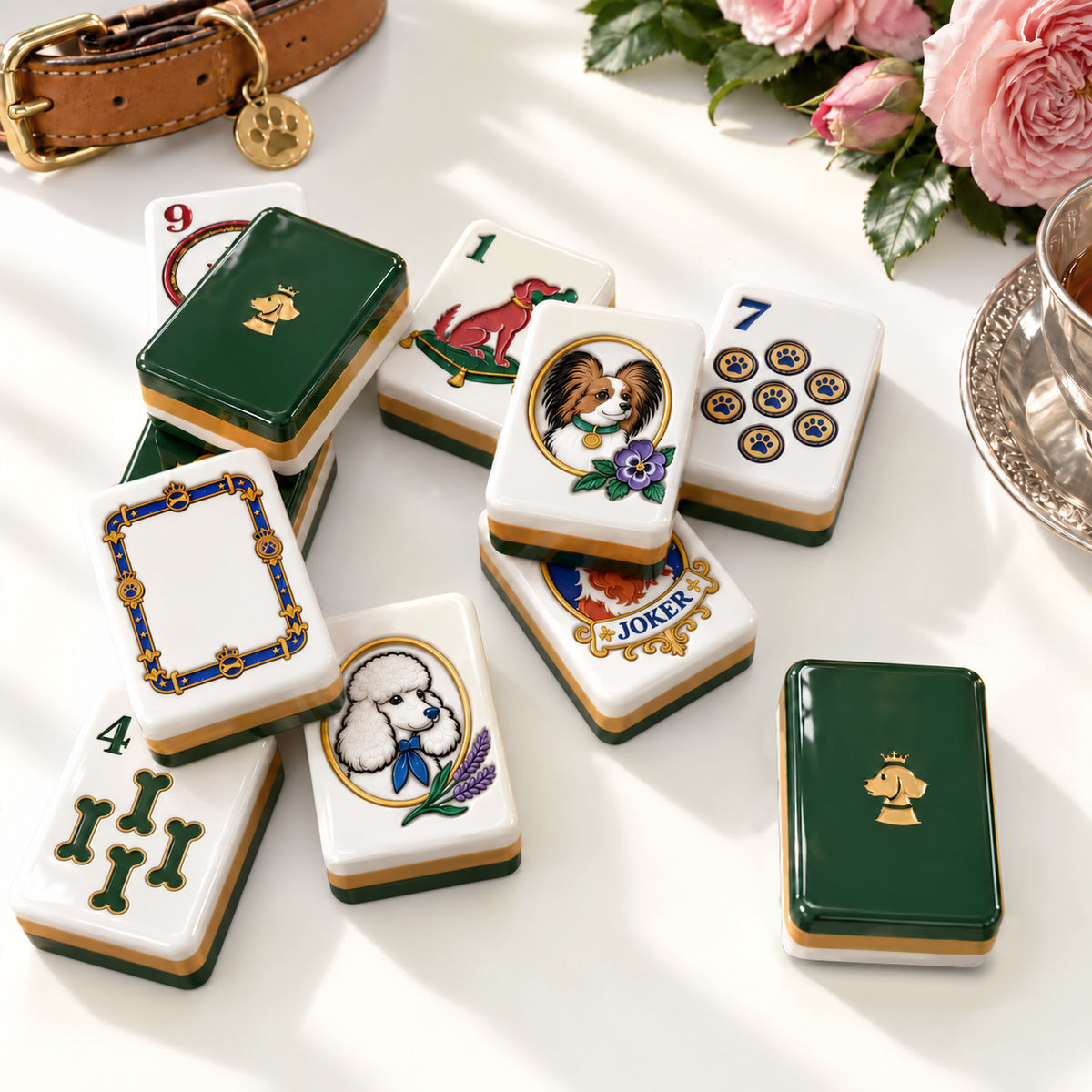
Taiwanese mahjong and Siamese mahjong are two distinct regional variants, each with unique tile compositions and winning mechanics. Taiwanese mahjong typically uses 144 tiles (1–9 in Bamboos, Characters, Dots, plus Winds and Dragons) and allows both melds and concealed hands; wins come from completing a hand of four sets plus a pair. Siamese mahjong uses 144 tiles in a similar structure but introduces eight extra cards (flowers or special tiles) and permits different meld types. Both play with four players over a variable session length. Neither uses jokers or blanks like American mahjong does. The core difference lies in which tiles appear in the set, how melds are called and exposed, and which hand combinations score. If you've played American mahjong (which requires 152 tiles and the annual card), switching to Taiwanese or Siamese requires learning entirely new hand tables and calling rules—both are played without a reference card and rely on memorized patterns.
What tiles are in a Taiwanese mahjong set?
Taiwanese mahjong uses a 144-tile set: three numeric suits (Bamboos, Characters, Dots) numbered 1–9 with four copies each (108 tiles), plus 16 Winds (four each: North, East, South, West), 12 Dragons (four each: Red, Green, White), and eight Flowers (or Season tiles). Unlike American mahjong, Taiwanese sets contain no jokers or blanks. The numeric tiles are organized in families, and the honor tiles (Winds and Dragons) function as special melds. Some regional Taiwanese games swap or add flowers depending on house rules. The set is shuffled and stacked into a wall, from which players draw tiles throughout the hand. Taiwanese mahjong requires no annual card; players learn hand patterns and winning combinations through play and tradition.

How does Siamese mahjong differ in tile composition?
Siamese mahjong also uses 144 tiles but includes a broader mix: three numeric suits (1–9, four copies each = 108 tiles), Winds, Dragons, and Flowers, plus up to eight additional specialty tiles (sometimes called Jokers, though they function very differently than American jokers). These extra tiles serve as wild or utility melds in specific Siamese hand patterns. Siamese gameplay emphasizes flexible meld combinations and often allows players to claim tiles from discards in ways that Taiwanese mahjong restricts. The flowers in Siamese mahjong may represent seasons or bonus tiles that grant extra draws or points. Siamese sets are typically handmade from wood, bone, or bamboo in Thailand and are rare outside Southeast Asia. The key practical difference: Siamese tiles and winning hands are tuned to a different aesthetic and strategy than Taiwanese patterns.
What are the main rule differences between these two variants?
Aspect | Taiwanese Mahjong | Siamese Mahjong |
Tile count | 144 tiles (no jokers) | 144 tiles + specialty tiles |
Numeric suits | Bamboos, Characters, Dots (1–9) | Bamboos, Characters, Dots (1–9) |
Honors | 16 Winds, 12 Dragons, 8 Flowers | 16 Winds, 12 Dragons, 8 Flowers + variants |
Melds allowed | Pungs, kongs, pairs, sequences (sets of 3 consecutive) | Pungs, kongs, pairs; sequences vary by house rule |
Winning requirement | Four sets + one pair | Four sets + one pair (hand patterns differ) |
Hand table | Memorized regional patterns (no card) | Memorized regional patterns (no card) |
Jokers/blanks in play | None | None (specialty tiles function differently) |
Calling & exposure | Conservative; many hands remain concealed | More liberal; flowers/specialty tiles may be drawn or claimed |
Taiwanese mahjong typically restricts which discards you may claim and emphasizes concealed play—only your completed hand wins, and other players rarely call tiles. Siamese mahjong tends toward more active claiming: flowers drawn from the wall may be replaced or scored immediately, and some hands permit greater meld flexibility. Both variants rely on memorized winning patterns rather than a printed card; players learn these through repeated play and cultural transmission. If you grew up playing one variant, the other feels like learning a new game entirely.
Can I play these variants with an American mahjong set?
No—American and Taiwanese/Siamese mahjong are incompatible in structure. American mahjong uses 152 tiles (108 numeric, 16 Winds, 12 Dragons, 8 Flowers, plus 8 jokers and 4 blanks), and every legal hand is drawn from the current year's National Mah Jongg League card. Winning hands are rigidly defined; you cannot deviate. Taiwanese and Siamese mahjong use 144 tiles with no jokers, play without a reference card, and rely on memorized hand patterns that differ completely. Attempting to play Taiwanese rules with an American set (or vice versa) creates conflicts: American jokers have no place in Taiwanese play, the hand card doesn't exist in Taiwanese/Siamese variants, and the tile counts don't align. If you want to learn Taiwanese or Siamese mahjong seriously, invest in an authentic 144-tile set from that tradition—usually handcrafted from bone, bamboo, or wood and sourced from the country of origin. Our best-selling mahjong sets are designed for American mahjong; for Taiwanese or Siamese tiles, you'll need to source a specialized import or hand-painted set from a Southeast Asian vendor.

Which variant should you learn first if you're new to mahjong?
American mahjong is often the gentler entry point for North American players. It uses a reference card, so you don't need to memorize hundreds of hand patterns—you simply match your tiles to the printed card each year. The rules are explicit and written down. Games are faster, scoring is clear, and teaching materials abound online and in print. Taiwanese mahjong demands memory work: you must internalize winning patterns and spot them mid-game. Siamese mahjong adds complexity through more varied melds and specialty tiles. Both Taiwanese and Siamese are best learned in person from a player who grew up with them; rule nuances are subtle and passed orally. If you're starting fresh and want to play in an organized setting with friends or clubs in North America, American mahjong is more accessible. If you have family or cultural ties to Taiwan or Thailand, Taiwanese or Siamese mahjong connects you to that heritage and opens deeper play within diaspora communities. The decision hinges on your community and goals, not on which is "easier"—they're different games with different rewards.
🀄 Shop best-selling mahjong sets →
Common mistakes when switching between variants
Players who have mastered American mahjong often stumble when trying Taiwanese or Siamese variants because they carry mental habits that don't transfer:
Expecting the reference card. American mahjong requires the annual card; Taiwanese and Siamese rely entirely on memorized hands. Coming to the table without knowing the winning patterns means you'll play slowly and make illegal claims. Study the patterns with a mentor beforehand.
Treating jokers as universal wildcards. American jokers can appear in any meld except singles and pairs. Taiwanese and Siamese sets have no jokers at all; specialty tiles (if present in Siamese) function only in specific hands. Forgetting this leads to illegal melds.
Misreading the numeric suits. In American mahjong, Bams (Bamboos) display a bamboo stalk and a number. In Taiwanese/Siamese sets, the suits may be rendered differently or have different artistic styles. Mistakes in identifying suits cause mismelds early on.
Calling tiles too liberally. American mahjong rules are restrictive about which discards you can claim. Taiwanese play is more conservative still; Siamese allows more claiming. Know the house rule before the game starts.
Not verifying hand patterns locally. Regional variations exist within Taiwan and Thailand. Ask your group's veteran players which patterns they recognize before committing to memory.
🎁 See our most-loved mahjong sets & accessories →
What to check before you buy a set for either variant
If you decide to learn Taiwanese or Siamese mahjong, here's a practical checklist:
Source and authenticity. Is the set handmade in Taiwan or Thailand, or a mass-produced imitation? Authentic sets use bone, bamboo, or wood and have weightier tiles. Mass-produced versions feel hollow and wear quickly.
Tile clarity. Can you read each character, suit symbol, and honor tile clearly under normal light? Poor printing causes confusion in fast play.
Complete tile count. Count all tiles before committing. Taiwanese and Siamese sets should total exactly 144. Missing tiles make the game impossible.
Set storage. Does the set come with a wooden rack, bamboo holders, or a carrying case? Taiwanese and Siamese tiles are often fragile; proper storage extends their life.
Local community. Before buying, connect with players in your area who play this variant. They can recommend trusted vendors and validate whether a set meets regional standards.
Price realism. Authentic bone and bamboo Taiwanese or Siamese sets are labor-intensive and cost significantly more than plastic American sets. If the price seems suspiciously low, the materials are probably not genuine.
American mahjong enthusiasts looking for custom designs—engraved tiles, personalized mats, or travel-friendly cases—should explore mahjong racks with pushers and durable travel bags to protect and organize their sets. For those interested in broadening their mahjong knowledge across all variants, our guide to how to play American mahjong provides a solid foundation before branching into regional traditions.
✨ Find your Mahstead set — free US shipping →
Should you learn both variants?
Many seasoned players learn multiple mahjong traditions. American mahjong teaches you rapid pattern matching against a card; Taiwanese mahjong develops memory and cultural knowledge; Siamese mahjong refines flexibility and meld creativity. Each trains your brain differently. The trade-off: switching between rule sets requires mental discipline. Your hands and instincts may clash—calling a tile that's legal in American mahjong but forbidden in Taiwanese play happens often in early sessions. Most players solve this by dedicating specific game nights to each variant, allowing their muscle memory to settle. If you play casually or socially, one variant is enough. If you travel or have multicultural friend groups, learning two or three opens doors and deepens friendships.

FAQ
Can I play Taiwanese mahjong online?
Yes, several platforms host Taiwanese mahjong games with real players, though finding beginner-friendly tables takes effort. Most online communities are based in Taiwan or Southeast Asia, so expect play in Mandarin or Thai. Learning from an in-person mentor first is strongly recommended before jumping online.
Is Siamese mahjong still played in Thailand today?
Yes, it remains popular in Thailand and among Thai diaspora communities worldwide. However, regional variations exist, and some players mix Siamese and Chinese rules. In-person play with experienced Thai players is the most reliable way to learn authentic Siamese mahjong.
How long does a Taiwanese mahjong game typically last?
A single hand usually takes 15–30 minutes; a full session (multiple hands played in rounds) can last 2–4 hours. Siamese games follow a similar pace but may vary depending on house rules and player skill.
Do Taiwanese and Siamese players ever play together?
Rarely, because the rules conflict too much. Some border regions or mixed communities have created hybrid house rules, but these are exceptions. If two groups meet, one typically yields to the other's variant or they agree on house rules beforehand.
Are there English-language resources for learning Taiwanese mahjong?
Resources are scarce but growing. Books and YouTube channels exist, though most are in Mandarin or Cantonese. Your best resource is a local Taiwanese mahjong club, cultural center, or community group. Libraries in cities with large Taiwanese populations sometimes hold instructional materials.
What's the easiest way to start learning Siamese mahjong if I've only played American?
Find a Thai cultural center, temple, or community group in your city and ask to observe a few games. Request a mentorship or lesson from an experienced player. Bring a notepad and focus on learning one winning pattern per session rather than trying to absorb all patterns at once.


View More
View More
View More
