
Mahjong Lessons in Sacramento: Where to Start & What You'll Need
Last updated: Nov 23, 2026
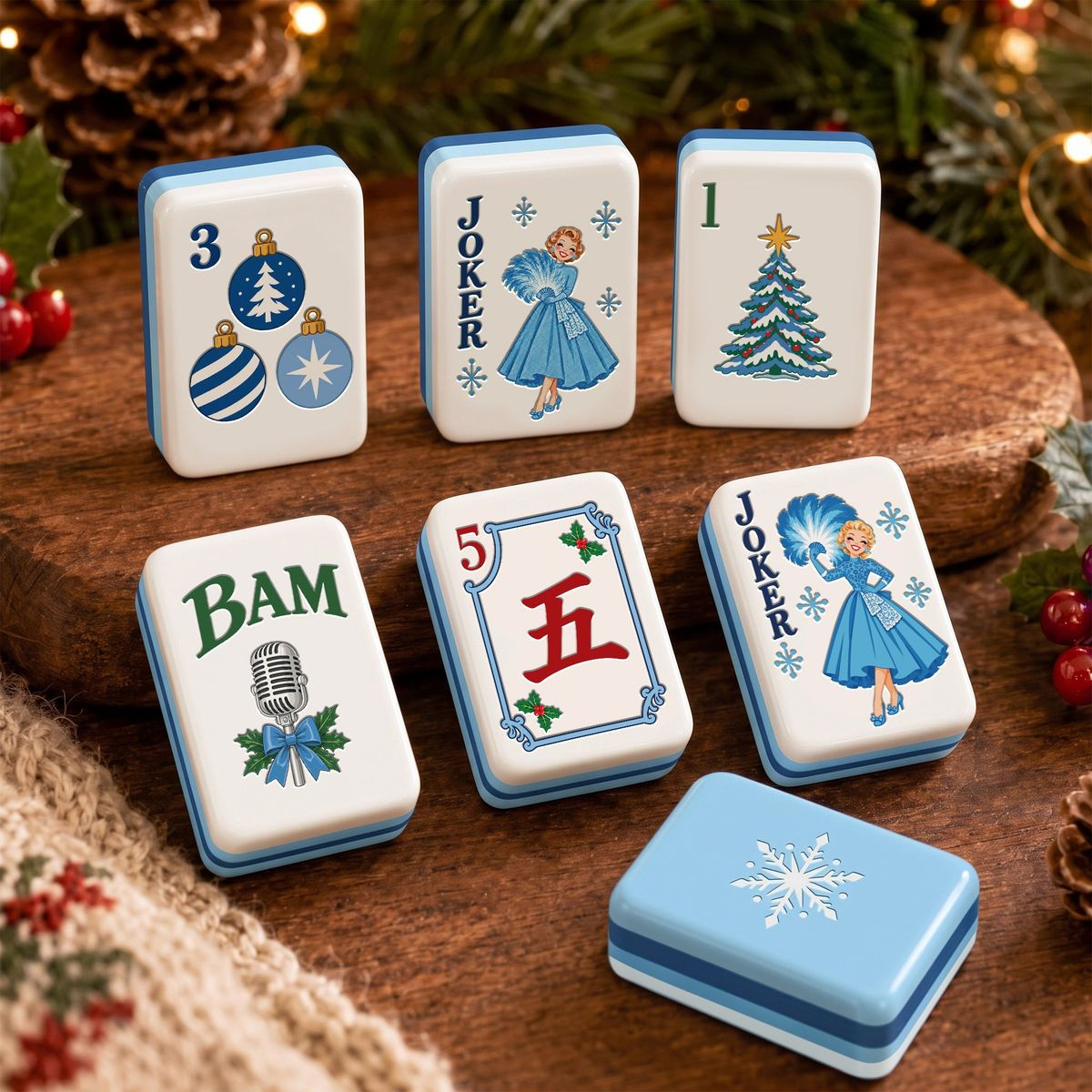
Sacramento's mahjong lessons are primarily hosted through community centers, public libraries, and informal meetup networks rather than dedicated studios. Check the Sacramento Public Library system's program calendar and local community centers (particularly in central and south Sacramento neighborhoods) for seasonal beginner classes, usually running 4–8 weeks and priced affordably. Synagogues and country clubs sometimes offer lessons to members or the public; search local Nextdoor boards and Meetup.com using "mahjong Sacramento" to find active game groups that welcome new players. Most beginner classes teach American mahjong (the variant played with the National Mah Jongg League card, 152 tiles, and annual card rotations) and assume no prior experience. Cost typically ranges from free (community meetups) to modest per-class fees. Before enrolling, confirm the lesson covers American rules (not Chinese or other variants) and allows you to bring or borrow a practice set—we recommend a best-selling American mahjong set once you're ready to host games at home.
What Do Sacramento Mahjong Lessons Actually Cover?
Most beginner classes spend the first session explaining tile names, suits (Bams, Craks, Dots), winds, dragons, and flowers—then move straight to the Charleston (the pre-game passing ritual) and how to read the current year's National Mah Jongg League card. Instructors walk you through winning hand patterns, how jokers work (spoiler: they're flexible wildcards, but never appear alone or in pairs), and the rules for exposing pungs and kongs. You'll play several practice hands in class, with the teacher stopping play to explain sequences and scoring. By week three or four, most students play full games with minimal coaching.

Where Exactly in Sacramento Should I Look for Classes?
Start with the Sacramento Public Library's online events calendar—many branches offer afternoon or evening mahjong programs, often led by experienced community volunteers. Check the city's Parks and Recreation department website for community center programs in south Sacramento, Tahoe Park, and the Pocket neighborhood, which tend to have active senior centers hosting lessons. Ask about beginner nights at country clubs if you have membership or connections; some are open to the public one evening per week. For informal games, post on local Nextdoor groups asking "Where do beginners play mahjong?" and search Meetup.com for Sacramento mahjong groups—many have weekly casual meetups where players of all levels gather and newcomers are welcomed without formal enrollment.
How Long Before I'm Ready to Host My Own Game?
Most players feel confident hosting after 4–6 weeks of weekly lessons plus one or two games with experienced players outside class. The key hurdle isn't memorizing hands (the card does that for you) but learning to call tiles quickly, track what's been discarded, and manage your rack smoothly. Hosting your first game is easier than you think: set up a mahjong mat to define the play area, use racks with pushers so tiles don't slide around, and keep the card visible. Invite players you trust to be patient, order a complete 160-tile best-selling set, and play. Most groups play casually for fun rather than money, so the pressure is low.
🀄 Shop best-selling mahjong sets →
What Equipment Do I Need Once I Start Playing Regularly?
Here's what separates casual players from folks who host weekly games:
Item | Why You Need It | When to Buy |
160-tile set (complete) | 8 jokers, clear tile markings, durability for frequent play | After first lesson (borrow in class) |
Mahjong mat | Defines play zone, quiets tile noise, keeps tiles organized | Before hosting your first game |
Racks with pushers | Holds tiles at good angles, pushers organize your hand without dropping tiles | When hosting regularly (not needed for casual meetups) |
Bag or case | Protects tiles during transport to lessons and games | If you're driving to weekly meetups |
Card holder or card stand | Keeps the current year's card visible and upright | Optional but saves table space |
A complete best-selling set, a mat, and racks form the core. Bags become essential only if you're traveling between locations weekly. Dice and pushers usually come with quality racks, so check before buying separately.
🎁 See our most-loved mahjong sets & accessories →

What Mistakes Do New Sacramento Players Make Most Often?
The most common error is confusing American mahjong rules with Chinese variants—many Sacramento players learn American rules only and shouldn't try switching mid-game. Second mistake: not tracking the discard pile carefully. Write down or remember which player discarded what and in what order; this tells you who's fishing for what tile and whether someone's bluffing. Third: assuming jokers can fill any role. Jokers are flexible in sequences and sets, but they cannot appear alone, in pairs, or in certain hand types listed on the card—misusing them costs you the hand. Fourth: buying a cheap set and discovering tiles warp, stick together, or blur after a few months of play. Invest in a quality set from the start; you'll use it for years. Fifth: rushing—don't call a tile or declare a win until you've triple-checked your hand against the card. Calling incorrectly can end your turn or cost you points.
When you're ready to invest in a complete American mahjong set, look for acrylic tiles with clear markings, thick walls that don't crack, and a sturdy tile case. Our sets ship with racks and pushers included, so you'll have everything for your first home game.
How Do I Know If a Sacramento Lesson Is Right for Me?
Visit the first class as an observer or ask if you can sit in before registering. A good instructor explains American rules clearly, doesn't assume prior knowledge, and lets students play hands at their own pace. Watch for classes that use the current year's card (the National Mah Jongg League issues a new card every spring; never use old cards) and emphasize the Charleston and basic hand-reading. Avoid instructors who push fast-paced money games in week one or claim you'll "master" mahjong in four weeks—real skill grows over months of play. Ask current students how long they've been playing and whether they've hosted games at home; if they're still attending lessons after a year, that's a good sign the instructor teaches well. If a class is too expensive, free community meetups are just as legitimate—you learn the same rules, and the social pressure to improve is often greater.
✨ Find your Mahstead set — free US shipping →
What to Check Before You Buy a Set for Home Games
Tile count: Confirm the set contains 160 tiles (152 playing tiles + spares). Never play with more or fewer than 152 tiles in active play.
Acrylic material: Acrylic tiles don't warp, fade, or stick like plastic or cheaper resin. They're durable for weekly play.
Markings clarity: Bamboo suits should show a bird (1 Bam) and clear numbers. Crak and Dot suits must be instantly distinguishable under table lighting.
Joker count: The set should include 8 jokers; you need all 8 for standard play.
Racks included: Quality sets come with at least one rack and pushers so tiles don't scatter mid-hand.
Storage case: A protective bag or box keeps tiles safe between games and when transporting to lessons.
Links to Deepen Your Knowledge
Before your first lesson, read our mahjong for beginners guide to familiarize yourself with tile names and the basic flow of a hand. Once you've attended a few classes, how to play American mahjong will reinforce the rules. When you host your first game, how to choose a mahjong mat and racks with pushers guide will help you set up like a pro.

FAQ
Can I take mahjong lessons online instead of in person in Sacramento?
Yes—several online instructors teach American mahjong via Zoom. However, in-person lessons let you hold tiles, practice the Charleston physically, and build a local game community more easily. Both work; choose based on your schedule and learning style.
Do Sacramento libraries charge for mahjong classes?
Most public library programs are free or charge a small registration fee (often under $30 total). Call ahead to confirm current availability and cost, as programs vary by branch and season.
What's the difference between the American mahjong lessons and Chinese mahjong lessons near Sacramento?
American mahjong uses a printed card with specific hand patterns, 152 tiles, and the Charleston; Chinese mahjong uses different tile counts, rules, and hand combinations. Always confirm which variant the lesson teaches before enrolling—mixing them mid-game causes confusion.
How many people do I need to start hosting mahjong at home?
Exactly four players. American mahjong is designed for four; fewer than four changes the tile distribution and hand probabilities, making the game unbalanced.
Is it OK to borrow a set for my first lesson, or should I buy one immediately?
Borrow or use the instructor's set for your first 3–4 lessons. Once you know you enjoy the game and plan to host, invest in a quality set. You'll use it for years, so the upfront cost is reasonable.
What's the best time of year to find new mahjong lessons starting in Sacramento?
Fall (September–October) and January tend to see the most beginner classes offered through community centers and libraries, as they align with new program cycles. Spring programs exist but are fewer; summer is typically quiet for classes.


View More
View More
View More
