
Is Mahjong Harder Than Mexican Train? A Player's Honest Comparison
Last updated: Nov 23, 2026
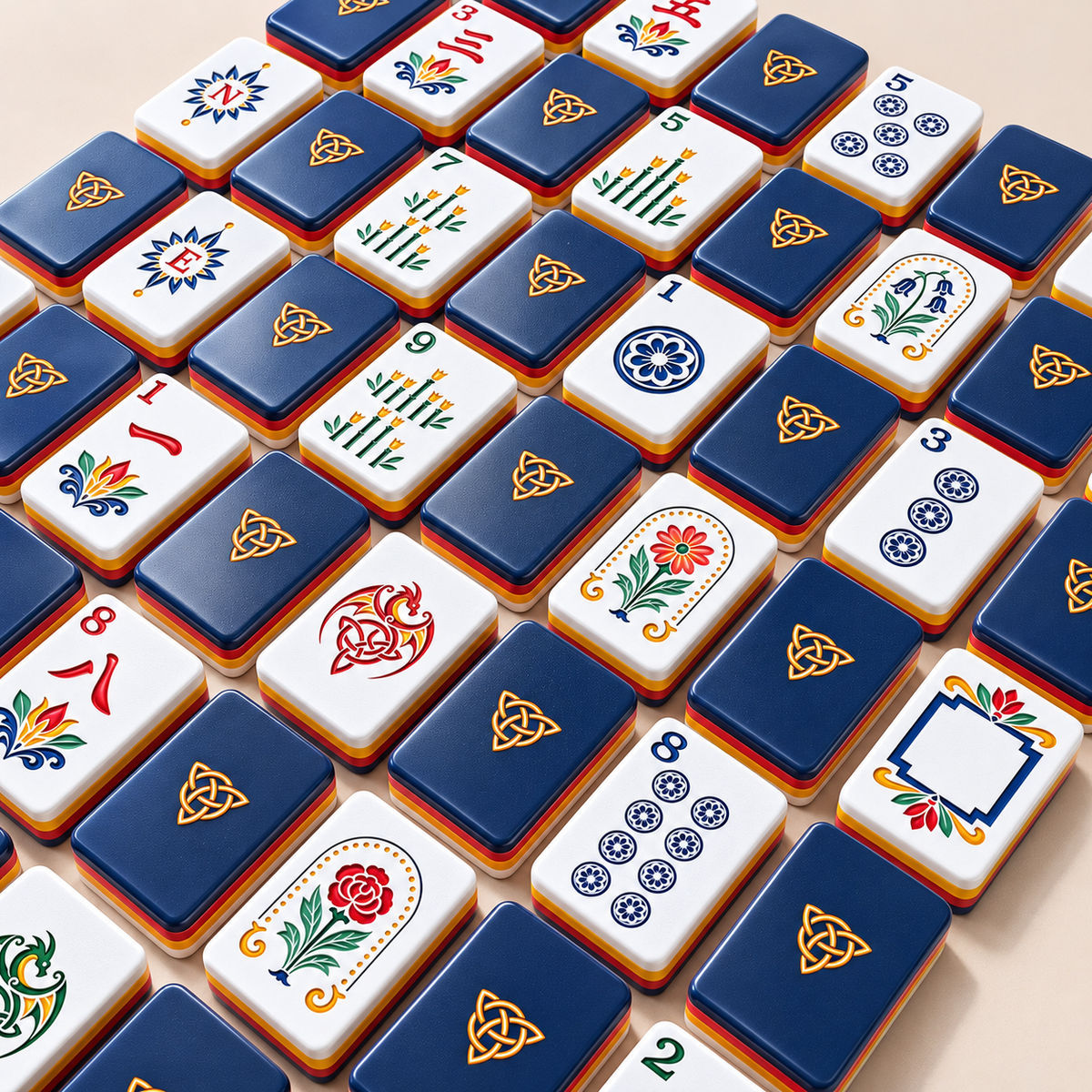
Mexican Train is easier to learn than American mahjong, but harder to master strategically. Mexican Train uses dominoes (28 tiles), takes 20–45 minutes, and teaches you tile-matching and blocking in one sitting. American mahjong uses 152 tiles plus a hand-specific card that changes yearly, requires memory of four hands per game, involves a tile-passing ritual called the Charleston, and typically takes 45–90 minutes. A beginner can play Mexican Train competently in one session; mahjong demands 4–6 game nights before you stop fumbling with the card. Mexican Train has no hidden information; mahjong requires you to infer opponents' progress. If you want quick gratification, start with Mexican Train. If you want a game that deepens over years, mahjong rewards sustained attention. Many of us at Mahstead play both, and the core difference is this: Mexican Train teaches you to react; mahjong teaches you to plan three rounds ahead. Both are genuinely fun—your choice depends on whether you value speed or depth.
What's the actual learning curve for each game?
Mexican Train newcomers can follow the rules after one explanation and play a full round without getting lost. You draw a domino, place it if it matches the pip count, or pass—every turn takes 30 seconds. Mistakes are obvious and corrected instantly. Mahjong has three layers: tile recognition (which number, which suit, which wind), the National Mah Jongg League card (finding your hand shape among 50+ options), and game flow (when to claim, when to pass, how the turn order works). Most players need a cheat sheet for the first 10 games. After 6–8 weeks of weekly play, the card becomes intuitive and speed picks up. Mexican Train bottoms out in difficulty; mahjong has a learning curve that climbs for months.

How much does rule complexity differ?
Mexican Train rules fit on one page: play dominoes in sequence, build trains off the Mexican train (the center domino line), block opponents by playing a marker on their train, or draw. One variant: if you draw a double, you immediately lay it and draw again. Total rules: four sentences. American mahjong rules require understanding pungs (three identical tiles), kongs (four identical), quints (five), sextets (six), jokers (used anywhere except pairs), the Charleston (a three-pass tile exchange before the hand starts), melding (showing your tiles to the table), discarding (throwing one tile each turn), and winning (filling a 14-tile hand from the card). A comprehensive beginner guide covers this in 15 minutes of reading, but internalizing the Charleston sequence alone typically takes two games.
Which requires better memory skills?
Mexican Train: you remember which dominoes are in play and roughly who has what. The game is open—everyone sees every tile. Memory is a modest advantage but not mandatory. Mahjong: you must remember which tiles have been discarded, which suits are complete (no one will go down in 1 Craks), which opponent is chasing which hand, whether someone is one tile away from winning. You're tracking 130+ tiles in your head while reading a small card under a lamp. Most mahjong players keep a small notebook of discards. Memory isn't optional; it's the backbone of competitive play. If you have good visual recall, mahjong becomes easier. If you prefer games where past plays don't matter, Mexican Train is more forgiving.
Is strategy depth really that different?
Mexican Train strategy is shallow and reactive: block the player in the lead, place your highest doubles early, save low dominoes for late-game. A player with 10 IQ and a player with 150 IQ will have similar win rates over 20 games because luck and domino distribution matter most. Mahjong strategy requires you to decide: do I chase this hand or shift to a safer one mid-game? Should I break up my pair to deny an opponent? Do I discard the 1 Bam now or hold it one more turn? Should I claim or let this tile pass? These decisions compound. A skilled mahjong player wins 60% of games; a lucky beginner wins 25%. The gap widens with experience. If you want a game where skill and luck balance evenly, play Mexican Train. If you want a game where study and table time pay off, mahjong is your answer.

What's the time commitment if you want to play regularly?
Mexican Train: learn once, play forever. One evening covers the rules forever. You can join a casual game 12 months later and jump in. Mahjong: the yearly National Mah Jongg League card changes every spring, so you must relearn new hand patterns annually. You'll spend 30–60 minutes memorizing the new card's layout. If you skip a season, you're rusty. The game demands continuous engagement if you want to stay sharp. Many of us host weekly games and still bring our cards to the table for the first month of each season. If you value simplicity and permanence, Mexican Train suits you. If you like the idea of a game that evolves and forces you to keep learning, mahjong fits.
Dimension | Mexican Train | American Mahjong |
Learning time | 15 min | 3–5 hours (first week) |
Skill ceiling | Medium | Very high |
Memory demand | Low | High |
Game length | 20–45 min | 45–90 min |
Setup time | 2 min | 10 min (Charleston included) |
When to start | After one explanation | After one practice game |
Luck vs. skill | 70/30 | 55/45 |
🀄 Shop best-selling mahjong sets →
Why do mahjong players often learn both games?
Many households that play mahjong also keep a Mexican Train set for nights when someone brings a new player or when you want a 30-minute wind-down instead of a full game. Mexican Train works as an icebreaker; mahjong is the main event. We often use Mexican Train as a palette cleanser between mahjong rounds or when someone arrives late. If you're starting from scratch and thinking "I might want both," buying a solid mahjong set first makes sense because mahjong teaches you tile-based thinking. Once you're comfortable, Mexican Train feels trivial and fun rather than confusing. The skills don't transfer much—mahjong doesn't teach you dominoes, and dominoes don't teach you card-reading—but having both in your home signals you take tile games seriously.
🎁 See our most-loved mahjong sets & accessories →
What to check before you buy a mahjong set to start playing.
If you've decided mahjong is your game, invest in a quality 160-tile acrylic set with clear markings rather than vintage bone-and-bamboo tiles—acrylic tiles are easier to read, stack without sliding, and survive being knocked over. Check that the set includes a current-year National Mah Jongg League card or confirm you can purchase one separately; without it, you cannot play. A protective mat prevents tiles from rolling across the table and makes keeping score easier. If you're hosting, a mat with a wells (scoring dishes) built in saves setup time. For travel or storage, a padded bag or case keeps the set clean and tiles organized. Avoid sets marketed as "vintage" or "decorative" if you actually want to play; they're often too heavy, tiles are hard to grip, and some numbers are stamped so faintly they're unreadable. Finally, confirm the set arrives with exactly 152 playable tiles plus spare tiles—this is standard, and Mahstead includes both.
✨ Find your Mahstead set — free US shipping →

FAQ
Can I switch between Mexican Train and mahjong, or do they confuse each other?
No confusion. They use completely different rule systems and tile logic. Most players find it a mental relief to switch between them—mahjong demands focus; Mexican Train is social and relaxed. Playing one doesn't degrade the other.
Is mahjong worth the effort if I only have 4 weeks to learn?
Partially. You'll understand basics (suits, winds, pung, kong) in four weeks and enjoy casual games. You won't read the card fluently or remember discard patterns, so you'll rely on others or a cheat sheet. Many casual players stay at this level forever and still have fun. Go in knowing you'll be learning for months if you want to play at a table's actual pace.
Which game teaches better strategy?
Mahjong teaches adaptability, memory, and long-term planning. Mexican Train teaches blocking and probability. If you want a game that makes you think deeper over time, mahjong is the investment. Mexican Train is solved more quickly.
Do I need expensive tiles and a mat to start mahjong?
No. A basic 160-tile acrylic set and a printed card are enough to play and enjoy. A mat and racks are conveniences, not requirements. Many of us played on kitchen tables for years before upgrading. Start cheap, invest in comfort and durability once you're sure you'll play regularly.
How often do mahjong rules change vs. Mexican Train?
Mexican Train rules are stable forever. Mahjong's hand patterns (not rules) change yearly when the National Mah Jongg League issues a new card every spring. The core rules—how to meld, when you win, how Charleston works—stay the same.
Can I play mahjong solo or with 2–3 people?
Mahjong is designed for exactly 4 players. Three-player variants exist (one set of tiles is removed) and change gameplay significantly. Solo mahjong exists as a solitaire puzzle but isn't the real game. Mexican Train works with 2–8 players, making it more flexible for casual groups.


View More
View More
View More
