
Taiwanese Mahjong Defensive Play: Reading Discards & Blocking
Last updated: Nov 23, 2026
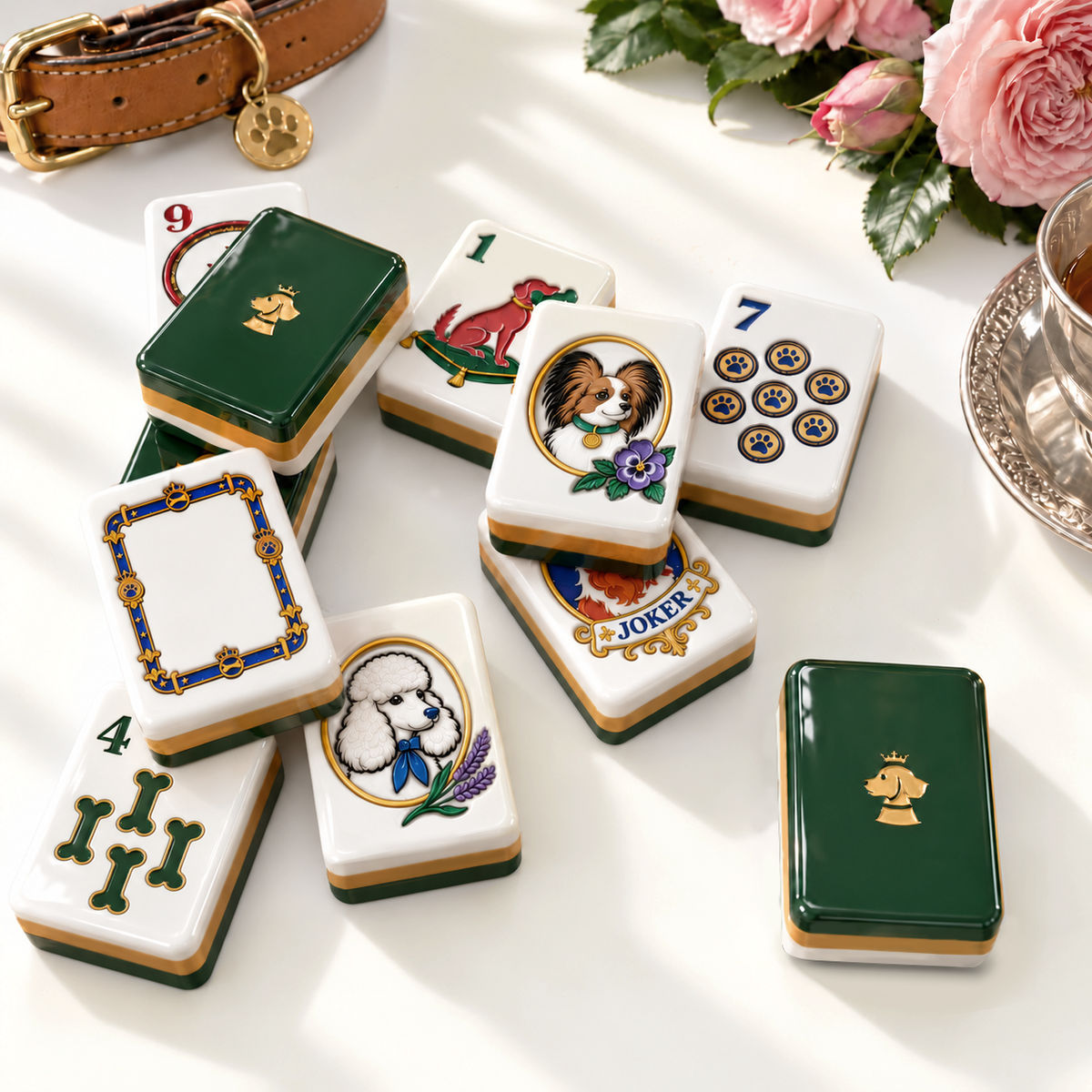
Taiwanese mahjong defensive play centers on three pillars: reading what your opponents are building, blocking their winning hands by holding key tiles, and managing your own wait structure so you don't gift them points. Unlike American mahjong (which uses a fixed card and only allows exposed melds), Taiwanese mahjong is played with a 144-tile set, allows sequences (chows) and pairs to be called and exposed, and rewards or punishes based on how fast someone wins and what they hold. Defense means discarding tiles that don't help you while tracking what others discard, refusing to throw a tile that completes another player's obvious pung or sequence, and sometimes intentionally exposing weak melds to signal you're unlikely to win soon—so opponents lower their guard and discard carelessly. The goal: stay in the game long enough to see your winning hand, and block rivals before they reach it. We host weekly Taiwanese games and see beginners leak points by panicking on discards; the players who stay profitable track the table's tile flow and make every discard a deliberate choice.
How do you read Taiwanese mahjong discards to predict opponents' hands?
In Taiwanese mahjong, the discard pile tells you almost everything about your opponents' hands and strategy. When a player discards a tile, they've decided it doesn't contribute to their winning hand—so tiles they throw early are usually low-value or far from their goal. Track which suits appear most often in the discard pile from each opponent; if East player discards four Craks in the first ten turns, they're probably not building Craks and are unlikely to complete a Craks-heavy hand. Watch the order of discards from the same suit: if someone threw 5 Dots, then 7 Dots, they likely don't have 6 Dots and won't form that sequence. Note gaps: a player who holds 1-2 and later discards 3 of the same suit is probably not building 1-2-3. The clearest signal is what they don't discard: if a player keeps throwing Honors (Winds, Dragons, Flowers) but never a number tile, they're probably collecting one or two number suits hard. After twenty turns, you should have a mental picture of each opponent's suit preference and what melds they're half-building.
🀄 Shop best-selling mahjong sets →

What tiles should you hold back to block opponents' winning hands?
Blocking is the art of keeping tiles that your opponents appear to want while discarding tiles that help only you. This requires brutal honesty: if you see three Bamboo 4's hit the discard pile and the fourth 4 Bamboo is still in play, that tile is dangerous. If you hold it and don't need it for a pung, don't throw it early—hold it until you're certain no one at the table can call it to complete a meld. Conversely, if you hold a tile that no one has played (and thus nobody needs), discarding it early is safe. In Taiwanese mahjong, the critical blocking tiles are those that form bridges: numbers like 4, 5, or 6 that can complete sequences from either direction (2-3-4 or 4-5-6). If you're not using a 5, holding it delays opponents who want to form 3-4-5 or 5-6-7. The hardest lesson: sometimes you throw a tile that would help you because throwing it denies your nearest opponent a win. If East is one discard away from winning, and you hold a tile that both helps your hand and blocks East, you block. You'll sacrifice points on that hand to prevent East from gaining more points next round.
🎁 See our most-loved mahjong sets & accessories →
How do you manage your wait to avoid being an easy target?
Your "wait" is the set of tiles that complete your hand to a win. In Taiwanese mahjong, a strong hand waits on just one or two tiles (a "single wait" or "pair wait"), while a weak hand waits on many. Opponents track your wait; if you've collected 2-3-4-5-6 of Dots and have two pairs already exposed, the table knows you're waiting for one specific tile to win, and they'll work to avoid throwing it. Defensive players slow their win by intentionally exposing melds that look strong but actually weaken their wait. For example, expose a pung of 1 Craks and two pairs, then discard a Crak that signals you need number Craks—but keep your real winning tile (a Wind, hidden) close. This misdirection often forces opponents to assume you're one Crak away, so they protect Craks and throw Wind tiles carelessly, which is exactly what you want. Another tactic: never pick up a winning tile on your turn and discard it immediately—this screams "I just drew the winning tile and rejected it," which means your wait changed or you got nervous about being called. If you draw your winning tile and decide not to win yet (to wait for a bigger payout or avoid a penalty), hold it in your rack for several turns before discarding it, or don't pick it up from the table draw at all if it's a discard you can decline to claim.

What is the difference between defensive play in Taiwanese versus American mahjong?
American mahjong and Taiwanese mahjong are fundamentally different games with opposite defensive needs. American mahjong is played with 152 tiles, a fixed hand card changed annually, and no sequences—only pungs (three identical tiles), kongs (four), and pairs. American mahjong defense relies on memorizing the card and blocking jokers, not reading subtle discards. In Taiwanese mahjong, you have 144 tiles, sequences are central, and hands emerge organetically from the tiles you draw. This means Taiwanese defense is reactive—you see what's in the discard pile and deduce the opponent's hand real-time. American defense is proactive—you know the legal hands in advance and block based on whether someone is collecting suits or number ranges. Taiwanese mahjong also includes "washing" or "shuffling" tiles for 30+ seconds before play, so the hidden tile pool is genuinely random. American mahjong's Charleston (the pre-game tile-passing ritual) lets you see and shape the tiles before play begins. In Taiwanese games, you cannot call an exposed meld beyond your immediate turn (in most variants), so the pace is faster and mistakes punish harder. If you play weekly in both games, you'll notice American players spend more time on strategy before tiles are drawn, while Taiwanese players earn or lose money through reaction time and observation after each discard.
What are common defensive mistakes in Taiwanese mahjong and how do you fix them?
We see three defensive blunders cost money week after week. First mistake: discarding in number order. New players often throw 1, then 2, then 3 of a suit automatically—this screams that they don't have that suit and aren't pursuing it. Opponents immediately know you're not building that sequence and relax. Fix: randomize your discard order. Throw the 5, then the 1, then the 7 from the same suit, even if you're discarding the whole suit. Second mistake: exposing melds too early. Some players call every pung and sequence the moment they can, thinking it speeds their win. Instead, this locks your hand and shows your entire strategy. Experienced opponents see three Bamboo 7 pungs exposed and know you're not building Dragon or Wind hands. Fix: expose only when you're so close to winning that hiding melds no longer helps, or expose deliberately weak melds to misdirect. Third mistake: panicking when a single tile appears multiple times. If all four 5 Dots hit the discard pile, new players think "oh, no one can get that tile" and relax. But a veteran player now knows exactly which suits are still hidden and adjusts their draw strategy. Fix: when all copies of a tile are discarded, that information is golden—use it to narrow down which tiles are safe to throw next.
Comparison Table: Reading Discards vs. Blocking Tiles vs. Managing Your Wait
Defensive Skill | What You Do | When You Use It | Risk if You Ignore It |
Reading discards | Track suit patterns in the discard pile to infer opponents' hands | Continuously, every turn | You throw tiles that help opponents; miss blocking opportunities |
Blocking tiles | Hold tiles opponents appear to need; delay throwing tiles that complete their melds | When opponent is close to winning | Opponent completes their hand and gains points; you lose money |
Managing your wait | Misdirect about which tiles complete your hand; avoid obvious single-tile waits | Throughout the hand, especially endgame | Table reads your hand perfectly; coordinates to block you; you never win |
✨ Find your Mahstead set — free US shipping →
What to check before you buy a Taiwanese mahjong set
Before purchasing a set to practice defensive play at home, confirm the tile count and quality. Taiwanese sets use a 144-tile standard (sometimes called "small sets"), while American sets use 152 tiles. If you're training for Taiwanese games, make sure your set is 144 tiles, not 152. Check that bamboo tiles are distinct (1 Bam often shows a bird; avoid sets where all number tiles look identical). Inspect the rack design: Taiwanese players often favor narrow, short racks that fit close to the body and require less arm movement—this speeds play and sharpens your read of opponents' faces and body language. Look at the mat material; many Taiwanese players prefer non-slip rubber or suede over smooth cloth, because tiles stay in place during the rapid play rhythm. If you're a serious weekly player, invest in a set with tiles that age well—acrylic tiles that cloud or lose their finish after six months of play will slow you down and make reading tiles harder. A durable best-selling set with high-visibility tiles and ergonomic racks is worth the investment if you're working to sharpen your defensive instincts.

FAQ
Can I use American mahjong blocking tactics in Taiwanese mahjong?
Partially. American blocking relies on the fixed card; you know all legal hands in advance. Taiwanese blocking is improvisational—you're reading live discards. The principle (don't throw tiles that help opponents) applies everywhere, but Taiwanese defense requires faster pattern recognition because hands emerge from play, not from a printed card.
What is a "pair wait" in Taiwanese mahjong and why does it matter for defense?
A pair wait means your winning hand needs one of two specific tiles to win (e.g., you need a Wind 1 or a Wind 2). Pair waits are safer than single waits because opponents can't easily block you—if they stop the Wind 1, you still have Wind 2. Defense: if you suspect an opponent has a pair wait, block both tiles or neither; blocking one tile only pushes them toward the other.
How many turns should I track discards before I can read an opponent's hand?
After three to four turns per opponent, a rough picture emerges (which suits they're avoiding). After 8–10 turns, you'll have a confident read of their main suits. After 15+ turns, you can predict which sequences they're building and guess their wait. Early game is about gathering data; mid-game is about acting on it.
Should I ever intentionally throw a tile that might help another player?
Yes, sometimes. If you're mathematically out of the running to win (three or more draws away), and throwing a tile makes one opponent win faster, do it—you'll lose less money if one opponent wins quickly than if all three rivals stay in longer. This is called "playing for second place" and is a legitimate survival tactic in money games.
What's the biggest difference between reading discards in a fast Taiwanese game versus a casual one?
In fast games, discard sequences happen in seconds; you read patterns in 30 tiles per opponent. In casual games, you have time to write down tiles mentally. Fast-game defense requires glancing at the pile instead of staring—this trains your brain to see pattern-not-detail. Start casual; build speed over months.


View More
View More
View More
