
Spring Mahjong Party Invitations: Wording Ideas & Hosting Tips
Last updated: Nov 23, 2026
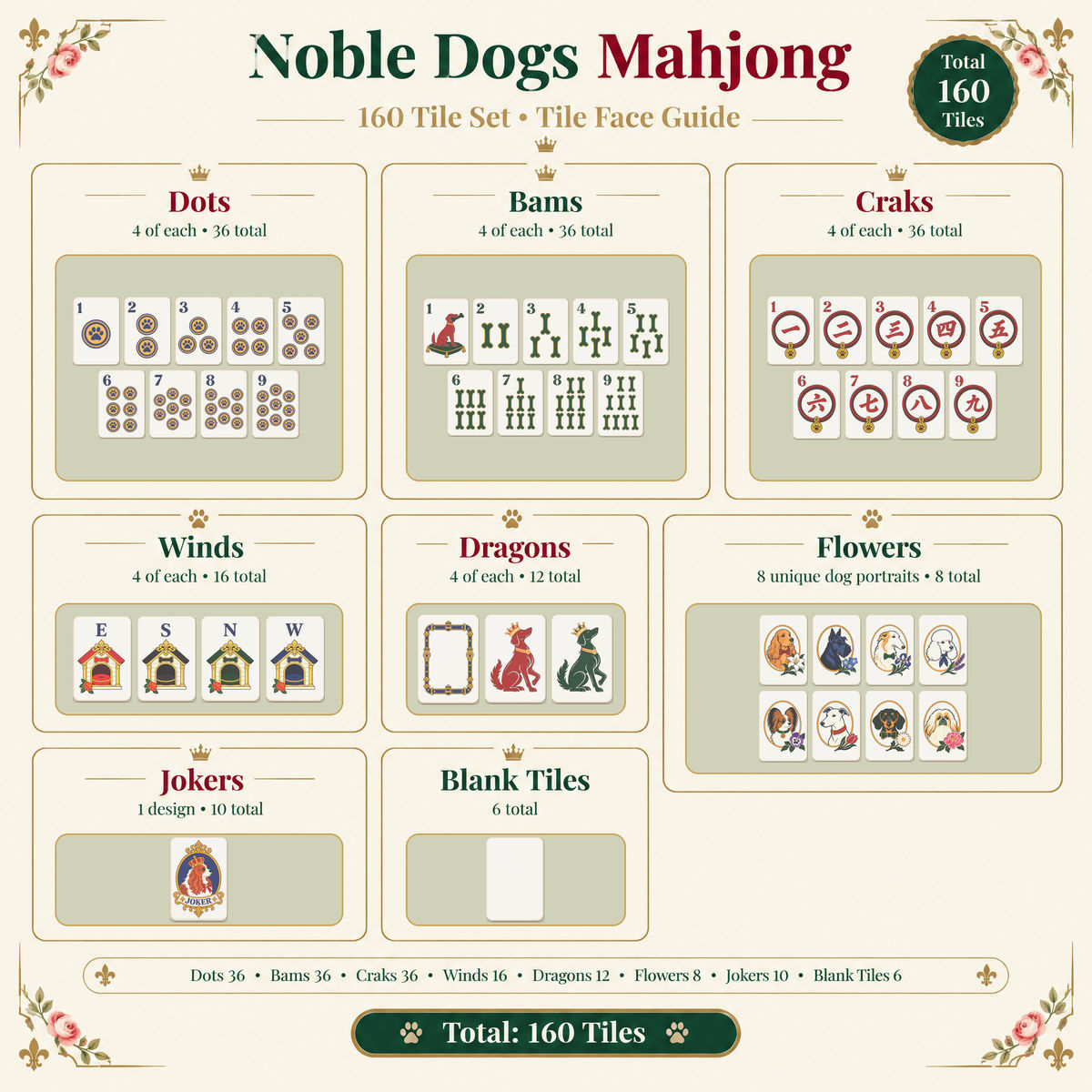
Spring mahjong invitations work best when they name the date, time, location, and what players should bring or know (tiles provided, NMJL card required, beginner-friendly, etc.). Keep the tone warm and specific—mahjong players appreciate clarity. Include whether you're playing American, Chinese, or another variant; whether it's a casual or competitive game; and whether snacks, drinks, or luck charms are welcome. Mention if you're supplying the best-selling mahjong sets and mats, or if each player should bring their own gear. A personal touch—a joke about tile karma, a nod to spring renewal, or a call-back to a funny moment from last season—makes it memorable and shows you care about the group dynamic.
What should an invitation actually say?
A strong mahjong invite answers five things in the first two sentences: who (names or "players welcome"), when (date and start time), where (address), what game (American mahjong, Riichi, Hong Kong rules, etc.), and what to bring or know (sets provided; NMJL card needed; skill level). Never assume everyone knows the house rules or variant. A one-liner like "American mahjong, wall at 7 PM, bring your luck" is fine for a group chat with regulars; a first-time host should spend two sentences. Time zone matters if anyone is remote. Keep it to 100–120 words so the reader doesn't scroll; busy people skim.

How do you set the right tone without being too formal?
Tone depends on your group and the occasion. A casual weeknight game can open with humor: "Our spring luck is on—time to crack some tiles and crack jokes." A formal ladies' league or club event stays traditional: "You are cordially invited to our spring gathering…" Mixed groups often respond well to warmth: "We're hosting our first spring mahjong night—bring your favorite snacks and your best tile-reading skills." Avoid corporate-speak unless your group is a workplace event. One sentence of personality makes players feel welcome; two sentences reads like a greeting card. Match the tone to how you text the group normally—consistency builds trust and attendance.
When's the best time to send a spring mahjong invitation?
Send invites 2–3 weeks ahead for a sit-down event at your home; one week for a casual weeknight game; four weeks if you're organizing a larger gathering (league match, seasonal tournament, gift-giving occasion). Spring invitations sent in late February or early March catch people planning their social calendar. If you mention a themed element—like a custom-engraved set as a group gift, or a springtime mat that just arrived—give enough time for players to prepare, gift-wrap, or arrange transportation. Don't send so early that people forget; don't send so late that hosts are already booked. Text or email is best; a digital invite lets people reply quickly and you can send reminders.
What details do beginners and new players need in the invite?
New players need reassurance and logistics, not jargon. Say "American mahjong—the beginner-friendly kind" or "We'll teach you the basics before we play for real." Mention whether the NMJL card is provided or if everyone needs one (it's a free printable online, but some groups share). State how long the game lasts (usually 2–3 hours with a break). Tell them what shoes to wear if you're playing at home (no heels on tile floors). List the snack situation so they know whether to arrive hungry or full. If you're using quality mats and racks, mention they don't need their own gear. Invite them to arrive 15 minutes early to meet the group and ask questions. One sentence about past winners or funny moments builds camaraderie without pressure.
How do you invite people without seeming cliquish or exclusive?
Phrase invites with open language: "Our mahjong table is growing—we'd love to have you" or "Bring a friend who loves tiles, strategy, and snacks." Name a specific person who could introduce newcomers, or offer to "pair you with someone who'll show you the ropes." If your group has grown exclusive over years, actively invite outsiders from your workplace, neighborhood, community center, or hobby group. Mention that "all skill levels play" or "we rotate who wins" to signal the game isn't cutthroat. Don't over-explain; just be warm. A line like "Mahjong is more fun with new faces" lowers the barrier. If someone doesn't know the rules, frame it as an asset: "We love teaching people who are curious—you'll pick it up in one round." That honesty builds attendance and deepens the group.
Invitation Wording Checklist
Element | What to Include | Example |
Date & time | Full date, start hour, end if known | "Saturday, April 5, 7–10 PM" |
Location | Address or detailed directions | "123 Maple Ave, Dallas, TX; parking on street" |
Game variant | American, Chinese, Riichi, etc. | "American mahjong—NMJL card provided" |
Gear supplied | Sets, mats, racks, or bring your own | "Tiles & mats ready—just bring yourself" |
Skill tone | Casual, mixed, competitive, beginner-ok | "All levels welcome; we teach as we go" |
Food/drink | BYOB, snacks provided, pitch-in style | "Coffee & snacks; bring your favorite wine" |
One personality line | Spring theme, humor, warmth | "Let's crack some spring tiles together" |
RSVP detail | By when, how to respond, headcount | "Reply by March 28 to confirm your spot" |
🀄 Shop best-selling mahjong sets →
Should you mention your mahjong set or hosting gear in the invite?
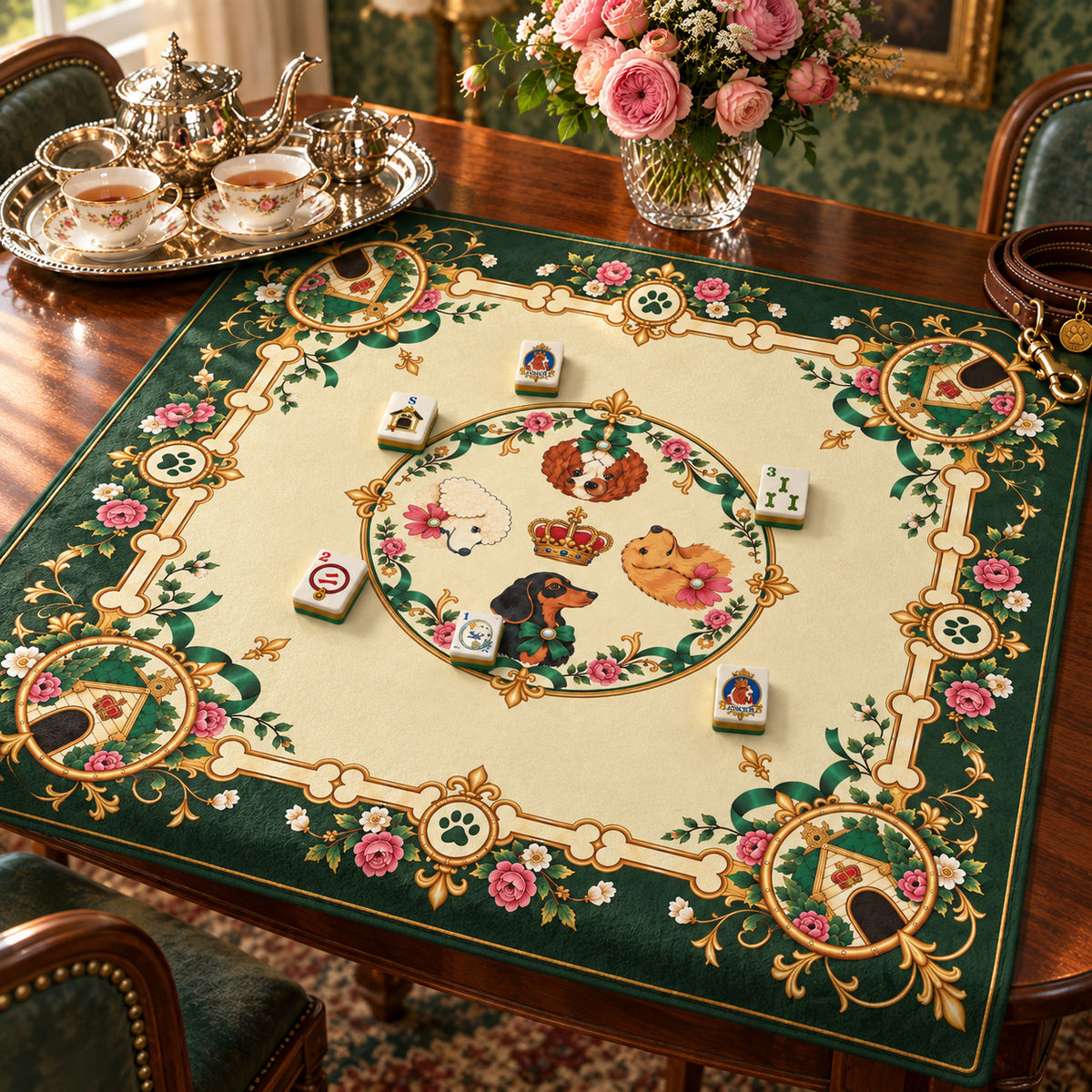
Yes, if you're proud of it or if it's new. A line like "We just got a beautiful engraved set—can't wait to use it with you" signals that hosting is an event, not a casual hangout. If you're using travel-ready racks and bags, mention it to reassure new players that setup is smooth and quick. Don't oversell the gear; focus on the experience. A sentence like "Professional mats and pushers mean less fumbling, more play" signals respect for the game and comfort for players. If the set has personal meaning—a gift, a family heirloom, a themed design—that story makes the invite feel intimate and players will remember it. Avoid sounding like a catalog; one honest line is enough.
How do you handle the RSVP and follow-ups?
Ask people to confirm 7–10 days before the game. Include a single clear method: "Text me by March 28" or "Reply to this email by Friday." Give your phone number or email. Send one friendly reminder 2–3 days before, especially if it's your first hosting event. In the reminder, confirm the start time, mention parking or entry instructions (e.g., "back door is unlocked"), and ask if anyone has questions or dietary needs. If someone cancels, replace them quickly by texting the backup list or friends. Keep a simple guest list so you know how many to plan for. After the game, a short message—"Great night, thanks for coming, let's do it again soon"—cements the habit and makes next season's invite feel like a reunion, not a cold outreach.
🎁 See our most-loved mahjong sets & accessories →
Spring mahjong party invitation templates
Casual weeknight tone: "Spring mahjong night—Thursday, April 10, 7 PM at my place. All levels welcome. I've got the tiles and mats; you bring your luck and a snack to share. Text me to confirm. Let's crack some tiles and crack jokes."
Warm hostess tone: "You are invited to a spring mahjong gathering—Saturday, April 5, 7–10 PM at [address]. Whether you're a seasoned tile warrior or curious and new, we'd love to have you. Everything provided. RSVP by March 28."
Group league tone: "Our spring mahjong session begins April 3, 6:30 PM at the community center, main room. American mahjong, NMJL card required (printables available). Newcomers welcome—arrive early to learn the wall. See you at the table."
Playful group chat tone: "🀄 SPRING TILE NIGHT 🀄 Fri 4/11, 8 PM, my place. Bring yourself, I'll bring the crack luck. Snacks encouraged. Who's in?"
What to check before you send
Venue accuracy: Confirm your address, parking, entry details, and whether the space can fit your group.
Game clarity: Be honest about the rules you'll play—American? What scoring variant? Mixed or traditional NMJL?
Gear readiness: Test your sets, mats, and racks beforehand to make sure nothing is damaged or missing.
Tone consistency: Read the invite aloud; does it sound like you? Formal invites that don't match your personality backfire.
Timing: Send early enough that people can plan, but not so early they forget.
Backup plan: If weather is a concern or the game is outdoors, mention what happens if plans change.
✨ Find your Mahstead set — free US shipping →

FAQ
Can I invite people who have never played mahjong before?
Yes. Name the game and skill level in the invite: "American mahjong—beginner-friendly, we'll teach the basics before we play." Pick one person to sit near them or pair them with an experienced player. New players often become regulars once they feel welcome.
Should I mention house rules in the invite, or just explain them at the table?
Mention them in the invite if they're non-standard—for example, "We play with jokers wild in quints" or "We hand-settle, no calculator." This lets players prepare mentally and shows you're organized. Brief rules go over fine at the table; unusual ones deserve a heads-up.
What if I don't know how many people to invite for a spring party?
American mahjong is a four-player game. Invite four core players plus one or two backups in case someone cancels last-minute. If you expect more than six, plan two tables—you'll need two sets and two mats, but the vibe is better and no one sits out.
Is it okay to ask people to bring their own mahjong set to a party?
Only if your regular group knows you're doing that. For a first-time host or a mixed group, supply the set and mats—it removes friction and signals that you're serious about hosting. If regulars prefer their own set, note that in the invite: "Bring your favorite set if you have one; backups available."
How do I word an invite for a mahjong party where I'm asking guests to contribute money (betting on the game)?
Be direct and honest: "Friendly stakes game—bring $5–$10 depending on comfort level" or "No betting, purely social." Mahjong players respect clarity. Check your local laws about friendly gambling; in most places small-stakes home games are legal, but disclosure upfront prevents awkwardness.
Should I mention a theme (e.g., "spring renewal tiles" or a lucky color) in the invite?
Only if it's real and matters to your group. If you're hosting with a new engraved or themed set, mention it: "We're breaking in a spring-inspired set—can't wait to share it." Avoid cutesy themes unless your group loves them; most mahjong players prefer authenticity over gimmicks.


View More
View More
View More
