
Mahjong Party Ideas in Virginia Beach: Where to Play & What You Need
Last updated: Nov 23, 2026
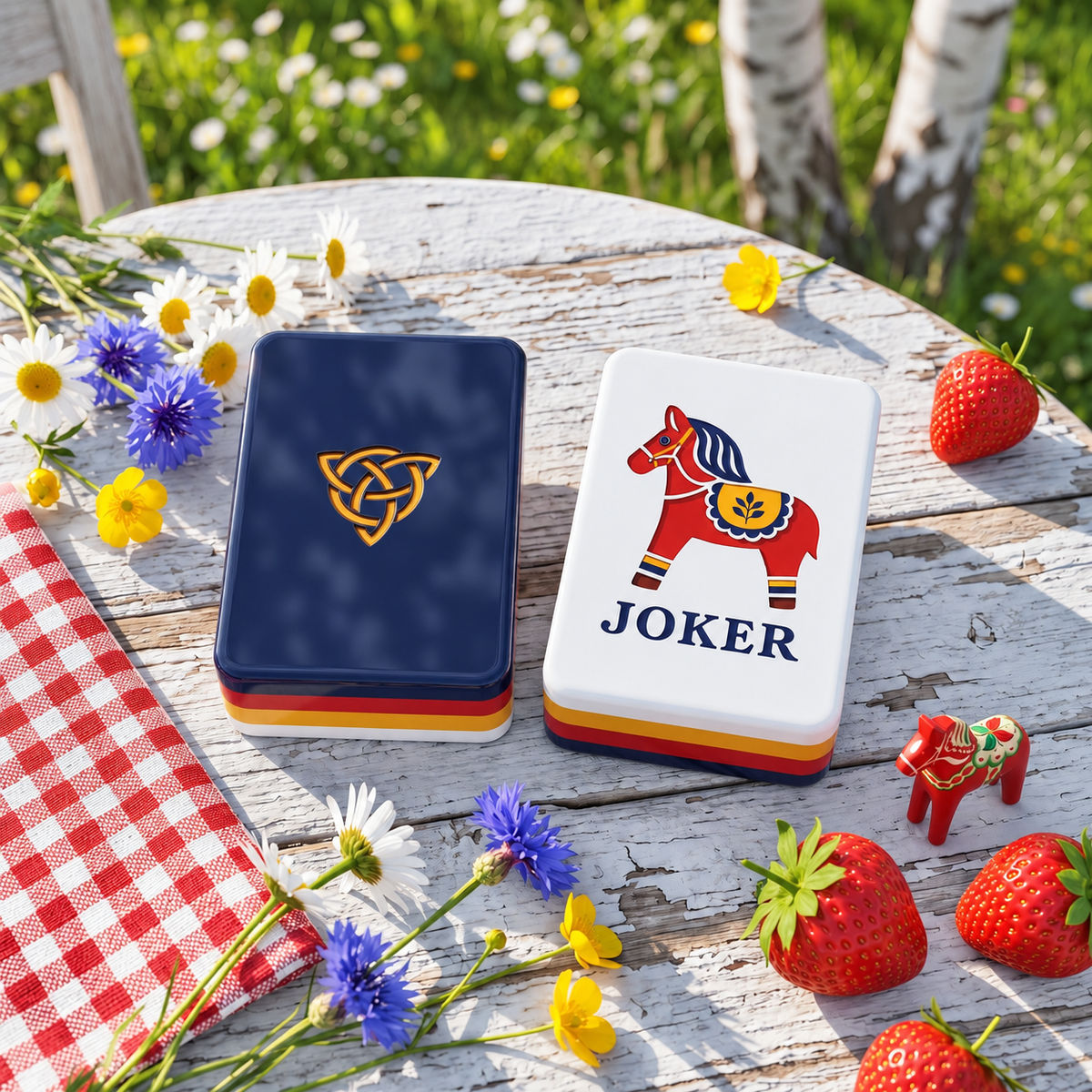
Mahjong parties in Virginia Beach thrive in public spaces—community centers, library meeting rooms, synagogues with game programs, and country clubs often host or welcome private groups. Check the Parks & Recreation website, branch library bulletin boards, and Meetup for active players; many neighborhoods have standing weekly games open to newcomers. To host at home, you need one 160-tile American mahjong set, a mat, four racks with pushers, and four players. The Charleston (tile-passing ritual) takes 5 minutes; a typical hand lasts 10–20 minutes depending on skill. From Mahstead's best-selling collection, engraved sets arrive ready to play and last years. Plan snacks, clear table space 4 feet wide minimum, print the current National Mah Jongg League card, and invite two experienced players to anchor your table—new players learn fastest by watching and asking mid-hand. 🀄 Shop best-selling mahjong sets →
Where do Virginia Beach players actually gather?
Virginia Beach's mahjong community clusters at public facilities and private clubs. Check with your local Parks & Recreation department for open community center programs; many run drop-in game nights twice weekly. Public libraries (especially Virginia Beach Central Library) post game schedules on bulletin boards or direct you to volunteer-run groups. Synagogues with active social programs host mahjong several times a month—call ahead to confirm. Country clubs and independent game rooms sometimes welcome non-members for weeknight tournaments. Search Meetup.com for "mahjong Virginia Beach" or "game night" groups; Facebook community boards and Nextdoor often list standing home games seeking new players. Start by watching one session before committing; experienced players welcome learners who listen and don't slow pace.

What's the bare minimum to host four players at home?
You need one American mahjong set (160 tiles, 8 jokers), four mahjong racks with pushers, one mahjong mat, a tile rack or tray for the wall, and the current year's National Mah Jongg League card. The set and racks—often sold together—come with everything needed to play. A mat protects tiles and shows the Charleston formation zones. You'll also need a small notepad for score, a way to track the wind (rotate a marker or use a wind card), and refreshments. Most home games use one set per session; you won't need spares unless your tiles chip (rare with acrylic). No special furniture required—a dining table works fine. Total setup time: 10 minutes. Total table footprint: about 4 feet square.
✨ Find your Mahstead set — free US shipping →
How do you run the tile-passing Charleston smoothly so nobody stalls?
The Charleston is a silent, rhythmic tile swap before every hand. All four players pass tiles right, then left, then across—each pass involves three tiles moved by every player. Stack your 14 tiles in a neat row; the passer pushes three to the right neighbor, who returns three immediately. Move at a steady beat: pass right (3 tiles), wait for everyone to finish, pass left (3 tiles), wait, pass across (3 tiles). Keep your hands above the mat so tiles slide cleanly. Common mistake: players hold tiles too long deciding which to pass. Rule: decide in advance before the pass begins. Second mistake: misaligned stacks; stack your 14 in a line so the passer can grab exactly three. If someone passes two or four by accident, stop, recount, and repass that direction. Do a "dry run" Charleston at your first party so new players feel the rhythm. Once everyone owns the timing, a full Charleston takes under five minutes.

What's a realistic cost breakdown for throwing a proper party?
A starter American mahjong set ranges in price—see current prices on the product page. Engraved sets with titles cost more than solid designs but last decades and make memorable gifts. Mats vary by material (felt, leather, neoprene); buy once and use forever. Racks with pushers are a one-time buy. If you already own a set, you're hosting for snacks alone. For a first-time setup targeting four players once weekly, budget for one set plus one mat plus four racks—buy as a bundle if available. Replacement tiles or jokers cost far less than a full set. Most home hosts spread cost across 50+ parties, so per-party equipment cost is negligible. Focus on comfort: good lighting, a padded mat, racks that don't tip, and tiles that click satisfyingly.
Setup Type | Best For | Typical Add-Ons | Lifespan |
Solid acrylic set + felt mat | Home parties, learner groups | Spare jokers, racks | 10+ years |
Engraved title set + leather mat | Gifts, formal games | Matching bag, pushers | 15+ years |
Travel-ready bundle | Parties at other homes | Padded case, portable mat | 10+ years, portable |
Backup spare set | Seasoned hosts | Extra jokers, blanks | Rotate in after 3–5 years |
How do you keep energy high over three to four hours of play?
Rotate dealer position every hand so no one feels stuck losing. Set a house rule: play seven hands per session (about 90 minutes) before a snack break. New players stay engaged if they win at least once per session—seat them across from your strongest player, not next to them. Explain every hand outcome quietly during discards so learners see patterns. Celebrate small wins loudly. Dim lighting and music at low volume calm anxiety and help focus. Serve finger food and water; avoid alcohol until after a full round (hands are sensitive to spills). Between rounds, show the card so new players spot hands they're building. Invite the same crew weekly if possible—repetition builds skill and friendship. If someone sits out, they keep score and explain decisions to new players, staying invested.
We've hosted 150+ parties and noticed energy dips around hour two; a 15-minute snack break before the third round rescues the table every time. Likewise, parties that rotate dealers and announce winners stay lively longer than silent, serious games.
Before you buy, confirm these three things:
Tile clarity: Can you read the suit symbols and numbers from arm's length in your home's light? Test a demo set or watch a video—acrylic tiles vary in finish. Poor clarity slows new players.
Mat feel: Will your tiles slide smoothly? A mat that's too sticky or too slippery frustrates the Charleston. Touch a sample before ordering if possible.
Rack stability: Do pushers click without jamming? Wobbly racks annoy players and slow the game. Watch unboxing videos or ask sellers about pusher tolerance.
🎁 See our most-loved mahjong sets & accessories →
Ready-to-go resources for Virginia Beach hosts:
Finding your first game: Visit your local library reference desk or community center main office in person; staff often know standing groups before they post online. Ask: "Do you know any mahjong groups open to newcomers?" Mention your availability (weeknight, weekend, daytime, evening).
Learning the card: Print the current National Mah Jongg League card (available free online annually) and laminate it. Keep one at each seat and one spare. The card shows every legal hand for the year; no memory required.
Building your group: Invite one experienced player to your first party; their presence calms new players and speeds learning. After three sessions, your crew stabilizes and learns to read each other's play.
Setting a schedule: Pick one night weekly (Tuesday or Thursday evening works well—less competition from weekends). Consistency drives attendance. If the same four can't meet, agree on a substitute backup ahead of time.
FAQ
Can I play with fewer than four players?
American mahjong requires exactly four for the standard game. Variant rules exist for two or three players, but they're less common socially. Check your group's preference before hosting.
What if I lose tiles or a joker cracks?
Replacement jokers and individual tiles are inexpensive and available separately. Most modern acrylic tiles resist cracking for a decade or longer. Store your set in a padded case or bag between parties to minimize damage.
Do I need the official National Mah Jongg League card to play at home?
Yes—American mahjong is played only with hands from the current year's card. The card changes every spring, so update yours annually. Download it free or order a printed copy. Without it, you're playing a different variant.
How long does a full session usually last?
A seven-hand session takes 90–120 minutes for experienced players, 120–150 for learners. Factor in 15 minutes setup and 15 minutes for snacks, so plan 2.5 to 3 hours total.
Is it rude to ask an experienced player how to build a winning hand?
No—ask during or after your hand. Experienced players expect teaching in social games. At tournaments, you cannot consult; in home games, it's encouraged so new players progress faster.
What's the single biggest mistake new Virginia Beach hosts make?
Starting without an experienced player present. One person who knows the card and scoring saves hours of frustration. Invite them specifically and feed them well.


View More
View More
View More
