
Singles and Pairs Section of the Mahjong Card Explained
Last updated: Nov 23, 2026
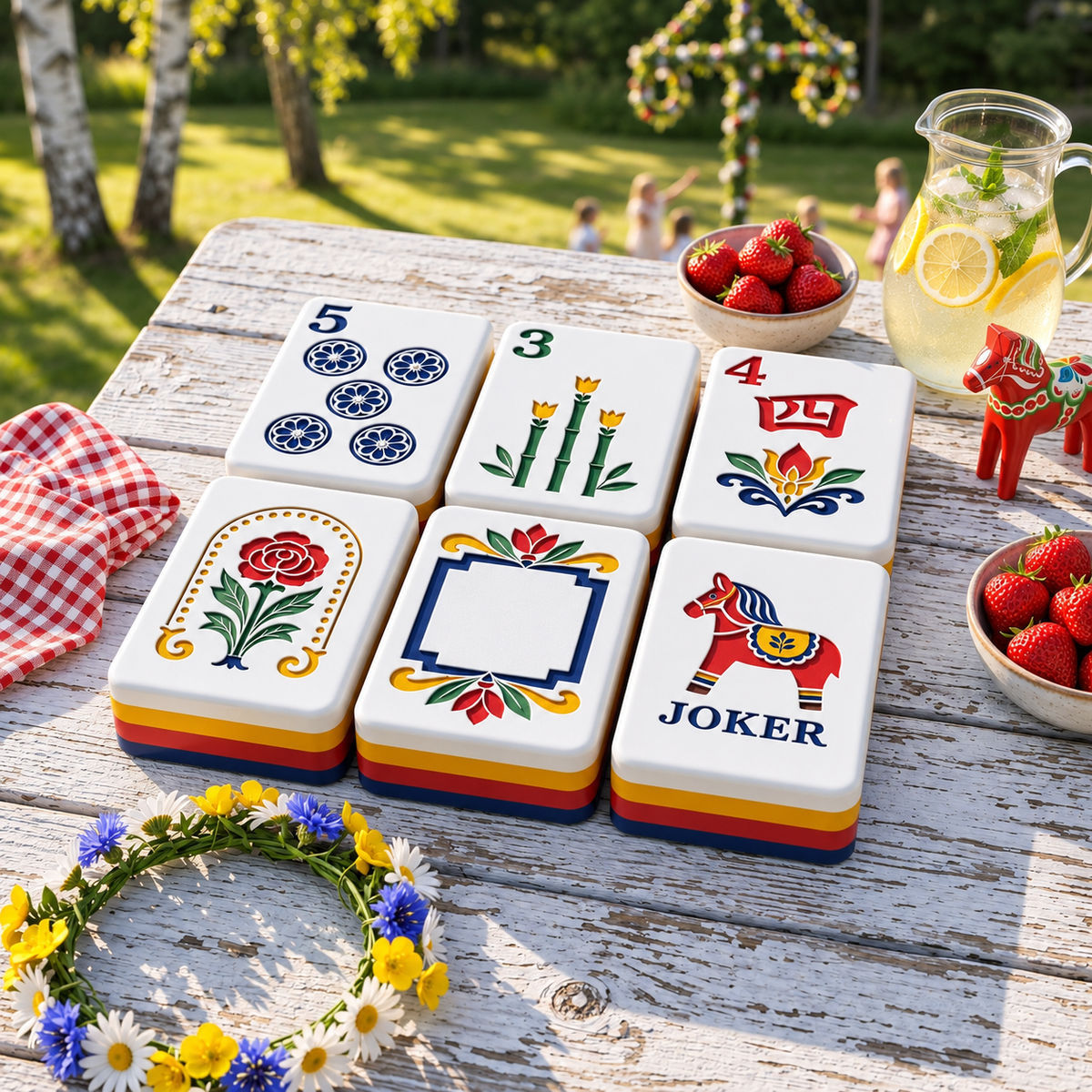
The singles and pairs section is where most American mahjong hands end. We'll show you how to read it, build patterns fast, and avoid the mistakes that cost rounds.
What exactly is a singles and pairs hand?
A singles and pairs hand contains exactly fourteen tiles: one pair (two identical tiles) and twelve singles, each a unique tile. No tile appears more than once except the pair. It's the simplest hand structure—no pungs (three of a kind), no kongs (four), no exposed groups. You keep all tiles hidden in your rack until you win; then you reveal the full hand at once.

Where do I find singles and pairs on the card?
Singles and pairs sections sit in their own blocks on the annual card, usually grouped by pair type: pairs of winds, dragons, flowers, or number tiles. The card layout changes yearly—the National Mah Jongg League redesigns it each spring. You'll see rows like "1B 2B 3C 4C 5D 6D 7B 8B 9C 1D 2D 3D 4D WW" (where WW = West wind pair). Learn to read the mahjong card systematically first; that foundation makes this section intuitive fast.
How do I read a singles and pairs line?
Each line lists fourteen tile abbreviations in the order you need them. Bam = B, Crak = C, Dot = D; numbers 1–9 follow. Winds are N, E, S, W. Dragons: R (red), G (green), WH (white). Flowers: F. Start at the left; the first pair is your pair, the remaining twelve are singles. Read every tile left to right; if a tile repeats (besides the pair), that line is not singles and pairs—it's a different pattern. Write down the hand, sort your rack by suit, and check them off as you draw and discard.
What are common mistakes when building singles and pairs?
Mistake 1: Confusing the pair with a single. The pair is always two identical tiles. If the line reads "1B 1B 2B 3B…", your pair is 1B (two of them), not a single 1B. Jokers can never fill a pair in American mahjong, so you must have the exact tiles.
Mistake 2: Assuming order matters during play. Your hand doesn't have to be in that order in your rack while you play. You arrange tiles however it's easy for you to see and manage. What matters: by the time you win, you have all fourteen tiles exactly as written on the card.
Mistake 3: Ignoring duplicate tile names. If a line reads "1B 2B 3B 1B 4B 5B 6B 7B 8B 9B 1D 2D 3D WW," count the 1B tiles: you need four (the pair is two, plus two more singles). The card is always correct; recount before you blame a discrepancy.
Mistake 4: Forgetting jokers can't fill a pair or single. In American mahjong, jokers only substitute in exposed groups (pungs, kongs, quints, sextets). In singles and pairs, every single and the pair must be real tiles—no joker wildcards.
Why are singles and pairs harder to call than they look?
Singles and pairs require you to track twelve unique tiles plus a pair simultaneously. One wrong draw or discard breaks the entire hand—there's no second chance and no exposed groups to anchor memory. Most players find them psychologically trickier than hands with repeated groups (like two or three pungs), because your brain struggles to hold many different tiles at once. The winning edge: write the hand on paper, keep it in front of you, and check off tiles as you draw. A mahjong mat with a scorecard slot gives you a clean surface and a place to tuck your reference safely.
🀄 Shop best-selling mahjong sets →

How do I spot a singles and pairs hand quickly at the start?
Step 1: Before the Charleston, scan the top-left corner of the card. Most leagues print singles and pairs there first—it's the section organizers assume players look at first.
Step 2: Identify your pair type. If you drew many winds and one flower, look for "wind pair + flower singles" patterns. If you have number tiles spread across two or three suits, search for lines matching that spread.
Step 3: Search by tile count, not order. Count how many Bams you hold, how many Craks, how many Dots, how many honors (winds, dragons, flowers). Then scan lines in the singles and pairs section where the suit distribution matches yours.
Step 4: Once you find a candidate hand, write it down and verify every single tile against your rack before you pass a discard. One tile wrong = not that hand.
Pair Type | Typical Pattern | Why It Wins | Your Search Focus |
Number pair (1–9) | 1B pair + scattered honors and other numbers | Safe, common, spreads risk | Look for the pair name first |
Wind pair | EE pair + mixed numbers and dragons | High-value pair, often completes late | Check wind sections early |
Dragon pair | RR pair + number and wind singles | Red or green pairs are memorable | Search by dragon name |
Flower pair | FF pair + one suit + honors | Rarest; flower-heavy hands stand out | Count flowers in your rack first |
What if my pair is wild or unusual?
Some hands pair a flower with a wind (e.g., "FF WW 1B 2B 3C…"), or pair flowers with flowers, or use high numbers (e.g., "9B 9B 8B 7B 6B…"). The process is identical: verify the pair is two identical tiles, verify the remaining twelve are each unique, and check every tile against the current year's card. If you hold an unusual combination—say, three flowers and two winds—search the singles and pairs section specifically for "flower pair + wind singles" or "wind pair + flower singles." The card includes these; you just have to find them. Write down three candidate hands and tick off matches tile by tile.
🎁 See our most-loved mahjong sets & accessories →
How do singles and pairs hands score?
American mahjong scoring depends on hand complexity and tile type. Singles and pairs hands are typically mid-range scorers—worth more than simpler patterns but less than hands with all pungs or quints. The exact point value depends on your house rules and the current year's card scoring table. Most league play (whether casual or competitive) uses the card's printed scores; verify your group's scoring rules before play starts. If you're new to scoring, review American mahjong scoring rules to understand how hand type and tile rank affect your winnings.
What should you check before you buy a mahjong set for singles and pairs practice?
Tile legibility. Ensure numbers and suit marks are clear—you'll read them dozens of times per hand. Acrylic tiles with engraved numbers hold up better than printed paint.
Rack depth. Your rack must hold fourteen tiles comfortably without cramping or overlapping. Racks with pushers let you spread tiles evenly and move them as you play, reducing errors.
Card reference. Buy a set that includes a printed current-year card or place a laminated card where all four players can see it. This cuts lookup time and argument.
Set size. A full 160-tile American set includes 152 playing tiles (the exact count you need) plus spares. Never play with fewer tiles; American mahjong has no shortcuts.
Storage. If you host weekly games, choose a set with a durable bag or case—tiles chip or stain if tossed loose into a drawer.
✨ Find your Mahstead set — free US shipping →
Why practice singles and pairs at home first?
Singles and pairs hands train your pattern-recognition speed and tile-tracking discipline—two skills that transfer to every hand type. At the table, you'll feel the difference: you'll spot hands faster, make fewer discard errors, and recover from setbacks. Solo or with a partner, lay out a singles and pairs hand from your card, shuffle and deal fourteen tiles into your rack, and practice sorting and matching. Time yourself. Play five hands a week; within a month, your confidence and speed will double. A mahjong mat gives you a clean, stable play surface and a sense of ritual that sharpens focus.

FAQ
Can I use a joker to fill a missing single or the pair in a singles and pairs hand?
No. Jokers only substitute in exposed groups (pungs, kongs, quints, sextets) in American mahjong. In singles and pairs, every tile—including the pair and all twelve singles—must be a real tile from your rack.
What if the line on the card repeats a tile more than twice (beyond the pair)?
That line is not a singles and pairs hand; it's a different pattern type (likely a hand with pungs or other groups). Move to the next line. Always count carefully: the pair = 2, and the remaining twelve must each be unique.
Where exactly on the card do I find singles and pairs?
The National Mah Jongg League changes the card layout yearly, but singles and pairs are always grouped in a dedicated section, usually near the top or bottom. Check the section headers on your current year's card. When you buy a set with a printed card, the layout is there to reference every game.
How many singles and pairs hands are on the card each year?
The count varies yearly—typically 20–30% of all playable hands are singles and pairs, depending on the league's season design. Check the current year's card for the exact section size.
If I have the pair but only eleven of the twelve singles, can I still win?
No. Every hand—including singles and pairs—requires all fourteen tiles exactly as written on the card. One missing tile means you haven't won yet; keep drawing and discarding until you have all fourteen or until the wall runs out.
Should I write down my singles and pairs hand before play starts?
Yes. Write it on paper or your phone, set it where you can see it without moving your rack, and check off tiles as you draw. This cuts errors by at least half and lets you play faster and more confidently.


View More
View More
View More
