
Singapore Mahjong Tile Set: American vs. Chinese — What to Buy
Last updated: Nov 23, 2026
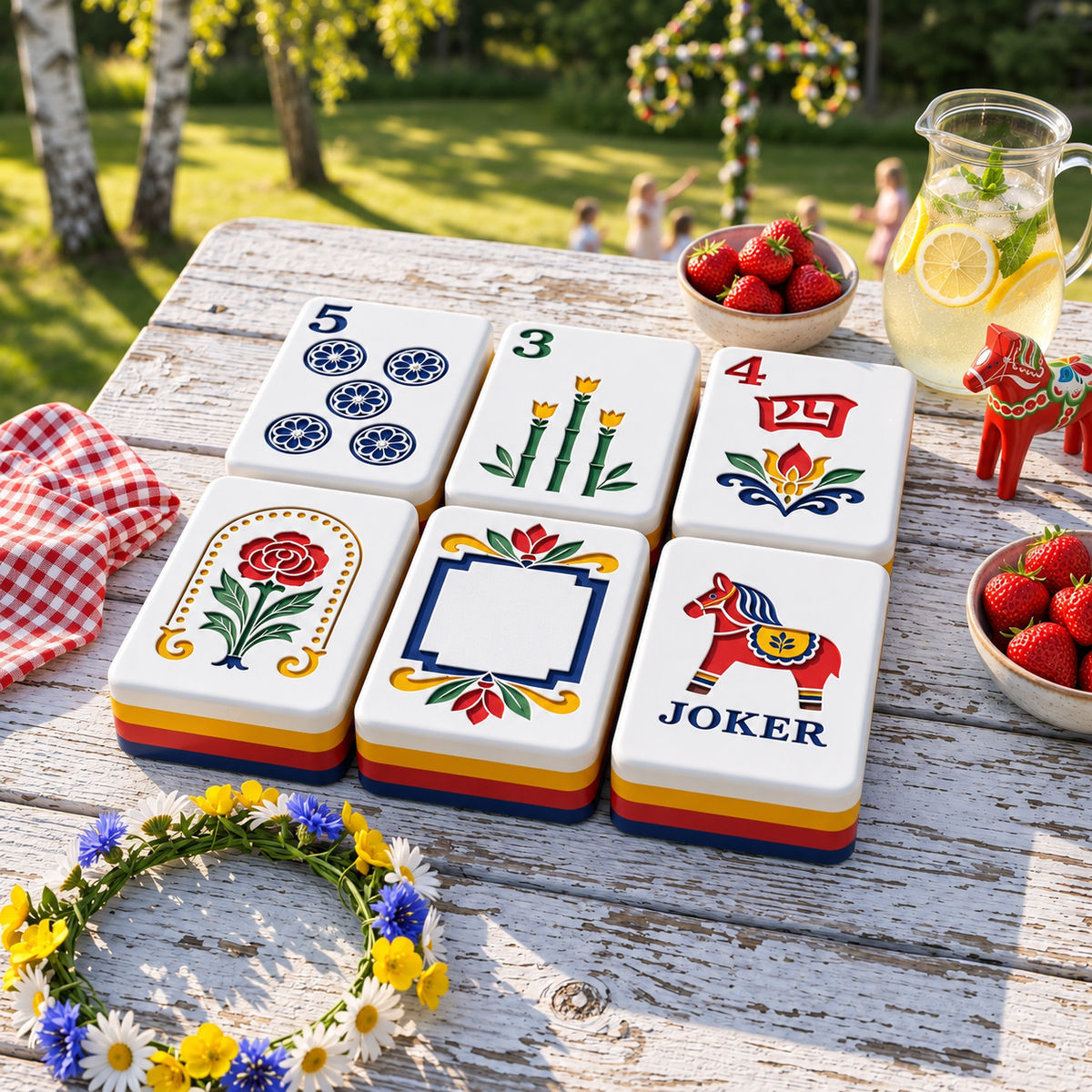
Singapore mahjong groups play either American or Chinese variants, each with distinct tile sets. American sets contain 152 playing tiles (three suits: Bams, Craks, Dots; winds; dragons; flowers; jokers), use the annual National Mah Jongg League card, and allow only exposed pungs, kongs, and sequences in sets of 3–6. Chinese sets typically feature 144 tiles (including flower/season tiles), with different suit names and rules allowing melds to be called and exposed freely. Singapore hosts both communities, so confirm your group's rules before ordering. Mahstead's best-selling mahjong sets are American format (160-tile acrylic, 152 playing + spares). If you play Chinese or Hong Kong rules, you'll need a dedicated Chinese set from a specialist importer or local vendor. Cost varies widely; focus on tile clarity, case durability, and racks that suit your comfort rather than price alone. 🀄 Shop best-selling mahjong sets →
Which Singapore Mahjong Rules Do You Play?
Singapore's largest mahjong communities follow either American or Chinese conventions, shaped by colonial and migration history. American mahjong arrived via Jewish and American expat networks; Chinese and Hong Kong variants came through family and regional trade ties. Ask your group which card or hand-list they use—American groups consult the National Mah Jongg League card each spring; Chinese groups reference regional or traditional melds. The ruleset determines tile design, hand complexity, and whether you can call or expose melds mid-game.

What's the Difference Between American and Chinese Tile Sets?
American sets contain 152 playing tiles: 108 numbered tiles (three suits × 1–9 × four copies each), 16 winds, 12 dragons, 8 flowers, and 8 jokers. Suits are Bams (bamboo, marked with a bird on the 1), Craks (characters, usually red), and Dots (circles). Jokers are wildcards and never form a pair.
Chinese sets typically contain 144 tiles: three number suits × four copies each, honor tiles (winds and dragons), and often flower/season tiles. Suit names differ: 筒 (tong/circles), 条 (tiao/bamboo), 万 (wan/characters). Chinese rules allow chows (sequences like 1-2-3), and tiles can be called and exposed at any point—radically different from American play, where you may only expose pungs, kongs, and quints from your own hand.
Hong Kong variants use 152 tiles but allow sequences and follow a different hand-building system. If Singapore players say "Hong Kong rules," confirm tile count and meld rules with the group before purchasing.
How Do I Know Which Set to Buy for My Singapore Game?
Start by identifying your group's ruleset through direct conversation. Ask: Which card do you use? (American players cite the League card; Chinese players describe traditional melds or reference a specific regional variant). Can I call sequences mid-game? (American: no; Chinese and Hong Kong: yes). How many tiles? (American: 152 playing; Chinese: usually 144; Hong Kong: often 152 but different rules).
Once confirmed, decide on format. American play requires a 160-tile set like our best-selling mahjong sets—acrylic construction ensures durability in Singapore's heat and humidity, while pushers and racks reduce hand fatigue during long sessions. For Chinese play, source a certified Chinese set from a specialist—tile markings, character orientation, and wind/dragon placement follow regional standards that Mahstead does not replicate, as we focus on American rules.
🎁 See our most-loved mahjong sets & accessories →
What Should I Check Before Ordering a Mahjong Set?
Factor | American Set | Chinese Set | Why It Matters |
Tile Count | 160 (152 play + spares) | 144–152 | Affects hand validity; wrong count stops play |
Suit Names | Bam, Crak, Dot | Tong, Tiao, Wan | Match ruleset or tiles are unreadable to your group |
Meld Rules | Pung, Kong, Quint, Sextet only; NO sequences | Pung, Chow, Kong; sequences legal | Determines which hands are valid |
Joker Use | 8 jokers; never form a pair | Varies (sometimes fewer or different) | Wildcard rules differ; affects strategy |
Material | Acrylic (heat-resistant) or bamboo | Bone/bamboo or acrylic | Singapore heat/humidity favors acrylic; durability over 5+ years |
Case & Racks | Included with quality sets | Varies; often sold separately | Protect tiles; ease of play |
Temperature and humidity tip: Singapore's tropical climate (80–90% humidity, 28–32°C year-round) can warp bamboo tiles and crack bone. Acrylic holds up better. Keep sets in a cool, dry case between sessions.

What Accessories Make American Mahjong Easier in Singapore?
Experienced players in any climate know that mahjong racks with pushers reduce wrist strain and speed up play—critical during long Tuesday or weekend sessions. Pushers let you manage tiles without lifting, lowering fatigue even in air-conditioned rooms.
Mahjong mats protect tiles from spills and provide a non-slip surface; in Singapore, where games often run in homes or clubs without dedicated tables, a mat and a travel bag or case make transport and storage foolproof. If you host weekly games, protective storage is non-negotiable—humidity and dust accelerate tile wear.
For American play, a printed rack with pushers (integrated or bundled) and a cloth or rubber mat are the top two investments after the tile set itself. Mahstead includes quality racks and offers mats separately; check the product listing to confirm what's bundled with your set.
✨ Find your Mahstead set — free US shipping →
Common Mistakes When Buying a Mahjong Set for Singapore
Mistake 1: Assuming all sets use the same rules. American and Chinese mahjong look similar but are fundamentally different games. Buying a Chinese set for an American group (or vice versa) wastes money; no amount of skill bridges this gap.
Mistake 2: Underestimating heat and humidity impact. Bamboo and bone tiles absorb moisture and warp in tropical climates. Test any set you order indoors for a week before committing; if racks feel loose or tiles slide unexpectedly, humidity is the culprit. Acrylic is your safest bet.
Mistake 3: Skipping the case or mat. Tiles scattered during transport or exposed to humidity overnight degrade fast. Budget for protective gear as part of the purchase.
Mistake 4: Not confirming joker rules. American mahjong has strict joker constraints (8 jokers, never a pair, wildcard only). If your Singapore group has modified rules, you'll learn this the hard way mid-game.
Mistake 5: Buying before you play. Visit a game and handle tiles used by your target group. Ask whether the mat, case, and rack comfort match your needs. One person's ideal set is another's uncomfortable burden.
What to Check Before You Buy
Confirm ruleset with your group. Ask for the card, meld rules, and tile count in writing (via message). Screenshot the answer.
Verify tile material suits your storage. If you live in a humid area or store tiles long-term, prioritize acrylic.
Test racks and pushers. Borrow a set for one session if possible; wrist comfort matters for 3+ hour games.
Check return policy. Reputable sellers (including Mahstead) allow returns within a window if tiles arrive damaged or don't match your rules.
Budget for accessories. A mat and case add cost but extend tile life by years.

FAQ
Can I use an American mahjong set to play Chinese mahjong in Singapore?
No. American sets contain 8 jokers and exclude sequences; Chinese play requires 144 or 152 tiles, allows chows, and uses jokers differently. The hand-matching system is incompatible. Confirm your group's rules before buying.
Which material lasts longest in Singapore's heat and humidity?
Acrylic resists warping and moisture better than bamboo or bone. Mahstead's acrylic sets hold up well if stored in a case between sessions. Keep sets in a cool, dry spot; avoid leaving them in cars or unventilated rooms.
Do I need a rack and pusher for American mahjong?
No, but they reduce hand fatigue during long games and speed up play. Most regular players use them; casual players often skip them. Test one at a friend's game before buying.
Where can I find a Chinese mahjong set in Singapore?
Chinese sets are sold through specialty importers, local game shops, and online retailers specializing in Asian games. Mahstead sells American sets only; we don't stock Chinese variants.
How often should I replace my mahjong set?
With proper storage (case, low humidity), a quality set lasts 5–10 years or longer. Acrylic sets age well; bamboo or bone may warp sooner if exposed to heat or moisture.
What's the difference between a mahjong mat and a table cover?
A mat is a portable, padded surface for any table; a cover protects the table itself. For travel or hosted games, a mat is more practical. Read our mat vs. table cover guide for details.


View More
View More
View More
