
Taiwanese Mahjong Lessons Online: Find Real Teachers & Get Started
Last updated: Nov 23, 2026
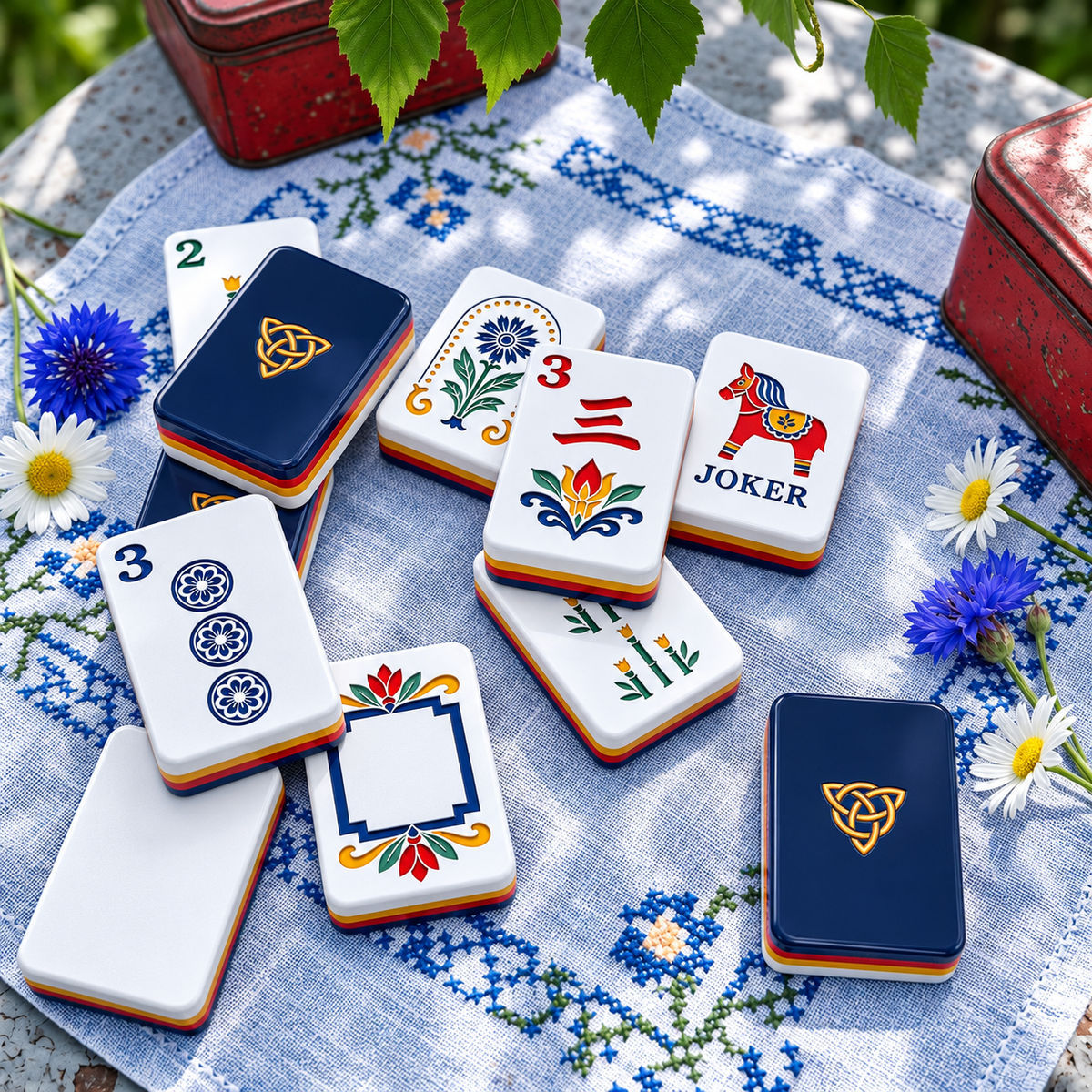
Taiwanese mahjong lessons online are offered by community instructors, cultural organizations, and private tutors via Zoom or video platforms; most charge per session or offer package rates (ask instructors directly for fees). The game uses 144 tiles (not 152 like American mahjong), no jokers, and hand-drawn combinations called chows (sequences like 1-2-3), pungs (three identical), and kongs (four identical)—all very different from American rules. Lessons typically run 60–90 minutes and cover tile recognition, hand patterns, the four-tile draw and discard cycle, and winning conditions like "all chows," "mixed terminals and honors," or specific scoring combinations. Beginner courses take 4–8 weeks to grasp core rules; intermediate play (strategy and speed) needs 10–20 hours. Look for instructors in your city via community centers, cultural meetup boards, or Asian community organizations; many post schedules on local websites. We recommend pairing online lessons with a Taiwanese-style 144-tile set so you can practice during breaks and build finger familiarity with the real tiles. --- 🀄 Shop best-selling mahjong sets →
How is Taiwanese mahjong different from American mahjong?
American mahjong uses 152 tiles and a yearly card listing legal hand combinations; Taiwanese uses 144 tiles, no jokers, and hand-drawn sequences called chows (1-2-3, 4-5-6, etc.) plus pungs and kongs. In American mahjong, you expose melds (three or more identical tiles) and play from a fixed card; Taiwanese players build from any combination they can form, and sequences are concealed until winning. Taiwanese also includes a discard pile visible to all and faster gameplay. The two games are so structurally different that learning one does not transfer to the other—study the rule set your instructor teaches.

Where can you find real Taiwanese mahjong instructors online?
Search community centers, libraries, and cultural organization websites in your city for "Taiwanese mahjong" or "mahjong lessons"; many cities with significant Taiwanese or Chinese populations host Zoom classes. Meetup boards, Facebook groups focused on Taiwanese culture, and local Asian community centers often list instructors and schedules. Ask your instructor about their background—native speakers and players trained in Taiwan typically teach authentic rules and strategy, not simplified or Westernized versions. Direct messaging groups and Discord servers for East Asian board game enthusiasts sometimes connect learners with available tutors. Many instructors require a 144-tile Taiwanese set for your practice setup; confirm before enrolling so you can prepare the right equipment.
What should a beginner Taiwanese mahjong course cover?
A solid 4–8 week beginner course teaches tile names and suits, the draw-and-discard sequence, hand-ending combinations (like all sequences, mixed terminals, or single-suit hands), scoring basics, and turn-taking rules. Week 1–2 usually covers tile recognition and basic hand structure; weeks 3–4 introduce winning conditions and forbidden hands; weeks 5–6 drill speed and discarding strategy; weeks 7–8 add scoring nuances and live practice rounds. Good instructors also teach how to read opponents' discards and predict what they're building. Ask prospective teachers whether they cover live-game scenarios, hand rhythm, and the cultural etiquette around the tile draw (many Taiwanese players treat the draw ritually). A course that only lectures rules without supervised play rounds is often less effective than one mixing video instruction with small-group games.
What equipment do you need to practice Taiwanese mahjong online?
You need a 144-tile Taiwanese mahjong set with four suits (Bamboo, Character, Dot, and Honors including winds and dragons), ideally with clear tile markings so you can identify them quickly on camera during lessons. A soft mat (about 2–3 feet square) helps tiles slide smoothly and protects them and your table. Bamboo or wooden racks keep tiles organized and hidden from opponents during play; acrylic or modern materials work fine for casual practice. A quiet space and good lighting so your instructor can see your tiles clearly during video calls are essential. Many online learners also keep a notebook to sketch tile sequences and hand patterns between lessons—handwriting reinforces memory better than reading alone. We recommend starting with best-selling acrylic or traditional sets that ship with a mat and basic storage so your setup is complete from day one.
🎁 See our most-loved mahjong sets & accessories →

How long does it take to play Taiwanese mahjong fluently?
Beginners grasp core rules and can complete a game in 4–6 weeks of 2–3 hour weekly lessons plus daily practice. Fluent play—understanding hand probability, reading discards strategically, and winning consistently—usually requires 10–20 additional hours of supervised games and self-directed play. Speed play (completing a game in 20–30 minutes like experienced players) takes months of practice after fluency. Many online instructors recommend playing one full game per lesson for weeks 6+ rather than drilling rules, since live play teaches rhythm and decision-making faster than lectures. Taiwanese mahjong has a lower skill floor than American mahjong (you can learn the basics faster) but similar mastery ceiling; most casual players enjoy social games after 2–3 months of regular study.
Learning Stage | Time Frame | What You Learn | Practice Method |
Rule foundations | 2–4 weeks | Tile names, hand structures, winning conditions | Video lessons + solo tile practice |
Fluent play | 4–8 weeks additional | Strategy, discarding patterns, opponent reads | Supervised 1v1 or group games |
Social competence | 10–12 weeks total | Speed, rhythm, cultural etiquette, consistency | Regular peer games + coached sessions |
Competitive skill | 20+ weeks | Probability calculation, advanced tactics | Tournament-style play with ranking |
What online platforms host Taiwanese mahjong communities?
Zoom and Google Meet host most 1-on-1 and small group lessons; instructors often send links via email or messaging apps. Facebook groups dedicated to Taiwanese culture or mahjong enthusiasts often advertise lessons and host informal games. Discord servers for board game communities sometimes have Taiwanese mahjong channels where players connect for casual online play (tiles are managed via screen-share or chat). WeChat, widely used by Taiwanese diaspora, connects learners to local instructor networks and regular game groups. Reddit communities like r/mahjong sometimes list online resources, though Taiwanese-specific groups are smaller than American mahjong forums. Start by searching "[Your City] + Taiwanese mahjong" on local meetup boards and community calendars; if no formal lessons appear, reach out to local Asian cultural centers and ask them to refer you to instructors they know.
What's the best way to practice between Taiwanese mahjong lessons?
Play at least one full game per week with other learners or an instructor outside lesson time; this builds muscle memory and decision-making speed. Solo practice—shuffling tiles, arranging them into sample hands, and verbalizing why each is winning or losing—helps you internalize hand patterns during 15–20 minute sessions several times weekly. Watch recorded games online (YouTube channels and Discord archives often showcase Taiwanese mahjong gameplay) with captions or explanations, noting discarding habits and hand-building sequences. Join a peer practice group (many online communities have weekly casual game times for learners) so you play with consistent opponents and track your improvement. Keep a hand journal: after each lesson game, sketch 2–3 hands you played, note what you did, and what you'd change—this reflection accelerates learning far more than passive replay.
✨ Find your Mahstead set — free US shipping →
Common mistakes beginners make in Taiwanese mahjong lessons
Confusing Taiwanese with American rules mid-game. Many learners who've played American mahjong expect jokers, fixed hand cards, and exposed melds. Taiwanese mahjong has none; rules are fixed but hand-drawing is free. Clarify with your instructor whether your course is only Taiwanese or mixed-variants.
Discarding too predictably. New players often discard the highest or lowest tile, or follow a fixed order. Experienced Taiwanese players read discard patterns instantly and deduce your hand. Ask instructors to drill strategic discarding (throwing unrelated suits, shifting discard order, baiting opponents).
Not learning the ritual pace. Taiwanese mahjong has a rhythmic draw-discard flow; rushing or stalling signals weakness. Watching live gameplay videos teaches you the natural tempo.
Neglecting tile audio cues. Experienced players identify tiles partly by sound (bamboo clicks differently than character tiles). Practice shuffling your set during breaks so the sound becomes familiar.
Skipping score sheets. Early lessons often skip scoring details, but without understanding point values, you won't know which wins are worth competing for. Ask your instructor for a written scoring chart and drill 3–5 hand examples weekly.
What to check before you buy a Taiwanese mahjong set for online lessons
Tile count: Must be 144 tiles exactly (1–9 in four suits + seven Honors tiles × four copies each, no blanks or jokers).
Markings clarity: Characters and numbers should be large and visible on camera so your instructor can verify your hands during video lessons.
Material: Acrylic or resin tiles are durable and slide well on mats; bamboo and bone are traditional but chip more easily.
Included storage: Comes with a soft bag or case so tiles don't scatter during shipping or storage.
Mat and rack: Ideally bundled so you have everything needed to set up immediately.
Shipping: Confirm free US shipping and that the set arrives within your lesson start date.
Mahstead offers acrylic 160-tile sets (144 playing tiles plus spares) with mats and racks, designed for durability during video lessons and storage between practice sessions.

FAQ
Can I learn Taiwanese mahjong without a physical set, only watching online?
Watching teaches rules, but handling real tiles during lessons builds the muscle memory and speed that fluent players need. Most instructors ask you to have a set by week 3–4 so you can play supervised games; practicing theory-only often leads to slow, clumsy play when you finally touch tiles.
How much does a typical online Taiwanese mahjong lesson cost?
Ask instructors directly—pricing varies widely by experience, group size, and lesson length. Community centers often charge less than private tutors; package deals (e.g., 8 weekly lessons) usually offer better value than pay-per-class.
Is Taiwanese mahjong easier to learn than American mahjong?
Taiwanese rules are simpler and less card-dependent, so beginners grasp basics faster—often 3–4 weeks versus 6–8 weeks for American mahjong. However, Taiwanese strategy (reading opponents and predicting hands) is equally deep, so total mastery time is comparable.
Do I need to speak Taiwanese or Mandarin to take online lessons?
Many instructors in the US teach in English and use tile visuals, so language is less of a barrier than it was decades ago. If possible, study tile names in Mandarin or Taiwanese during your first lesson to speed learning; your instructor will appreciate it and can correct pronunciation.
Can I play Taiwanese mahjong online with video, or do I need special software?
Zoom or Meet with screen-shared tiles works for casual lessons and practice games. Dedicated online platforms (ask your community groups) offer tile-drawing algorithms and automated scoring, but they're less common than American mahjong apps and may require a learning curve.
What's the difference between Taiwanese, Hong Kong, and Chinese mahjong?
All three use 144 tiles and hand-drawn sequences, but scoring, winning combinations, and rhythm differ. Taiwanese mahjong is faster and simpler than Hong Kong; Chinese mahjong (especially regional variants) can be more complex. Choose one, master it, then explore others if you enjoy the game.


View More
View More
View More
