
Pool Mahjong Tablescape: Design a Stunning Game Setup
Last updated: Nov 23, 2026
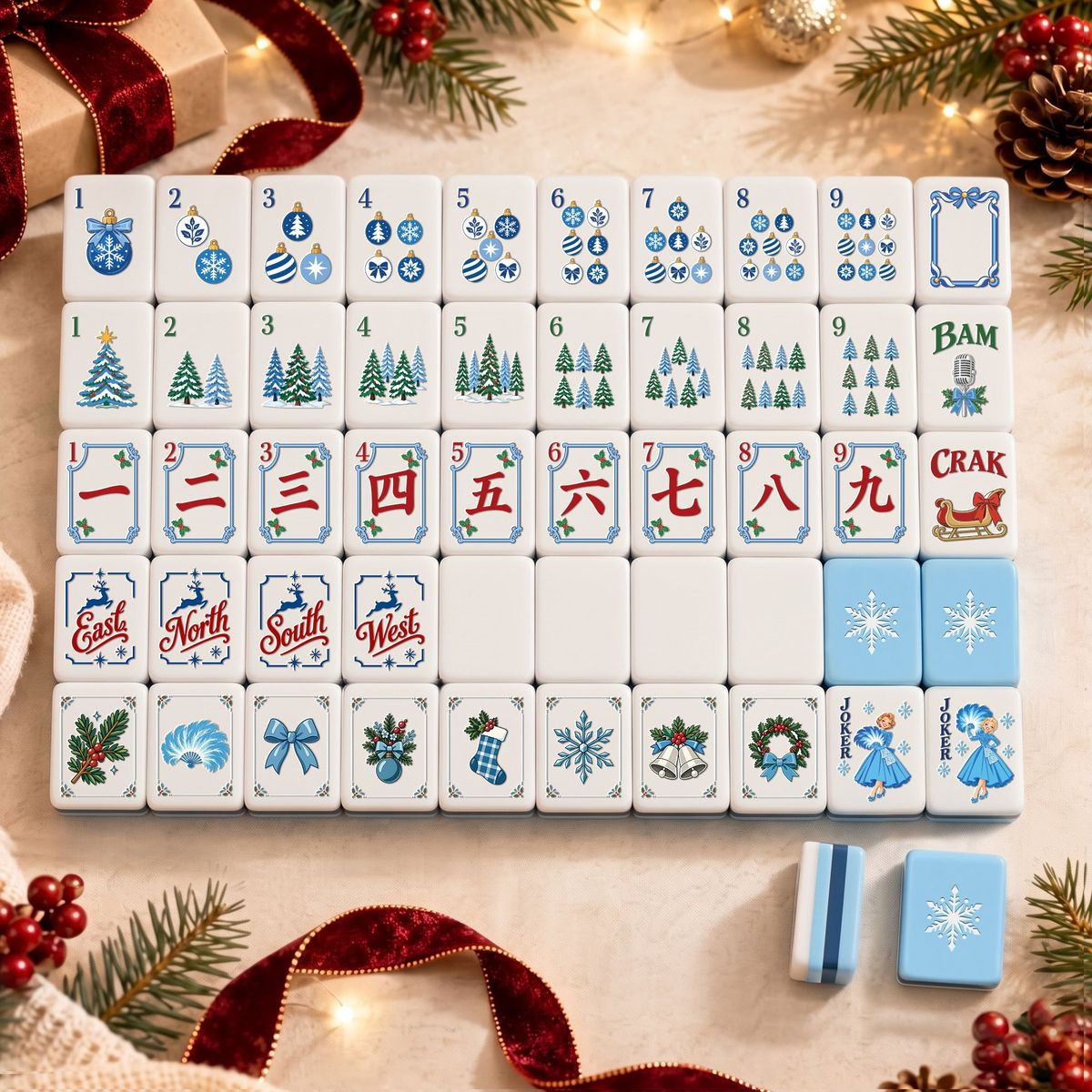
A pool mahjong tablescape is an outdoor or semi-outdoor seating arrangement built around American mahjong—tiles, a mat, racks, dice, and refreshments arranged for four players. The setup includes a centerpiece mat (typically 36–48 inches square) on a stable table, best-selling mahjong sets with acrylic tiles (more durable than bone in humidity), individual racks with pushers, a shade structure or umbrella to protect tiles from sun glare, and casual seating. Acrylic 160-tile sets from Mahstead are ideal because acrylic resists fading and moisture far better than bamboo or bone. Avoid cheap plastic mats that stick in heat; invest in a rubberized mat with clear lane markers. Cost varies by set quality and extras, but a full starter setup runs from modest to mid-range. The biggest mistake: placing tiles or the card in direct sunlight, which fades both and makes play frustrating.
Why acrylic tiles outperform bone and bamboo poolside?
Acrylic tiles don't absorb moisture, won't swell or warp in humidity, and resist UV fading far longer than bone or bamboo. When we play outdoors near chlorine or salt water, bone cracks within seasons; bamboo dries and splits. Acrylic tiles keep their hand-feel and color for years, even with condensation on the mat. Mahstead's engraved American mahjong sets use acrylic, making them the go-to for poolside games.

What mat thickness and material keeps tiles visible in sunlight?
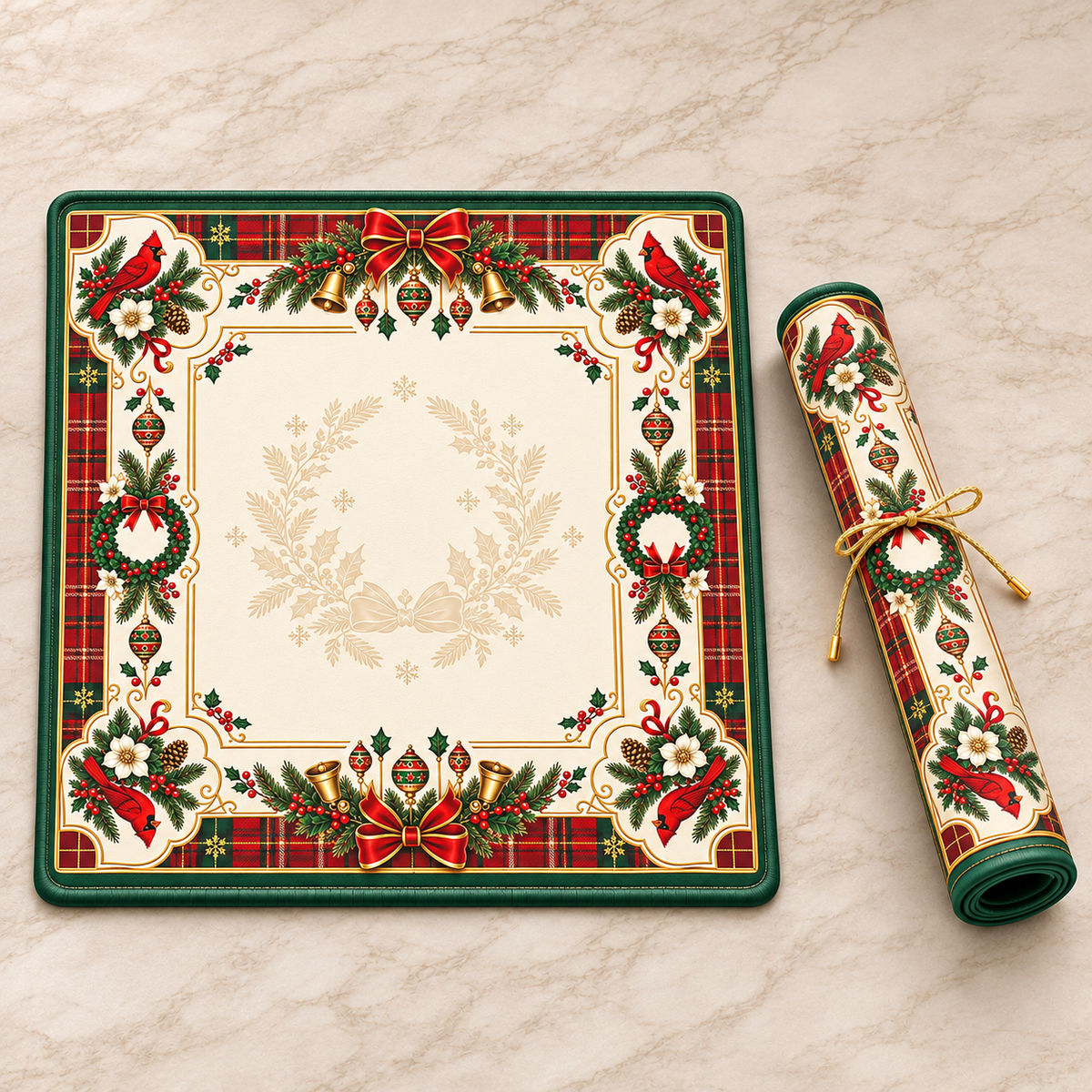
A rubberized or felt-backed mat (typically ⅛–¼ inch thick) reduces glare better than thin vinyl. Matte-finish mats absorb light instead of reflecting it, and slightly raised edges guide tiles toward the center during shuffles. Look for mats with printed lane markers (North, East, South, West) in contrasting ink so you can read positions even at an angle. Learn how to choose a mahjong mat for more detail on outdoor vs. indoor needs.
How do you organize a pool table layout for four players?
Seat players at the four cardinal points around the mat—North, East, South, West—with each player's rack and pusher placed at their corner. Leave the mat's center clear for the wall (the 152 undealt tiles in rows of two) and the dealt hand rows. Provide a small side table for the year's mahjong card, dice, score sheets, and drinks. Ensure shade covers the card and mat but allows airflow to prevent moisture pooling underneath. Each player needs arm space to draw and discard tiles; 4–5 feet per side is comfortable.
Element | Why it matters poolside | Material | Durability |
Tile set | Core game piece | Acrylic | 5+ years with care |
Mat | Tile bed, lane guides | Rubberized felt | 3–5 years, UV-resistant finish required |
Racks with pushers | Tile organization, hand display | Wood or plastic | 5+ years, wood preferred for grip |
Umbrella or canopy | Sun & glare control | UV-blocking fabric | 2–3 seasons before fading |
Score pad | Record wins | Waterproof paper or laminate | Single season, keep backup dry |
Dice | Wall draw | Acrylic or resin | Indefinite, non-absorbent |
What shade setup prevents both glare and tile warping?
A cantilever umbrella (8–10 feet) angled to shade the mat and players without blocking breezes works best. Avoid tight tent setups that trap heat underneath; warm, still air accelerates mat degradation and makes tiles slippery. A pergola with shade cloth or a market umbrella secured to the table frame strikes the balance. Position the shade so the mat stays in shadow but players can see their own racks clearly; this requires about 70% coverage. Explore mahjong mats designed for semi-outdoor use, which often feature sun-protective coatings.

How do you handle wind, moisture, and salt air near pools?
Secure the mat with corner clips or weights if wind gusts occur; loose tiles scatter fast. After each game, wipe down tiles with a soft, dry cloth to remove chlorine spray and salt deposits. Store tiles and the card indoors in a cool, dry space (not a damp garage). If humidity is extreme, consider a dehumidifier in your storage area. Never leave tiles on the mat overnight or exposed to dew; moisture under the mat causes mold and warping. Rinse your hands before play so sweat and sunscreen don't transfer to tiles.
What beginner mistakes ruin an outdoor mahjong night?
Mistake 1: Buying a cheap plastic mat that becomes sticky in heat and won't let tiles slide. Mistake 2: Leaving the NMJL card in direct sun, where the ink fades and you can't read hands. Mistake 3: Forgetting shade entirely and playing under glare; players squint, misread tiles, and make errors. Mistake 4: Overstuffing the table; players need 18–24 inches of arm space to draw and display tiles comfortably. Mistake 5: Using non-acrylic tiles and expecting them to survive humidity. Mistake 6: Not anchoring the wind direction; a breeze can scatter wall tiles. A simple checklist: acrylic tiles, rubberized mat, shade structure, corner clips, dry storage, and one backup card indoors. That combination prevents 90% of poolside game failures.
🀄 Shop best-selling mahjong sets →
What to check before you buy for poolside play?
Tile material: Confirm acrylic, not bone or bamboo.
Mat finish: Ask if it's UV-resistant and matte (not glossy).
Shade: Measure umbrella coverage against your table size.
Set completeness: Verify 160 tiles, 8 jokers, dice included.
Storage: Reserve a dry, temperature-stable space indoors for off-season.
Racks: Choose racks with pushers so players can lean tiles upright without dropping them.
A poolside mahjong tablescape transforms casual hosting into a polished, durable setup. The key is choosing weather-resistant materials—acrylic tiles, rubberized mats, solid racks—and protecting them from direct sun and moisture. We've learned that skimping on mat quality or ignoring shade leads to faded cards, slippery tiles, and frustrated players. Invest once in good equipment, store it properly off-season, and your setup will serve dozens of games.
🎁 See our most-loved mahjong sets & accessories →
FAQ
Can I use regular Chinese mahjong tiles poolside?
No. Chinese mahjong tiles are heavier, bone-based, and absorb moisture. American mahjong sets are lighter and acrylic, designed for humidity. Stick to acrylic American 160-tile sets for outdoor durability.
How do I prevent sun glare from making tiles hard to read?
Use a matte-finish mat (not glossy), provide shade that covers 70% of play area, and position the mat so afternoon sun hits from behind or to the side of players, not directly at the board.
What's the best table size for a pool mahjong setup?
A 36–48 inch square table fits four players comfortably with a standard mat and arm space. Bigger tables (54–60 inches) allow standing play and easier accessory placement; smaller tables feel cramped.
Should I buy a travel bag or leave the set poolside?
Always store indoors. A mahjong bag or case protects tiles from dust, moisture, and UV damage during off-season or between venues. Never leave an unprotected set outdoors overnight.
How often should I replace a mat after poolside use?
A quality rubberized mat lasts 3–5 seasons of regular outdoor play if stored dry indoors off-season. Check for stickiness, fading, or edge fraying. If the mat feels tacky in normal temperature, it's time to replace it.
Can I use a dining or pool table instead of buying a mahjong table?
Yes. Any sturdy, level 36–48 inch table works. Lay your mat on top. Avoid tables that tilt or wobble; shuffling tiles requires a rock-solid surface, or the wall collapses during play.


View More
View More
View More
