
Singapore Mahjong Strategy: Tile Management and Hand Building
Last updated: Nov 23, 2026
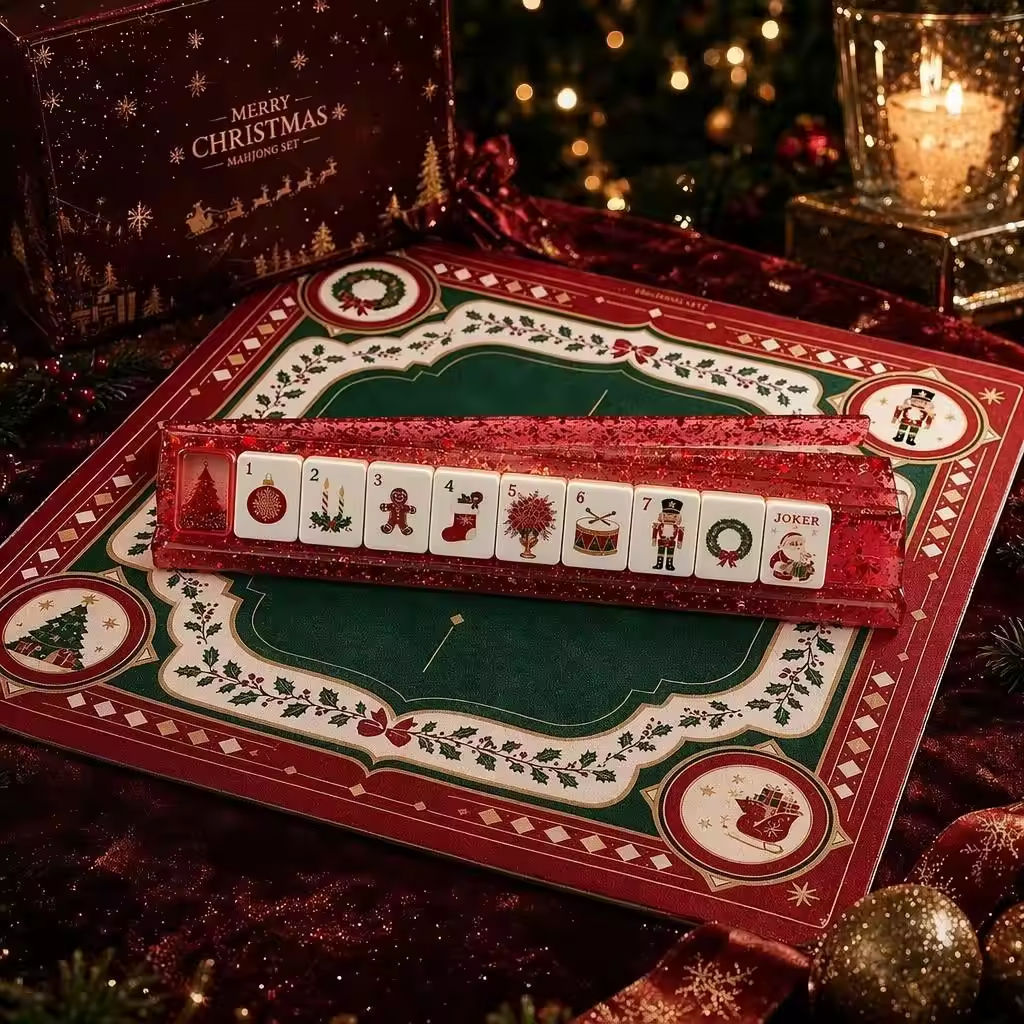
Singapore mahjong (also called Cantonese mahjong) wins through three interlocking strategies: tile memory—tracking what's been played and discarded to deduce opponents' holdings; discard safety—knowing which tiles are "dead" (already visible in winning hands, melds or the discard wall); and hand flexibility—building multiple paths to win (two or three different final patterns) until the last few draws. Unlike American mahjong, Singapore uses a 108-tile set (no winds, flowers or jokers) and allows chows (1-2-3 sequences) alongside pungs (triplets), meaning your melds are more fluid. You win by declaring a complete hand: either eyes (pair) plus four melds (pung, kong, chow), or a special pattern (all simples, all terminals, all honors). The average game lasts 15–20 minutes with eight rounds (East, South, West, North). Beginners often discard carelessly, helping opponents; experienced players minimize "useful" discard tiles—those that complete a likely win. Track what's been thrown and adjust your retention ruthlessly.
Singapore mahjong differs fundamentally from American mahjong in both tile set and winning logic. Where American games lock hands to one annual card pattern, Singapore rewards tactical reading and rapid adaptation. We've learned that table wins depend less on luck and more on three practices: knowing which tiles are safe, building redundancy into your hand, and reading the wall to predict what your opponents need.
Why does discard safety matter more than hand completion speed?
In Singapore mahjong, discarding the wrong tile often costs the game before you finish your own. Every discard is intelligence—when you throw a tile, opponents study it. If that tile completes a waiting hand, you pay out immediately or lose the pot. Safe discards are tiles already visible in melds on the table, tiles that complete finished hands (so no one is waiting on them), or suits/ranks that appeared in the discard wall earlier in the round. Unsafe discards are orphans—tiles you drew late that might complete a hand someone's been building all round. The winning player typically throws three to four genuinely safe tiles before committing to risky ones. This defensive layer prevents bad luck from erasing a lead.

How do you build hand flexibility when you only draw once per turn?
Hand flexibility in Singapore mahjong means holding options that lead to two or three different winning patterns. For example, holding 1-2-3 Bamboo, 5-5 Bamboo, and two honor tiles gives you: a chow (1-2-3), a pair (5-5), and potential honor combinations depending on what you draw. You delay committing to one path until the draw pool narrows. On your eighth or ninth draw, when fewer tiles remain, your remaining options reveal which final melds are realistic. This forces you to sacrifice early—throw unconnected honors, or break a potential chow if it hasn't strengthened—rather than hoping a single dream tile appears. Tables with four players and a roughly 60-tile draw per hand mean you get maybe 13–15 new tiles; you cannot afford a hand that needs one specific tile to progress.
What does tile memory actually teach you about opponents' discard patterns?
Tracking the discard wall in Singapore mahjong is a discipline: after 25–30 tiles hit the discard wall, you've seen roughly one-third of the deck. Notice which ranks and suits cluster in certain players' discards—conservative players discard high honor tiles early; aggressive players hold them. If Player A discarded two 5 Craks in turns 5 and 12, a 5 Crack on turn 20 is probably safe because Player A isn't waiting on that rank. Conversely, if Player B has not discarded any bamboo after 15 turns, bamboo is either in melds on the table or in Player B's hand. When Player B draws next and then discards a 3 Bamboo (something they haven't thrown), they're likely breaking a hand formation—a signal that the draw pool shifted their plans. Experienced players annotate this mentally: which suits Player B fears, which Player C is building. This inference cuts false discard safety risks by roughly half.
Can you play defensively without sacrificing your own winning chances?
Yes, but it requires knowing when to switch modes. Early rounds (turns 1–5) allow you to build freely because few wins are complete and table information is sparse. Middle rounds (turns 6–12) demand mixed play: build your best pattern, but discard tiles that would complete obvious wins if opponents held them. Late rounds (turns 13 onward, or when the wall shrinks below 10 tiles) shift fully defensive—discard only verifiable safe tiles, accept a loss rather than feed a likely winner. The shift point depends on table speed: a fast table (many kongs or quick melds) tightens safety earlier; a slow table lets you play longer. Winners mentally reset after each hand: they don't get stubborn about "my three tile groups" when the table tells them someone else is closer to winning.

How do hand rankings and point calculations influence discard strategy?
In Singapore mahjong, a simple hand (no honors, no terminals, only pung/chow melds) pays low points; an all-honor or all-terminal hand pays multiples. This asymmetry changes your discard order. If your hand is one tile from an all-honor win (worth 3 or 4× payout), you discard lower-value tiles to protect it, even if a simple pung-chow hand seems safer. If an opponent appears close to an all-terminal win, you avoid throwing terminals ruthlessly. Beginners often calculate points after winning; skilled players calculate them before deciding which hand to pursue. A hand worth 4 points in three more turns beats a hand worth 2 points in two turns because the second hand is easier for opponents to disrupt. Point sensitivity also explains why some tables discard high honors late—they're worth little in simple hands, so losing a game where you held them is a smaller hit.
Strategy | When to Use | Win Rate Lift | Common Mistake |
Tile memory (tracking discard wall) | Middle and late rounds | +15–20% safer discards | Forgetting who threw what; mixing up suit clusters |
Hand flexibility (two+ finish paths) | Early and middle rounds | +10–15% adaptability | Over-committing to one meld too early |
Discard safety (dead tile math) | All rounds, especially late | +20–25% reduced payout losses | Assuming "safe" without verifying table melds |
Point-aware building | After hand 2–3 when patterns clear | +8–12% ROI per hand | Chasing low-value hands when high-value options exist |
Defensive switching (shift by round phase) | Turn 12+ or under 10 tiles | +12–18% table position hold | Staying aggressive when pool shrinks and info grows |
🀄 Shop best-selling mahjong sets →
Where does American mahjong fit if you're learning Singapore rules?
American mahjong and Singapore mahjong are separate ecosystems. American uses a fixed card (updated yearly by the National Mah Jongg League), allowing no chows, no honor melds alone, and standardizing all hands—this is excellent for rule consistency and beginner transparency, but it removes the read-and-adapt layer that defines Singapore. If you're playing Singapore mahjong in a Western context, you're likely learning from Cantonese or Hong Kong sources, not American NMJL cards. However, many Western players learn American first for its structure, then branch into Singapore's open-meld, chow-heavy variant. The tile management and discard discipline you build in American (learning which tiles are jokers, tracking melds) transfer directly. Consider American mahjong the "grammar school" foundation; Singapore is the graduate seminar. Both reward memory and pattern recognition; Singapore adds real-time improvisation.
What should you check before adopting Singapore strategy at a new table?
Before sitting down at a Singapore game, clarify four rules with the table: (1) Winning hands—do they allow all-simples, all-terminals, all-honors, or limit to standard pung-chow combinations? (2) Scoring table—are melds multiplied (honor + pung = 2× base), or flat? (3) House rules on kongs—do you draw a bonus tile or pass? (4) Discard wall protocol—do players arrange discards in neat rows (easier to read) or pile them loosely (harder but faster)? These four points alter strategy dramatically. A table that allows only simple hands needs you to ditch honor tiles faster; a table with aggressive kong culture means the draw pool shrinks quicker, tightening your safety window. A house that arranges discards in visual rows rewards tile memory study more than one where you strain to recall. Ask before your first discard.
🎁 See our most-loved mahjong sets & accessories →
What to check before you buy gear for Singapore mahjong play
If you're hosting regular Singapore games or joining a club, a quality set and mat upgrade your experience. A standard 108-tile set (Bamboo, Character, Dot suits; honor tiles; no jokers or flowers) is all you need for rule-compliant play. For casual home games, our best-selling mahjong sets include options designed for durability during frequent plays—acrylic tiles resist staining and hold up through hundreds of shuffles. If you track the discard wall intently, a lined mahjong mat with clear zones helps you organize discards into neat rows, making tile memory study faster and less error-prone. A rack with pushers steadies your hand melds and speeds concealment, reducing "accidental reveals" that leak information. For weekly home-hosted games, a padded bag or case protects your set from shuffling wear and keeps tiles organized.
✨ Find your Mahstead set — free US shipping →

FAQ
Is Singapore mahjong harder than American mahjong?
Different, not harder. American mahjong locks strategy to an annual card; you memorize patterns and read the card mid-game. Singapore requires live tile tracking and real-time hand re-evaluation. If you love memorization, American is easier; if you prefer on-table reads, Singapore is more intuitive. Both demand focus.
How many hands does a full Singapore mahjong session take?
Typically eight rounds (one per compass position). At 15–20 minutes per round, expect two to two-and-a-half hours for a complete session. Fast tables finish sooner; tables with long deliberations or multiple kongs stretch longer.
What tiles should I discard first in a new Singapore game?
Discard orphan honor tiles (isolated Winds or Dragons with no companions in your hand) first, then high-number simples (8s and 9s) that rarely form chows. Keep low and mid-rank consecutive tiles (1-2-3, 4-5-6 shapes) longer because they form chows and cover more ranges.
Can you win a Singapore game on your first draw as East player?
No. Most tables require a minimum of four melds plus a pair (13 tiles) plus the draw, so you cannot win on tile 14. Some house rules allow a "heavenly win" if East's initial 14 tiles already form a hand, but this is rare. Confirm with your table.
How do I know if a discard is truly safe or a bluff?
No discard is 100% safe. A tile is likely safe if it appeared in the discard wall earlier, is part of a finished meld on the table, or completes a hand (no one is waiting on it). Cross-check: has the table seen this rank/suit recently? If yes, and no player is building heavily in that suit, it's safer. When in doubt late-round, throw it anyway—a sure loss beats a maybe loss.
Does hand rank (simple vs. all-honor) matter more than speed to win?
Both matter equally, but context decides priority. If you're 3–4 tiles from a high-value hand and opponents are 6+ tiles away, pursue the high-value. If you're 5 tiles away from a simple hand and an opponent is 2 tiles away, discard aggressively to defend. Speed matters when the gap narrows; rank matters when gaps are even.


View More
View More
View More
