
Mahjong Party Ideas in Fort Worth: Host Your First Game Night
Last updated: Nov 23, 2026
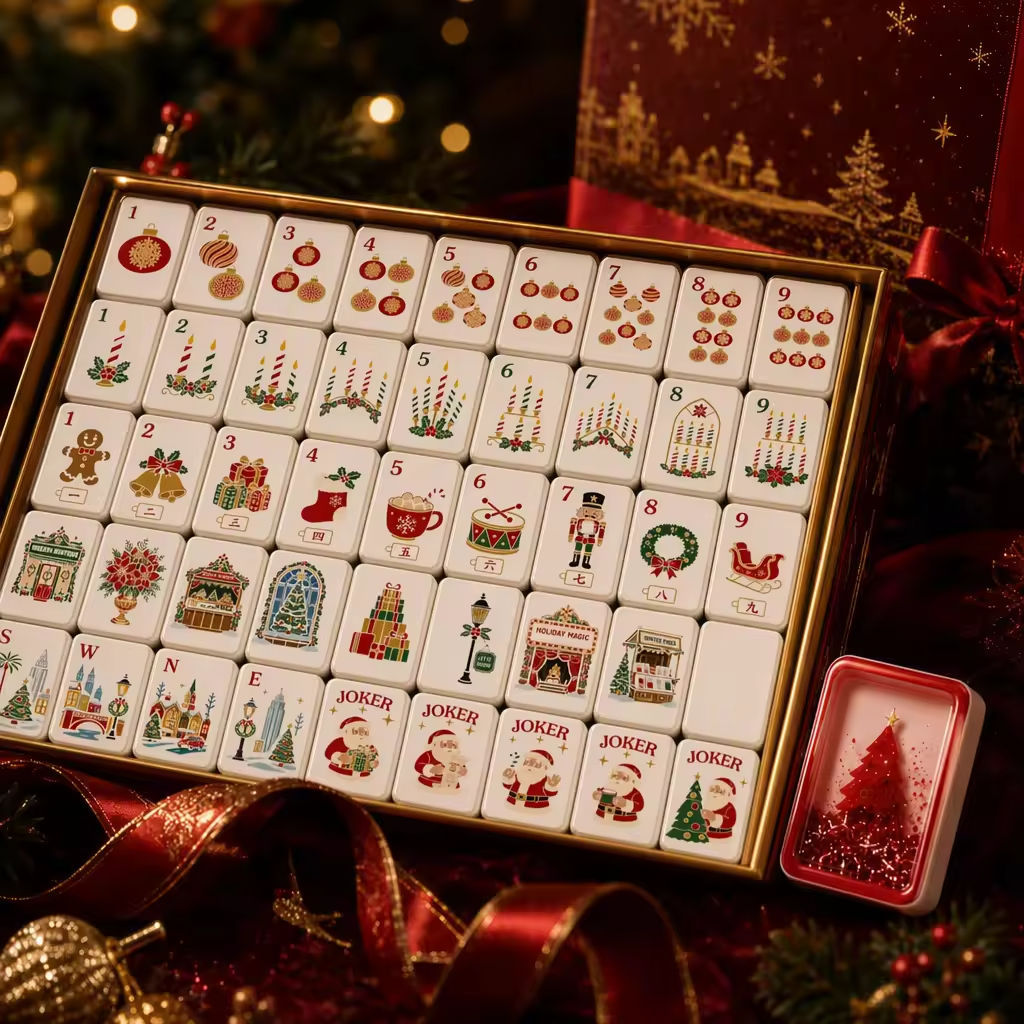
Hosting a mahjong party in Fort Worth means securing a level playing surface (a dining table, a dedicated mahjong mat, or an acrylic-top card table), four players, one standard 152-tile American mahjong set with jokers, the current year's National Mah Jongg League card, pen and paper for scoring, and light snacks. Plan for 2–4 hours; a new group needs 30 minutes to learn the Charleston (tile-passing ritual) and hand-reading basics, then 6–8 hands of actual play. Avoid common mistakes: don't force non-players to learn mid-game, don't skip the Charleston, and don't use house rules unless all four players agree beforehand. Mahstead offers durable acrylic sets with custom engraving and mats perfect for regular groups, with free shipping across the US.
Where can Fort Worth players find space and people?
Fort Worth has strong community gathering infrastructure. Check community centers in your neighborhood (Parks and Recreation departments run bulletin boards online and in-person), public libraries (many offer game nights or host clubs), and country clubs or senior living centers if you're connected. Synagogues, churches, and civic centers sometimes host or advertise regular game groups. Meetup boards and Facebook groups for "Fort Worth games" or "North Texas board games" often list mahjong players; search directly rather than expecting a specific club name—local groups form and shift. Hosting at your own home eliminates venue fees and gives you full control over table setup and timing.

What's the bare minimum equipment for a first party?
You need one American mahjong set (152 tiles plus jokers), a flat, level table at least 3 feet square, the current year's National Mah Jongg League card, four chairs, scorecards, a pen, and optional but helpful: a dedicated mahjong mat to protect tiles and define play zones, and racks with pushers so hands stay organized and players don't show tiles by accident. A mahjong mat costs far less than resurfacing a scratched table and dampens noise—both matter for repeat games. Beginners often stack tiles by hand; racks eliminate fumbles, dropped tiles, and disputes over which tile was drawn. Many groups graduate to racks within three games once they see how much cleaner play becomes.
🀄 Shop best-selling mahjong sets →
How do you teach new players without killing the vibe?
Teach the Charleston (tile-passing ritual) before anyone sits, using a deck of cards or a spare tile set if you have one—demonstration takes 5 minutes and prevents chaos. Walk through one completed hand at half-speed: show how to read the National Mah Jongg League card, identify a legal hand pattern, explain pungs (three identical tiles), kongs (four), and joker rules. Then play a "practice round" where everyone plays openly (no secrets) and you stop to explain each call. New players learn fastest by doing, not watching. Keep the first real game relaxed: no formal scoring for the first two hands, just play for fun and pause whenever someone asks "Is this legal?" Once the rhythm clicks (usually by hand three), tighten rules and keep score. Never rush a learner's turn; let them read their tiles and the card without pressure.
What snacks and timing work best for a four-hour session?
Serve food before or after games, not during—wet hands and tiles don't mix. Light bites (chips, nuts, cheese, cut fruit) and water, coffee, or tea keep energy steady. A typical four-hour party runs: 30 minutes setup and learning, 10 minutes first Charleston and deal, 45 minutes for hands 1–3, 15-minute break (stretch, refill, chat), 90 minutes for hands 4–8, 10-minute wind-down and final score tally. Experienced players play faster; beginners need 8–12 minutes per hand early on. Stop play if someone taps out—mahjong demands focus, and tired players make rule disputes. Schedule your party for a weeknight or weekend morning when players are fresh; evening slots after work can feel rushed.

What makes a set and mat combo actually last through regular play?
Choose a set with acrylic tiles, not bamboo or bone, if you expect weekly games—acrylics resist dings, humidity, and staining far better, and they're easier to stack and read. Best-selling tile sets sold by Mahstead are 160-tile acrylic American sets; the extra tiles are spares that never enter play but replace any you lose or damage. A mat protects both your table and the tiles and signals to guests that this is a dedicated game space. Pair a mat with racks and pushers for the full professional touch—Fort Worth groups that commit to weekly games almost always upgrade to these within a month because they eliminate the single biggest source of conflict: "Did I draw that tile or was it already exposed?"
Decision Framework: Should You Host Weekly or Monthly?
Frequency | Setup Time | Player Retention | Tile Wear | Skill Gain | Best For |
Weekly | 15 min (routine) | High (habit forms) | Faster (spares needed) | Rapid (4 weeks = solid) | Committed groups, mixed skill |
Biweekly | 20 min (less rust) | Moderate | Slow | Steady | Casual friends, flexible schedules |
Monthly | 30 min (refresher) | Low (gaps widen) | Slow | Slow | Seasonal or one-off events |
Weekly play locks in a time slot, builds muscle memory for the Charleston and card-reading, and keeps new players from losing confidence during long gaps. Monthly parties feel like special events but require heavier teaching each time.
How do you score and keep disputes from derailing the night?
Use the current year's National Mah Jongg League card as your single source of truth—print a copy and tape it to the table so anyone can reference it instantly. Assign one player to track score on paper (rotate roles each game so one person doesn't bear all pressure). When someone claims a winning hand, have a second player verify it against the card before paying out. If two players dispute whether a tile was drawn or exposed, the rule is: if it was exposed (on the table and named), it cannot be "undrawn"—once called, it's locked. For first-time groups, skip complex penalty scoring and just pay out winners equally from a shared pot or use chips. Disputes vanish when everyone agrees that the National Mah Jongg League card is final and no house rule overrides it.
🎁 See our most-loved mahjong sets & accessories →
What to check before you buy a new set and mat
Tiles are acrylic, not bamboo, if you'll play weekly (no warping, no staining risk).
Verify it's a 152-tile American set with jokers—never a 144-tile Chinese or Hong Kong set (different rules entirely).
The mat is padded and non-slip so tiles don't slide during hand-building.
Racks have pushers attached—pushers let you nudge tiles forward as you discard, keeping your hand private.
The set includes the National Mah Jongg League card or you have printed a current-year copy (card changes every spring; last year's card won't match this year's legal hands).
Count tiles before opening if buying new—if a set arrives damaged, report it right away so Mahstead can help.
Read how to choose a mahjong mat for detailed guidance on padding, size, and portability.
Most Fort Worth groups start with a one-time party, then commit to weekly or biweekly slots once they catch the bug. The difference between "we tried mahjong once" and "we're a real group" is almost always a dedicated set and mat—they cost far less than hosting dinner out, and they signal that you're serious. Shop Mahstead's best-selling mahjong sets to get started; free US shipping means you're ready to host by your preferred date.
For deeper rules and strategy, start with how to play American mahjong and mahjong for beginners.
✨ Find your Mahstead set — free US shipping →

FAQ
Can I host mahjong with fewer than four players in Fort Worth?
Yes—American mahjong has official 2- and 3-player variants with modified rules and hand requirements. Learn the adaptations first or stick to traditional four-player if your group is new; switching rule sets mid-session causes confusion.
Do I really need a mat, or will my dining table work?
A bare table works temporarily, but tiles scratch easily and slide during play—especially if the surface is slightly sloped or waxed. A mat costs less than repairing or replacing a table and lasts years with weekly play.
What if a guest has never played before?
Teach them the Charleston and one or two simple hand patterns before play starts, then assign an experienced player as their "buddy" for the first two hands. Don't pair two complete beginners at the same table; they'll both lose confidence.
How often should a group replace tiles?
With weekly play on a mat using racks, tiles last 2–3 years before heavy chipping appears. The spare tiles in a 160-tile set let you swap damaged ones; if you're playing that often, buy a second set for backup.
Where can I find other Fort Worth players if my friends aren't interested?
Search Meetup, Facebook groups ("Fort Worth games," "North Texas mahjong"), community center bulletin boards, library game nights, and synagogue or church event listings. Many groups host open houses monthly—attend one before committing.
What's the difference between American and Chinese mahjong rules?
American mahjong uses a card with legal hands that change yearly; sequences (chows) are never called or exposed; jokers are wild. Chinese mahjong uses no card, allows sequences and melded hands, and has no jokers. Learn American first if you're in Fort Worth—it's far more common in the US.


View More
View More
View More
