
Mahjong Pushers for Travel: What to Pack, How to Choose
Last updated: Nov 23, 2026
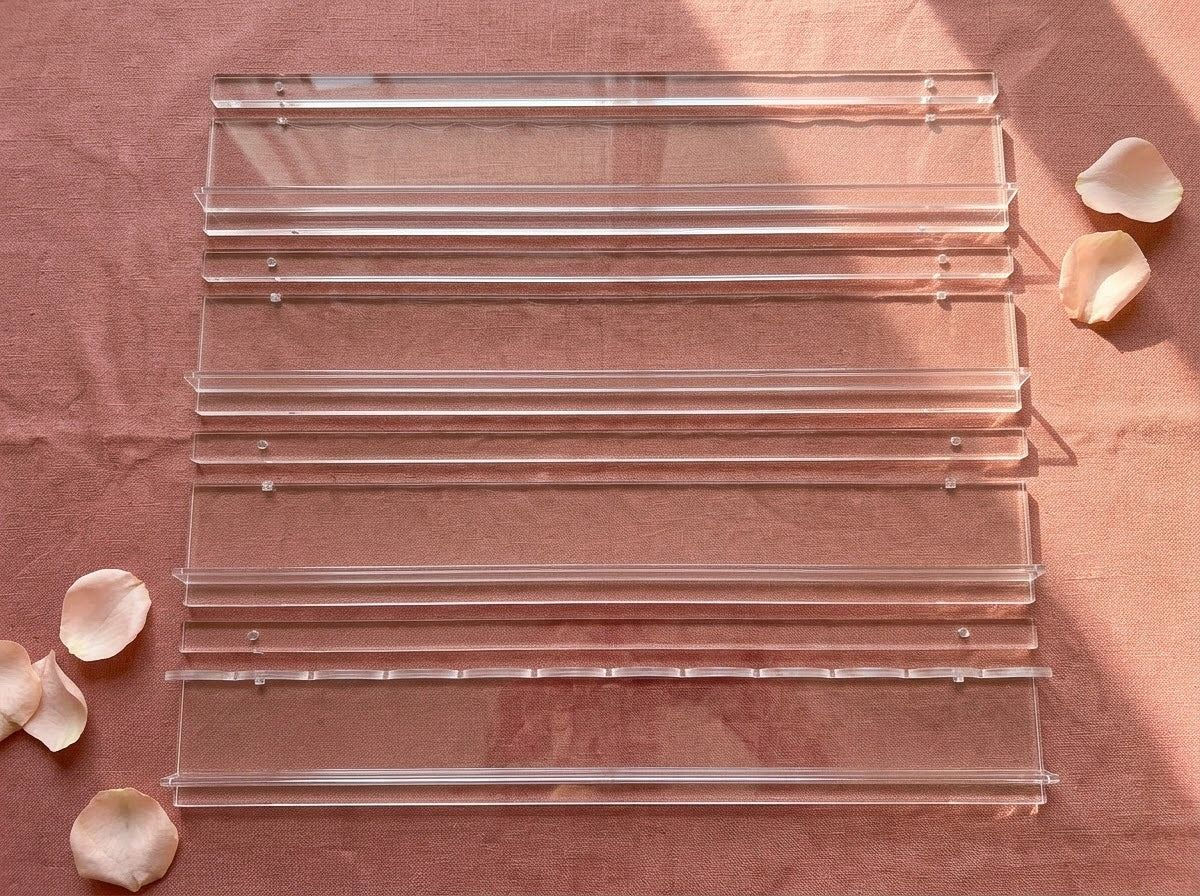
Mahjong pushers are handheld tools that organize and display your tiles in a neat wall, letting you manage 13 or 14 tiles during play without fumbling. For travel, you need pushers that pack flat or compress without cracking, fit your luggage alongside your tiles and mat, and survive repeated shuffling. Most American players pair pushers with a travel bag designed to hold a 160-tile set plus accessories; the bag often determines which pusher dimensions work best. Rigid pushers are durable but bulky; flexible or segmented pushers save space. Quality pushers from Mahstead come with matching mahjong racks sized to fit tile sets. Cost varies by material and durability. The key is measuring your bag depth before ordering so your pushers, tiles, mat, and personal items all close without stress—a step most travelers skip and later regret.
What's the actual difference between rigid and flexible travel pushers?
Rigid pushers are one-piece plastic or bamboo frames that hold tiles upright in a fixed arch. They're durable, easy to clean, and resist warping, but they occupy fixed space in your luggage and don't compress if you need to fit extra items. Flexible pushers use connected segments or bendable material, allowing you to fold or curve them to fit irregular bag shapes and tighter packing scenarios. The trade-off: repeated flexing can loosen joints or crack the material if cheap, and you'll spend five seconds adjusting after unpacking. For weekend trips, rigid works fine if your bag has room; for frequent travel or tight luggage, flexible saves space. Both types push tiles equally well during play—the difference is storage footprint and durability over years of packing and unpacking.

How do you know your pusher will actually fit in your travel bag?
Measure the interior width and depth of your bag first—not the opening, but the usable floor space once your folded mat sits inside. Most American mahjong mats fold to roughly 14–16 inches wide; add the thickness of a tile set (usually 4–5 inches stacked), then see what headroom remains. Your pushers need to lie flat or stand upright in that gap without forcing the bag to strain or prevent zipping. Bring a tape measure when shopping, or take photos of your open bag with dimensions written on paper inside. When you order from Mahstead, note the pusher dimensions on the product page so you can verify fit before checkout. A common mistake: buyers assume "travel-sized" means it fits any bag—it doesn't. One extra inch and you'll have to leave the pushers home or ship them separately.
🀄 Shop best-selling mahjong sets →
Which pusher style works best for tournament or club play away from home?
Tournament players and club visitors often use standard rigid mahjong racks with pushers because consistent, stable tile display matters when speed and accuracy count. Hosts expect players to use matching equipment, so showing up with mismatched or bent pushers can look unprofessional or slow the game. If you're traveling to a weekly game at a friend's house or a club, pack the pushers that came with your home set—they're proven, expected, and no learning curve. If you're testing a new bag for portability, bring both your home pushers and a travel pair so you can switch back to familiar equipment mid-trip. For casual destination games (weekend house gatherings), flexible or compact pushers are fine as long as all four players have clear tile walls and nobody's pieces tip during shuffling or play.
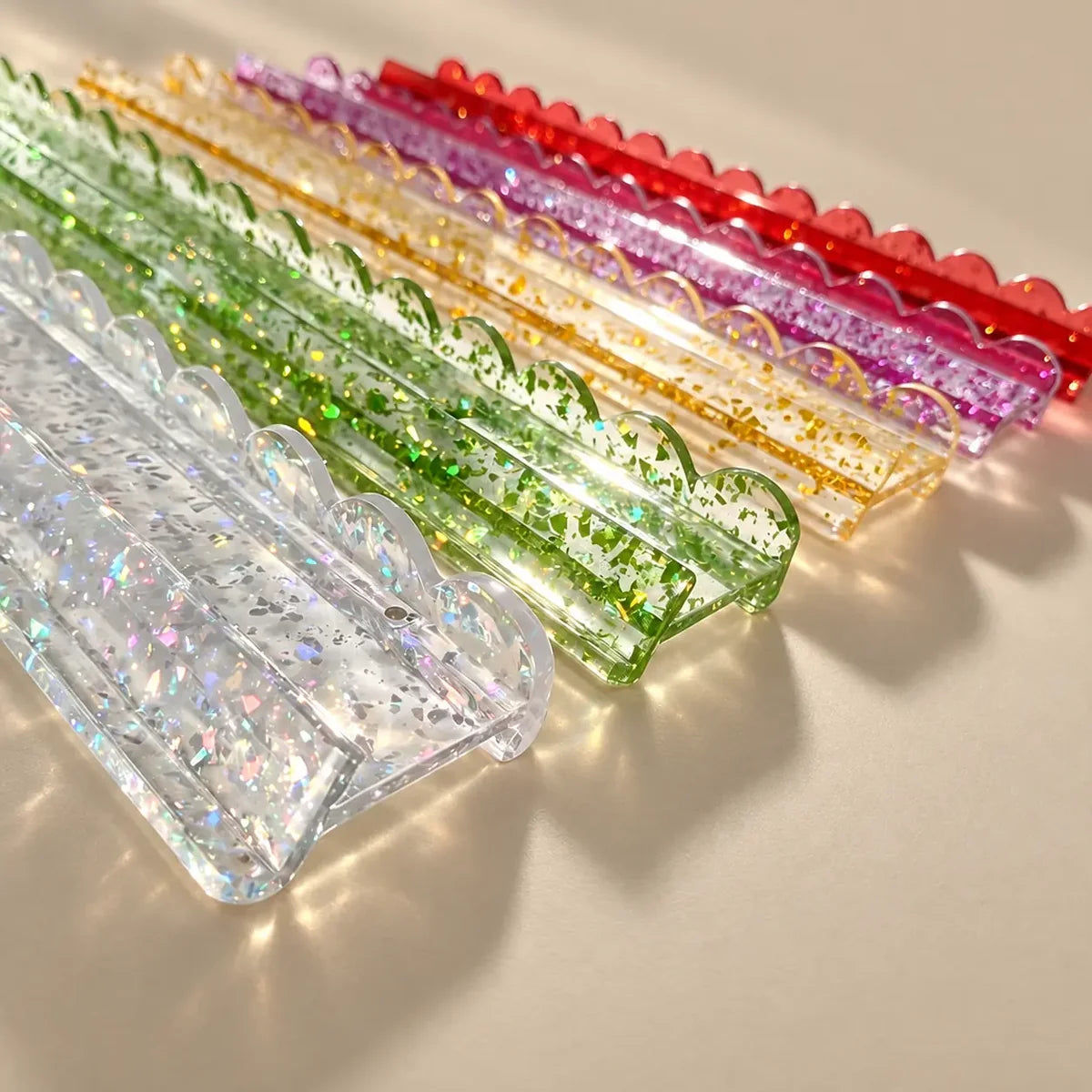
What materials hold up best to repeated packing and unpacking?
Acrylic and quality polycarbonate are rigid but chip or crack if dropped or compressed hard against corner edges inside luggage. Bamboo is durable and absorbs impact better, but warps in humid climates or if exposed to water. Flexible segment-based pushers made of reinforced plastic withstand more flex cycles if joints are glued well, but cheap segment connections fail after 20–30 pack-unpack rounds. The longevity difference: a rigid pusher lasts 3–5 years with normal travel; a good flexible pusher lasts 4–6 years if designed for repeated motion. Check the product description for material and whether joints are reinforced. If you play weekly away from home, buy once and spend a bit more on durability rather than replacing a cheap pusher yearly. Mahstead's best-selling sets include pushers selected for balance between portability and longevity.
How do you pack pushers so they don't damage your tiles or get crushed themselves?
Always place pushers on top of your tile set or against the side wall of your bag, never underneath—tiles will dust or grind against them during movement. Wrap pushers in bubble wrap or a small cloth first if your bag lacks padding; two minutes of wrapping prevents cracks and keeps them clean. If traveling with both a mat and pushers, roll the mat loosely and lay pushers flat inside the roll or alongside it, then place both in the bag last so nothing lands on them during transport. Use packing dividers or zippered pouches to separate pushers from dice, pencils, or score sheets so edges don't snag on plastic. If your bag has a front pocket, small or flexible pushers fit there as a second choice—just test weight distribution so the bag doesn't tip awkwardly on wheels. A travel-ready setup often pairs a mahjong bag or case designed for pushers with compartments rather than a generic tote; the structure does the work for you.
🎁 See our most-loved mahjong sets & accessories →
Quick comparison: Pusher styles for travelers
Pusher Type | Best For | Storage Profile | Durability | Setup After Travel |
Rigid acrylic | Home + occasional club | Bulky; needs full depth | 3–5 years; chips on impact | Instant ready |
Rigid bamboo | Frequent travelers wanting premium feel | Bulky; absorbs shock | 4–6 years if dry storage | Instant ready |
Flexible segment | Tight luggage; casual play | Compresses 30–40%; thin when folded | 3–5 years; joints wear | 30 seconds to reshape |
Segmented travel compact | Road games; weight-conscious | Smallest fold; ~2 inches stacked | 2–3 years; joints fail first | 20 seconds to align |
Each style plays identically during the game—choice is pure logistics and preference for how your travel kit fits.
What to check before you buy travel pushers
Measure your bag's usable interior (width × depth × height) and confirm the pusher fits lying flat or standing upright without forcing closure.
Verify the pusher comes in a set of four, one for each player—don't assume pairs or singles are available in travel sizes.
Check whether the pusher is included with a new set or sold separately on the product page so you don't double-order.
Read the material description and note whether joints or seams are glued, screwed, or welded; welded lasts longer.
Test the pusher's height against your tile count; an undersized pusher won't hold all 13–14 tiles if the arch is too shallow.
Confirm free US shipping is included if ordering online, so unexpected fees don't inflate cost.
Ask whether spare pusher segments or replacement feet are available if you break one mid-trip.
✨ Find your Mahstead set — free US shipping →
Most of us who host weekly games at different venues have learned the hard way: show up with the wrong pusher setup once, and you're fishing under the table during the Charleston because your tiles won't stand upright. The right pusher for travel isn't the cheapest or the most compact—it's the one that matches your actual bag, fits your tiles, and survives the round-trip without wobbling during play. Spend ten minutes measuring now so you can play without thinking about your equipment later.
FAQ
Can I use a single pusher for multiple players or do I need four?
You need four pushers, one per player. Each player organizes their own 13–14 tiles in their pusher during play. Using one shared pusher slows the game and violates American mahjong etiquette.
Do pushers come with the tile set or do I buy them separately?
Most new tile sets from Mahstead include matched pusher pairs or full racks with pushers. Check the product description on the collection page to confirm what's included before ordering.
Will a pusher from one brand fit tiles from another brand's set?
Usually yes, as long as tile sizes are standard American dimensions. Verify pusher width matches your specific tiles if mixing brands. Non-standard oversized or mini tiles won't fit standard pushers.
How much space does a travel pusher really save compared to a full home rack?
A compact flexible pusher occupies roughly 30–40% less volume than a rigid full-size rack. The exact savings depends on your bag design; measure both to compare.
What should I do if my pusher cracks or breaks during a trip?
Request a replacement segment or pusher from Mahstead (verify availability first). Most breaks happen at joints; improvise temporarily with a small box or tile stand so play can continue.


View More
View More
View More
