
Sichuan Mahjong vs Singapore Mahjong: Key Rules & Differences
Last updated: Nov 23, 2026
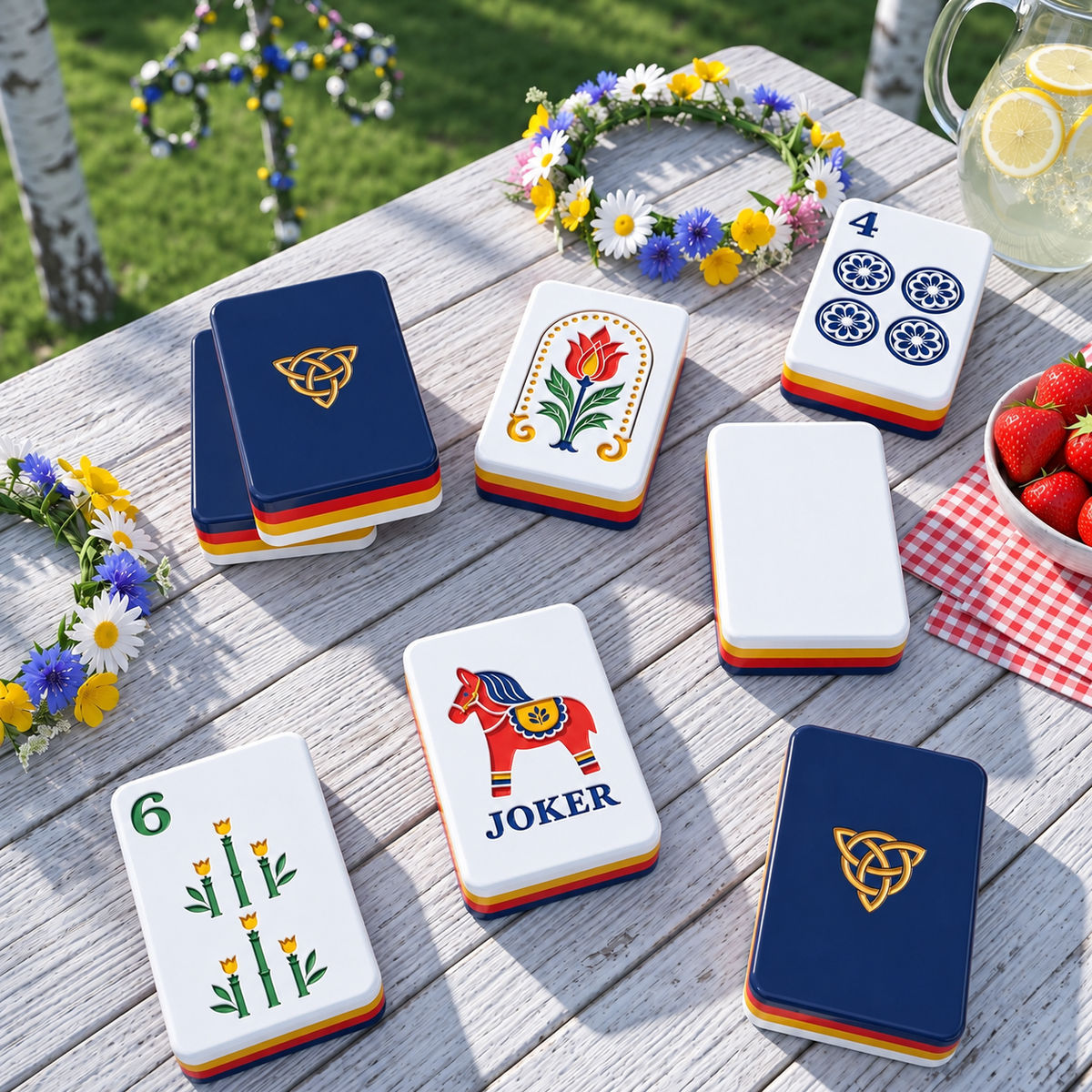
Sichuan mahjong (四川麻将) and Singapore mahjong are two regional Chinese variants that diverge sharply in tile composition, hand structure, and winning conditions. Sichuan typically uses 108 tiles (numbered 1–9 in three suits, four copies each, plus winds and dragons), plays with four players in seated order, and allows pairs and melds called "hu" (胡) to be won by matching specific patterns; many Sichuan rules permit "eating" (absorbing a discard into a pung) and require careful hand management. Singapore mahjong, by contrast, draws from Hong Kong rules but adapts them for local play: it uses a standard 144-tile set (108 suited tiles plus 16 winds, 12 dragons, 8 flowers), emphasizes quick-play rounds, and follows strict melds with less flexibility on pair reuse. The two games differ fundamentally in how jokers (or wild tiles) function, whether sequences ("chows") are allowed, and how scoring accumulates across rounds. Both are social, but Sichuan favors strategic depth while Singapore prizes speed and clarity. If you're hosting players from different regions, clarify which ruleset before shuffling.
What tiles does each variant use?
Sichuan mahjong uses 108 core tiles: Bams, Craks, and Dots numbered 1–9 (four copies each = 36 per suit, 108 total). No flowers, no jokers in the standard set—only winds and dragons mixed into play as honor tiles. Singapore mahjong expands to 144 tiles by adding 16 winds (4 each of N, E, W, S), 12 dragons (4 Red, 4 Green, 4 White), and 8 flowers (2 each of Plum, Orchid, Bamboo, Chrysanthemum). Some Singapore games introduce "jokers" or blanks as wild tiles, but this varies by local house rules. Sichuan strips extras away; Singapore includes them all.
🀄 Shop best-selling mahjong sets →

Can you make sequences (chows) in Sichuan vs Singapore?
Sichuan mahjong rarely permits sequences in the traditional Hong Kong sense. Instead, hands are built from pungs (three identical tiles), kongs (four identical), and pair combinations. Winning often requires matching two or more complete melds plus a pair—no exposed chow chains. Singapore mahjong, rooted in Hong Kong conventions, allows sequences (1-2-3, 4-5-6, etc., in the same suit) as exposed or concealed melds. You can call a discard to complete a sequence, melding it openly. This single difference reshapes strategy: Sichuan players track discards for pung safety; Singapore players hunt for sequence opportunities, making the game feel faster and more linear.
How do jokers and wild tiles work?
Sichuan mahjong traditionally uses no jokers. The game is purely tile-matching without wild substitution, making hand reading and memory central. Some modern Sichuan variants introduce one or two jokers, but this is not standard. Singapore mahjong often includes 1–2 jokers (or red/black "blanks") that can substitute for any tile in a meld. This speeds play and reduces dead hands, but it also lowers the stakes of a tough draw. If hosting Singapore mahjong, confirm joker count with players before you start; if Sichuan, assume none unless explicitly stated by your group.
Which game is faster, and why?
Singapore mahjong plays faster. The 144-tile set plus sequence-building and joker substitution mean rounds often finish in 20–30 minutes. Sichuan mahjong, with 108 tiles and stricter pung-only melds, typically runs 30–45 minutes per round because players must wait longer to form closed patterns and discards carry higher risk. If you're hosting a casual evening, Singapore suits quicker table rotation. If you want deeper strategy and fewer surprises, Sichuan rewards focus and memory.

How do scoring and winning hands differ?
Sichuan mahjong awards points based on the complexity and rarity of the winning hand: all pungs score higher than mixed sequences, and certain combinations (like "all terminals," "all honors," or "all one suit") earn bonuses. Scores can escalate quickly, and some regional rules allow "doubling" or "multipliers" if you win on certain draws or with rare patterns. Singapore mahjong uses a base scoring system: each meld is worth points (pungs > sequences), and your hand total is multiplied by the number of "fans" (levels of difficulty) you've achieved—similar to Hong Kong mahjong. Singapore rounds are often capped at a maximum payout to keep stakes manageable. Sichuan tends toward higher variance; Singapore favors predictable progressions.
🎁 See our most-loved mahjong sets & accessories →
Side-by-side comparison
Feature | Sichuan | Singapore |
Tile count | 108 core tiles | 144 tiles (108 + winds + dragons + flowers) |
Sequences allowed | Rare/no | Yes, common |
Jokers/wild tiles | None (traditional) | 1–2 (common) |
Typical round length | 30–45 min | 20–30 min |
Meld types | Pungs, kongs, pairs | Pungs, kongs, chows, pairs |
Winning pattern | Matched melds + pair | Matched melds + pair |
Scoring style | Rarity-based, high variance | Fan-based, capped multipliers |
Best for | Strategy, memory | Speed, social play |
How do American mahjong players approach these variants?
If you've played American mahjong, you're used to 152 tiles (no flowers, no winds mixed freely), hands dictated by an annual card, and exposed melds of pungs, kongs, quints, and sextets—but no sequences. Sichuan is conceptually closest: like American mahjong, it strips away chows and focuses on identical-tile melds. Singapore feels more foreign: it borrows the Hong Kong "open play" structure where you respond to discards on the fly, without a pre-set hand card. American players often find Sichuan easier to learn because the no-chow discipline feels familiar. Singapore requires unlearning the American "fixed hand" mindset and embracing reactive play. Both Chinese variants reward memory and pattern recognition, which American players already possess—just redirect it toward different tile sets and winning patterns.
What to check before you buy or host
Confirm the ruleset with your players in advance. Sichuan and Singapore house rules vary widely by region and family tradition.
Verify tile count. A 108-tile set signals Sichuan; a 144-tile set suggests Singapore or Hong Kong.
Clarify joker/wild tile rules. Ask whether your table uses jokers, how many, and whether they can be "exposed" in a meld.
Agree on scoring caps. Sichuan games without a ceiling can spiral; Singapore typically has built-in caps.
Test one practice round. Before committing money, play one round to catch rule conflicts.
Keep house rules written down. Post them on your mat or pass them in a text thread so no one drifts mid-session.
✨ Find your Mahstead set — free US shipping →
If you're hosting a mixed group or want to rotate between Sichuan and Singapore play, consider a set with a durable mat and pushable racks so players can organize tiles cleanly regardless of variant. A labeled case or travel bag keeps spare tiles and rule notes together, ready for your next game night.

FAQ
Can I use an American mahjong set to play Sichuan or Singapore mahjong?
No. American sets have 152 tiles (no flowers), while Sichuan needs 108 and Singapore needs 144. Tile composition and suit markings differ. You'd need a Chinese standard set—Bams, Craks, Dots plus winds, dragons, and flowers all present.
Which variant is easier to learn for a total beginner?
Sichuan, if you like memory games and pattern-matching without surprises. Singapore is friendlier if you prefer reacting to discards and using jokers to recover from bad draws. American mahjong players often find Sichuan closer to home.
Do Sichuan and Singapore games allow you to pass (refuse) a discard meld?
Sichuan rarely permits "passing" on a discard; once played, it's final or taken. Singapore, like Hong Kong, allows brief periods to claim a discard. House rules vary—always ask your table.
What's the typical time commitment for a Sichuan game night?
Plan 2–3 hours for 4–6 rounds with breaks. Sichuan rounds run 30–45 minutes. Singapore is faster: 20–30 minutes per round, so you might fit 8–10 rounds in the same window.
Can I teach both variants to the same group, or will they get confused?
Yes, but introduce them separately and hold a quick rules refresh before switching. Having a house-rules sheet visible helps. Many regional clubs rotate variants night-to-night without issue—the key is clear communication beforehand.
Where can I find players in my area who know Sichuan or Singapore mahjong?
Check community centers, libraries, cultural centers (Chinese, Singaporean, or multicultural organizations), and online meetup boards. Ask if they have open tables and what variants they play. Some groups specialize; others rotate.


View More
View More
View More
