
Best Mahjong Gift for Mahjong Group: Your Buyer's Guide
Last updated: Nov 23, 2026
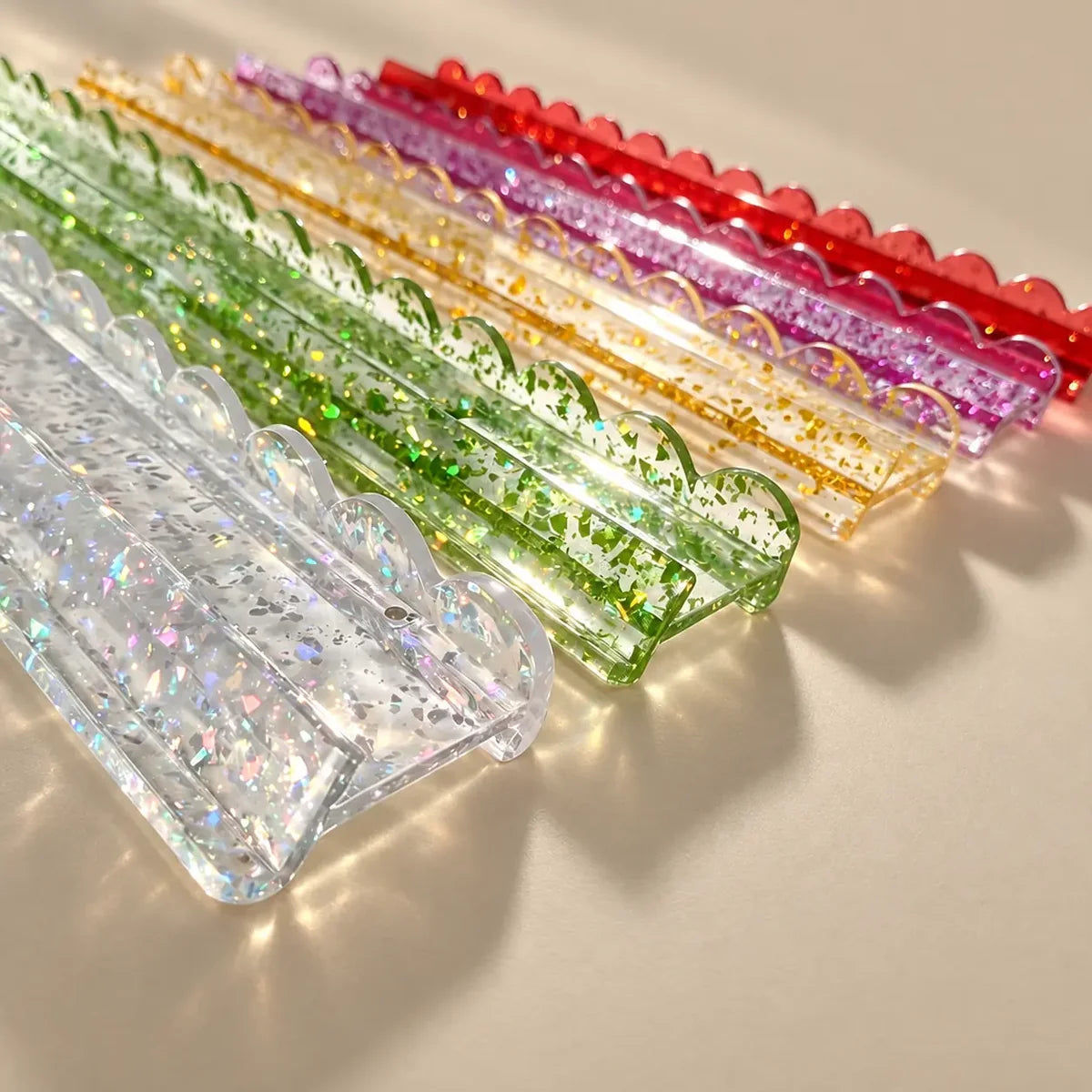
The best mahjong gift for your group depends on what they're missing and what milestone you're marking. A new engraved set with your group's name or inside joke works for players ready for their own tiles; a padded mat or a set of racks with pushers transforms the table comfort for everyone. A full travel case holds everything and solves storage headaches. American mahjong sets sold through Mahstead arrive as 160-tile complete sets (152 playing tiles plus spares) with free US shipping. Before ordering, check whether your group already owns a mat or case—if so, an engraved set or racks might be the real gap. Avoid generic gifts that duplicate what they own; instead, pick the category that closes a gap at the table. 🀄 Shop best-selling mahjong sets →
Which gift closes an actual gap at your table?
Most of us play on the same mat, in the same living room or clubhouse, week after week. Before buying, identify what's missing. Does your group still use a borrowed table cover, or do people bring tiles in a shoebox? Is someone always juggling loose tiles in their rack, or do they have no racks at all? The best gifts solve these real problems. A padded mahjong mat stops tiles from sliding and protects the table surface. Racks with pushers let players tile visibly without sore wrists. A case keeps a set safe between games. An engraved set marks shared identity—your group's name, the year, a private joke—and becomes a keepsake. We recommend starting by asking: What does your group reach for first when someone says "time to set up"? That's usually the gap.
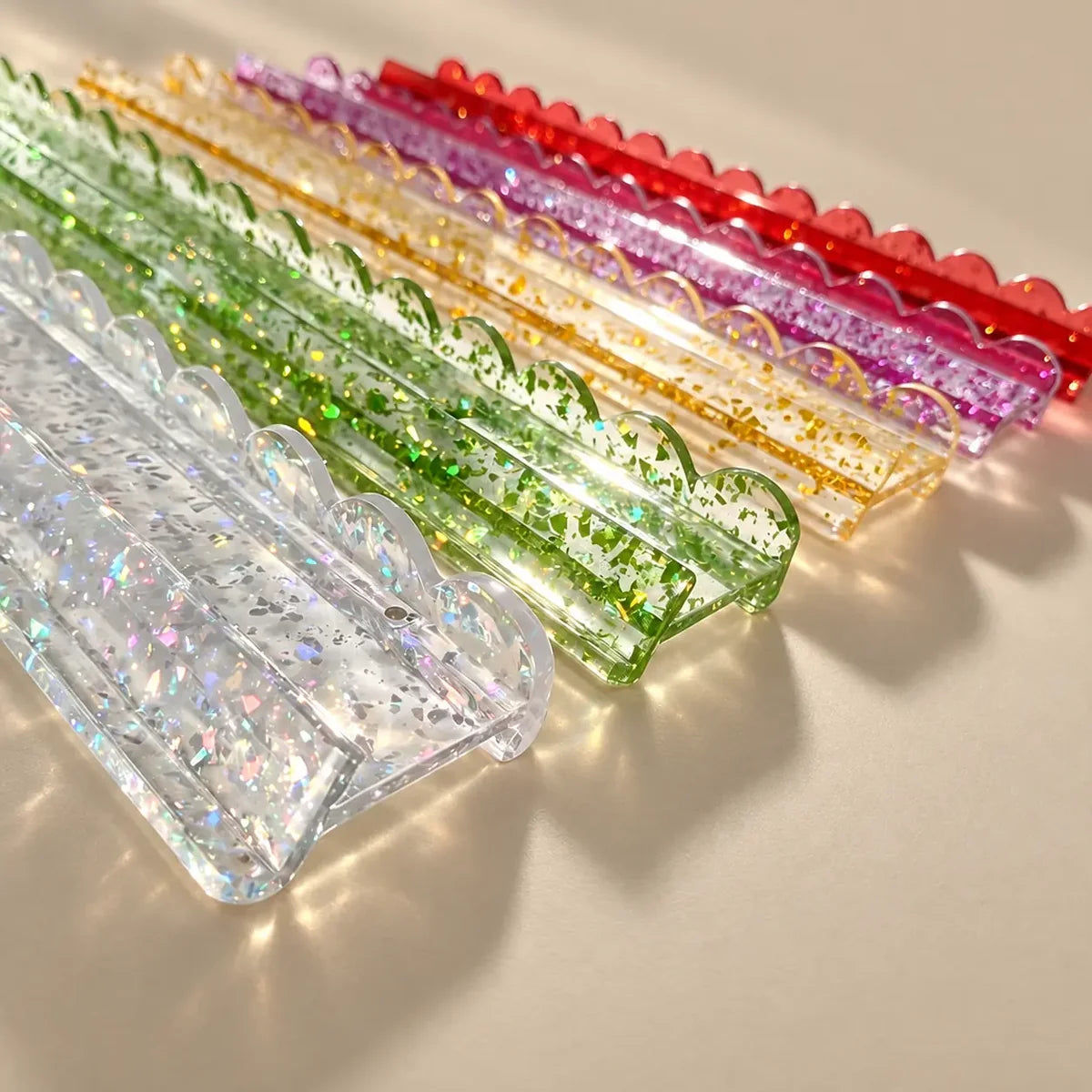
What does an engraved mahjong set actually say about your group?
An engraved set carries memory. You can add your group's name, the host's name, a founding year, or an inside joke that only your players get. We've seen groups order sets engraved with their best running gag—"No Soup for You" references, pun-based names, victory counts. The tiles themselves stay identical to any American mahjong set: 108 tiles in three suits (Bams, Craks, Dots, numbered 1–9), plus 16 winds, 12 dragons, 8 flowers, and 8 jokers. The acrylic is durable and moves smoothly on a mat. Engraved American mahjong sets from Mahstead let you customize the design without changing how the game plays. This gift works best when your group has been playing together for at least a season—long enough that the humor lands and the commitment is clear.
🎁 See our most-loved mahjong sets & accessories →
Should you gift a mat, racks, or the whole setup?
Gift Category | Who It's For | Real-World Difference | Best Timing |
Engraved set (160-tile) | Groups with 2+ years history; players who own no tiles | New identity + keepsake; sits in home collection | Milestone: year two, group expansion, or anniversary |
Padded mat | Groups sharing a table; anyone tired of tile drift | Tiles stay put; table stays protected; game feels premium | Anytime; replaces a worn cover or tablecloth |
Racks with pushers | Players with hand pain or weak tiles-per-person setup | Reduces fatigue; cleaner tile display; easier for older players | First-year groups; hosts with mixed abilities |
Travel bag or case | Player who hosts or travels; group with no storage | Protects tiles in transit; keeps everything organized; solves the "where do we store this?" problem | When someone moves or starts co-hosting |
Multi-piece bundle (set + mat + racks) | Brand-new group or corporate team-building gift | Removes guesswork; everyone gets the same experience; no duplicate mats | Group formation gift; workplace event |
The table above reflects what we see work in our own games. Most groups start with one shared mat, then add racks and cases as players age or tiles move between homes. An engraved set is the gift that stays—it doesn't wear out or get upgraded.

Why engraved acrylic beats generic plastic for group gifts?
Acrylic tiles slide smoothly, feel substantial in hand, and last through hundreds of games. They're durable enough that a set bought today will still move cleanly in five years. Plastic tiles—especially cheaper imports—can become sticky or develop micro-cracks. We stick with acrylic because it genuinely plays better, and your group will notice the difference immediately. An engraved acrylic set signals that the gift is intentional and permanent: not a party favor that breaks in month two, but a piece of your group's history. Designs run from simple one-line names to full custom layouts; check the best-selling mahjong sets to see current design options and see what resonates. The engraving doesn't affect gameplay—it's purely symbolic—but that symbolism is the whole point of a group gift.
What should you actually check before ordering?
Verify set completeness. A standard American mahjong set is 152 tiles plus 8 jokers. Mahstead ships 160-tile sets, meaning the full playing set plus spare tiles. Don't assume every set includes jokers or that all jokers are identical in design—check the product page.
Confirm mat dimensions if bundling.Mahjong mats come in standard and compact sizes. Measure your table or ask your co-host before buying—a mat too small feels cramped; too large won't fit the surface you have.
Ask about design turnaround and shipping. Engraved sets take longer than off-the-shelf stock. Since Mahstead ships free across the US, timeline is the main constraint—not cost. Confirm the delivery window before committing to a group event date.
Check who in your group already owns what. A common mistake: buying a mat when the group already has two, or a set when someone gifted one last year. A quick group text prevents this waste.
Ensure the gift matches your budget type. A single set is different from a set-plus-mats-plus-racks bundle. Define your spend category before browsing, so you don't oversell or undersell the gesture.
✨ Find your Mahstead set — free US shipping →
When is a group gift the right move instead of individual gifts?
A group gift makes sense when the whole table benefits and the gesture is about shared identity, not individual preference. If one player loves bright colors and another prefers matte finishes, buy a shared group set (usually neutral, professional, or engraved) and ask individuals to pick their own accessories—a personal rack, a dice set, a carrying bag. A group gift also works when the host is the one investing: if you're hosting every week and want to upgrade your table, an engraved mat or a new set is a reasonable ask for your co-players to chip into. We've seen groups split the cost of a travel case or a premium mat, each contributing equally, so the gift feels collaborative rather than one-sided. The opposite—when a gift should stay individual—is when one player is new or has a disability requiring specific accommodations; a personal rack with pushers tailored to hand size or range of motion is a private gift, not a group one.
What to check before you buy:
Is this gift for a milestone (first year, 5-year anniversary, new member joining)?
Does your group have a shared table, or do tiles move between homes each week?
Will the gift sit in one home or rotate between players?
Does your group have inside jokes or naming conventions that engraving should reflect?
Are there physical needs (arthritis, vision, hand fatigue) that racks or a specific mat size would address?
Is this a surprise or a group vote? (Group votes avoid duplicates.)

FAQ
Can we add our own name or year to a mahjong set after we buy it?
Most engraved sets are etched during manufacturing, so custom engraving must happen before shipping. DIY engraving acrylic tiles at home is risky—heat or pressure can crack them. Ordering an engraved set from the start is safer and looks more professional than after-market attempts.
Does an engraved mahjong set play any differently than a blank set?
No. Engraving is purely cosmetic and sits on the tile surface; it doesn't affect weight, balance, or movement. An engraved 160-tile American set plays identically to an unengraved one. The difference is emotional and historical—your group recognizes the design as theirs.
How many people can actually play on one mat, and does that affect which mat to buy?
American mahjong is always four players, one game. One mat handles one four-player game cleanly. If your group is larger, you might run two concurrent games on two mats, or rotate players in and out. Measure your table before buying a mat; a mat too small for four sets of racks creates a cramped, frustrating experience.
Is a travel case a gift for the group or for one person?
Usually one person—the host or the player with transportation access. A shared case works if one household holds all the group's tiles and that person agrees to be the custodian. If tiles live in multiple homes, individual bags (for one player's tiles) make more sense than a shared case. Clarify ownership before buying.
What's the difference between a mahjong mat and a mahjong table cover or tablecloth?
A mat is padded, non-slip, and designed for tiles; it protects both the tiles and the table surface underneath. A tablecloth is decorative but offers no grip—tiles slide, and games feel chaotic. A mat is a gift that improves play immediately. See our full guide to mats vs. table covers for details on dimensions and materials.
How do I know what "best-selling" really means when I'm looking at Mahstead's collection?
We track which sets and accessories players actually order repeatedly—not hype, but purchase patterns. The best-selling collection shows designs and styles that have lasted and stayed popular across multiple seasons. That's a safer bet for a group gift than an experimental design that might feel dated in a year.


View More
View More
View More
