
Sichuan Mahjong Tile Set: Choosing the Right Variant
Last updated: Nov 23, 2026
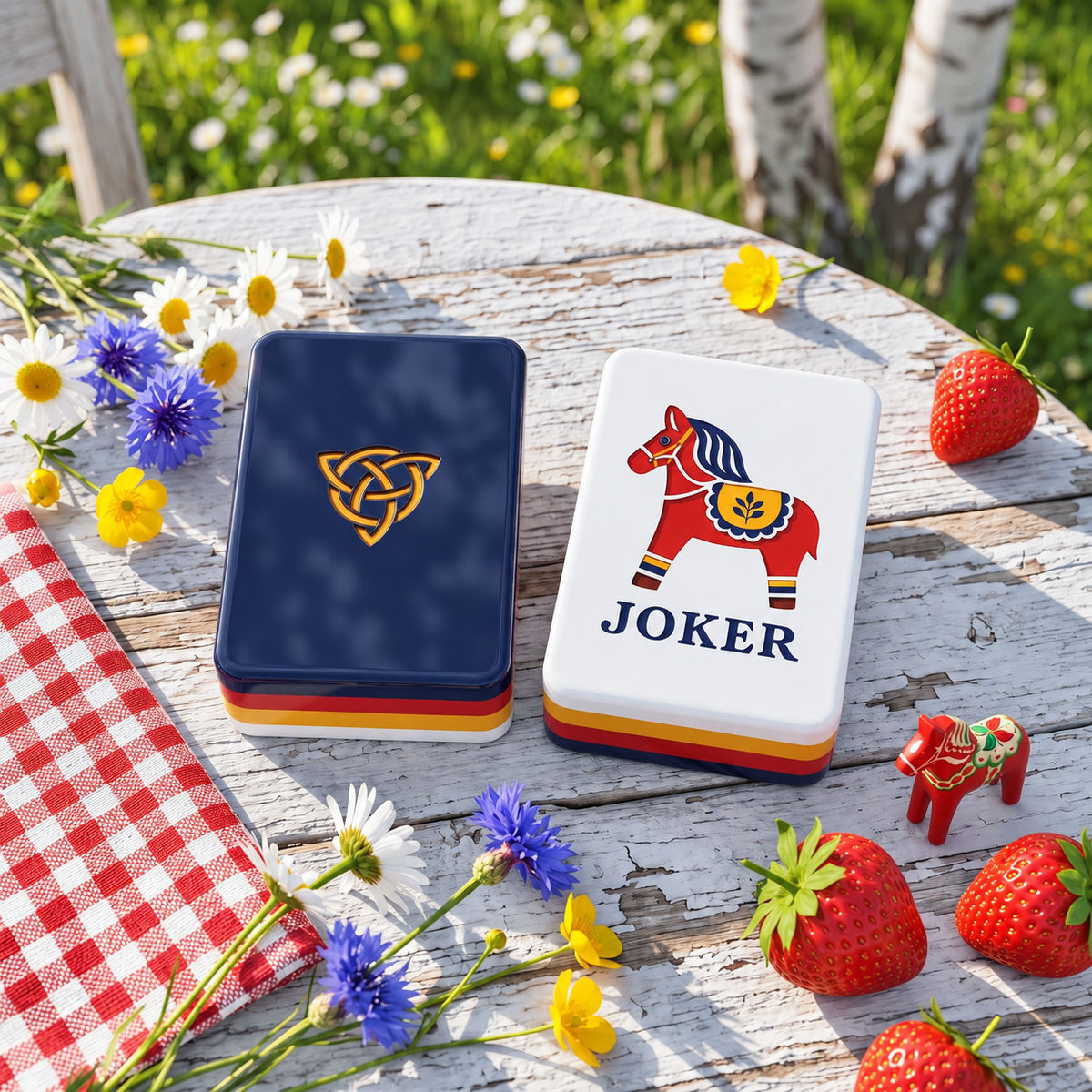
Sichuan mahjong is a regional Chinese variant with its own hand patterns, tile combinations, and winning logic—distinct from American, Hong Kong, or Riichi mahjong. A typical Sichuan set contains 108 tiles (characters, bamboos, and circles numbered 1–9, four copies each) plus winds, dragons, and sometimes flower tiles. The game emphasizes chows (sequences like 1-2-3 Bamboos) that can be called and exposed during play, unlike American mahjong which forbids sequences entirely. Rules vary by locality and house rules, with special melds unique to Sichuan tradition. If you're hosting Sichuan games regularly, you'll want tiles sized for comfortable handling—usually 27–30 mm—and durable acrylic or bone-bamboo construction. Before buying, confirm your table's specific house rules: some honor only closed hands, others allow semi-open play.
How does Sichuan mahjong differ from American mahjong?
Sichuan mahjong allows chows—called sequences like 1-2-3 of the same suit—which can be melded and exposed during active play. American mahjong bans chows entirely; only pungs (three identical tiles), kongs (four), and larger runs are valid melds, and how jokers work differs completely. Sichuan hands are typically closed until winning; American hands are built openly with exposed melds tracked on the yearly National Mah Jongg League card. Sichuan uses 108 base tiles; American uses 152. Scoring systems are entirely separate. If you already play American mahjong, switching to Sichuan means learning a new hand chart and understanding when sequences can be claimed and exposed.
🀄 Shop best-selling mahjong sets →

What tiles and equipment do you need for Sichuan mahjong?
A Sichuan mahjong set typically includes 108 playing tiles: three suits (characters, bamboos, circles) numbered 1–9 in four copies each (36 tiles per suit = 108 total), plus winds (N/E/W/S, usually four each), and dragons (typically three: red, green, white). Some sets add flowers (1–4). Tiles are traditionally 27–30 mm square, smaller and lighter than American sets, designed for fast melding and calling. Most Sichuan sets use bone-and-bamboo or acrylic construction. You'll also need a mat for display and a rack or hand-holder if players prefer to organize tiles vertically rather than fanned. Storage bags are essential for travel, especially if you're moving between regional game venues. Unlike American mahjong, Sichuan sets do not include jokers—all winning combinations are made from base tiles only.
How do house rules and regional variants affect your purchase?
Sichuan mahjong has no single authoritative rulebook; regions within Sichuan Province—and expatriate communities abroad—each have local variations. Some tables play "all melds open" (exposed chows and pungs), others require closed hands until winning. Point systems, scoring limits, and winning tile counts vary. Before buying a set, ask veteran players at your venue for their specific hand chart or rule document; some communities publish local rule sheets. If you're new to the area, visit mahjong clubs or community centers to observe a game and confirm house rules. Tile design matters less for play mechanics but affects comfort and durability; acrylic tiles resist humidity and chip less than bone. Confirm your group's preferred tile size and material before ordering, especially if you'll be storing the set for months between games.
Sichuan vs. other regional Chinese mahjong variants—what to know
Variant | Base tiles | Key mechanic | Chows allowed? | Best for |
Sichuan | 108 | Closed hands, chows, open calling | Yes | Traditional regional play, family games |
Hong Kong | 108 | Fast open play, many bonus tiles | Yes | Faster-paced, competitive venues |
Riichi | 136 | Closed until one-tile win, declared riichi state | Yes (in melds) | Strategic, Mahjong Soul/online play |
American | 152 | Open melds from start, hand card, no chows | No | Structured, tournament-friendly, year-round hand updates |
Sichuan mahjong sits between traditional Hong Kong play and American formality. Chows are central; hands close until winning. If your group plays only Sichuan, a 108-tile set is sufficient. If you switch between Sichuan and American, you'll need two separate sets and separate mats, since tile counts and play mechanics differ entirely. Riichi mahjong, popular in Japan and online, uses a larger tile count (136) and a dedicated winning protocol; it's rarely mixed with Sichuan at the same table.
🎁 See our most-loved mahjong sets & accessories →

What should you check before buying a Sichuan mahjong set?
Tile size and material: Confirm tiles are 27–30 mm (traditional Sichuan size, not American 34 mm). Check material: bone-and-bamboo is traditional but hygroscopic; acrylic is durable and humidity-resistant. Look for tiles engraved (not printed) so characters don't fade with handling.
Tile count and composition: Verify the set includes exactly 108 playing tiles (three suits × 1–9 × 4, plus winds and dragons). Some vendors add bonus tiles or blank spares; confirm these won't accidentally enter play. Check if flowers are included—some Sichuan rules omit them.
Hand chart or rule sheet: Ask if a house rule document or winning-hand chart comes with the set. Sichuan regional rules are not standardized; a printed chart prevents disputes.
Storage and transport: Ensure the set comes with a sturdy bag or case, especially if you travel between game venues. Tiles scratch easily; padding matters.
Vendor support: Buy from vendors familiar with regional Sichuan rules, not just generic "Chinese mahjong" sellers. Mahstead focuses on American mahjong but offers guidance on gear for any variant; if you need Sichuan-specific sets, ask the vendor's customer service whether they provide rule clarification or can recommend a Sichuan-specific supplier.
✨ Find your Mahstead set — free US shipping →
Can you mix Sichuan and American mahjong sets at the same table?
No. American mahjong uses 152 tiles (including 16 winds, 12 dragons, 8 flowers, and 8 jokers), plays with an annual hand card, and forbids chows. Sichuan uses 108 tiles, no jokers, and chows are primary. The tile counts, sizes, suits, and winning logic are incompatible. If your table has Sichuan and American players, designate separate game nights and separate sets. Switching mid-evening causes errors and slows play. If you're learning both variants, store sets separately and label them clearly. Our best-selling mahjong sets are all American 152-tile designs; for Sichuan specialty equipment, consult a vendor focused on regional Chinese variants.
What to check before you buy
Confirm house rules: Ask your table or venue for written Sichuan rules; regional rules vary.
Verify tile size: Sichuan = 27–30 mm; American ≠ this size.
Check tile count: Must be exactly 108 (or your local variant's count).
Material preference: Acrylic resists humidity; bone-bamboo is traditional.
Storage included: Bag or case prevents tile damage during travel.
No mixing: Keep Sichuan and American sets entirely separate.

FAQ
Is a 108-tile Sichuan set the same everywhere?
No. Regional variants exist within Sichuan and across China. Some areas add flower tiles, alter wind or dragon counts, or use different hand combinations. Verify your local venue's exact tile composition before buying.
Can I play Sichuan mahjong online with these tiles?
Tiles themselves don't play online, but if you're learning Sichuan rules, a physical set helps you practice hand combinations. Online platforms like Mahjong Soul use Riichi rules, not Sichuan.
Are bone-and-bamboo tiles better than acrylic for Sichuan?
Bone-and-bamboo is traditional and feels premium, but acrylic is durable and resists humidity—key if you travel or store tiles long-term. Both work; choose based on budget and climate.
How long does a Sichuan mahjong game last?
Typically 20–60 minutes per hand, depending on house rules and betting pace. Sichuan games are often faster than American mahjong because melds are called and exposed in real time.
Do I need a mat or rack for Sichuan mahjong?
Not required, but a mahjong mat protects tiles from scratches and provides a non-slip surface for fast melding. Racks are optional; many Sichuan players fan tiles in-hand instead.
What's the best way to store a Sichuan mahjong set?
Use a padded travel bag or case in a cool, dry place. Store separately from American or other variant sets to prevent mix-ups. Label the bag clearly.
Can beginners learn Sichuan mahjong from a rulebook alone?
Rulebooks help, but watching an experienced table is faster. Many regional rules are unwritten. Attend a local game or ask a mentor to walk you through hand patterns first.


View More
View More
View More
