
Mahjong Set with Racks and Mat: A Buyer's Guide
Last updated: Nov 23, 2026
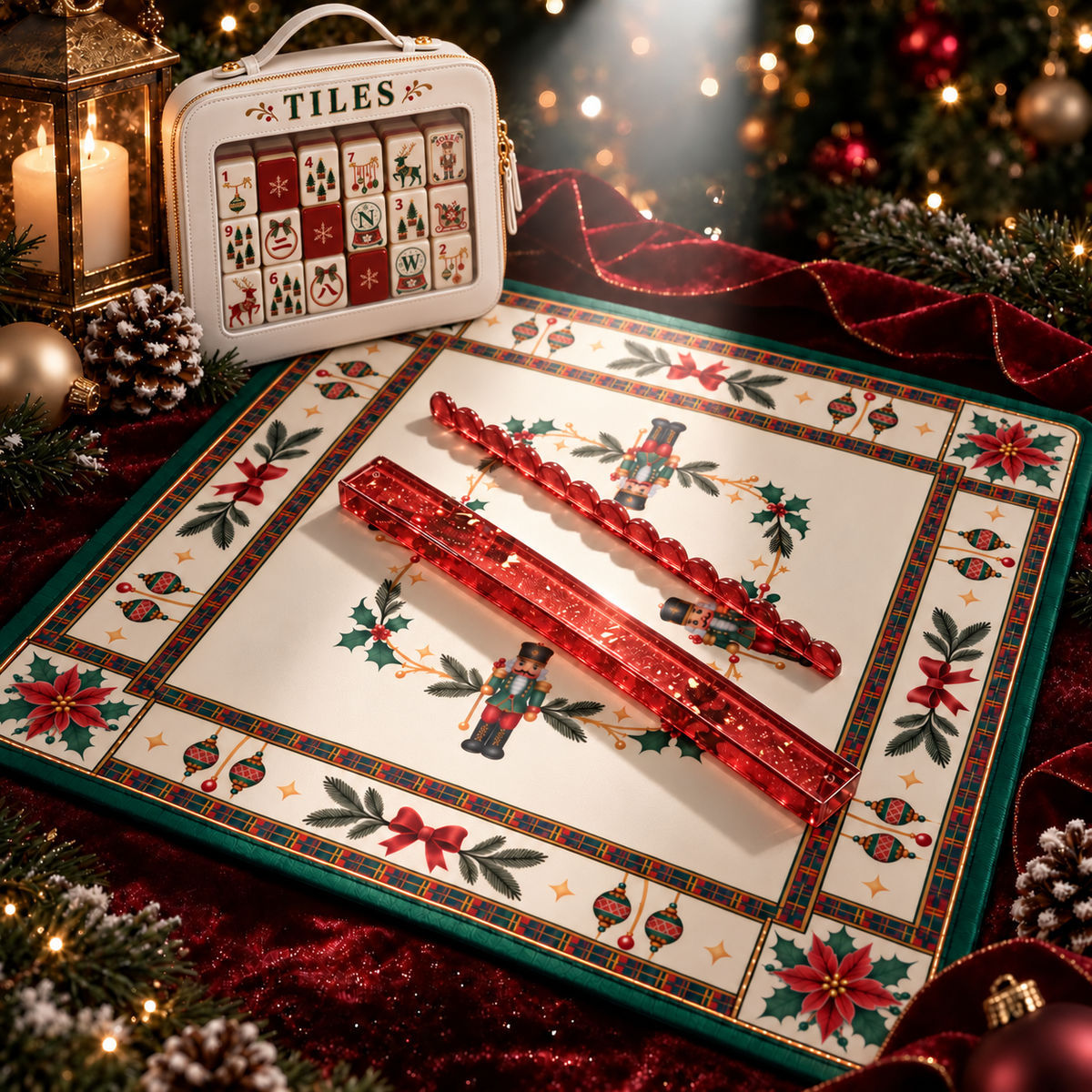
A mahjong set with racks and mat bundles three essential elements: 160 acrylic tiles (152 playing + spares), a padded playing surface, and four tile racks with pushers. Racks hold your hand vertically so opponents can't see your tiles; the mat protects your table and marks play zones clearly. Most players buy these components separately to mix styles—for example, pairing a bold engraved tile set with a neutral mat—but some prefer a curated bundle. The mat is typically fabric-backed neoprene, rolled or flat-packed; racks are acrylic or wood with integral pushers. Costs vary by customization: engraved tiles or premium mats cost more than plain versions. At Mahstead, we sell 160-tile acrylic sets, mats, and racks individually so you assemble exactly what you need, then ship free across the US. New players often buy all three at once; seasoned hosts upgrade just the mat or add racks if they're hosting larger groups. Check the mat size before ordering—most fit a standard dining table but not all chairs tuck underneath comfortably.
What exactly goes in a "set with racks and mat"?
A complete mahjong setup needs tiles, a playing surface, and hand racks to function. The 160-tile set contains the 152 tiles you play with (three suits of nine numbers, four each, plus winds, dragons, flowers, and jokers) plus spare tiles. The mat defines play zones so everyone knows where to sit and discard. Racks hold all 13 tiles upright in a row, letting you arrange your hand without showing opponents. Pushers—small sticks attached to or separate from racks—help you pull tiles forward cleanly without fumbling. You'll also need dice, but most bundles don't include them separately, so buy a pair if yours is missing.
🀄 Shop best-selling mahjong sets →
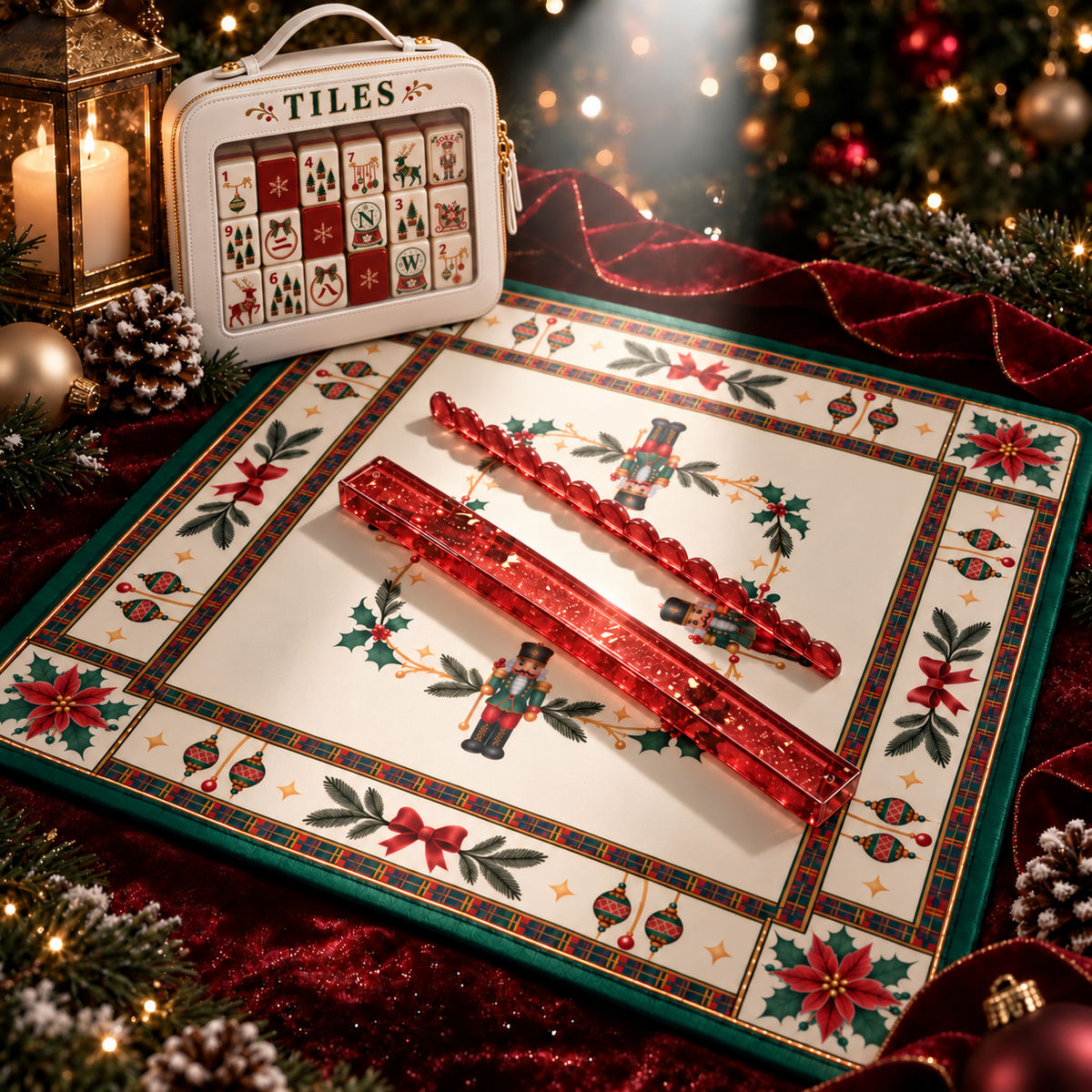
Do I buy everything together or separately?
Most experienced players buy pieces separately and mix them—a bold tile set with a quiet mat, for instance. Bundling saves shipping and unpacking time if you're new and want one decision, but it locks you into a design you might outgrow. At Mahstead, we sell best-selling mahjong sets, mahjong mats, and mahjong racks with pushers independently so you customize. If you're a first-time host buying for four players, separate purchases let you add a second rack set later without redundant tiles. Buying together works well if you're gifting one complete setup to a friend or stocking a club room.
Buying Style | Who It's For | Advantage | Trade-Off |
Bundled set + mat + racks | New players; one-trip hosting | Fast setup, one invoice | Limited design mixing |
Separate tiles, mat, racks | Recurring hosts; style-conscious | Full customization, future upgrades | More decisions, separate shipments |
Set + mat, no racks | Table-only players | Simpler budget | Players need existing racks |
🎁 See our most-loved mahjong sets & accessories →
How do I choose the right mat size and thickness?
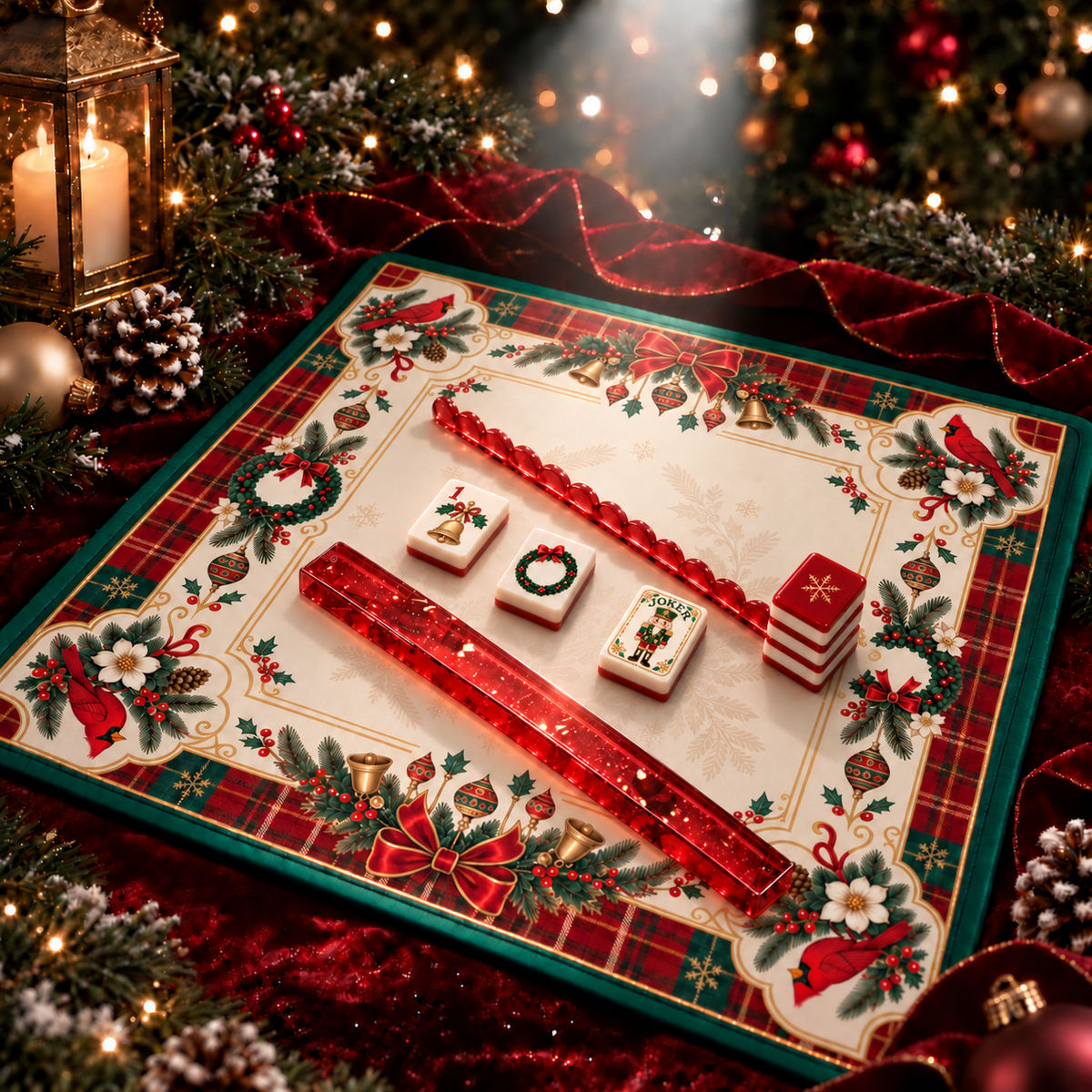
Mat size depends on your table and player comfort. Most pads are 27"–31" square or 2:3 rectangles to fit a dining table. Before ordering, measure your table's playing surface width and depth, then leave 2–3 inches on each side for the rack stands and score sheets. Thickness matters for feel: a 3–5mm neoprene backing absorbs tile noise and tile weight without bunching; thinner mats can slide during active play, frustrating discards. A padded mahjong mat with fabric top resists tile stains better than a bare table and lasts through dozens of games. If your table is small or you play standing, test a mat rolled under a chair beforehand—some mats take time to lie flat after shipping.
Read our guide to choosing a mat for detailed width, thickness, and storage tips.
What's the difference between acrylic and wood racks?
Acrylic racks are clear, let you see your tiles instantly, and survive years of weekly play without warping or staining. They're lightweight to pack and ship, cost less, and suit most home games. Wood racks feel premium and photograph beautifully but require care: they stain if wet, warp in humidity, and cost more upfront. At Mahstead, we use acrylic for durability and clarity; the pushers are built in. For a club or tournament-ready setup, acrylic racks with pushers last decades. If you entertain often and want aesthetics, wood looks stunning in photos but demands hand-drying after cleanup. Many hosts own both and choose based on the group and setting—casual play at home means acrylic; a formal dinner or club event favors wood.
What's the "starter vs. serious player" decision checklist?
Starter (hosting one game a month):
One 160-tile set (152 playing tiles + spares cover all hands)
One mat, 28"–30" square
One pair of racks with pushers (four racks total, one per player)
One pair of dice
Current year's National Mah Jongg League card (buy separately)
Serious player (hosting weekly or running a group):
Two 160-tile sets (one for spare tiles, one for simultaneous play or backups)
Two mats (one in use, one stored; rotation prevents wear)
Two pairs of racks (extras for learners or larger groups)
Multiple card sets (one per mat + spares)
A travel bag or case for transport
First-timers often overbuy racks or redundant mats. You need exactly one set of tiles and one mat per game table; extra racks help only if you host six or eight players at once. A second set is smart if you run tournaments or teach frequently.
✨ Find your Mahstead set — free US shipping →
What to check before you order
1. Table dimensions: Measure the usable play surface. A 36" × 36" table fits a 28" mat comfortably; a 30" × 42" rectangle works on most 4-seater dining tables.
2. Tile visibility: Acrylic racks show your hand clearly; if you prefer privacy or aesthetics, wood takes longer to read but feels nicer. Both work equally well for official play.
3. Mat backing: Ask if the mat is neoprene or foam and whether the fabric is washable. Neoprene lasts longer; fabric tops resist stains better than bare nylon.
4. Rack storage: Four racks stacked take up a 2"×8" shelf space. If you have a small closet, a travel bag keeps everything compact and organized.
5. Tile artwork: If you're buying an engraved or themed set, ensure the mat and racks complement the design. A loud tile set with a neutral mat balances; matching too heavily can overwhelm a table.
6. Shipping to your address: Mahstead ships free across the US; delivery takes time, so order early if you're hosting on a deadline.
What if I already own tiles but no mat or racks?
Buy the mat and racks separately. A new padded mat upgrades your play instantly and costs less than a full set. If your tiles are in good shape, adding mahjong racks and a mat from our collection gives you a complete setup without redundancy. Many players inherit older tile sets and refresh the playing surface; this is the fastest way to modernize without waste.

FAQ
Can I use a mahjong set without a mat?
Yes. A mat is optional but recommended—it protects your table, reduces tile noise, marks player positions, and makes the game feel organized. You can play on a bare table with just racks and tiles.
How many racks do I need?
You need exactly four racks (one per player) for a standard four-player game. If you host groups of six or eight, buy extra racks for the additional seats, but tiles and the mat stay the same.
Do racks come with pushers?
Yes. Mahstead's mahjong racks with pushers have integral pushers so you pull tiles smoothly without hands crossing into the center.
What's included in a 160-tile set?
152 playing tiles (three suits of nine numbers, four each, plus winds, dragons, flowers, and jokers) plus spare tiles. See our guide to what's in a set for the full breakdown.
Can I buy a mat separately from Mahstead?
Yes. We sell mahjong mats individually with free US shipping. You can mix and match tile sets, mats, and racks exactly as you want.
What's the best mat for a small apartment?
A compact 24"–26" mat folds tighter than a 30" mat but still covers most tile positions. Pair it with a small dining table or card table to avoid crowding. Test the width before ordering so your racks fit along the edges.
Do I need to buy dice separately?
Most sets don't include dice. Grab a pair so you can determine East and randomize draws during the Charleston.
How do I care for an acrylic mat?
Wipe it dry after play. For stains, use a damp cloth and mild soap. Hang it vertically to dry, or roll it loosely for storage. Avoid extreme heat or sunlight, which can fade fabric colors.


View More
View More
View More
