
Sichuan Mahjong Rules: How the Game Differs from American
Last updated: Nov 23, 2026
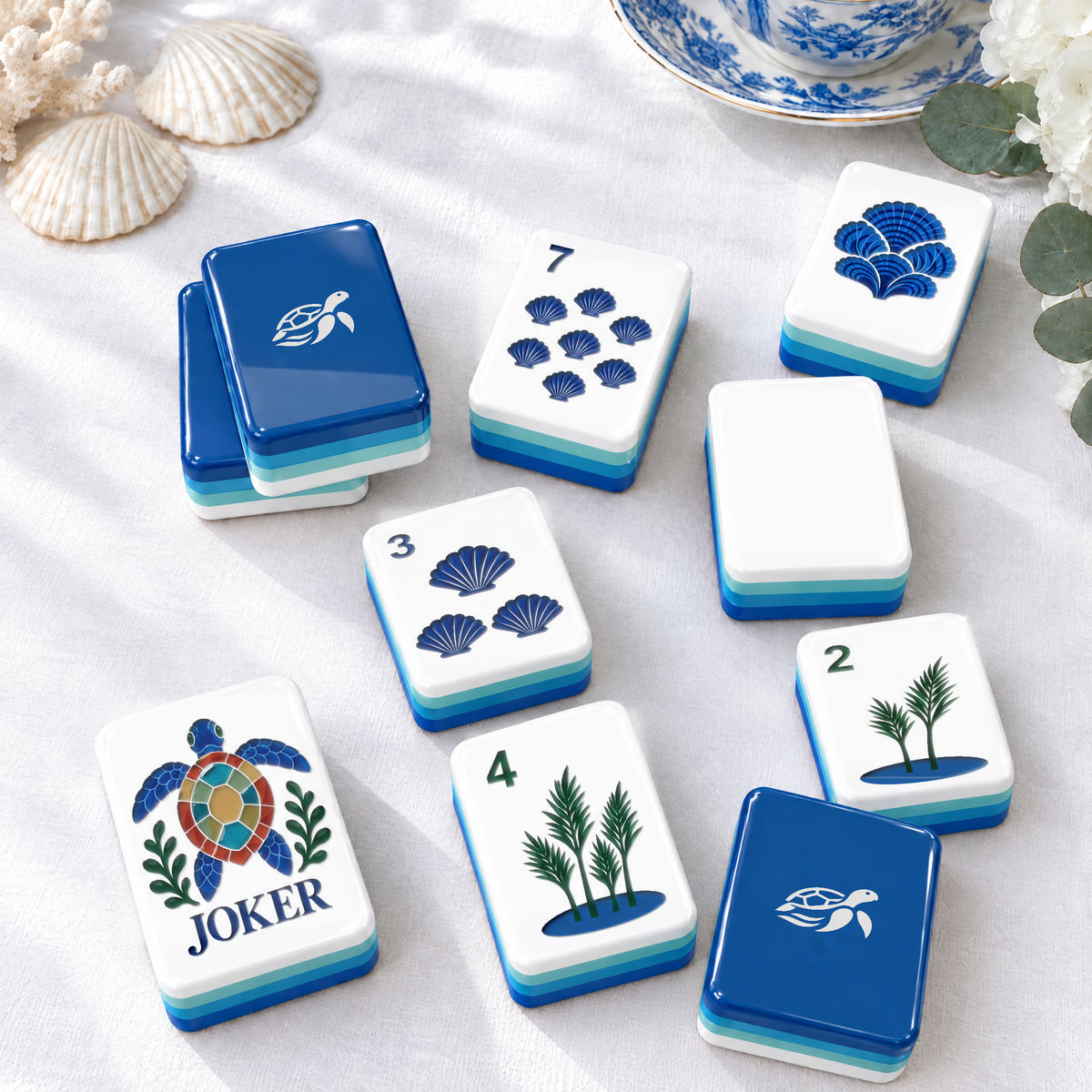
Sichuan mahjong uses 136 tiles (not 152 like American) divided into suits (Bams, Craks, Dots 1–9, four of each), Winds, Dragons, and Flowers. Players draw and discard one tile per turn, building melds (pungs, kongs, chows) until someone completes a hand. Unlike American mahjong—which locks hands to an annual card and forbids exposed sequences—Sichuan allows chows (e.g., 4-5-6 Dots) to be called and exposed in play. Hands win through combinations rather than a pattern sheet. Scoring is calculated per meld and is often settled immediately. Games typically last 20–40 minutes per hand. Sichuan rules emphasize speed, tile reading, and adaptive play; if your group loves flexibility over rigid patterns, this variant rewards tactical skill more than American's card-based system.
Sichuan mahjong is one of China's most energetic regional games, prized for fast rounds and straightforward hand building. We've played enough hands with Sichuan enthusiasts to know it feels like a different language—yet once you grasp the core mechanic (build, call, win), the rhythm becomes addictive.
How does Sichuan mahjong differ from American mahjong?
American mahjong binds all legal hands to the National Mah Jongg League's annual card and prohibits exposed chows (sequences). Sichuan mahjong operates freely: any combination of pungs, kongs, and chows counts as a valid meld; you can call and expose a chow mid-game just as readily as a pung. American requires 152 tiles and eight jokers per game; Sichuan uses 136 tiles with no jokers at all. Scoring in American is fixed by hand rank; Sichuan scoring grows from the melds themselves—bonus points for self-drawn tiles, all-pung hands, or terminal honors. American rewards pattern recognition and card study; Sichuan rewards quick reading and adaptive play.

What tiles are in a Sichuan mahjong set?
A standard Sichuan set contains 136 tiles: three suits (Bams, Craks, Dots) numbered 1–9, four copies of each (108 tiles); 16 Winds (four each of North, East, West, South); 12 Dragons (four Red, four Green, four White); and—crucially—no jokers or blanks. Some sets include Flowers (Spring, Summer, Autumn, Winter, Plum, Orchid, Bamboo, Chrysanthemum) which serve as wild bonus tiles during a hand; these vary by region. The tile count stays fixed at 136 because the game doesn't rely on replacements or joker substitution to maintain balance. Each tile is typically engraved or printed on bone, bamboo, or acrylic, sized between 28–32 mm for comfortable shuffling and stacking.
What are the core play rules and turn sequence?
Four players sit in fixed compass positions (East, South, West, North). East winds first; play proceeds counter-clockwise. Each turn follows one sequence: draw one tile from the wall, declare melds (if ready), and discard one tile. A player holding 13 tiles draws a 14th; if that tile completes a legal hand, they declare win immediately. Opponents may interrupt the discard with a call: someone else can claim the discarded tile to complete a pung, kong, or chow. If no one claims it, play resumes with the next player's turn. Unlike American mahjong, chows are exposed; a completed chow (e.g., 5-6-7 Craks) can be melded face-up on the player's rack during their turn. Kongs (four identical tiles) are also exposed. Pungs and hands in hand remain concealed until declared complete. Speed is valued: rounds often finish in 15–25 minutes, whereas American hands may take 30–40 minutes. This tempo is part of Sichuan's appeal—you're constantly reacting, not planning one card for weeks.
How is scoring calculated in Sichuan mahjong?
Sichuan scoring builds from two sources: base points per hand type and multipliers for bonus conditions. A simple win (hand with mixed melds, no bonus) might earn 1–2 points per player. All-pung hands (no chows) double the base. Self-drawn wins (winning on your own draw, not from a discard) add a multiplier, often ×2 or ×3. Bonus tiles (Flowers, if in play) can double or triple the hand. Concealed melds (kongs or pungs held in hand until win) also add multipliers. The exact table is regional—Sichuan proper, Chongqing, and Yunnan variations exist—so players must agree on a scoring sheet before the first hand. A common rule: the winner collects from all three opponents, and losers pay equal shares. Total pot per hand might range from 1–8 points per player, kept modest to preserve the game's social rhythm. The key difference from American mahjong: Sichuan scoring is transparent and calculable mid-game; American scoring requires reference to the NMJL card and is often settled only after declaring a complete hand.

What common mistakes do new Sichuan players make?
Forgetting the 136-tile lock. Beginners sometimes shuffle extra tiles into play or lose track of the discard pile, disrupting the wall count. Always verify the starting wall size and monitor discards.
Assuming jokers exist. Americans used to jokers often reach for a blank tile in a Sichuan set. Sichuan has none—every tile must be literal.
Misreading chow timing. Newcomers hesitate to call chows because American mahjong forbids them; Sichuan's chow-first, call-anytime rule feels permissive at first. Practice calling immediately when the tile is available.
Overcomplicating scoring. Regional variations abound. Settle your scoring rules before the first hand. Write them down if your group is new to Sichuan.
Holding onto concealed melds too long. Sichuan rewards speed. Waiting for a perfect bonus can cost you the hand if someone else wins first. Balance caution with tempo.
Neglecting discard reading. Unlike American mahjong (where the card constraints hands narrowly), Sichuan hands are flexible. Watch what opponents discard; it signals which suits are live.
How should a hosting group choose a Sichuan mahjong set?
When selecting a set for regular Sichuan play, prioritize durability and tile size. Acrylic tiles resist warping and staining better than wood or bamboo in humid climates (common in Sichuan and southern China). Tiles should be at least 30 mm on the face for comfortable shuffling and visibility from a distance. Consider a matte or brushed finish over glossy to reduce glare and improve grip. We recommend the best-selling mahjong sets as a starting point because they offer clear engraving, uniform size, and consistent weight—all critical for fair play. A mat designed for rapid tile movement is also worthwhile; look for one with a textured surface that slows tiles and prevents chips. If your group plays weekly, invest in a travel bag or case to protect your set from damage between sessions.
🀄 Shop best-selling mahjong sets →
How does Sichuan mahjong scoring compare to other variants?
Variant | Tile Count | Jokers | Scoring Basis | Hand Flexibility | Speed |
Sichuan | 136 | None | Melds + bonuses | High (any valid combo) | Very fast (15–25 min) |
American | 152 | 8 | NMJL card pattern | Locked (card-based only) | Moderate (30–40 min) |
Chinese Standard | 144 | None | Melds + fan values | High (pattern-based) | Fast (20–30 min) |
Hong Kong | 136 | None | Fan/point hierarchy | Moderate | Moderate (25–35 min) |
Sichuan stands out for speed and freedom; American excels in structure and learning curves. If your group values rapid rounds and adaptive play, Sichuan is a natural fit. If you prefer rule consistency and long-term strategy, American mahjong is stronger. Both are played worldwide; many enthusiasts learn both to expand their skill set.
🎁 See our most-loved mahjong sets & accessories →
What should you check before buying a Sichuan set?
Tile engraving clarity. Run your hand across each suit (Bams, Craks, Dots) to ensure symbols are raised or deeply printed; faded or flat tiles invite misreads during fast play.
Weight and balance. Pick up a tile; it should feel substantial but not heavy (15–20 grams is typical). Unbalanced tiles roll inconsistently and slow reshuffling.
Missing tile count. Verify all 136 tiles are present. Count by suit and honor; a single missing tile corrupts every future game.
Case or bag condition. If included, check for cracks, loose clasps, or moisture inside. Tiles stored in a damaged case absorb humidity and warp.
Regional scoring clarity. If the set includes a rulebook, confirm it documents the scoring variant you intend to play (Sichuan proper, Chongqing, or Yunnan differences exist). If rules are absent, download a verified guide before your first hand.
We also recommend pairing your set with a mahjong mat that fits your table size and has a textured surface—it keeps tiles stable during shuffles and makes reading faster.
✨ Find your Mahstead set — free US shipping →

FAQ
Can I play Sichuan mahjong with an American mahjong set?
Technically, yes—you'd remove the jokers and use only 136 of the 152 tiles. However, American sets often have larger tiles, and the joker slots in racks disrupt play flow. A purpose-built Sichuan set is strongly recommended.
Is Sichuan mahjong easier to learn than American?
Easier to start, harder to master. Sichuan has simpler tile rules (no card reference) and faster rounds, so beginners grasp the flow quickly. But speed and adaptive scoring demand sharp reading skills. American has a steeper entry curve but more predictable endgame.
How many jokers does a Sichuan set need?
None. Sichuan mahjong uses exactly 136 tiles with no jokers or blanks. All tiles must be literal suit or honor tiles.
Can I teach Sichuan mahjong to an American mahjong group?
Yes, if players are willing to unlearn card-based thinking. Emphasize: no patterns, any valid combo wins, chows are called live, rounds are fast. Start with one practice hand and keep a quick reference card handy.
Where can I find Sichuan mahjong rules in English?
Online communities (Reddit, Discord mahjong channels) and regional Chinese cultural centers often host guides. For accuracy, cross-reference rules with multiple sources, as regional variants differ. Local Sichuan or Chongqing restaurants and community centers sometimes host open games where you can learn by observation.
What's the typical game duration for Sichuan mahjong?
A single hand averages 15–25 minutes depending on player skill and depth of bonus complexity. A full session (8–12 hands) runs 2–3 hours, considerably faster than American mahjong which averages 4–6 hours for the same round count.


View More
View More
View More
