
Mahjong Lessons in Cincinnati: How to Find & Learn
Last updated: Nov 23, 2026
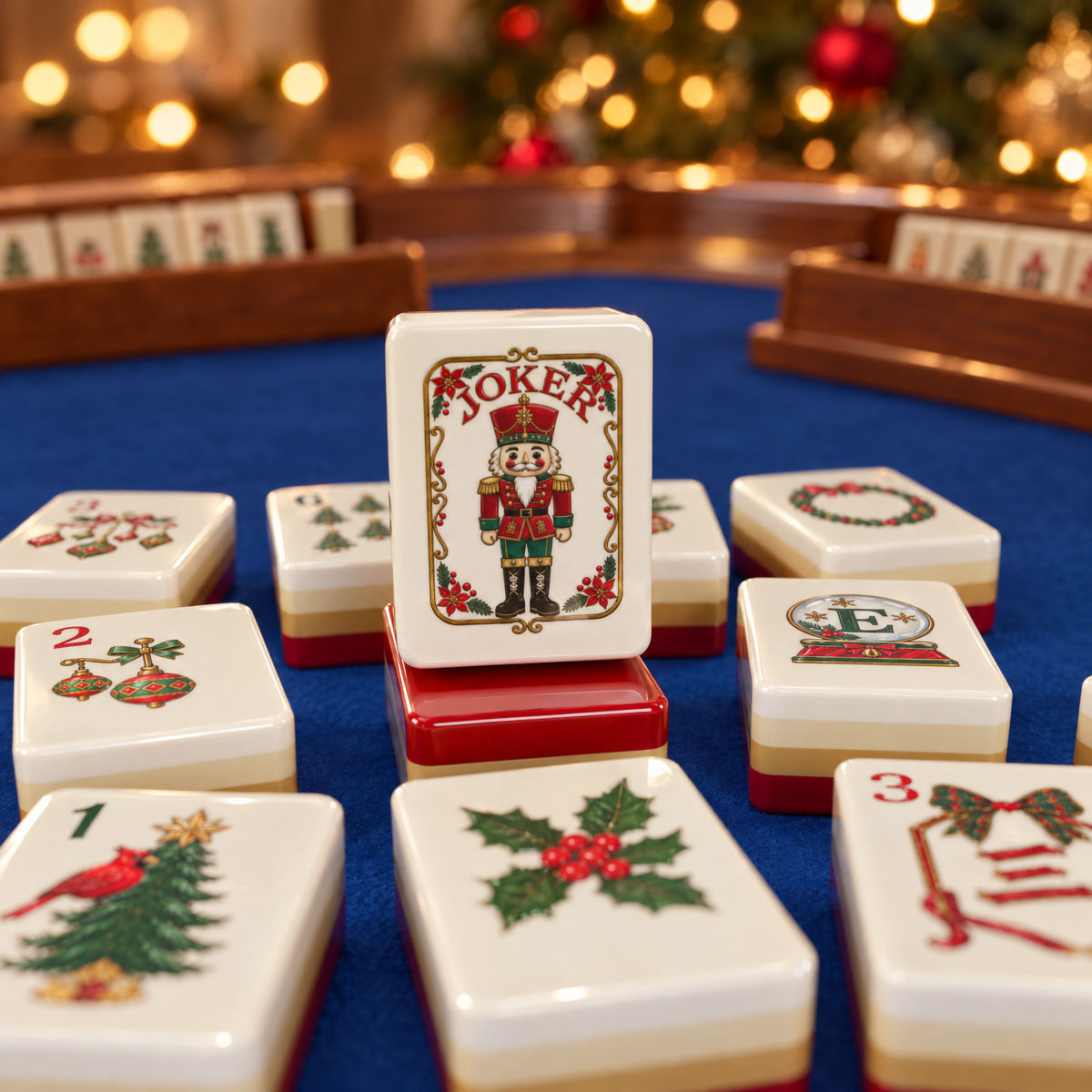
Finding mahjong lessons in Cincinnati means checking community centers, libraries, synagogues, country clubs, and online meetup boards—most offer American mahjong for beginners at flexible schedules. Lessons typically run 60–90 minutes and cover tile recognition, hand-reading from the annual card, the Charleston (the tile-passing ritual), and basic strategy; expect to learn the rules before playing full games. Many groups meet weekly and welcome drop-ins; call ahead or post in local hobby forums to confirm meeting times and any beginner-specific sessions. Costs vary widely depending on the host. To support your learning, practice at home with a standard 160-tile set, which includes the full 152 playing tiles plus spares—this identical setup ensures you're practicing the exact game your Cincinnati instructors teach.
Where exactly can I find mahjong lessons in Cincinnati?
Start with Cincinnati Public Library branches and Hamilton County Parks & Recreation—both host game groups and often run beginner workshops. Check synagogues and Jewish community centers in the greater Cincinnati area; mahjong thrives in these spaces. Browse Meetup.com and Facebook groups for "Cincinnati mahjong" or "Ohio mahjong players"; locals post weekly game times and whether beginners are welcome. Country clubs and senior centers often host casual games too. Call ahead or attend as an observer first to match the group's pace and style to your goals.

What do beginner mahjong lessons actually teach?
Beginner lessons start with the 152 tiles: three suits (Bams, Craks, Dots numbered 1–9), winds, dragons, flowers, and jokers. You'll learn to recognize each tile by shape and color. Next comes the National Mah Jongg League card—issued fresh every spring—which lists all legal winning hands for that year; instructors teach you to read it quickly. The Charleston (a three-step tile exchange before each game) gets a full walkthrough. Then the core rules: how to draw, discard, call a pung or kong, and spot a winning hand. Most beginner sessions spend two to three meetings on fundamentals before playing real games.
🀄 Shop best-selling mahjong sets →
How long does it take to feel comfortable playing?
After four to six weekly lessons, most beginners play a full game without stopping play for tile questions. Comfort—knowing the tiles by sight and reading the card without hesitation—takes eight to twelve weeks of regular attendance. Confidence in strategy and speed comes after three to six months of weekly play. The good news: you don't need perfect speed to enjoy the game; many groups play for fun, not competition, and welcome players at all paces. How to play American mahjong walks through the full turn sequence if you want to preview before joining a group.
What's the difference between American and other mahjong styles?
American mahjong uses 152 tiles (plus spares in a 160-tile set) and plays only from the current year's official card—no hand-building on the fly. You cannot call chows (1-2-3 sequences); only pungs, kongs, and longer identical-tile runs count. Jokers are wild but have strict rules: never used as a single tile or in a pair. Chinese, Hong Kong, and Riichi mahjong allow sequences and different joker rules, making them harder to learn alongside American rules. If your Cincinnati group teaches American mahjong—the most common in the US—stick with that ruleset at home to avoid confusion. What's in an American mahjong set explains the exact tile breakdown so you spot a complete set.

What gear do I need to practice between lessons?
A standard 160-tile American mahjong set gives you the full 152 playing tiles plus spares for durability and replacement. Acrylic tiles are cleaner than bamboo (they don't absorb dust or odor) and slide smoothly. A rack with pushers keeps tiles organized and hidden from other players—essential once you're playing full games. A mahjong mat protects your table and marks the dealer and discard zones clearly. A printed current-year card (often included in lesson packets or downloaded free from the National Mah Jongg League) is non-negotiable. Practice the Charleston at home with family members to build muscle memory before game night. The Charleston explained shows the exact hand-passing steps.
What You're Learning | Best Supported By | Why It Helps |
Tile recognition & sorting | A full 160-tile set in one color scheme | Builds speed; no confusion from mixed sets. |
Hand-reading from the card | A printed 2026 card + a set you own | Practice matching tiles to hand patterns daily. |
The Charleston ritual | Any set + 3 other players (or simulated) | Muscle memory; timing matters in real games. |
Discard strategy | Playing weekly at your group + home practice | Competitive edge comes from repetition. |
Tile-calling (pung, kong) | Racks with pushers | Hidden tiles = fairness; pushers speed up play. |
How do I know if a Cincinnati group is right for me?
Visit one session first without committing. Ask: Do they welcome beginners? Is the pace relaxed or tournament-speed? How long have most players been playing? Are they friendly and patient with questions? Do they use the current year's card? Some groups play for points or modest stakes; others play purely for fun. Clarify this upfront. The best fit combines beginner-friendly rules, a welcoming group, and a meeting time you can make regularly. Don't hesitate to try two or three groups—mahjong culture varies from crew to crew.
🎁 See our most-loved mahjong sets & accessories →
What mistakes do Cincinnati beginners make?
Mixing hand-building with American card play. American mahjong requires the current card—you can't win on a hand the card doesn't list. Study the card format before your first lesson. Underestimating the Charleston. The tile exchange isn't casual; it's strategy in disguise. Ask your Cincinnati instructor to explain the passing logic. Buying a low-quality set. Cheap tiles chip, stick together in humidity, or have unclear markings. A standard acrylic 160-tile set lasts decades. Ignoring the joker rules. Jokers are wild, but you cannot use them for a single tile, a pair, or in ways the card forbids. How jokers work clarifies every exception. Not reading your card during play. The card is your teammate—refer to it constantly until hands are automatic.
What to check before you buy a mahjong set for home practice
Tile count: Must be 160 (152 playing tiles plus spares) to match American mahjong exactly.
Material: Acrylic is durable, washable, and doesn't absorb odor—ideal for frequent play.
Markings: Tiles must have clear numbers and symbols readable from any angle in your home's lighting.
Rack compatibility: If you buy racks, ensure the tiles fit smoothly; test one tile first if possible.
Spare tiles included: Check the product page—spares protect you if a tile chips during practice.
✨ Find your Mahstead set — free US shipping →
#

FAQ
Can I learn American mahjong online instead of in Cincinnati?
Yes—many YouTube channels and online tutorials teach American rules and card-reading. However, in-person lessons let you ask questions, observe other players' speed and strategy, and feel the rhythm of live play. Most Cincinnati learners combine online preview with group attendance for best results.
What's the cheapest way to start learning mahjong?
Join a free or low-cost community group first (most are welcome to drop-ins). Once committed, invest in a single 160-tile set to practice at home; this purchase lasts years. Don't skip the set—practicing with the exact tiles your Cincinnati group uses accelerates learning dramatically.
Do all Cincinnati mahjong groups teach American mahjong?
Most teach American mahjong—the standard in North America. Before joining, ask the group organizer explicitly which ruleset they play. Mixing American rules with Chinese or Riichi rules confuses beginners; stick to one style.
How often should I practice at home between Cincinnati lessons?
Three to four times per week (30–60 minutes each) accelerates your comfort. Solo tile-sorting and card-reading practice counts. Many Cincinnati players play a full game at home with family or online opponents between group nights.
Should I join a beginner-only group or a mixed group in Cincinnati?
Start with a beginner group or a group that explicitly welcomes new players and slows their pace. Once you're comfortable (after 8–12 weeks), mixed groups with experienced players teach faster strategy and keep the game fresh. Many Cincinnati groups have both.


View More
View More
View More
