
Sichuan Mahjong Quick Start Guide: Rules, Tiles & Setup
Last updated: Nov 23, 2026
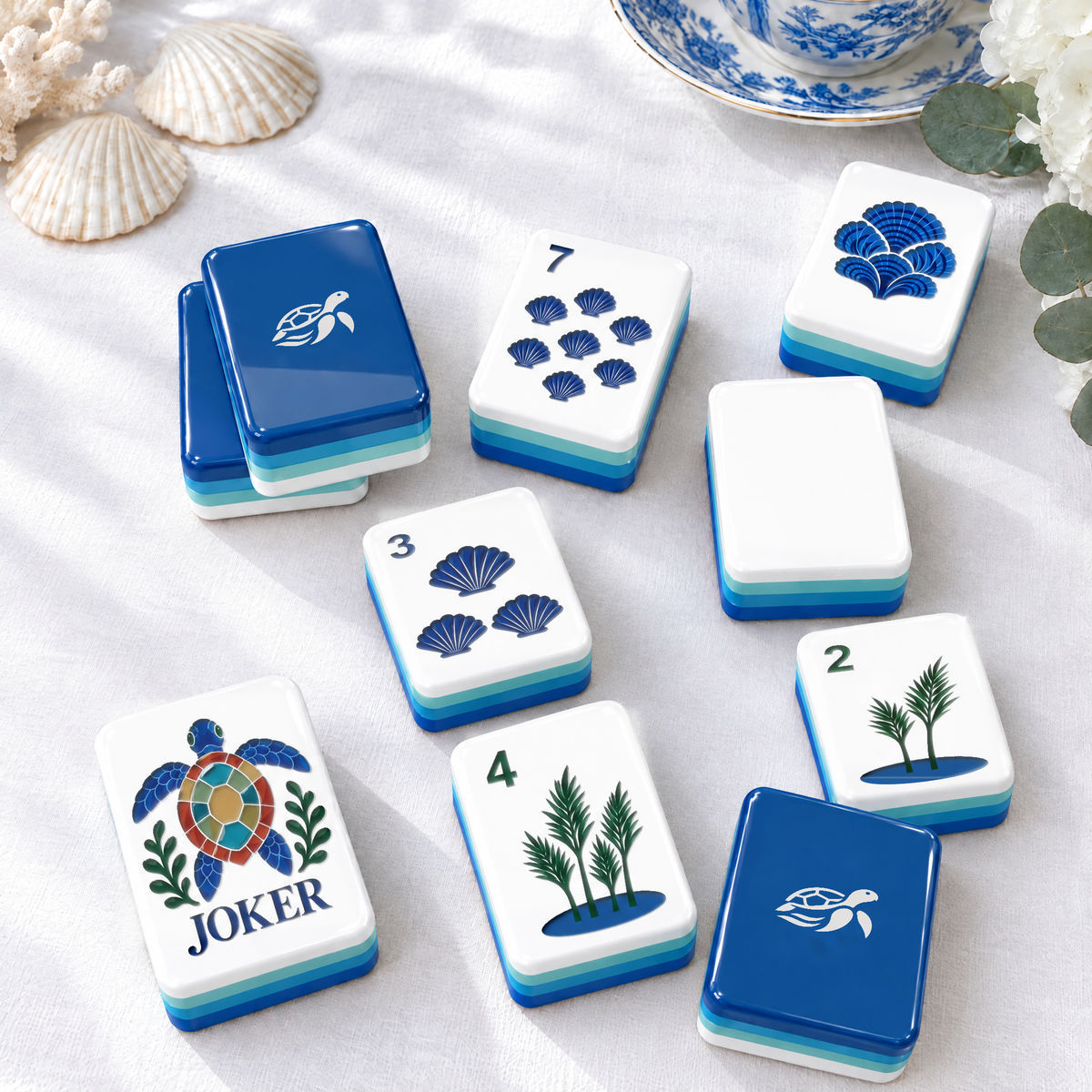
Sichuan mahjong uses 108 tiles (three 1–9 suits, plus honors and jokers) in a rapid 4-player game lasting 15–30 minutes per round. Players draw and discard in turn, building melds (triplets, sequences) toward a winning hand of four groups plus a pair. Unlike American mahjong—which requires hands from an official card and uses 152 tiles—Sichuan allows any valid combination and emphasizes speed and bidding. A typical beginner learns the tile rankings (Bam, Crak, Dot), basic melds, and the pung/kong/chow structure in one sitting. Most games play for points or money; scoring depends on hand pattern, speed, and whether you won by draw or discard. You'll need a 108-tile set, a mat to protect the table, and a scorepad. Games are social, high-energy, and forgiving of rules questions—most tables stop to explain.
Sichuan mahjong feels like a different game from American mahjong, even though both use similar tiles. Where American mahjong is strategic and card-based, Sichuan is fast, flexible, and pattern-driven. If you've played other Chinese variants, Sichuan will feel familiar. If you're coming from American mahjong, expect a shift: no set cards, no Charleston, no joker-only rules, and hands that resolve in minutes, not hours.
What tiles do you actually need?
Sichuan mahjong plays with 108 tiles: three 1–9 suits (36 tiles), 16 winds (4 each of North, East, West, South), 12 dragons (4 each of Red, Green, White), and 8 jokers. A standard best-selling mahjong set designed for American play includes 152 tiles; Sichuan sets sold in Asia typically show 108. You don't need the Western-style carrying case or rack—Sichuan players often play on a simple mahjong mat or bare table. If you're starting out, a compact travel or practice set works fine; you'll use only the 108 core tiles each game.
🀄 Shop best-selling mahjong sets →

How does Sichuan hand-building differ from American mahjong?
In Sichuan, you build hands freely from any valid pattern—not from a seasonal card. A winning hand must contain four melds (pung, kong, or chow) plus one pair. A pung is three identical tiles (e.g., three 5 Dots); a kong is four; a chow is a sequence like 3–4–5 Craks. You can call a chow (sequence) here, unlike American mahjong, which forbids it. Jokers act as wildcards in any position. Speed matters: the first player to complete a hand and declare "Hu!" wins the round. There's no secret hand building or tile passing (Charleston)—everything happens openly and quickly. If two players finish simultaneously, typically the player closest to your right wins, per house rules.
What's the turn sequence and discard protocol?
On your turn, draw one tile from the wall (or from the live stack), then play one tile face-up to the center. The next player can claim your discard if it completes a pung, kong, or chow (called a "chow claim" or "chi")—but claiming out of turn resets priority. If no one claims, play rotates to the next player. Discards are typically stacked in front of each player so everyone can see what's been thrown. Speed is the norm: hesitate more than a few seconds, and someone will nudge you to move. Unlike American mahjong, there's no formal rack-and-pusher ritual—most players hold tiles in their hands or set them in a simple line. Many Sichuan tables use mahjong racks with pushers to organize tiles neatly, especially in formal clubs.
🎁 See our most-loved mahjong sets & accessories →

How does scoring and betting work?
Sichuan scoring is simpler than American mahjong but varies by region and house rules. Most hands earn a base score (often 1 point or "unit"), with bonuses for special patterns: all-pung hands, all-chow hands, all-honor melds, or "tanyao" (1–9 only, no honors). Winning by your own draw (called "zimo" or self-draw) typically doubles the base. Winning by another player's discard ("hu") earns single points. In casual games, points accumulate per round; in bet-heavy tables, losers pay winners at the end of each hand. Betting stakes vary: some tables play for coins, others for notes, and many for no money at all. Always confirm betting and scoring rules before play starts—Sichuan tables are proud of their regional tweaks.
What common beginner mistakes should you avoid?
Not tracking discards. Watch what's been thrown; it signals what others might hold and blocks your own melds. Rushing to claim a discard. Pause—is it really safe, or does it expose you to someone else finishing first? Forgetting the pair rule. Your final hand needs exactly one pair; four melds without a pair doesn't win. Ignoring chow timing. Unlike American mahjong, you can be part of a chow—learn which sequences are safe and which invite a counter-win from the next player. Assuming joker flexibility. Jokers are wild but follow the same meld rules: they can't stand alone or form a pair; use them tactically, not recklessly. Playing too fast without knowing your table's scoring. Sichuan speeds depend on house rules; ask before your first hand.
Aspect | Sichuan Mahjong | American Mahjong | Key Difference |
Tile count | 108 tiles | 152 tiles + 8 jokers | Sichuan is compact; American includes extras |
Hand origin | Any valid pattern | Current year's card only | Sichuan is flexible; American is fixed |
Chows (sequences) | Allowed & callable | Forbidden | Sichuan allows strategy through sequences |
Round speed | 15–30 min per hand | 30–60 min per hand | Sichuan emphasizes fast play |
Joker use | Wildcard in melds | No single tile or pair | Sichuan jokers more permissive |
Discard tracking | Central wall, visible | Stacked per player | Both require attention, different layout |
What to check before you buy or sit down
If you're buying a Sichuan set online, confirm it's 108 tiles—not a 152-tile American set. Check for clear suit markings (Bams show as circles or bamboo; Craks as circles or lines; Dots as solid dots); regional sets vary. If you're joining a table for the first time, arrive 10 minutes early, watch one hand, and ask the organizer about betting, scoring, and which region's rules apply. Bring cash if betting is involved. Don't worry about speed—most groups forgive new players who pause; they'll help you learn. Sichuan mahjong thrives on house rules, so flexibility and good humor matter more than rule perfection.
✨ Find your Mahstead set — free US shipping →

FAQ
Can I use an American mahjong set for Sichuan mahjong?
Not ideally. American sets have 152 tiles and Western-style suit markings; Sichuan uses 108 tiles with Asian-style suit symbols. You'd need to identify and remove tiles, which wastes time. A dedicated Sichuan set is faster and clearer.
Is Sichuan mahjong harder than American mahjong?
No—they're different, not ranked by difficulty. Sichuan is faster and more flexible; American is more strategic and card-dependent. Most players find Sichuan easier to learn because any pattern wins, but harder to master because speed and hand-reading matter more.
What does "zimo" mean?
Zimo (自摸) means you completed your winning hand by drawing from the wall, not by claiming another player's discard. Most tables award bonus points for zimo—it's faster and cleaner than waiting for a discard.
Do I have to bet money?
No. Many casual tables play for points only or just for fun. Always confirm betting rules before sitting down; no table should pressure you to play for stakes you're uncomfortable with.
Which Sichuan rules are universal, and which vary?
Tile values (Bams, Craks, Dots, honors, jokers) and basic melds are universal. Scoring bonuses, betting amounts, and chow safety rules vary by region and house. Ask your table for clarification—experienced players expect newcomer questions.
Can I play Sichuan with three or two players?
Most Sichuan rules assume four players. Three-player variants exist but are less common; two-player is rare outside casual practice. Stick with four-player tables until you're confident, then explore house variants.


View More
View More
View More
