
How to Clean Engraved Mahjong Tiles: Step-by-Step Guide
Last updated: Nov 23, 2026
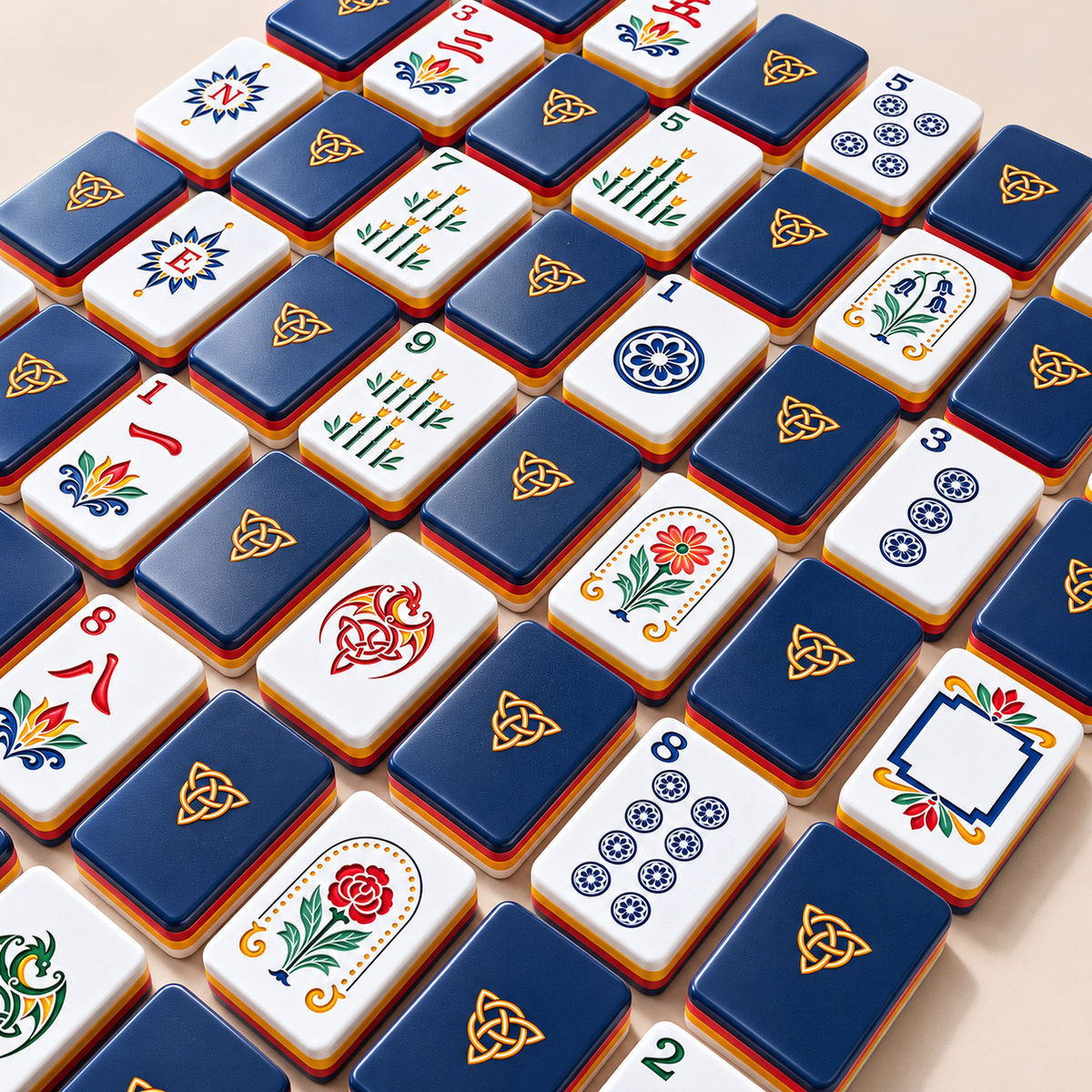
Engraved acrylic mahjong tiles live in your hands—and hands are warm, sticky, and dusty. After a few weeks of weekly games, you'll notice fingerprints clouding the engravings, dust settling in the recessed lines, and the tiles losing that tactile crispness that makes a good draw satisfying. The good news: cleaning is simple if you know what acrylic hates. The bad news: one wrong choice (the wrong cleaner, hot water, or a rough cloth) can permanently cloud your tiles or blur your engravings. Here's what works, what doesn't, and how to keep your tiles looking sharp for years.
What's actually harming your engraved tiles?
Acrylic is a plastic polymer that scratches easily and reacts to solvents. Alcohol, acetone, vinegar, and most window cleaners dissolve or stress the acrylic surface and can fog it permanently. Abrasive sponges, paper towels, and rough cloths micro-scratch the face and ruin the engraving readability. Hot water (above 120°F / 49°C) can warp the tiles slightly and age the adhesive in any inlays. Even vigorous dry-rubbing with a regular cloth generates static and attracts more dust. The engraved lines—the recesses that hold your custom text or design—are the weakest points: they trap dust, soap residue, and lint, making engravings look fuzzy or faded even when the tile is clean.

How should you clean them the right way?
Start by gathering: lukewarm tap water (cool to your touch), a bottle of mild unscented dish soap, two microfiber cloths (one for washing, one for drying), and optionally a soft natural-bristle toothbrush. Fill a small bowl with water and add a single drop of soap—you want barely soapy water, not a bubble bath. Dampen one microfiber cloth (squeeze out excess water so the cloth is damp, not wet; water should not drip from it). Wipe each tile front and back with gentle circular motions, then flip and wipe the other side. For engravings, use the damp cloth first to loosen dust, then gently work a dry toothbrush in the same direction as the engraved text to coax out lint and dust. Do not scrub hard; let the soft bristles do the work. Immediately dry every tile with the second dry microfiber cloth before water spots form. Lay tiles flat on a clean towel to air-dry for 5–10 minutes before returning them to their rack or case. The whole process for a 160-tile set takes 20–30 minutes; we usually clean during a break between games.
How often should you actually clean them?
If you play weekly games with the same group, we recommend a full clean every 3–4 weeks or whenever tiles feel sticky to touch. Light spot-cleaning (wiping a few grimy tiles with a barely damp cloth) can happen between games. If you store your set in a protective bag or case between sessions—which we strongly encourage—you'll need less frequent deep cleaning. Sets stored uncovered in humid or dusty rooms may need weekly attention. Watch for these signs: engravings look fuzzy or text isn't crisp when you hold a tile to the light; tiles make a squeaking sound when shuffled (often a sign of salt residue or dust binding them); or the tile surface feels slick or sticky (soap or hand oil buildup). Once you hit one of these signs, it's time to clean.

What's the fastest way to remove stubborn spots?
For stubborn spots—old hand oil, salt residue, or dried food—don't increase water or soap; instead, let the damp cloth sit on the spot for 10 seconds to soften the residue, then gently rub. If that doesn't work, use the soft toothbrush with barely dampened bristles (not wet) on the spot only. Stubborn stains on the tile face (not in engravings) can sometimes be cleared with a slightly firmer cloth, but never use scouring pads, erasers, or rough sponges. If a spot resists gentle cleaning after two attempts, leave it and move on—forcing it risks scratching the acrylic. Salt residue from sweaty hands is the most common culprit; it doesn't hurt the tiles but makes them look dusty. The best prevention is a quick damp-cloth wipe after every second game.
What about storage—does it affect how often you clean?
Yes. How you store your best-selling mahjong sets between games dramatically changes cleaning frequency. Tiles stored loose in a box or drawer accumulate dust, lint, and pet hair; they'll need weekly cleaning. Tiles in a protective case or mahjong bags stay mostly dust-free; monthly cleaning often suffices. Hard cases or drawstring bags protect from dust, humidity swings, and handling damage. Storing in a humid basement or damp garage can cause acrylic to feel tacky and engravings to look fuzzy; in those environments, clean every 2 weeks and consider a silica gel packet inside the storage bag. We also recommend storing tiles flat (not stacked at an angle), as stacking can warp acrylic over time, especially if the stack gets warm.
🎁 See our most-loved mahjong sets & accessories →
What happens if you ignore cleaning for months?
Neglected tiles develop a cloudy film that doesn't fully reverse even with perfect cleaning, because dust and salt residue harden into a micro-layer. Engravings can look permanently blurred if dust compacts in the recesses. Acrylic can also yellow slightly if exposed to sunlight without cleaning (dust blocks UV reflection). The tiles stay playable, but they lose their tactile and visual appeal. We've seen sets that went untouched for a year; they needed three careful cleanings to restore even 80% of their original clarity. Once every 3–4 weeks keeps tiles perpetually fresh with just one cleaning per session.
What to check before you buy engraved tiles
If you're considering engraved American mahjong sets, ask the maker: Are engravings shallow (easier to clean and read) or deep (harder to dust but more resistant to fading)? Are tiles in a protective case or loose in a box? Does the set come with a cloth or care guide? Acrylic tiles from different makers vary slightly in thickness, finish (matte vs. gloss), and engraving depth; all affect how often you'll clean and how easily dust settles. Sets designed for frequent play (like weekly group games) benefit from matte finishes and medium-depth engravings—they hide dust better and stay readable longer than high-gloss finishes.
✨ Find your Mahstead set — free US shipping →
Comparison: Storage + Cleaning Load by Setup
Storage Type | Cleaning Frequency | Best For | Why It Works |
Hard case with silica gel | Every 4–6 weeks | Serious weekly players | Dust-proof, humidity-controlled |
Drawstring protective bag | Every 3–4 weeks | Casual groups, travel | Portable, dust-resistant |
Open box or drawer | Every 1–2 weeks | Light use only | High dust exposure |
Mat-only storage (no case) | Every 2–3 weeks | Home table setup | Convenient but dust-prone |
🀄 Shop best-selling mahjong sets →
One honest tip: prevention beats cleanup
The single best investment for keeping tiles clean is a mahjong mat with a built-in brush-lined storage pocket or a proper travel bag. Tiles stored on an open table gather airborne dust and pet hair; tiles in a mat pocket stay sheltered. Pair this with racks with pushers (which keep tiles off direct contact with hands during the draw, reducing oil and salt transfer) and you'll cut cleaning labor in half. We've been running weekly games for years; the groups that invest in a mat and case spend 10 minutes cleaning per month. Those without organized storage spend 15+ minutes per week.

FAQ
Can I use a microfiber cloth on engraved tiles?
Yes—microfiber is ideal because it doesn't scratch acrylic and traps dust without scratching. Always use it damp (not dry), as dry microfiber can generate static and attract more dust.
Will water spotting damage the engravings permanently?
No. Water spots are mineral deposits that dry out; they don't harm acrylic or engravings. Wiping immediately prevents them from forming. If spots appear, a damp cloth and gentle rub removes them.
What if I accidentally used vinegar on my tiles?
If tiles were wet with vinegar for only a few seconds, rinse immediately with water and dry fully. Extended vinegar exposure can fog acrylic; if fogging occurred, it's usually permanent, but the tiles remain playable.
How do I clean the joker tiles—are they different?
No. Jokers are acrylic like all other tiles and use the same gentle cleaning method. Some jokers have printed designs instead of engravings; treat them identically.
Should I clean tiles before storing them or after retrieving them?
Clean before storing to remove hand oils and salt; this prevents residue from hardening during storage. A quick wipe after retrieval removes any dust that settled during storage.
Can a toothbrush scratch the engraved lines?
Only if you use a hard synthetic brush or scrub vigorously. Soft natural-bristle brushes (like those used for children's teeth) move dust out of engravings without scratching the acrylic floor of the line.
Why do my engravings look fuzzy even after cleaning?
Dust compacted in the recesses reflects light differently, making text appear blurred. Use a barely damp toothbrush to gently clear the line, then dry immediately. If fuzziness persists after two cleanings, it may be old residue that requires a longer damp-cloth soak (10–15 seconds per tile) before brushing.
Is it safe to clean tiles in a dishwasher?
No. Dishwasher heat (140°F+) can warp acrylic, and the spray pressure can damage engravings. Hand-wash only.


View More
View More
View More
